
Why Hobbies Matter in Addiction Recovery
Discover how sober hobbies like pickleball, hiking, art, and other activities can bring structure, connection, enjoyment, and new experiences into recovery.

Explore articles, guidance, and real-world perspectives designed to support your journey. Our blog shares knowledge, tools, and inspiration to help you stay informed, engaged, and moving forward.

Discover how sober hobbies like pickleball, hiking, art, and other activities can bring structure, connection, enjoyment, and new experiences into recovery.
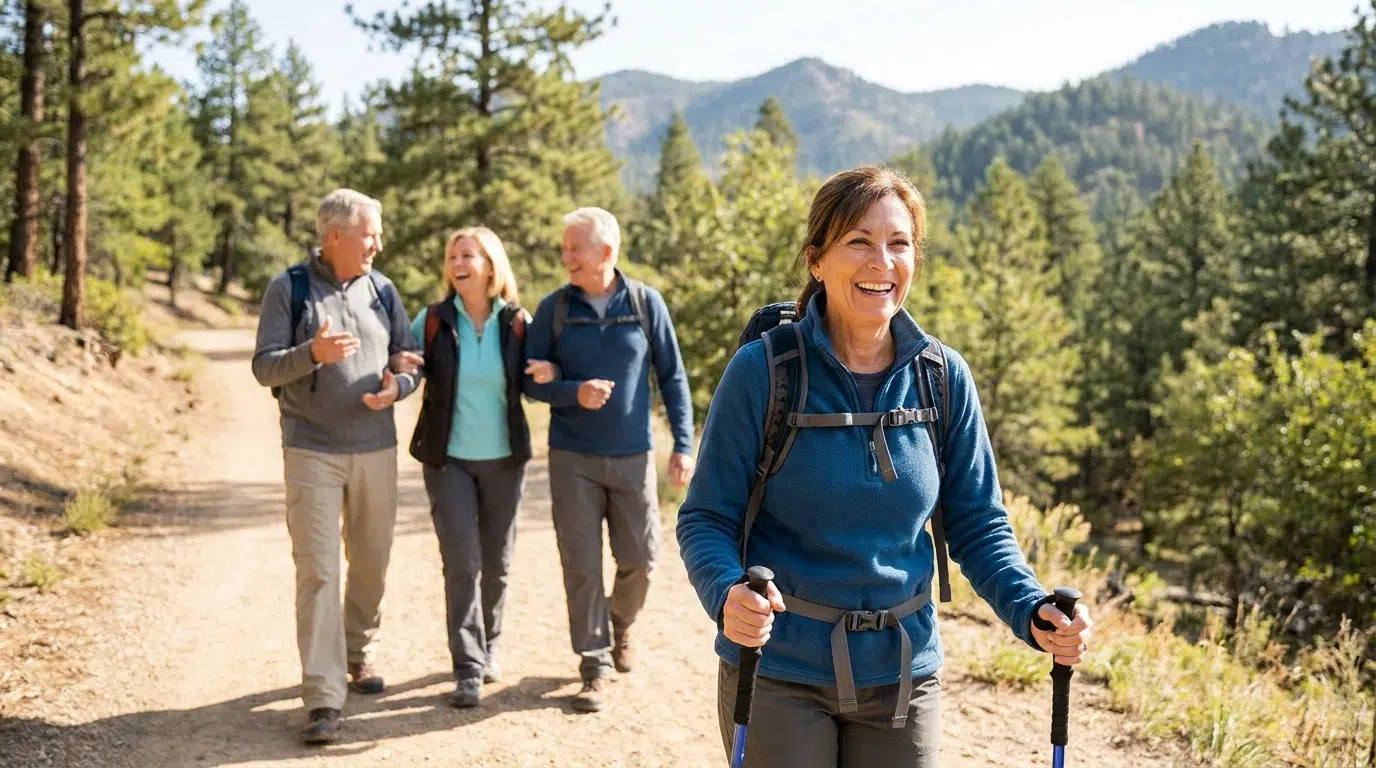
Recovery is more than staying sober. Learn how supportive relationships, outdoor time, movement, and community can help build a fuller life in recovery.
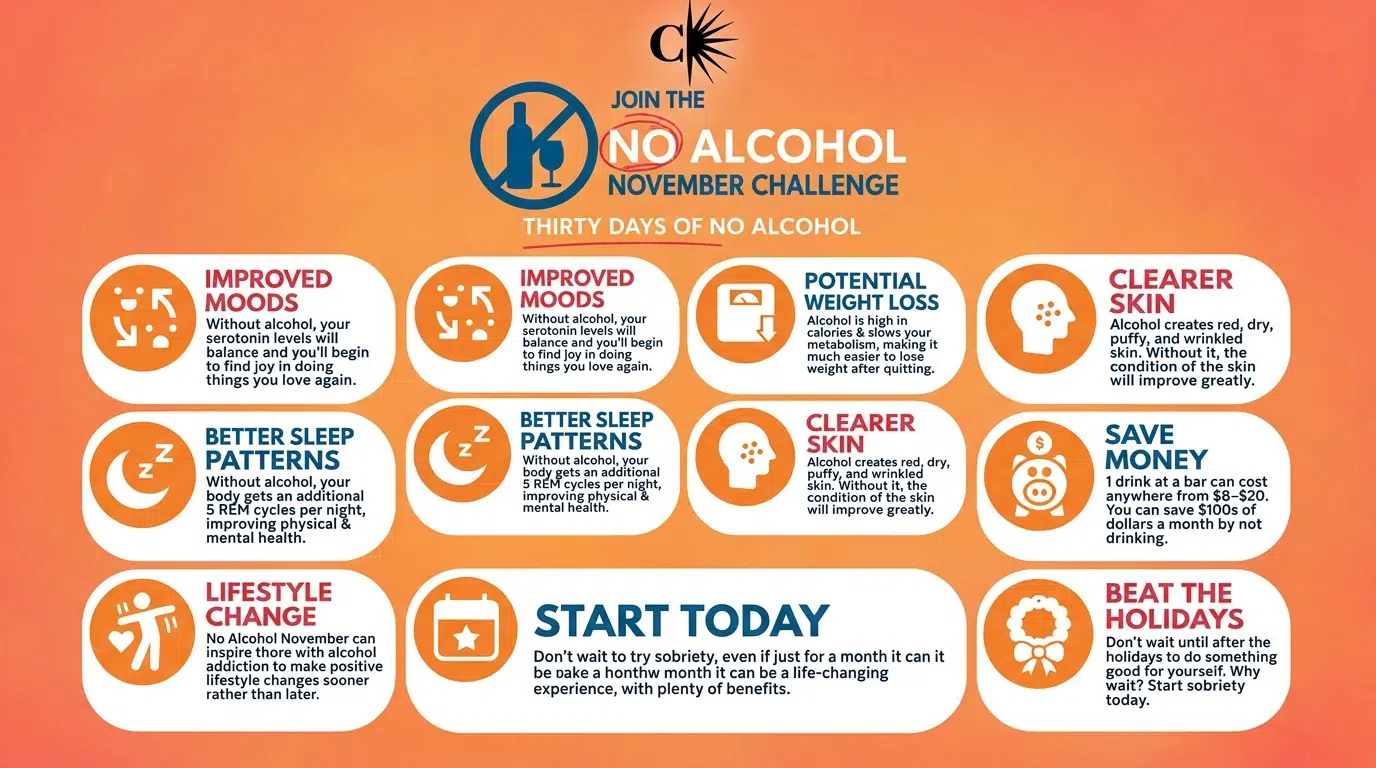
Try Sober November and see what 30 days without alcohol can teach you about sleep, mood, habits, spending, and your relationship with drinking.
Changes Treatment Center is now a CCAPP Program Member and Program of Distinction, supporting quality care and professional standards in recovery.
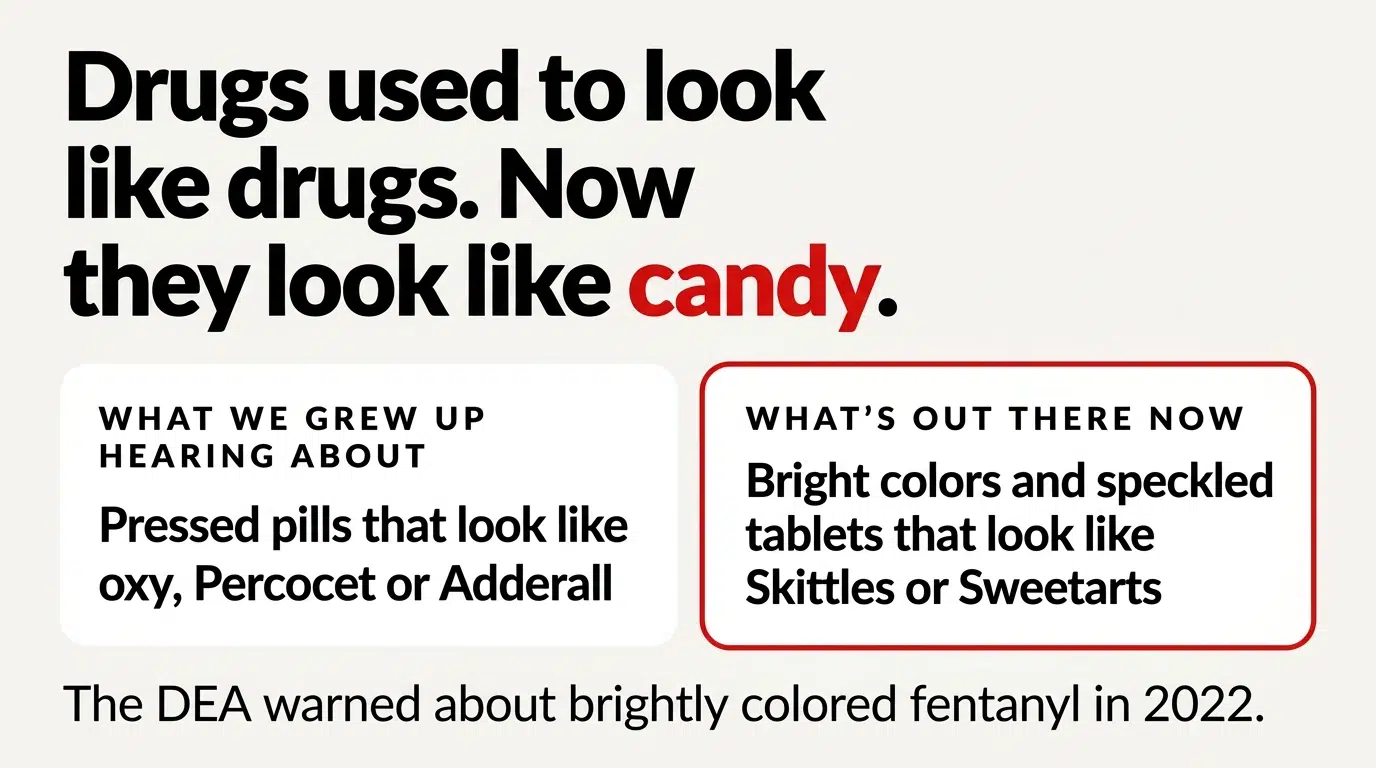
Learn why counterfeit pills and rainbow fentanyl are dangerous, how social media increases access, and what parents can do to protect kids.
Recovery can help you rediscover your strength, rebuild self-worth, develop resilience, and recognize what you’re capable of becoming.
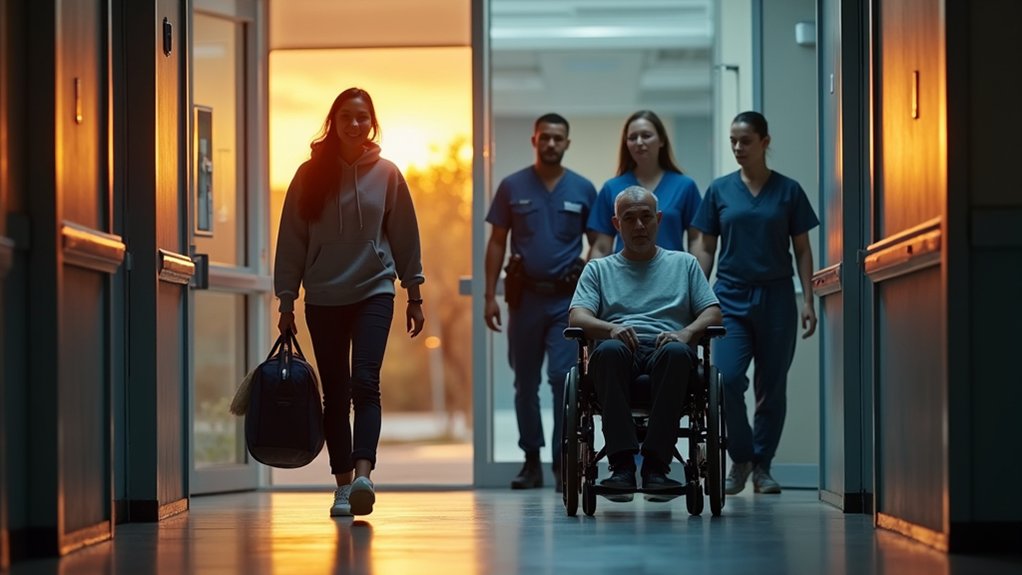
Voluntary vs. involuntary rehab: learn how admission, consent, and court orders differ in Colorado so you can choose the right treatment path.
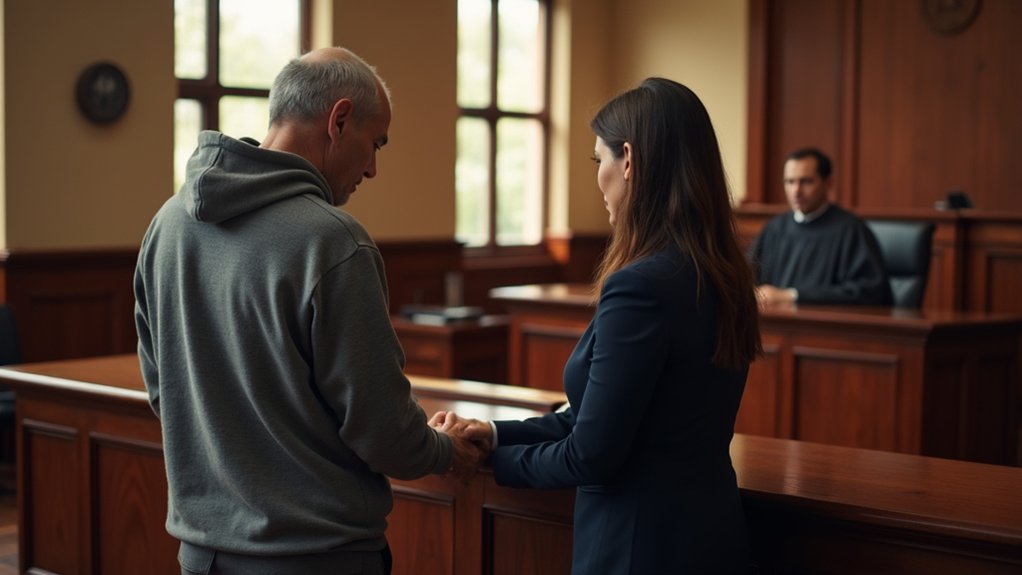
Court-ordered rehab: learn when a judge can require drug or alcohol treatment, how civil petitions and drug courts work, and what happens if you leave.
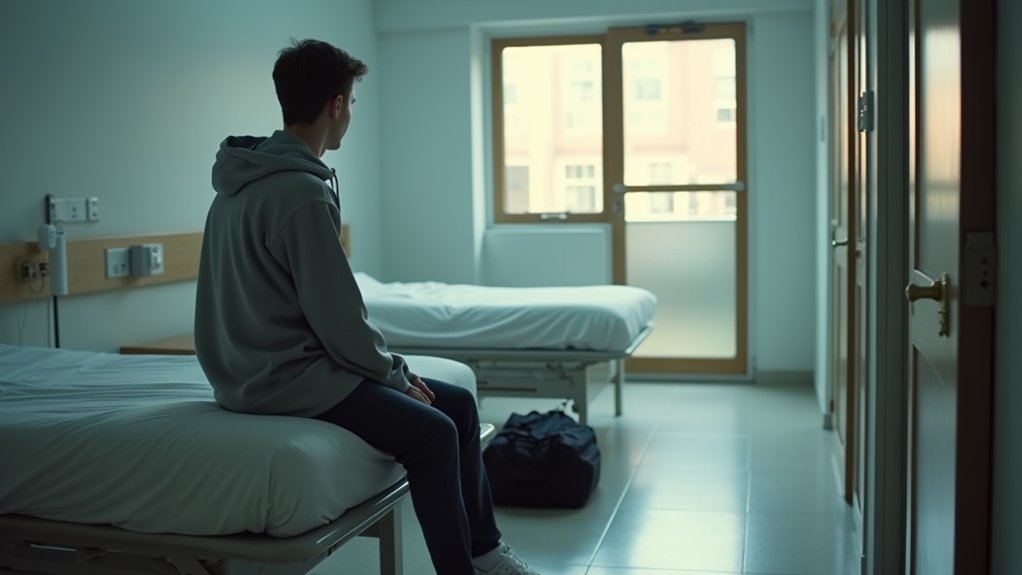
Can a rehab center keep someone against their will? Learn when a court order or emergency hold allows it and how to request discharge.

Involuntary commitment for addiction is allowed in 34 states plus DC. Learn which states qualify, who is eligible, and what danger criteria apply.
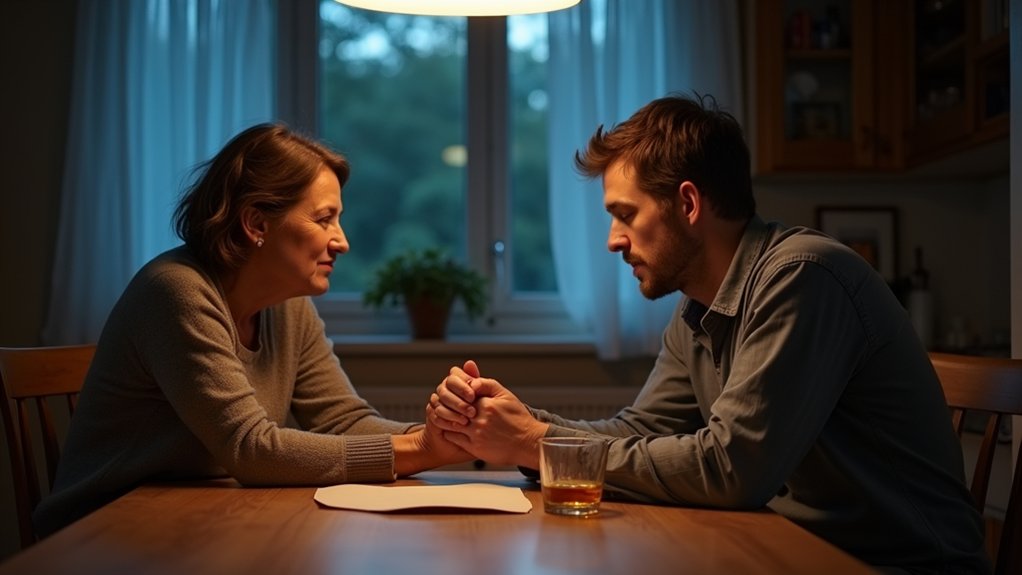
Forcing an alcoholic into rehab is legal in 34 states under strict criteria. Learn the requirements and ways to encourage voluntary treatment.
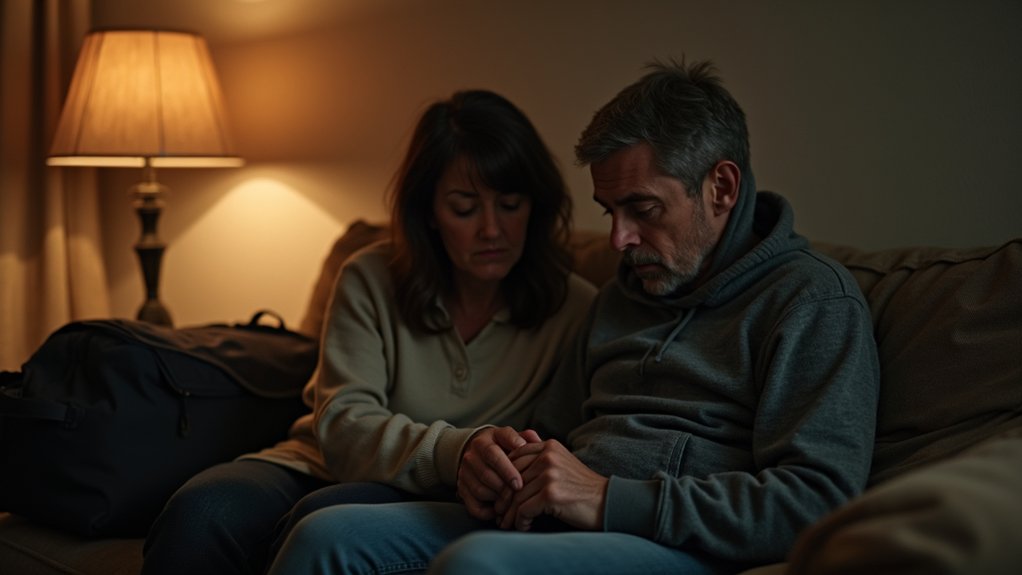
Get a loved one into rehab when they refuse help using calm talks, firm boundaries, and planned interventions that turn refusal into readiness.
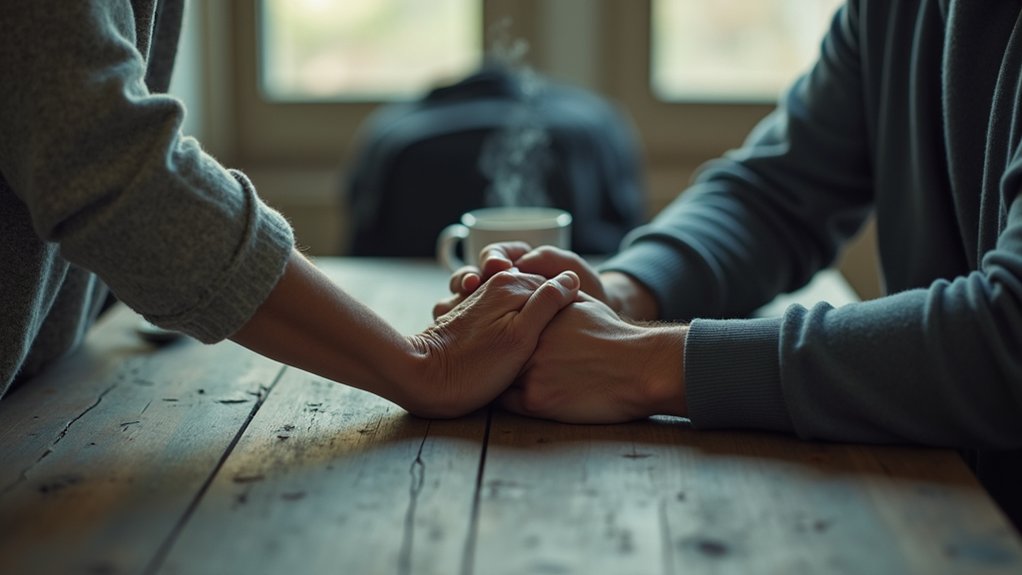
Can you make someone go to rehab? Learn when courts can order treatment, what proof states require, and how you can help a loved one.

Heroin addiction recovery timeline: learn what to expect at each stage, from the first days of withdrawal through detox, treatment, and your first year.

Heroin rehab after detox focuses on treating opioid use disorder with medication, counseling, and overdose prevention to support lasting recovery.
Take a moment to answer these questions honestly.
There are no right or wrong answers.
This assessment is not a medical diagnosis, but it can help you determine whether alcohol may be having a greater impact on your life than you realize.
In the past 12 months…
Developed by Patrick Conod, LCSW, and Cari Lawyer, CATC I, on behalf of the Changes Treatment Center Clinical Leadership Team.
A Self-Assessment for Family Members and Friends
Watching someone you love change because of alcohol can be confusing and heartbreaking. You may find yourself questioning what you’re seeing, wondering if you’re overreacting, or hoping things will get better on their own.
This assessment is designed to help you reflect on the behaviors you’ve noticed. It isn’t a diagnosis, but it may help you determine whether it’s time to seek guidance or support.
In the past 12 months…
Developed by Patrick Conod, LCSW, and Cari Lawyer, CATC I, on behalf of the Changes Treatment Center Clinical Leadership Team.
When we are struggling with deep stress, anxious thoughts, or a low mood, it is incredibly natural to look for immediate relief. Sometimes, we turn to alcohol or other substances just to quiet our minds, get some sleep, or feel normal for a night.
This short self-assessment is designed to help you pause and look at how these two parts of your life might be influencing each other. It is entirely anonymous and takes less than two minutes.
It’s common for habits to slowly shift over time, especially during stressful seasons. Often, we find ourselves using a substance to cope, unwind, or get through the day, only to realize it is starting to take up more space in our routine, thoughts, or relationships than we’d like.
This quick, 10-question check-in is a quiet space to reflect honestly on how your use is impacting your life. It is entirely anonymous, completely free of clinical judgment, and takes less than two minutes.
We all experience days when we feel down, exhausted, or just completely unmotivated. But when those heavy feelings start lingering, it can be hard to tell if you’re just going through a rough patch or if it’s something more.
This quick, confidential check-in is designed to help you pause and reflect on how you’ve actually been feeling lately. It is completely anonymous, entirely non-judgmental, and takes less than two minutes.
Is your evening glass of wine a harmless habit, or is it starting to catch up with you? It’s not always easy to tell where “social drinking” ends and “too much” begins.
Take this quick, 2-minute quiz to check in on your relationship with alcohol and get clear, personalized insights.