
Changes Treatment Center
Compassionate, Evidence-Based Care in Costa Mesa
Community
Recovery
Memories
ABOUT US
Changes Treatment Center exists to help individuals re-discover who they are and step into their full potential. We focus on building self-esteem, strengthening identity; by teaching clients how to stay present and engaged in their recovery. We also believe caring for the body supports healing of the mind and spirit, and that physical well-being plays an important role in sustainable recovery. By addressing complacency and self-sabotage, and by emphasizing the power of community, we help turn intention into action. Recovery is not something that happens to you, it’s something you actively participate in, and we walk beside you every step of the way.
Recovery grows when we feel connected, supported, and part of something bigger.
Evidence-based care, meaningful support, and a treatment plan built around you.
Recovery becomes real when we experience life differently and create moments worth remembering.
Recovery is more than stopping a behavior, it’s about rediscovering who you are. At Changes, we provide a supportive space where individuals can rebuild confidence, gain clarity, and move forward with purpose through personalized care.
We focus on strengthening identity, encouraging presence, and supporting overall well-being. By addressing self-sabotage and fostering community, we help turn intention into lasting change, walking with you every step of the way.
Our licensed professionals bring years of expertise in addiction and mental health treatment.
We customize treatment for every client to ensure long term success.
From detox to aftercare, Changes walks with you every step of the way.
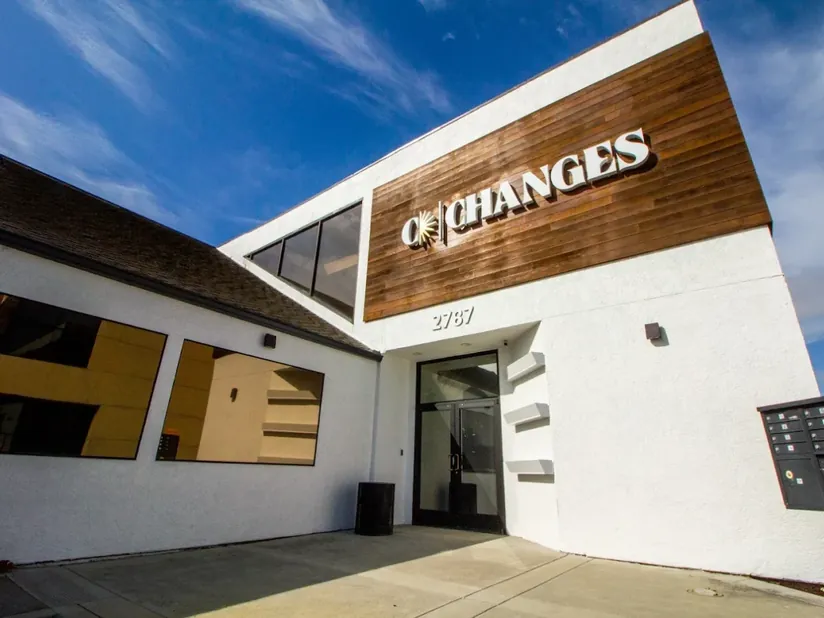
Our Costa Mesa location offers a calming, bright, and rejuvenating atmosphere.
Changes Treatment Center exists to help individuals re-discover who they are and step into their full potential. We focus on building self-esteem, strengthening identity; by teaching clients how to stay present and engaged in their recovery.
We also believe caring for the body supports healing of the mind and spirit, and that physical well-being plays an important role in sustainable recovery.
Flexible Treatment Plans for Every Stage of Recovery
Our programs are designed to meet you where you are, providing the structure, support, and flexibility needed to build a strong foundation for lasting recovery.
A Simple Path to a New Beginning with Changes
We understand that taking the first step toward recovery can feel overwhelming. Our admissions process is designed to be simple, confidential, and stress-free.
Fast, confidential coverage check to help you understand your benefits and available treatment options.
Personalized support to guide you through the process and answer any questions with clarity and care.
Start your path to a brighter future with structured support, expert care, and a plan built around you.
Accessible Care, Flexible Payment Options
At Changes, we believe financial concerns should never stand in the way of receiving treatment. We accept most major insurance providers and offer private pay options. Financing plans will be available in the future.






OUR TEAM
At Changes Treatment Center, our strength lies in the connection, care, and experience of our team. From clinical support to everyday guidance, each member is committed to helping you build confidence, strengthen your identity, and stay engaged in your recovery. That’s why our team works alongside you, providing structure, encouragement, and the tools needed to turn intention into lasting change.

Medical Director
Medical Director

Program Director
Program Director

Leadership
Leadership
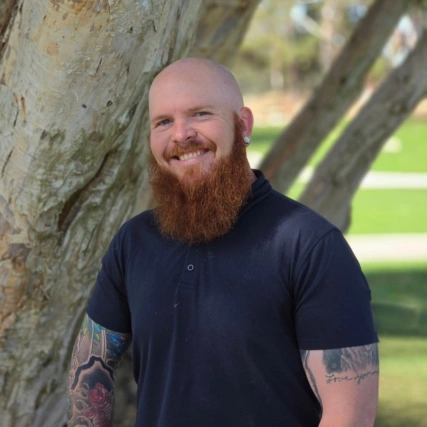
LCSW, Therapy
LCSW, Therapy

COMMUNITY
At Changes, we believe lasting recovery is strengthened through connection, compassion, and community. From local events and educational outreach to meaningful partnerships, we’re committed to supporting individuals and families both inside and beyond our treatment center.
TESTIMONIALS

 Jason
JasonTrustindex verifies that the original source of the review is Google.
Working with Changes Treatment has been an outstanding experience for both our team and the patients we refer for their SUD PHP and IOP programs. Their staff shares the same philosophy we do: the patient always comes first, and long-term recovery is the ultimate goal. It's refreshing to partner with a team that genuinely cares about each individual's success and consistently goes above and beyond to provide compassionate, high-quality care. We are proud to partner with Changes Treatment and look forward to continuing to work together to help people build lasting recovery. DeidreWould I recommend Changes.. the answer is simple YESS! ABSOLUTELY!!!!! My experience at Changes Treatment Center truly changed my life. From the moment I walked in, I felt welcomed, supported, and treated with respect. Recovery is not easy, but they created a space where I felt safe to grow and start believing in myself again. I especially loved the thoughtfully planned events and Fun Fridays exploring different parts of coastal Southern California. Those experiences gave me lifelong memories and lessons I will always carry with me. From operations to the therapists and the amazing connections they build, it is clear how much they care for their clients. The friendships I made there meant so much, and the whole place really feels like family. I am grateful for everything I learned and for the foundation Changes gave me to keep moving forward.
 JeffreyHad such a great experience here. The staff was incredibly attentive, welcoming, and genuinely kind from start to finish. You can tell they really care and go out of their way to make you feel comfortable.
 SamI highly recommend this center! It’s a beautiful facility, but more importantly, the staff are compassionate and caring. They have a lot of resources to help your loved one get back on their feet.
 BrentChanges was an amazing support system to my recovery. I had been through multiple high end residual facilities and mental hospitals over the past ten years. Nothing was able to get me to a place where I could be capable of healing to a point where I had the resources and tools to live. Changes did provide me the direction and care that was needed. The owner, the staff, the medication management, the therapist and the case manager became like family to me. I’m forever grateful for the program of recovery that Changes provided.
 JohnI can’t say enough about Changes. The atmosphere is so great. The people working are welcoming and gracious. I felt welcomed as soon as I arrived. 5 star all around. Thanks you Changes!!
 BillI took my cousin in. First thing we noticed is how clean everything was. I was blown away how welcoming it felt. He was not treated as just another number and that went a long way. He said he felt the environment would be helpful in his recovery which stoked me out. Highly recommend.
 DarrenChanges has one of the nicest treatment center environments I’ve seen in Orange County. The space feels peaceful, bright, and welcoming from the moment you walk in. Everything looks well maintained and thoughtfully put together. Small detail, but the disco ball tho
 TaelorChanges Treatment Center truly changed my life. The staff genuinely care about every person that walks through their doors and treat everyone with respect, compassion, and understanding. Recovery is not easy, but they created a safe and supportive environment that helped me rebuild my confidence and stay focused on getting better. The therapists, counselors, and support staff go above and beyond to make sure clients feel heard and supported throughout the process. The program is well organized, the environment is welcoming, and you can tell they truly want people to succeed in recovery. I’m incredibly grateful for everything they’ve done and would highly recommend Changes Treatment Center to anyone struggling with addiction or looking for help for a loved one.Verified by TrustindexTrustindex verified badge is the Universal Symbol of Trust. Only the greatest companies can get the verified badge who has a review score above 4.5, based on customer reviews over the past 12 months. Read more



Take a moment to answer these questions honestly.
There are no right or wrong answers.
This assessment is not a medical diagnosis, but it can help you determine whether alcohol may be having a greater impact on your life than you realize.
In the past 12 months…
Developed by Patrick Conod, LCSW, and Cari Lawyer, CATC I, on behalf of the Changes Treatment Center Clinical Leadership Team.
A Self-Assessment for Family Members and Friends
Watching someone you love change because of alcohol can be confusing and heartbreaking. You may find yourself questioning what you’re seeing, wondering if you’re overreacting, or hoping things will get better on their own.
This assessment is designed to help you reflect on the behaviors you’ve noticed. It isn’t a diagnosis, but it may help you determine whether it’s time to seek guidance or support.
In the past 12 months…
Developed by Patrick Conod, LCSW, and Cari Lawyer, CATC I, on behalf of the Changes Treatment Center Clinical Leadership Team.
When we are struggling with deep stress, anxious thoughts, or a low mood, it is incredibly natural to look for immediate relief. Sometimes, we turn to alcohol or other substances just to quiet our minds, get some sleep, or feel normal for a night.
This short self-assessment is designed to help you pause and look at how these two parts of your life might be influencing each other. It is entirely anonymous and takes less than two minutes.
It’s common for habits to slowly shift over time, especially during stressful seasons. Often, we find ourselves using a substance to cope, unwind, or get through the day, only to realize it is starting to take up more space in our routine, thoughts, or relationships than we’d like.
This quick, 10-question check-in is a quiet space to reflect honestly on how your use is impacting your life. It is entirely anonymous, completely free of clinical judgment, and takes less than two minutes.
We all experience days when we feel down, exhausted, or just completely unmotivated. But when those heavy feelings start lingering, it can be hard to tell if you’re just going through a rough patch or if it’s something more.
This quick, confidential check-in is designed to help you pause and reflect on how you’ve actually been feeling lately. It is completely anonymous, entirely non-judgmental, and takes less than two minutes.
Is your evening glass of wine a harmless habit, or is it starting to catch up with you? It’s not always easy to tell where “social drinking” ends and “too much” begins.
Take this quick, 2-minute quiz to check in on your relationship with alcohol and get clear, personalized insights.