
Changes Treatment Center
Cooking for Recovery at Changes Treatment Center is a hands-on cooking class that helps clients build a healthier lifestyle in recovery. Working together in the kitchen, clients learn basic nutrition, prepare simple and affordable meals, and build life skills, confidence, and connection. It is one way recovery becomes about rebuilding a full life, not just abstaining.
Reach out for confidential support, no pressure, no judgment. We’re here to help you take the next step.
Cooking for Recovery is a hands-on cooking class at Changes that helps clients build a healthier lifestyle. Clients learn basic nutrition, prepare simple and affordable meals, and build life skills, confidence, and connection as part of their recovery.
No. Cooking for Recovery is about progress, not perfection or skill. The class focuses on practical, real-world basics, and no prior cooking experience is needed to take part and benefit.
Cooking supports recovery on several levels at once: better nutrition supports mood and energy, life skills rebuild independence, and shared cooking builds community and positive memories. At Changes, recovery is about rebuilding a full life, and cooking is one practical way to do that.
Cooking supports recovery on several levels at once: better nutrition supports mood and energy, life skills rebuild independence, and shared cooking builds community and positive memories. At Changes, recovery is about rebuilding a full life, and cooking is one practical way to do that.
Cooking for Recovery is part of the treatment experience at Changes, and coverage depends on your specific plan. Changes works with most major insurance providers and verifies your benefits in about 15 minutes, free and confidential. Private-pay options are available if needed.
Cooking for Recovery is a hands-on cooking class at Changes, built on the belief that recovery is about more than abstaining from substances. It is about rebuilding a full, healthy, and meaningful life. In the class, cooking becomes more than preparing a meal; it becomes a practical tool for growth, connection, and self-care.
Clients work together in the kitchen to prepare real food, learning skills they carry well beyond treatment. The class connects several parts of recovery at once: physical health through nutrition, practical independence through life skills, and belonging through shared work. That combination is what makes cooking a surprisingly powerful recovery activity rather than just a pleasant break in the day.
What you put into your body directly affects how you feel, physically, mentally, and emotionally. In our cooking classes, clients learn to prepare balanced, nutritious meals that support energy, mood stability, and overall wellness. For people whose nutrition was neglected during active addiction, this is a direct, practical step toward feeling better.
The focus stays on real-world skills rather than complicated theory. Clients learn to understand basic nutrition, prepare simple and affordable meals, and make healthier choices without overcomplicating the process. Learning to care for their bodies this way, clients begin to experience the connection between physical health and recovery firsthand, and that felt connection is more convincing than any lecture. While clients are encouraged to adopt healthier habits, some may require structured support for their recovery journey. Incorporating medical detox can provide a foundation for deeper healing and allow individuals to safely manage withdrawal symptoms.

Addiction can interrupt the development of everyday life skills, and cooking classes help rebuild those foundations. Preparing a meal from start to finish requires planning, organization, following instructions, and solving problems as they come up, all skills that transfer directly to managing life in recovery.
In the class, clients learn to plan and prepare meals, follow instructions and stay organized, and work through challenges and problem-solving in real time. There is a real sense of accomplishment that comes from creating something complete, a finished meal you made yourself. That confidence carries over into other areas of life and recovery, where the same abilities to plan, follow through, and adapt make the difference.
Cooking is naturally communal, and that is a large part of why it works in recovery. In our kitchen, clients work together, communicate, and support one another toward a shared goal, practicing the same skills that rebuild relationships outside the kitchen.
These shared moments create connection and trust, opportunities for healthy communication, and a sense of belonging. Just like recovery, cooking is not meant to be done alone. It reflects one of the core beliefs at Changes: recovery happens in the community. Working side by side toward a meal everyone will share turns an ordinary activity into a genuine experience of being part of something.
Many clients arrive carrying memories tied to pain, isolation, or substance use. Cooking classes offer something different: a chance to create new, positive experiences. Preparing a meal together, trying something new, or simply laughing in the kitchen, these moments matter.
They become part of a new story, one built on growth, connection, and progress. In recovery, replacing old associations with new, positive ones is real clinical work, and doing it around something as everyday as a shared meal makes those new memories easy to build and easy to return to. Over time, they add up to a different relationship with daily life.
Cooking for Recovery is for adults in treatment at Changes who want to build practical, healthy habits as part of their recovery. No cooking experience is needed, and the focus is on progress rather than skill.
Cooking for Recovery is part of the treatment experience at Changes, complementing the clinical work in our programs with practical life-skills and community-building. Alongside therapy, coaching, and our other services, it reinforces the same goals of confidence, connection, and healthy routine from a hands-on angle. It also sits naturally beside our other experiential offerings, fitness therapy and Beyond Therapy, that engage the whole person in recovery.
Changes Treatment Center works with most major insurance providers, and we verify benefits on any plan in about 15 minutes. Cooking for Recovery is part of the treatment experience at Changes, and coverage for your care depends on your specific plan.
Verification is free and carries no obligation. If you do not have coverage that works, we offer private-pay options and will talk through the most realistic path on a confidential call.
Orange County recorded an estimated 490 accidental overdose deaths in 2023, and its opioid overdose death rate nearly tripled between 2017 and 2021, according to the Orange County Health Care Agency. Recovery that rebuilds the whole of daily life, including practical skills like nutrition and self-care, is part of building something that lasts beyond a program. Cooking for Recovery is one way Changes puts that into practice. Changes Treatment Center is at 2787 Bristol Street in Costa Mesa, serving adults across Orange County.
Having life-skills programming built into treatment keeps recovery practical and connected in one place. Insurance verification takes about 15 minutes, and our team can explain how Cooking for Recovery fits with your program.

Build healthier habits in recovery. If you want to gain practical skills, better nutrition, and connection as part of treatment, ask our team how Cooking for Recovery fits with your program. Call (949) 807-2008 or verify your insurance online.
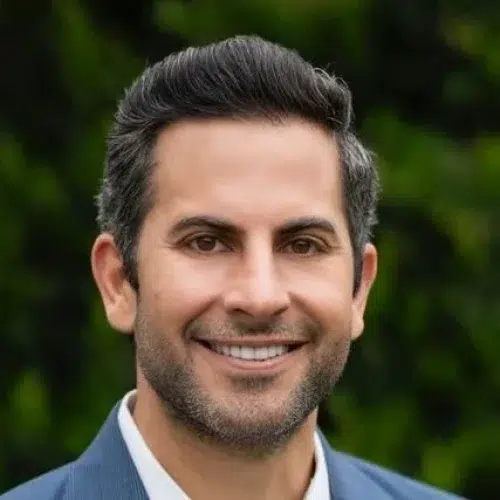
Eric Chaghouri, MD, is the Medical Director at Changes Treatment Center and reviews the clinical content on this page. Dr. Chaghouri is a board-certified psychiatrist who specializes in addiction and forensic psychiatry.
Recovery is more than stopping a behavior, it’s about rediscovering who you are. At Changes Treatment Center, we provide a supportive space where individuals can rebuild confidence, gain clarity, and move forward with purpose through personalized care.
We focus on strengthening identity, encouraging presence, and supporting overall well-being. By addressing self-sabotage and fostering community, we help turn intention into lasting change, walking with you every step of the way.
Our licensed professionals bring years of expertise in addiction and mental health treatment.
We customize treatment for every client to ensure long term success.
From detox to aftercare, Changes walks with you every step of the way.
Our Costa Mesa location offers a calming, bright, and rejuvenating atmosphere.
A Simple Path to a New Beginning with Changes
We understand that taking the first step toward recovery can feel overwhelming. Our admissions process is designed to be simple, confidential, and stress-free.
Fast, confidential coverage check to help you understand your benefits and available treatment options.
Personalized support to guide you through the process and answer any questions with clarity and care.
Start your path to a brighter future with structured support, expert care, and a plan built around you.
Take a moment to answer these questions honestly.
There are no right or wrong answers.
This assessment is not a medical diagnosis, but it can help you determine whether alcohol may be having a greater impact on your life than you realize.
In the past 12 months…
Developed by Patrick Conod, LCSW, and Cari Lawyer, CATC I, on behalf of the Changes Treatment Center Clinical Leadership Team.
A Self-Assessment for Family Members and Friends
Watching someone you love change because of alcohol can be confusing and heartbreaking. You may find yourself questioning what you’re seeing, wondering if you’re overreacting, or hoping things will get better on their own.
This assessment is designed to help you reflect on the behaviors you’ve noticed. It isn’t a diagnosis, but it may help you determine whether it’s time to seek guidance or support.
In the past 12 months…
Developed by Patrick Conod, LCSW, and Cari Lawyer, CATC I, on behalf of the Changes Treatment Center Clinical Leadership Team.
When we are struggling with deep stress, anxious thoughts, or a low mood, it is incredibly natural to look for immediate relief. Sometimes, we turn to alcohol or other substances just to quiet our minds, get some sleep, or feel normal for a night.
This short self-assessment is designed to help you pause and look at how these two parts of your life might be influencing each other. It is entirely anonymous and takes less than two minutes.
It’s common for habits to slowly shift over time, especially during stressful seasons. Often, we find ourselves using a substance to cope, unwind, or get through the day, only to realize it is starting to take up more space in our routine, thoughts, or relationships than we’d like.
This quick, 10-question check-in is a quiet space to reflect honestly on how your use is impacting your life. It is entirely anonymous, completely free of clinical judgment, and takes less than two minutes.
We all experience days when we feel down, exhausted, or just completely unmotivated. But when those heavy feelings start lingering, it can be hard to tell if you’re just going through a rough patch or if it’s something more.
This quick, confidential check-in is designed to help you pause and reflect on how you’ve actually been feeling lately. It is completely anonymous, entirely non-judgmental, and takes less than two minutes.
Is your evening glass of wine a harmless habit, or is it starting to catch up with you? It’s not always easy to tell where “social drinking” ends and “too much” begins.
Take this quick, 2-minute quiz to check in on your relationship with alcohol and get clear, personalized insights.