
Changes Treatment Center
What Families Need to Know About Today’s High-Potency Cannabis and THC Vapes
Reach out for confidential support, no pressure, no judgment. We’re here to help you take the next step.
Marijuana flower decades ago typically contained only 2, 3% THC, whereas today’s flower commonly ranges from 15, 25% THC. Additionally, modern vape oils and concentrates can contain 60, 90% THC. This drastically higher potency can intensify impairment, trigger severe anxiety or paranoia, and increase the risk of developing dependence.
Edibles like gummies can be unpredictable due to their delayed onset. It can take 30 minutes to 2 hours for effects to begin and even longer to peak, leading some individuals to consume more before realizing how impaired they are. Their effects also last for many hours, and their candy-like appearance poses an accidental poisoning risk for young children and pets.
Start the conversation with concern rather than confrontation. Focus on specific behavioral or health changes you’ve noticed rather than arguing over whether marijuana is “natural” or legal. Express your care by setting clear, healthy boundaries around safety (like driving) and encourage them to get an honest mental health and substance-use assessment.
When someone who uses high-potency THC frequently tries to stop, they may experience withdrawal symptoms. Common signs include irritability, anxiety, depressed mood, poor sleep or vivid dreams, low appetite, sweating, stomach pain, and strong cravings for the drug.
At Changes Treatment Center, we recognize that today’s high-potency cannabis presents challenges that families have never had to navigate before. Chronic use of modern concentrates can lead to significant physical dependence and underlying mental health struggles, making specialized addiction treatment essential for long-term health. Our comprehensive cannabis use disorder programs combine evidence-based therapies, individualized counseling, and dual-diagnosis care to help individuals break free from dependency and regain control of their lives.
Marijuana has changed significantly over recent decades. While many still view it as a mild, natural plant, modern cultivation techniques and concentrated products have altered its chemical strength, delivering far higher levels of delta-9-tetrahydrocannabinol (THC) to a developing brain.
The plant is familiar. The potency is not.
Today’s marijuana can deliver far more THC than in the past:
Legal or easy to purchase does not mean harmless, especially for a developing brain.
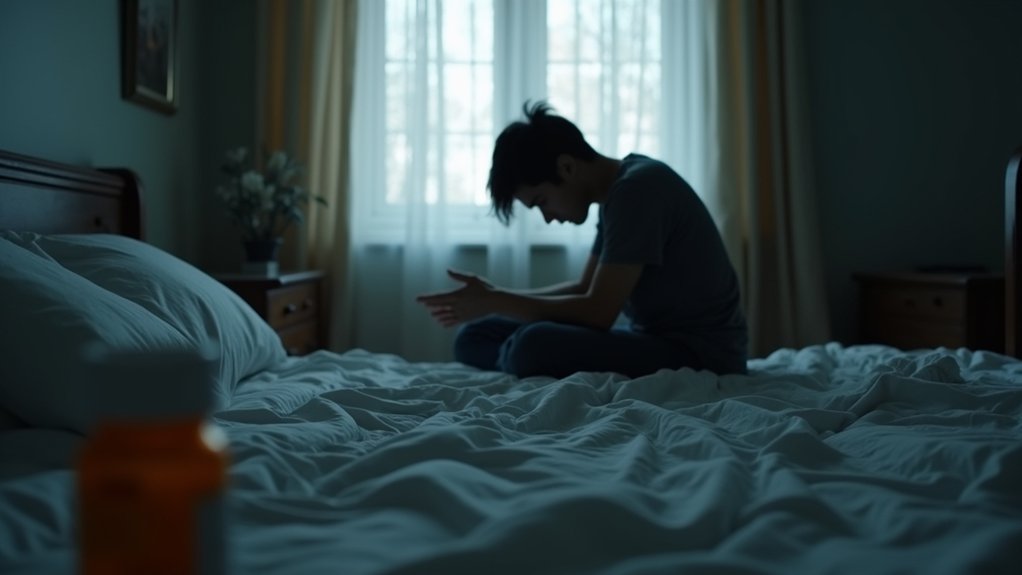
Recognizing the physical and mental toll of high-potency THC is the first step toward lasting recovery. Because cannabis dependency frequently co-occurs with mood disorders, trauma, or anxiety, our clinical team focuses on dual-diagnosis treatment. Through cognitive behavioral therapy (CBT), motivational interviewing, and psychiatric support, we treat both the underlying emotional triggers and the behavioral habituation to ensure a well-rounded path to healing.
THC pens often resemble regular nicotine vapes. Look out for key labeling and visual cues:
Edibles (including gummies) can be stronger and far less predictable:
| Effect Category | Symptoms / Manifestations |
| Short-Term Effects | • Relaxation, euphoria, or altered sensory perception • Reduced memory, attention, and reaction time • Poor coordination, acute anxiety, or rapid heartbeat |
| Frequent or High-Potency Use | • Tolerance: Needing larger amounts for the same effect • Dependence: Intense cravings and physical/emotional withdrawal • Mental Health: Persistent anxiety, depression, and severe sleep disruption • Psychiatric Symptoms: Paranoia, hallucinations, or acute psychosis • Physical Distress: Repeated severe vomiting (cannabinoid hyperemesis) |
| Observation | What to Look For |
| Signs Someone May Be Using High-Potency THC | • Presence of vape pens, cartridges, gummies, or strong sweet odors • Red eyes, slowed reaction times, poor memory, or lack of coordination • Unexplained anxiety, panic, paranoia, or sudden mood changes • Secrecy, declining motivation, skipping school/work, or withdrawing from others |
| Signs Dependence is Developing | • Daily, repeated, or escalating use beyond what was originally planned • Needing more to feel the same effect, or using just to feel “normal” • Trying to cut back or stop without success • Continuing use despite negative impacts on school, work, health, or relationships |

“I’m not trying to judge or punish you. Marijuana and THC vapes are much stronger than they used to be. I’ve noticed some changes, and I’m worried. Can we talk about how often you’re using?”
Call 911 immediately if the person:
| Action Step | Instructions |
| 1. Create a Safe Environment | Stay with them. Move them to a calm, quiet place away from harsh light or noise. |
| 2. Prevent Harm | Do not let them drive or leave alone. |
| 3. Inform Responders | Tell first responders exactly what was taken, including whether vapes or edibles were involved. |
You are not alone. Recovery and balance are possible, and specialized support for marijuana dependence and co-occurring mental health is available.
Changes Treatment Center is here to help you navigate the challenges of high-potency cannabis use. Our team is trained to support both recovery and mental health, so your family does not have to face this alone.
Recovery from cannabis dependence looks different for everyone, which is why we build customized treatment plans tailored to every client’s individual lifestyle and goals. Whether through residential care, intensive outpatient programs (IOP), or family therapy, our admissions specialists are available 24/7 to guide you through intake, insurance verification, and finding the right therapeutic path forward.

Eric Chaghouri, MD, is the Medical Director at Changes Treatment Center and reviews the clinical content on this page. Dr. Chaghouri is a board-certified psychiatrist who specializes in addiction and forensic psychiatry.
Recovery is more than stopping a behavior, it’s about rediscovering who you are. At Changes, we provide a supportive space where individuals can rebuild confidence, gain clarity, and move forward with purpose through personalized care.
We focus on strengthening identity, encouraging presence, and supporting overall well-being. By addressing self-sabotage and fostering community, we help turn intention into lasting change, walking with you every step of the way.
Our licensed professionals bring years of expertise in addiction and mental health treatment.
We customize treatment for every client to ensure long term success.
From detox to aftercare, Changes walks with you every step of the way.
Our Costa Mesa location offers a calming, bright, and rejuvenating atmosphere.
A Simple Path to a New Beginning with Changes
We understand that taking the first step toward recovery can feel overwhelming. Our admissions process is designed to be simple, confidential, and stress-free.
Fast, confidential coverage check to help you understand your benefits and available treatment options.
Personalized support to guide you through the process and answer any questions with clarity and care.
Start your path to a brighter future with structured support, expert care, and a plan built around you.
Take a moment to answer these questions honestly.
There are no right or wrong answers.
This assessment is not a medical diagnosis, but it can help you determine whether alcohol may be having a greater impact on your life than you realize.
In the past 12 months…
Developed by Patrick Conod, LCSW, and Cari Lawyer, CATC I, on behalf of the Changes Treatment Center Clinical Leadership Team.
A Self-Assessment for Family Members and Friends
Watching someone you love change because of alcohol can be confusing and heartbreaking. You may find yourself questioning what you’re seeing, wondering if you’re overreacting, or hoping things will get better on their own.
This assessment is designed to help you reflect on the behaviors you’ve noticed. It isn’t a diagnosis, but it may help you determine whether it’s time to seek guidance or support.
In the past 12 months…
Developed by Patrick Conod, LCSW, and Cari Lawyer, CATC I, on behalf of the Changes Treatment Center Clinical Leadership Team.
When we are struggling with deep stress, anxious thoughts, or a low mood, it is incredibly natural to look for immediate relief. Sometimes, we turn to alcohol or other substances just to quiet our minds, get some sleep, or feel normal for a night.
This short self-assessment is designed to help you pause and look at how these two parts of your life might be influencing each other. It is entirely anonymous and takes less than two minutes.
It’s common for habits to slowly shift over time, especially during stressful seasons. Often, we find ourselves using a substance to cope, unwind, or get through the day, only to realize it is starting to take up more space in our routine, thoughts, or relationships than we’d like.
This quick, 10-question check-in is a quiet space to reflect honestly on how your use is impacting your life. It is entirely anonymous, completely free of clinical judgment, and takes less than two minutes.
We all experience days when we feel down, exhausted, or just completely unmotivated. But when those heavy feelings start lingering, it can be hard to tell if you’re just going through a rough patch or if it’s something more.
This quick, confidential check-in is designed to help you pause and reflect on how you’ve actually been feeling lately. It is completely anonymous, entirely non-judgmental, and takes less than two minutes.
Is your evening glass of wine a harmless habit, or is it starting to catch up with you? It’s not always easy to tell where “social drinking” ends and “too much” begins.
Take this quick, 2-minute quiz to check in on your relationship with alcohol and get clear, personalized insights.