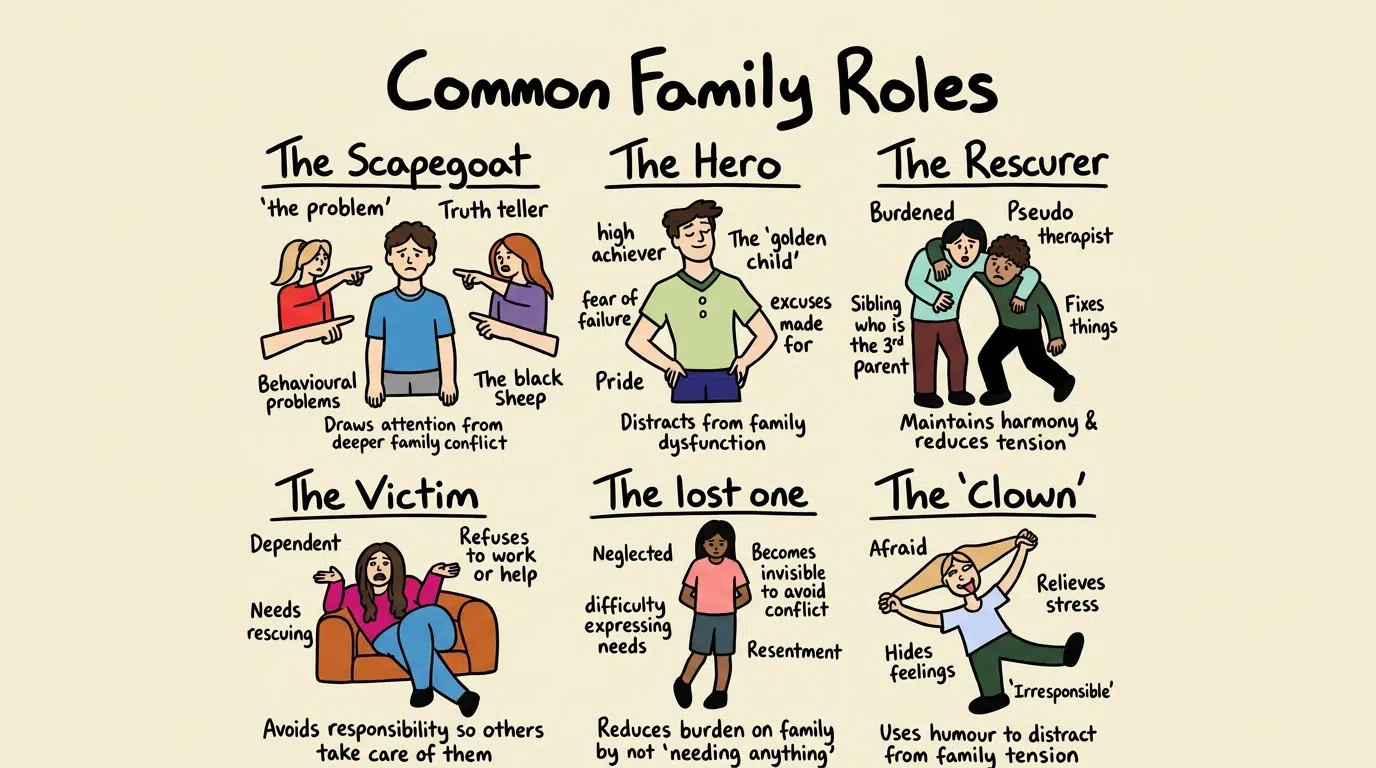
6 Common Family Roles in Addiction and How They Affect Recovery
Learn the six common family roles in addiction, including the hero, rescuer, scapegoat, lost one, clown, and victim, and how families can heal.

Explore articles, guidance, and real-world perspectives designed to support your journey. Our blog shares knowledge, tools, and inspiration to help you stay informed, engaged, and moving forward.

Learn the six common family roles in addiction, including the hero, rescuer, scapegoat, lost one, clown, and victim, and how families can heal.
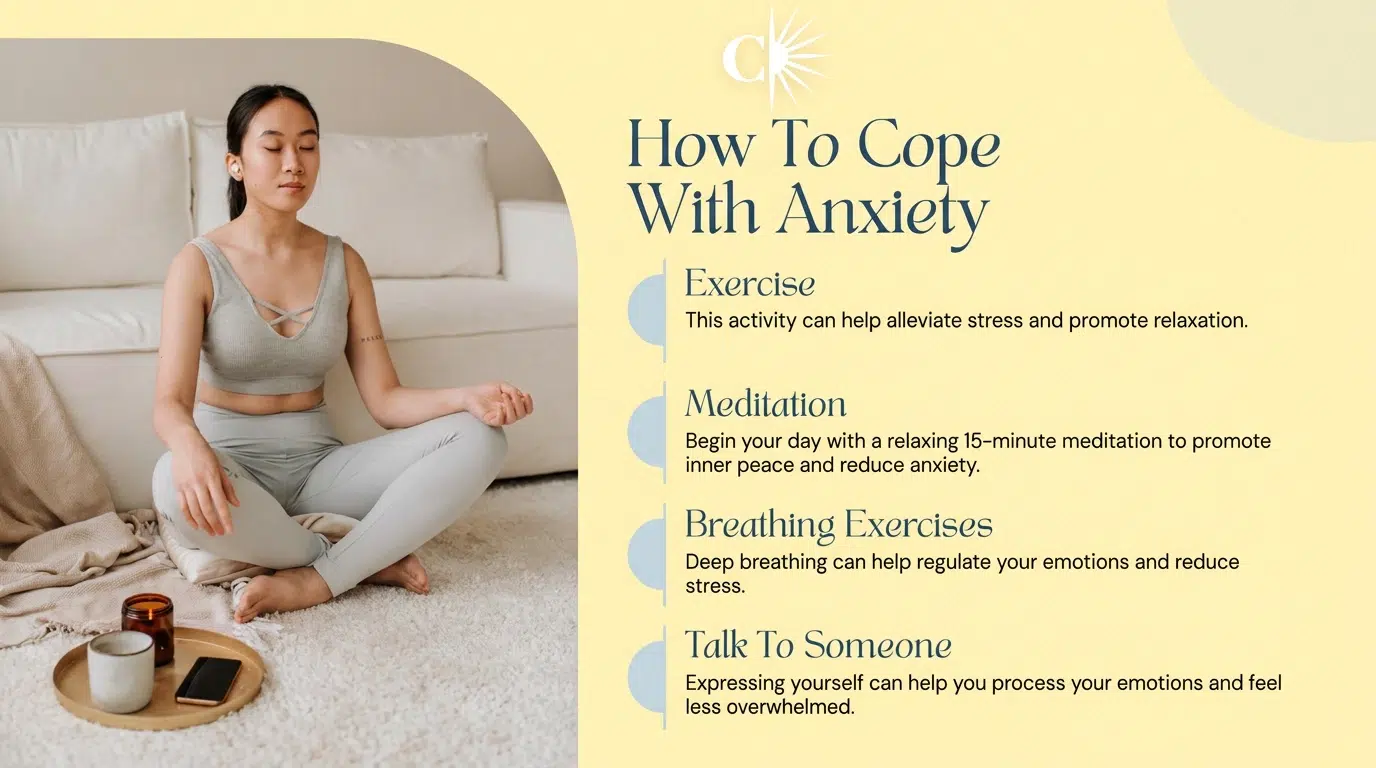
Learn how to cope with anxiety using exercise, meditation, breathing exercises, and support from others, plus when professional help may be needed.

Sobriety isn’t just not drinking. It’s doing the work, setting boundaries, managing stress, and reconnecting with yourself. See what it really involves, from Changes.
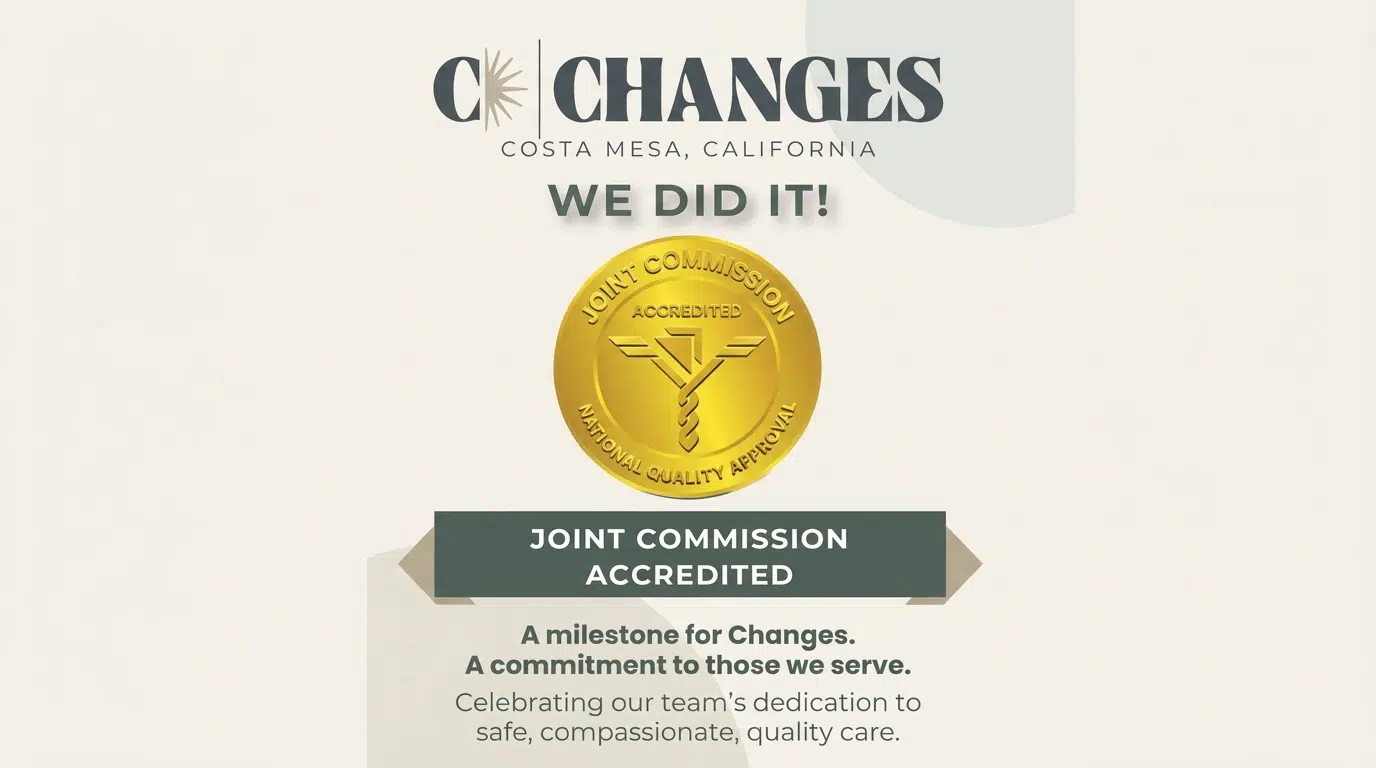
Changes Treatment Center is officially Joint Commission accredited, verifying our commitment to safe, high-quality, compassionate addiction and mental health care..
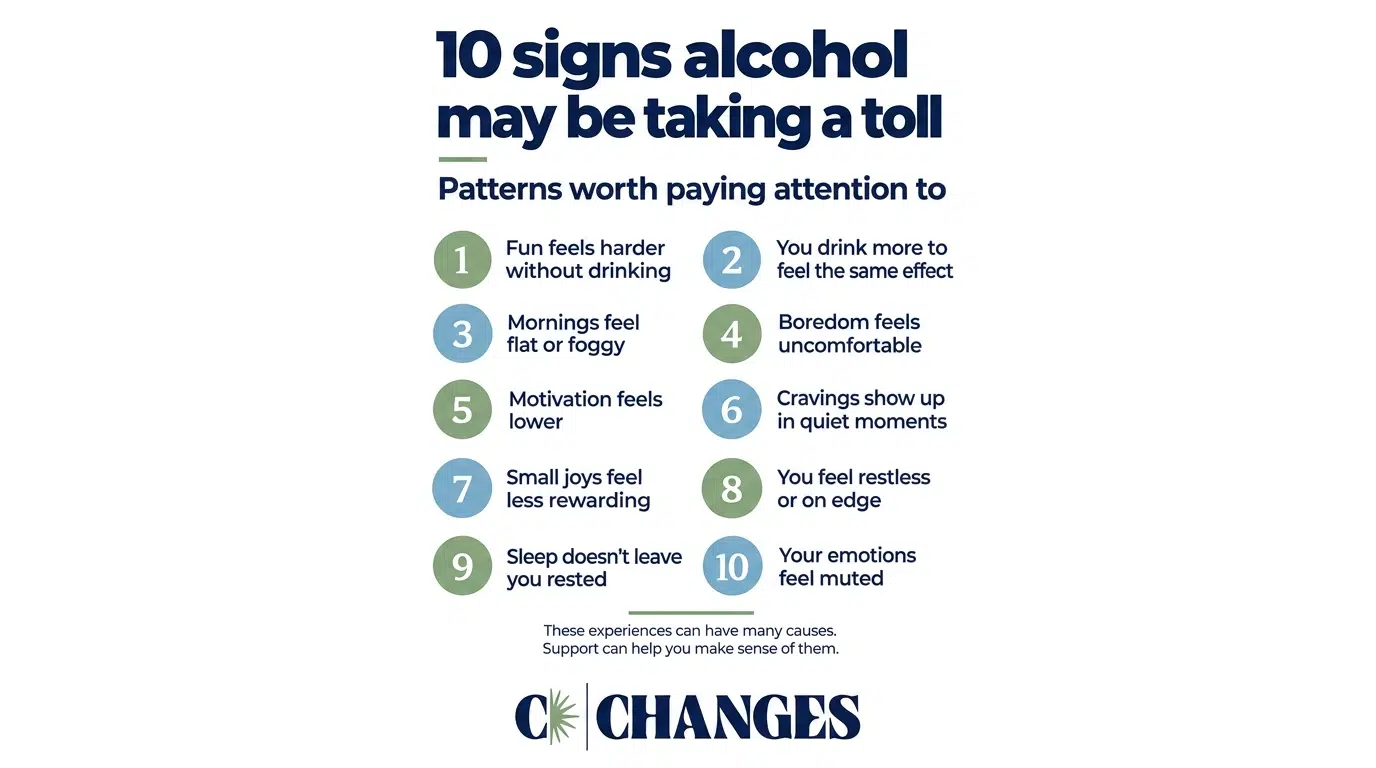
The signs alcohol is taking a toll are often subtle: foggy mornings, low motivation, muted joy. See all 10 patterns worth noticing, and how Changes can help.
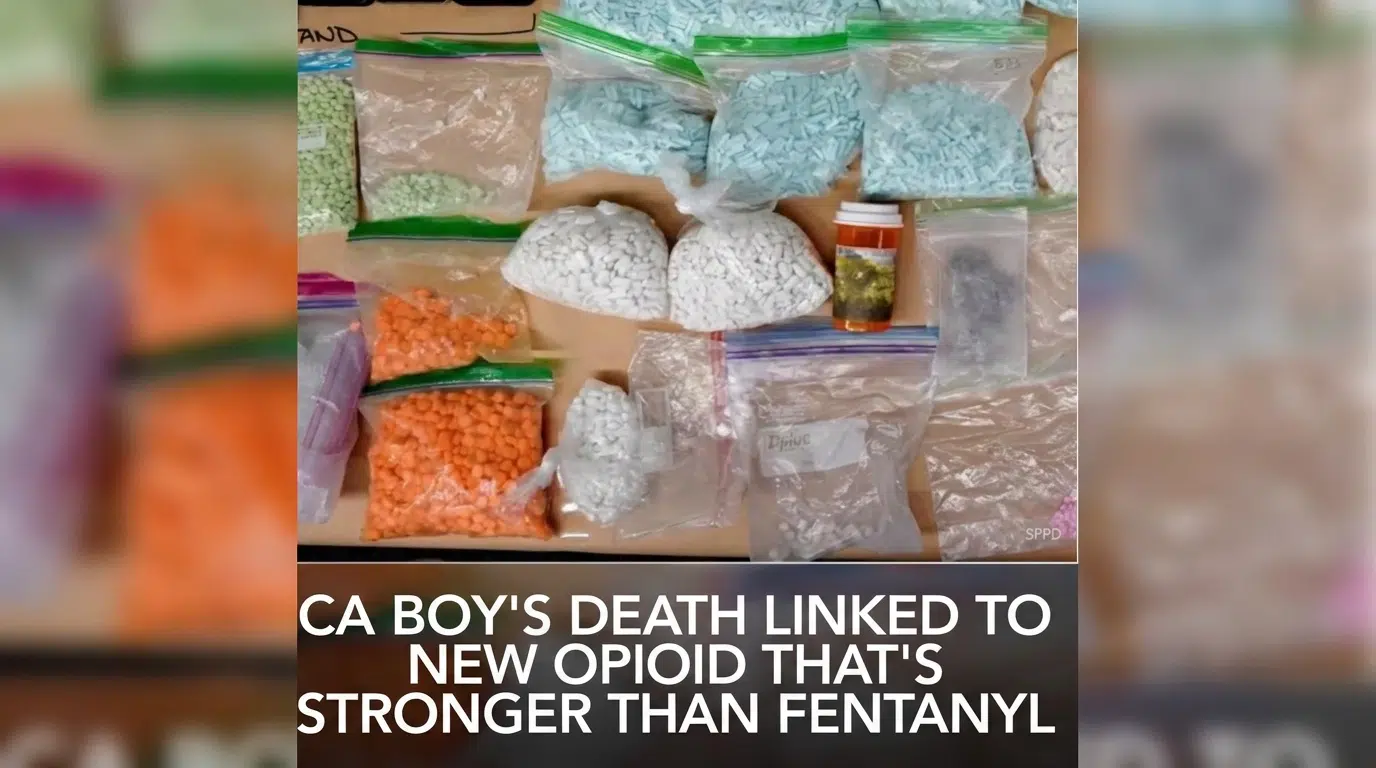
Cychlorphine is a new synthetic opioid officials say may be 10x stronger than fentanyl, hidden in fake pills and undetectable by test strips. What to know, from Changes.
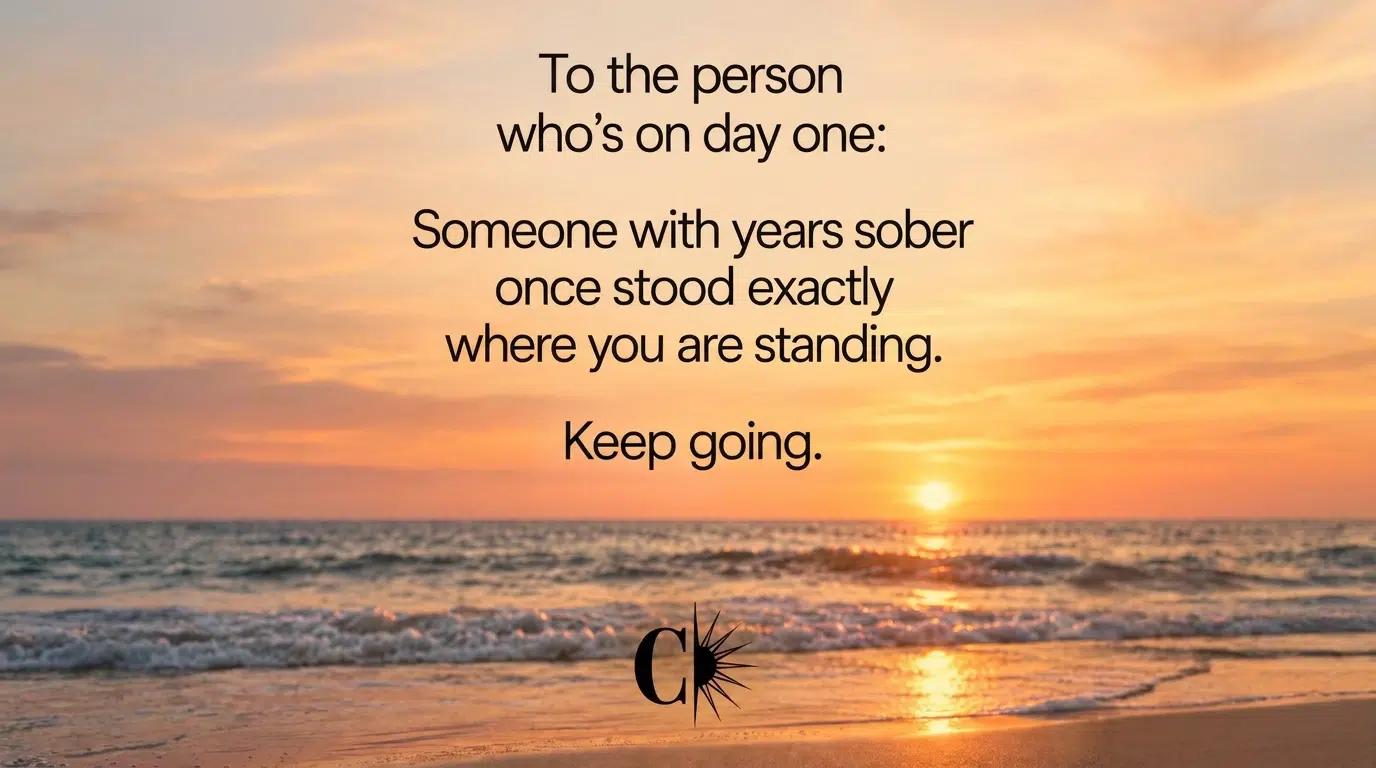
Day one of sobriety is the hardest and the bravest. Every person with years sober once stood where you are. Encouragement to keep going, from Changes in Costa Mesa.
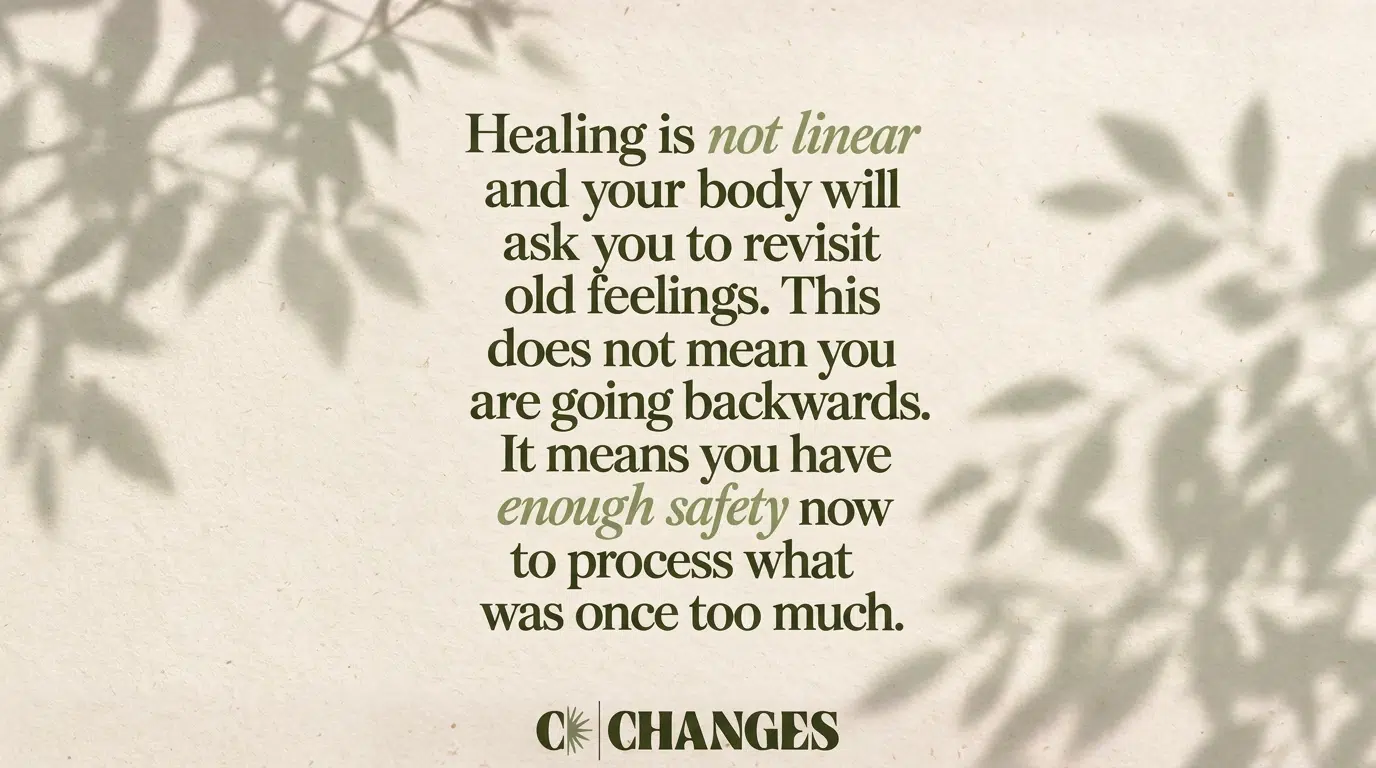
Healing is not linear. When old emotions resurface, it’s not going backward, it’s a sign of safety and growth. Learn why, and how Changes in Costa Mesa can help.

National Sober Day celebrates being alive, sober, and proud of it. Learn what the day means, why recovering out loud matters, and how Changes can help.
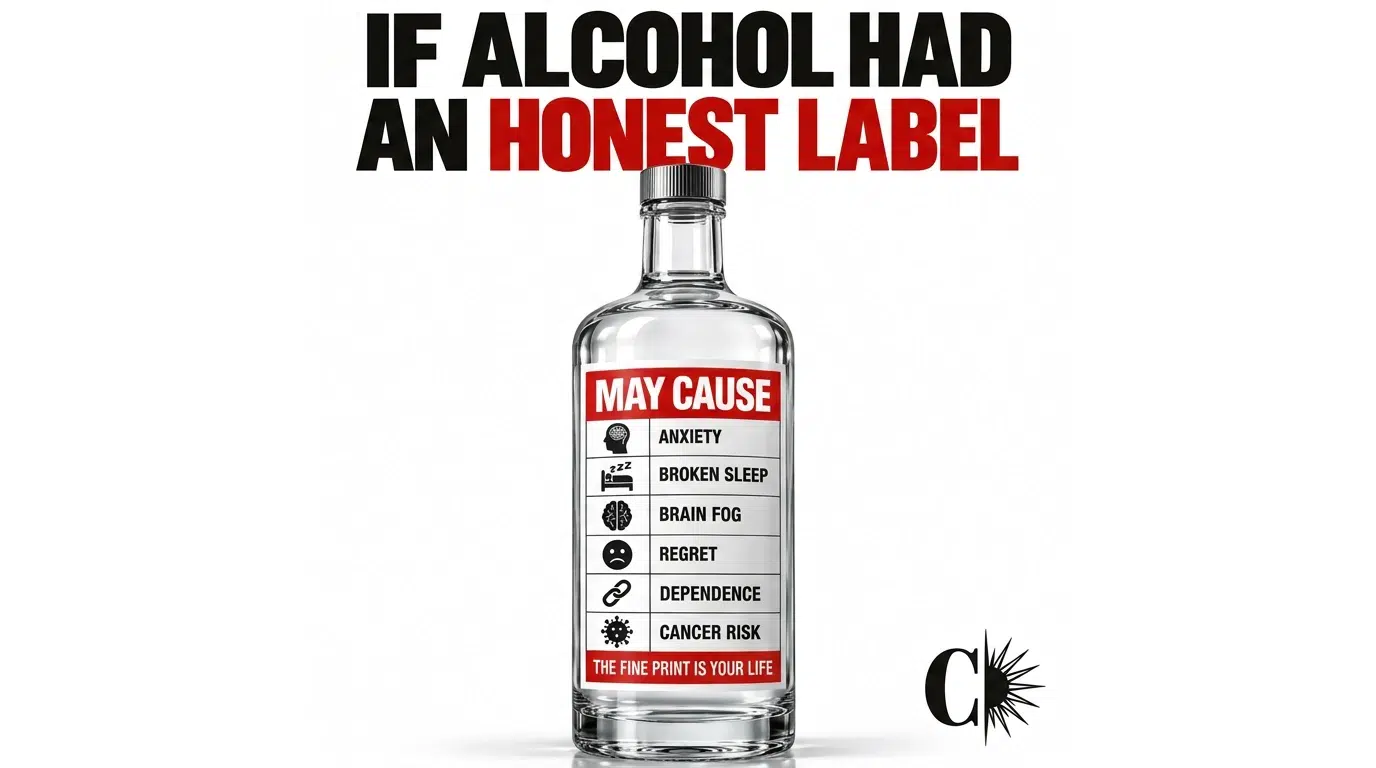
Anxiety, broken sleep, brain fog, dependence, cancer risk. See what alcohol’s honest label would say, backed by science, and how Changes can help.

Overdose relapse: practical steps families can take to keep a loved one safe and support their path to treatment.

Overdose recovery support: learn how to keep your loved one safe, connect them to treatment, and care for yourself.

Talk to a loved one about drug use with calm, caring words that open dialogue instead of pushing them away. Practical tips inside.

Stimulant overdose signs: learn the key warning signs like rapid heartbeat, overheating, and seizures so you can act fast and save a life.

Overdose risk: learn the warning signs and how to use naloxone to help a loved one and save a life.
Take a moment to answer these questions honestly.
There are no right or wrong answers.
This assessment is not a medical diagnosis, but it can help you determine whether alcohol may be having a greater impact on your life than you realize.
In the past 12 months…
Developed by Patrick Conod, LCSW, and Cari Lawyer, CATC I, on behalf of the Changes Treatment Center Clinical Leadership Team.
A Self-Assessment for Family Members and Friends
Watching someone you love change because of alcohol can be confusing and heartbreaking. You may find yourself questioning what you’re seeing, wondering if you’re overreacting, or hoping things will get better on their own.
This assessment is designed to help you reflect on the behaviors you’ve noticed. It isn’t a diagnosis, but it may help you determine whether it’s time to seek guidance or support.
In the past 12 months…
Developed by Patrick Conod, LCSW, and Cari Lawyer, CATC I, on behalf of the Changes Treatment Center Clinical Leadership Team.
When we are struggling with deep stress, anxious thoughts, or a low mood, it is incredibly natural to look for immediate relief. Sometimes, we turn to alcohol or other substances just to quiet our minds, get some sleep, or feel normal for a night.
This short self-assessment is designed to help you pause and look at how these two parts of your life might be influencing each other. It is entirely anonymous and takes less than two minutes.
It’s common for habits to slowly shift over time, especially during stressful seasons. Often, we find ourselves using a substance to cope, unwind, or get through the day, only to realize it is starting to take up more space in our routine, thoughts, or relationships than we’d like.
This quick, 10-question check-in is a quiet space to reflect honestly on how your use is impacting your life. It is entirely anonymous, completely free of clinical judgment, and takes less than two minutes.
We all experience days when we feel down, exhausted, or just completely unmotivated. But when those heavy feelings start lingering, it can be hard to tell if you’re just going through a rough patch or if it’s something more.
This quick, confidential check-in is designed to help you pause and reflect on how you’ve actually been feeling lately. It is completely anonymous, entirely non-judgmental, and takes less than two minutes.
Is your evening glass of wine a harmless habit, or is it starting to catch up with you? It’s not always easy to tell where “social drinking” ends and “too much” begins.
Take this quick, 2-minute quiz to check in on your relationship with alcohol and get clear, personalized insights.