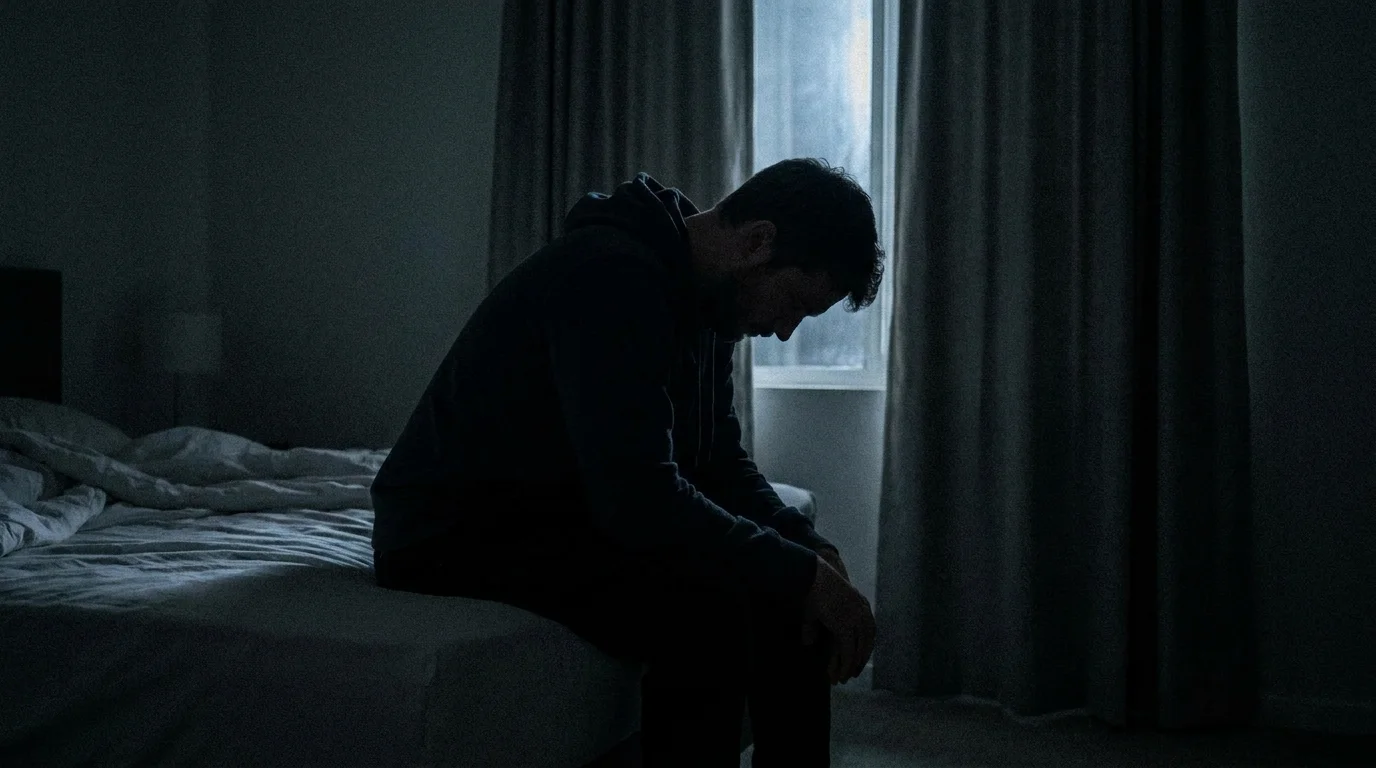
What to Do If You Relapse After Treatment?
Understand why relapse doesn’t mean failure, and discover the critical first step most people skip that changes everything.
Explore articles, guidance, and real-world perspectives designed to support your journey. Our blog shares knowledge, tools, and inspiration to help you stay informed, engaged, and moving forward.

Understand why relapse doesn’t mean failure, and discover the critical first step most people skip that changes everything.

Get the step-by-step relapse prevention framework most people never learn, before your next high-risk moment catches you off guard.

Feeling irritable, isolated, or nostalgic about past use could signal something deeper, learn the hidden stages before it’s too late.

Most people relapse within 30 days of leaving treatment, but a solid aftercare plan changes everything, here’s what you need.

Relapse happens because substance use changes your brain. Learn the triggers and proven strategies to lower your risk and protect your recovery.

Cravings and triggers in recovery: learn practical steps to manage urges, avoid relapse, and stay in control of your recovery.

Working while in an IOP is possible. Learn how flexible scheduling fits treatment around your job with 9 to 15 hours weekly across 3 to 5 days.

PHP to IOP transition: learn how step-down care reduces your hours while keeping clinical support and protecting your recovery progress.

7-OH tablets explained: learn what they are, how they’re sold, and why potency, labeling, and safety concerns matter before use.

7-OH vs. kratom: Learn the key differences in potency, effects, metabolism, risks, and why concentrated 7-OH is not the same as kratom.

Is 7-OH legal? Learn the key federal and state rules affecting 7-OH products, supplements, foods, and kratom legality.

7-OH stronger than kratom? Learn potency differences and compare alkaloid levels, product types, and serving sizes to better assess risk.

Does gabapentin get you high? Learn its effects, misuse risks, and when sedation or intoxication may signal danger.

Is gabapentin a narcotic? Learn its drug class, controlled status, misuse risks, and key safety concerns with opioids, alcohol, or sedatives.

Can you get addicted to gabapentin? Learn risks, warning signs, withdrawal, and why a clinician-guided taper matters.
Take a moment to answer these questions honestly.
There are no right or wrong answers.
This assessment is not a medical diagnosis, but it can help you determine whether alcohol may be having a greater impact on your life than you realize.
In the past 12 months…
Developed by Patrick Conod, LCSW, and Cari Lawyer, CATC I, on behalf of the Changes Treatment Center Clinical Leadership Team.
A Self-Assessment for Family Members and Friends
Watching someone you love change because of alcohol can be confusing and heartbreaking. You may find yourself questioning what you’re seeing, wondering if you’re overreacting, or hoping things will get better on their own.
This assessment is designed to help you reflect on the behaviors you’ve noticed. It isn’t a diagnosis, but it may help you determine whether it’s time to seek guidance or support.
In the past 12 months…
Developed by Patrick Conod, LCSW, and Cari Lawyer, CATC I, on behalf of the Changes Treatment Center Clinical Leadership Team.
When we are struggling with deep stress, anxious thoughts, or a low mood, it is incredibly natural to look for immediate relief. Sometimes, we turn to alcohol or other substances just to quiet our minds, get some sleep, or feel normal for a night.
This short self-assessment is designed to help you pause and look at how these two parts of your life might be influencing each other. It is entirely anonymous and takes less than two minutes.
It’s common for habits to slowly shift over time, especially during stressful seasons. Often, we find ourselves using a substance to cope, unwind, or get through the day, only to realize it is starting to take up more space in our routine, thoughts, or relationships than we’d like.
This quick, 10-question check-in is a quiet space to reflect honestly on how your use is impacting your life. It is entirely anonymous, completely free of clinical judgment, and takes less than two minutes.
We all experience days when we feel down, exhausted, or just completely unmotivated. But when those heavy feelings start lingering, it can be hard to tell if you’re just going through a rough patch or if it’s something more.
This quick, confidential check-in is designed to help you pause and reflect on how you’ve actually been feeling lately. It is completely anonymous, entirely non-judgmental, and takes less than two minutes.
Is your evening glass of wine a harmless habit, or is it starting to catch up with you? It’s not always easy to tell where “social drinking” ends and “too much” begins.
Take this quick, 2-minute quiz to check in on your relationship with alcohol and get clear, personalized insights.