

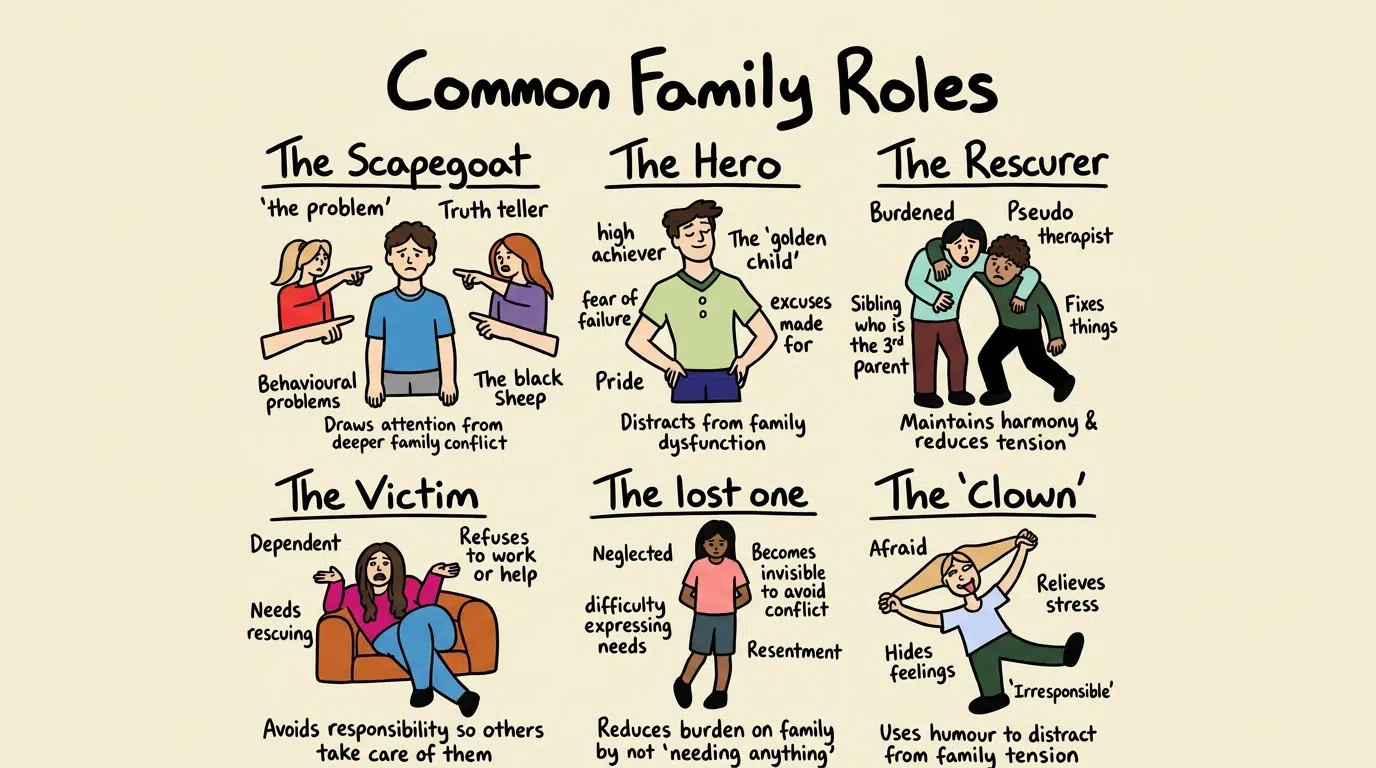



To get into addiction treatment, you’ll start by recognizing signs like failed attempts to quit, growing tolerance, and declining daily functioning. Next, call a rehab admissions team to verify staff credentials, confirm insurance coverage, and understand costs. You’ll then complete an intake assessment covering medical screening, mental health evaluation, and ASAM placement criteria. From there, you’ll enter detox if needed and begin building a personalized recovery plan. Each step below breaks down exactly what to expect along the way. When exploring how to talk to a loved one about going to rehab, it’s important to approach the conversation with empathy and understanding. Use open-ended questions to encourage dialogue, and express your concerns without judgment. It’s also helpful to have information ready on local treatment options and support resources to guide them toward professional help.
Recognize the Signs You Need Addiction Treatment

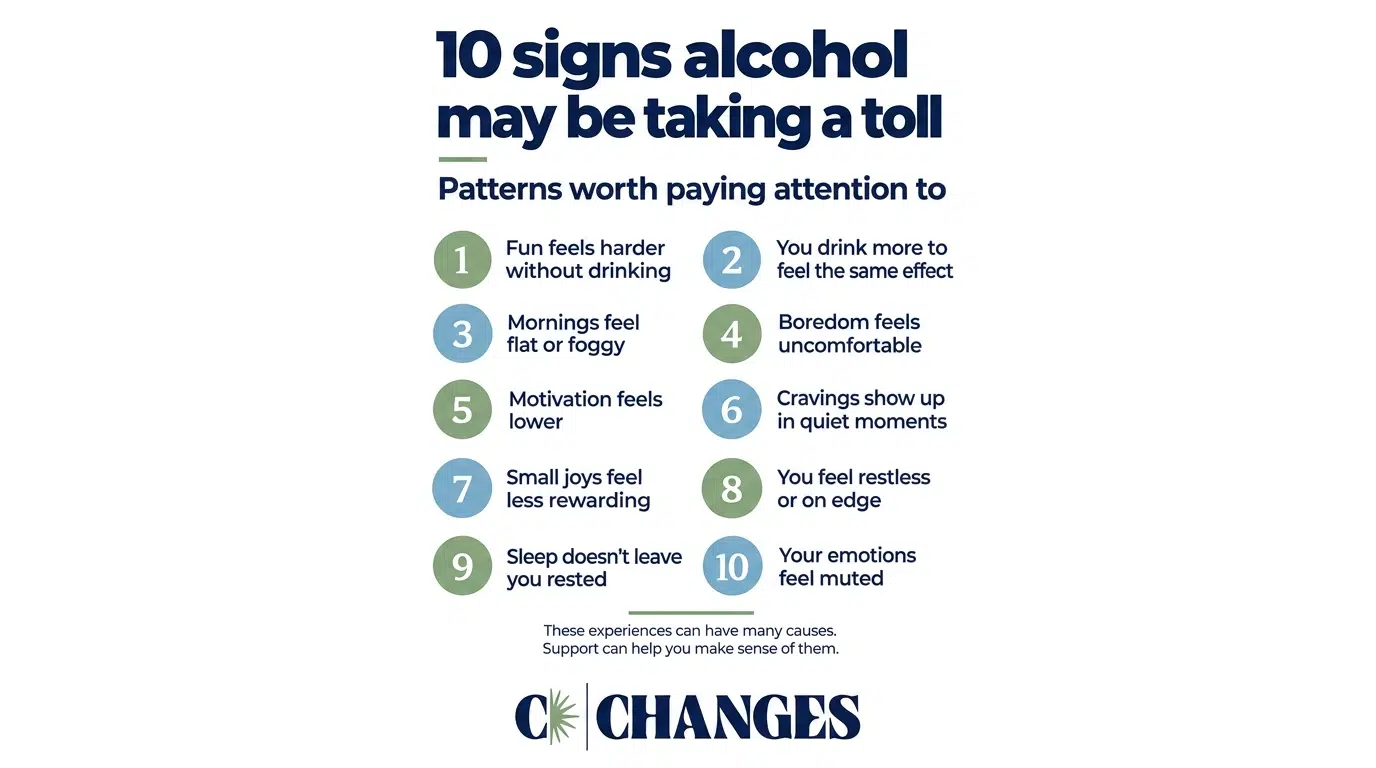
How do you know when substance use has crossed the line from a bad habit into something that requires professional help? Watch for these clinical indicators: you’re using larger amounts than intended, you’ve failed repeatedly to quit, and you’re experiencing tolerance or withdrawal symptoms like nausea, sweating, or shaking.
Behavioral red flags include neglecting work, school, or family obligations and withdrawing from relationships you once valued. You might notice increased secrecy, mood swings, or using in dangerous situations like driving. When substance use becomes the central focus of your life, overshadowing hobbies, interests, and the people around you, it’s a clear signal that professional intervention is needed.
If these signs resonate, don’t let practical concerns stall your next step. Many people wonder, “does insurance cover addiction treatment?” In most cases, yes. Treatment centers typically verify your coverage directly, so cost shouldn’t prevent you from seeking help.
Make Sure You’re Ready to Start Rehab
Recognizing the signs of addiction is one thing, deciding you’re actually ready to enter rehab is another. Readiness involves honestly evaluating whether your current circumstances demand professional intervention.
| Readiness Indicator | What It Means |
|---|---|
| Failed outpatient attempts | You need a higher level of care |
| Recurring relapse cycles | Willpower alone isn’t sufficient |
| Co-occurring mental health issues | Dual-diagnosis treatment is necessary |
| Escalating tolerance | Physical dependence has developed |
| Daily functioning decline | Substance use controls your life |
If you meet several indicators, you’re likely ready. Before committing, verify your rehab cost and insurance coverage, most facilities handle insurance verification directly, removing financial uncertainty from the equation. Don’t let logistics delay your decision. Remember that addiction is a treatable disorder, not a moral failing, so seeking professional help is a positive and proactive step forward.
Call a Rehab Admissions Team and Ask These Questions

When you finally pick up the phone to call a rehab admissions team, knowing exactly what to ask transforms a nerve-wracking conversation into a productive one. Start by confirming staff credentials, ask whether the program employs MDs, LCSWs, psychiatrists, and clinicians experienced with co-occurring disorders like anxiety, depression, or PTSD.
Next, ask about insurance for rehab. Most admissions teams verify coverage directly with your provider, clarifying out-of-pocket costs before you commit. Some programs may even be covered up to 100% depending on your insurance plan and the facility’s accepted policies. Then dig into treatment specifics: What evidence-based therapies are offered? How are treatment plans customized? What does discharge planning look like?
Finally, ask about program start timing. Some facilities can admit you within days; others require one to two weeks. Confirm whether support’s available during any waiting period.
Check Your Insurance and Know What Rehab Costs
Before you commit to a program, it’s worth understanding exactly what your insurance covers, and what you’ll pay out of pocket. Under the Affordable Care Act, addiction treatment is classified as an essential health benefit, meaning most plans can’t deny coverage or impose lifetime dollar limits on substance use disorder services. To ensure that you receive the necessary care, it’s crucial to ask your provider does insurance cover addiction treatment as different plans may have varying policies. Additionally, some facilities may require you to provide insurance information upfront to determine your coverage options. Being informed about the specifics can help you avoid unexpected expenses during your recovery journey.
Coverage levels vary greatly. Marketplace plans range from 60% (Bronze) to 90% (Platinum), and high deductibles may apply before benefits activate. Medicare covers inpatient, outpatient, and medication-assisted treatment, though specific exclusions exist.
Understanding how to use insurance for treatment starts with verification. Most admissions teams contact your insurer directly, confirm your benefits, and outline cost-sharing details so you aren’t blindsided. This step eliminates financial uncertainty and keeps momentum toward entering care.
Complete the Intake Assessment at Your Treatment Center

Once your insurance is verified and the financial picture is clear, the next step is the intake assessment, a structured clinical evaluation that shapes your entire treatment plan. This process typically lasts 90 minutes to two hours and covers substance use history, mental health screening, and medical evaluations including lab work.
| Assessment Area | What’s Evaluated | Why It Matters |
|---|---|---|
| Medical Screening | Blood work, urine analysis, health indicators | Identifies detox needs and health risks |
| Mental Health | Depression, anxiety, trauma history | Over 80% have co-occurring disorders |
| ASAM Dimensions | Withdrawal risk, relapse potential, recovery environment | Determines appropriate care level |
Your clinician will use these findings to recommend the right placement, whether that’s residential care or IOP. Insurance coverage details confirmed earlier help streamline this shift into active treatment.
Pick the Right Level of Addiction Treatment
Not every addiction looks the same, so your treatment shouldn’t either, the ASAM Criteria uses six clinical dimensions, including withdrawal risk, mental health status, and recovery environment, to match you with the right level of care. Options range from outpatient services at fewer than nine hours per week to medically managed inpatient programs with around-the-clock supervision. Your intake assessment helps determine where you fall on this continuum so you can start treatment at the intensity that gives you the strongest foundation for recovery.
Understanding Care Level Options
Because addiction affects each person differently, treatment isn’t a one-size-fits-all process, it’s a continuum of care with distinct levels designed to match the right intensity to your specific needs.
The ASAM framework establishes five primary levels. Level 0.5 covers early intervention and screening. Level 1 outpatient services offer up to nine hours weekly, letting you maintain daily responsibilities. Level 2 includes intensive outpatient and partial hospitalization programs, PHP insurance coverage often applies here, making 20+ weekly hours of structured programming accessible. Level 3 residential treatment provides 24-hour supervision for 30 to 90 days.
Your clinical assessment determines where you enter this continuum, and you can shift between levels as your needs evolve. This flexibility guarantees you’re always receiving treatment that’s appropriately calibrated to your recovery progress.
Matching Severity to Treatment
- High withdrawal risk → medically monitored detox with 24/7 supervision
- Severe psychological distress → residential treatment offering structured, round-the-clock support
- Co-occurring anxiety or trauma → intensive outpatient integrating dual-diagnosis programming
- Strong motivation with stable housing → standard outpatient at 1, 2 hours weekly
- Low readiness for change → residential settings that build engagement before stepping down
Mismatched placement drives relapse or disengagement. Accurate severity matching improves safety, retention, and long-term recovery outcomes.
Know What to Expect in Your First Week of Rehab
Walking through the doors of a treatment facility for the first time can stir up intense emotions, fear, uncertainty, even relief, but knowing what each day holds takes much of that anxiety away.
During days one and two, you’ll complete a full psychosocial assessment, medical screening, and drug and alcohol testing. Your treatment team assigns a primary counselor who builds your individualized plan. If detox is needed, days two through three focus on medically supervised withdrawal management with around-the-clock monitoring, hydration, and rest.
Build a Recovery Plan Before You Leave Treatment
Your recovery plan should include:
A strong recovery plan is your roadmap, turning intention into action, one structured step at a time.
- Identified triggers and warning signs, document high-risk people, places, and emotional states that elevate relapse vulnerability
- Realistic short- and long-term goals, from weekly therapy attendance to vocational stability
- Coping strategies, mindfulness, self-soothing techniques, and daily self-care routines
- A defined support network, sponsors, sober contacts, and emergency resources
- Structured daily routines, scheduled meetings, hobbies, and accountability check-ins
Prevent Relapse With Aftercare and Peer Support
Recovery doesn’t end when you leave treatment, it’s sustained through the aftercare programs, peer support networks, and relapse prevention skills you actively maintain. By connecting with sponsors, alumni groups, and ongoing therapy, you build a foundation that helps you navigate triggers and high-risk situations with confidence. Engaging in structured aftercare, whether through outpatient counseling, sober living, or mutual support groups like SMART Recovery, keeps you accountable and connected to the resources that protect your sobriety long-term. Understanding what to do to prevent relapse is crucial for sustaining your progress. Engaging in regular self-reflection, identifying personal triggers, and developing coping strategies can greatly bolster your resilience. Additionally, setting achievable goals and celebrating your milestones can help reinforce your commitment to a healthy and fulfilling life.
Build Your Support Network
Because lasting sobriety depends on more than willpower alone, building a strong support network is one of the most effective steps you can take to prevent relapse after treatment ends. Whether your blue cross rehab coverage connects you with outpatient counseling or peer recovery groups, these relationships provide accountability and emotional resilience when challenges arise.
Consider integrating these key components into your network:
- Professional support through licensed therapists, case managers, and recovery coaches offering structured guidance
- Peer groups like AA, NA, or SMART Recovery where shared experiences reduce isolation
- Family involvement with clear boundaries and open communication channels
- Sober mentors or sponsors providing direct accountability through regular contact
Each connection strengthens your foundation for sustained recovery.
Develop Relapse Prevention Skills
While a strong support network provides the relational foundation for recovery, you’ll also need practical, internalized skills to navigate the moments when cravings hit and no one else is around. Relapse prevention starts with identifying your personal triggers, specific people, places, emotions, or situations that spark cravings, and building targeted coping responses.
Through cognitive behavioral therapy, you’ll learn to reframe negative thought patterns and practice stress management techniques like mindfulness-based relaxation. Create a personalized relapse prevention plan that outlines warning signs, high-risk scenarios, and concrete actions you’ll take. Treat this as a living document you refine over time.
Many programs covered through Cigna addiction treatment plans include aftercare planning that reinforces these skills post-discharge. Track your emotions daily, practice role-playing exercises, and maintain structured routines to form healthier neural pathways.
Engage In Aftercare Programs
Once you’ve built a solid relapse prevention toolkit, the next critical step is connecting those skills to a sustained aftercare program that keeps you accountable long after discharge. Your treatment team will develop a personalized aftercare plan during rehab, identifying the resources you’ll need for lasting recovery. Many individuals leverage their UnitedHealthcare rehab benefits to cover outpatient counseling and structured aftercare services.
- Step down to outpatient programs for continued individual and group counseling sessions.
- Join alumni programs that foster peer support and long-term community engagement.
- Transition to sober living homes providing structured, substance-free environments.
- Attend 12-Step meetings like AA for ongoing accountability and connection.
- Engage for at least one year post-treatment, modifying your plan as your recovery goals evolve.
Reach Out Today and Reclaim Your Life
Real change becomes possible the moment you choose to ask for help and the right team makes all the difference in what comes next. At Changes Treatment Center in Costa Mesa, CA, our Therapy program is shaped around your individual path, supporting you as you create lasting stability, reconnect with your inner strength, and step ahead with new hope. Call (949) 807-2008 today and take the first step toward lasting change.
Frequently Asked Questions
Can I Bring My Phone, Laptop, or Personal Electronics to Rehab?
Most rehab facilities restrict or ban personal electronics like phones, laptops, and smartwatches during treatment. You’ll likely have your devices collected at admission, especially during your first few weeks, to support your adjustment to sobriety. Some programs offer supervised access or scheduled phone privileges later. You should contact your chosen facility directly to confirm their specific policies. Consider leaving valuables with family and relying on facility-provided phones and letters to stay connected.
Will My Employer Be Notified if I Enter Addiction Treatment?
No, your employer won’t be notified if you enter addiction treatment. Federal laws like HIPAA and 42 CFR Part 2 provide the strongest confidentiality protections in healthcare, preventing treatment centers from confirming or denying your presence without your explicit written consent. You’re also not legally required to disclose your reason for leave, simply stating “medical leave” is sufficient. FMLA and ADA further safeguard your job and protect against discrimination.
Can I Visit Family Members or Have Visitors During Residential Treatment?
Yes, most residential treatment centers allow visitation, though you’ll encounter specific guidelines. You typically won’t receive visitors during detox or initial blackout periods while you’re acclimating. Once your treatment team determines it’s clinically appropriate, you’ll enjoy scheduled visits, usually on designated days with approved family members. Facilities require advance scheduling, ID verification, and security screening. As you progress in recovery, you’ll generally earn extended visitation hours and more frequent contact with loved ones.
What Happens if I Leave Addiction Treatment Before Completing the Program?
Leaving treatment early puts you at serious risk. You face dangerous withdrawal complications like seizures and delirium tremens, rapid tolerance loss that increases overdose potential, and unresolved mental health issues. You’re also more likely to relapse quickly, encounter legal consequences, and struggle with insurance coverage for future treatment. If you’re feeling uncertain, talk with your clinical team, they’ll help address your concerns and adjust your treatment plan accordingly.
Are Medications I Currently Take for Other Conditions Allowed During Rehab?
Most rehab programs allow medications for chronic conditions like diabetes, blood pressure, asthma, and mental health disorders, including antidepressants and mood stabilizers. However, they’ll restrict medications with abuse potential, such as opioids, sedatives, and certain stimulants. You’ll want to share your prescription documentation before admission so the medical team can conduct a medication interaction assessment and incorporate approved medications into your individualized treatment plan alongside therapy and behavioral interventions.