

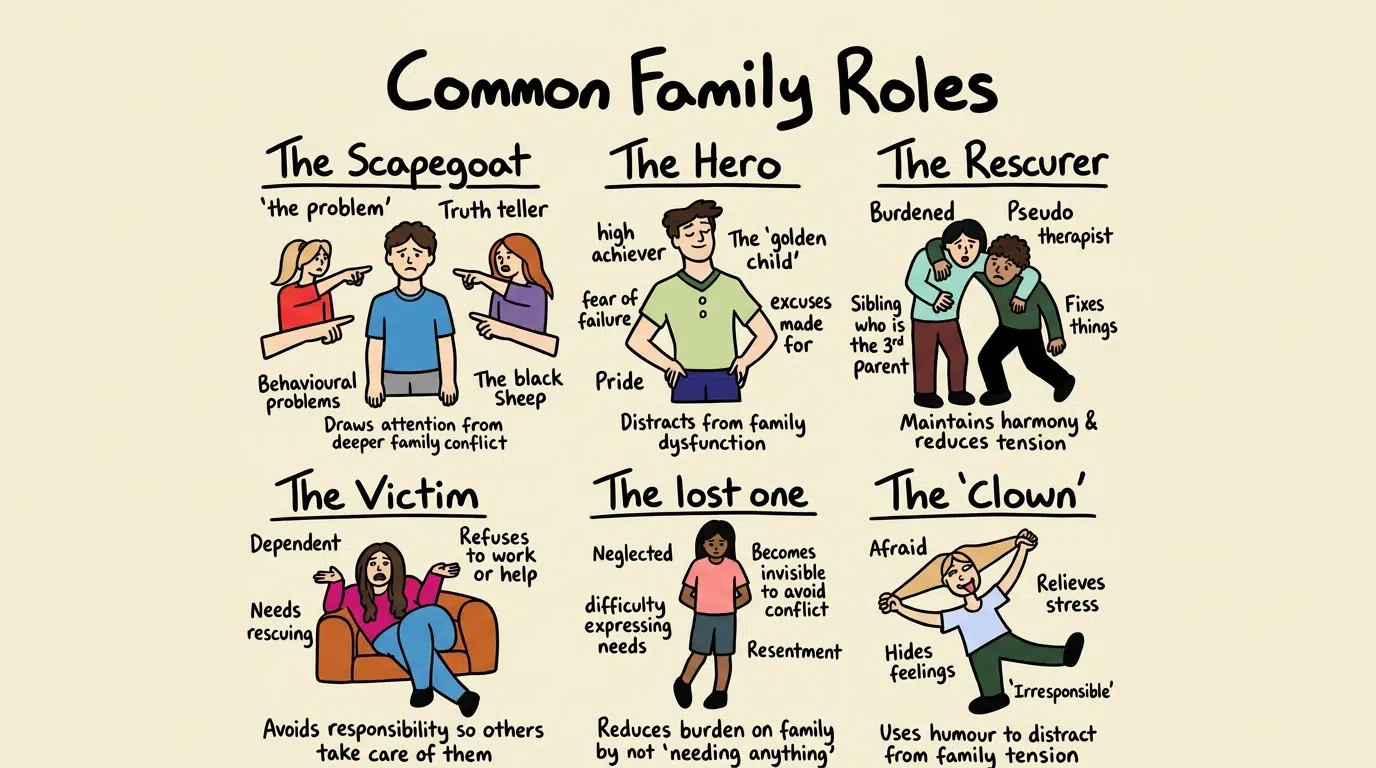



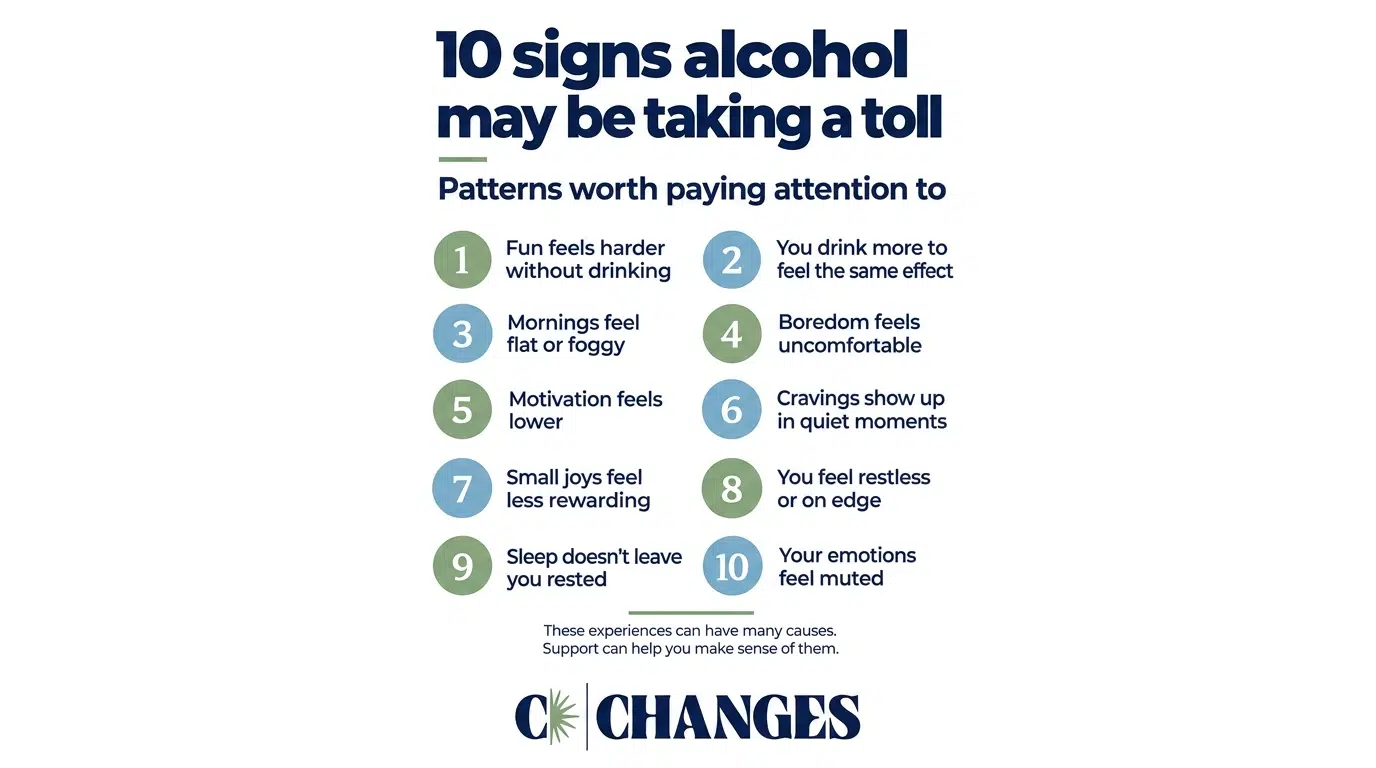

Self-sabotage in addiction recovery often shows up as subtle, everyday patterns, skipping therapy, isolating from support, or convincing yourself your addiction wasn’t serious. These behaviors are frequently driven by unconscious beliefs about unworthiness and a brain that’s been neurologically rewired by substance use. You can start breaking the cycle by tracking your emotional triggers, challenging negative self-talk, and building structured routines that reduce vulnerability. Understanding why these patterns take hold is the first step toward dismantling them. Understanding why drugs make you addicted can shed light on the mechanisms at play in your brain, revealing how substances hijack your natural reward system. This knowledge empowers you to recognize the triggers and cravings that fuel your dependency.
What Self-Sabotage Actually Looks Like in Recovery
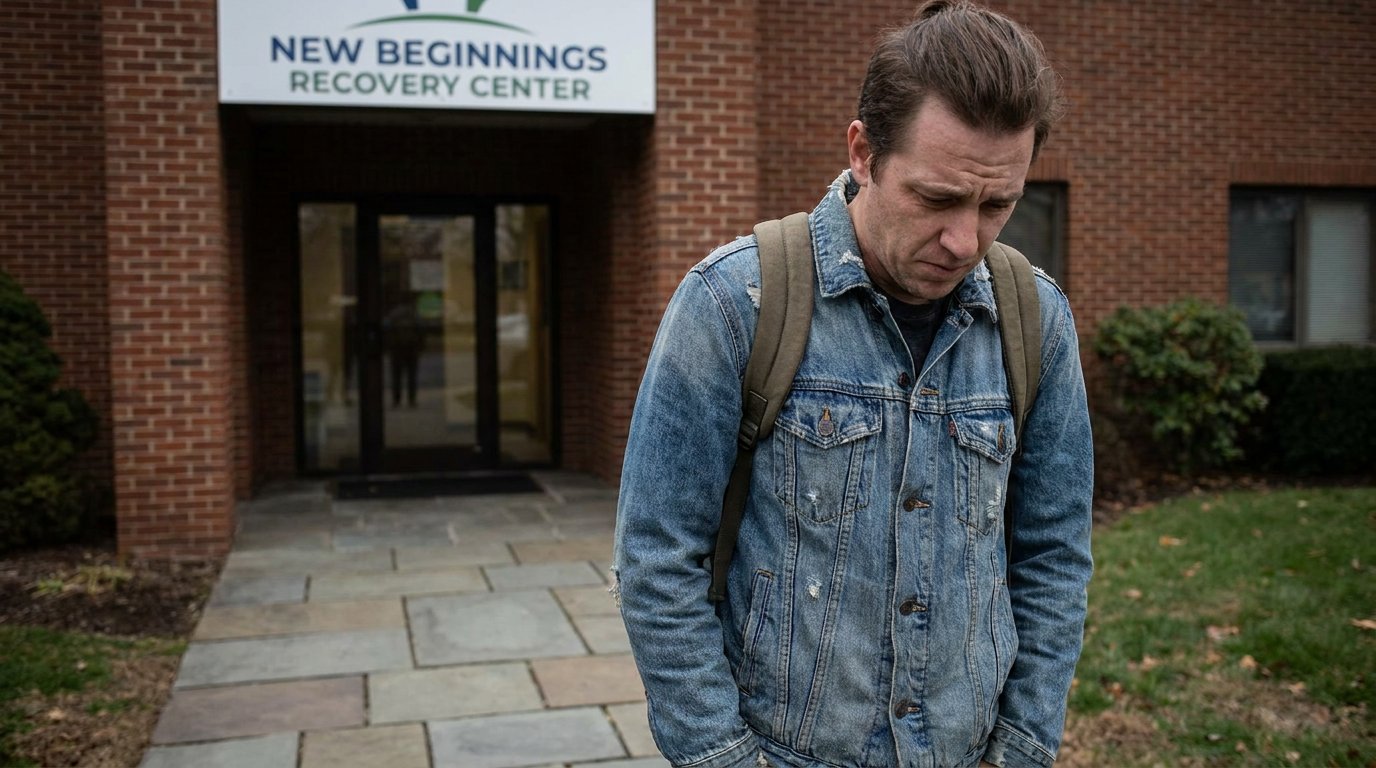
Self-sabotage in recovery doesn’t always look dramatic, it often shows up in subtle, everyday behaviors that quietly erode the progress you’ve worked hard to build. You might skip a therapy session, convince yourself one drink won’t hurt, or pull away from the people supporting you, especially when things are going well.
These patterns include negative self-talk, returning to high-risk environments, downplaying your addiction’s severity, and resisting treatment you genuinely need. Often, they’re driven by unconscious beliefs about unworthiness rather than deliberate choices. At its core, addiction itself is a form of self-sabotage, often stemming from deep-seated psychological issues and an unconscious attempt to manage internal conflict and pain.
Recognizing these behaviors is essential. When paired with holistic recovery therapies like CBT, DBT, and motivational interviewing, you can interrupt self-sabotaging patterns before they escalate, and build a recovery that actually holds.
Why Your Brain Is Wired to Undermine Your Recovery
Even when you’re fully committed to recovery, your brain may be working against you, not out of weakness, but because addiction has physically changed how it functions. Chronic substance use floods your brain with dopamine, eventually dulling its natural reward system. Everyday sources of motivation, relationships, exercise, accomplishments, can’t compete, leaving you vulnerable to self-sabotage when progress feels unrewarding.
Meanwhile, your prefrontal cortex, responsible for impulse control and long-term planning, operates with reduced capacity. Stress responses become hyperactive, driving anxiety and emotional reactivity that fuel destructive patterns. Over time, the brain also learns to associate specific environmental cues with substance use, triggering intense cravings that can reactivate old neural pathways even during periods of sustained progress.
These aren’t character flaws. They’re neurological realities that holistic addiction treatment directly addresses. Through structured support, therapeutic intervention, and time, neuroplasticity allows your brain to gradually restore healthier functioning, but understanding these mechanisms is the first step toward interrupting self-sabotage at its source.
Spot the Triggers Before Self-Sabotage Takes Over

Self-sabotage rarely announces itself, it builds through hidden behavior patterns you’ve repeated so often they feel automatic, like skipping meetings when things are going well or picking fights with people who support you. Journaling your emotional responses daily helps you catch the subtle shifts in mood, thought, and action that precede destructive choices, giving you real-time data about your own risk patterns. Understanding the neurochemical habit loops driving these responses, where stress triggers a craving, the craving drives a behavior, and the behavior delivers temporary relief, empowers you to interrupt the cycle before it completes. Developing self-awareness through therapy and realistic goal setting allows you to recognize these destructive patterns early and replace them with healthier coping mechanisms that support lasting recovery.
Recognize Hidden Behavior Patterns
Before you can interrupt self-sabotage, you’ve got to see it, and that’s harder than it sounds, because these patterns often disguise themselves as ordinary behavior. Withdrawal from loved ones gets labeled as “needing space.” Canceling plans becomes “just being tired.” Increased secrecy feels like protecting your privacy. These behaviors shield you from accountability while deepening isolation and dependence.
Watch for unexplained mood swings, defensive reactions when questioned, and inconsistent stories about your whereabouts. Notice if you’re people-pleasing to avoid confrontation or deflecting blame to maintain access to old habits.
Experiential therapy addiction treatment helps you identify these concealed patterns by moving beyond talk-based insight. You engage your emotions and body directly, exposing self-deception that rational analysis alone often misses. Recognition isn’t judgment, it’s your turning point.
Journal Your Emotional Responses
Grab a pen and start writing, not to produce something polished, but to catch the emotional shifts you’d otherwise miss. When you put feelings into words, you activate your prefrontal cortex, which actually reduces the intensity of anger, pain, and sadness. That’s how journaling builds self-awareness, it turns reactive patterns into observable data.
Track your moods daily. Write about the people, events, and situations that provoke strong reactions. Over time, you’ll notice commonalities, specific triggers connected to familiar feelings that precede self-sabotaging behavior. Five minutes a day is enough to reveal what’s driving choices you can’t yet explain. You’re not diagnosing yourself. You’re building a record that makes hidden patterns undeniable.
Understand Neurochemical Habit Loops
When you reach for a substance in a moment of stress or emotional pain, you’re not making a free choice, you’re running a neurochemical program that’s been hardwired through repetition. Dopamine floods your nucleus accumbens, strengthening the connection between trigger, routine, and reward until the loop becomes automatic.
This neurochemical reinforcement dims your brain’s response to natural pleasures while amplifying cravings. Your prefrontal cortex, responsible for impulse control, loses ground to the basal ganglia’s compulsive drive.
Understanding this isn’t about excusing behavior. It’s about recognizing that self-sabotage often operates beneath conscious awareness, driven by biology. Through neuroplasticity, you can weaken these entrenched pathways. CBT, mindfulness, and consistent healthy responses build alternative neural networks, gradually restoring your capacity for intentional decision-making.
Call Out the Beliefs That Set You Up to Fail

Behind every pattern of self-sabotage, there’s usually a belief driving it, thoughts like “I don’t deserve this” or “I’m going to fail anyway” that operate quietly beneath the surface. These distorted beliefs, rooted in shame, fear, or all-or-nothing thinking, don’t just reflect your struggles; they actively reinforce them by shaping how you interpret progress and setbacks. The good news is that once you identify and name these thought patterns, you can begin to challenge them, reframe them, and replace them with beliefs that actually support your recovery.
Unmasking Hidden Negative Beliefs
Before you can change the beliefs that drive self-sabotage, you’ve got to see them clearly, and that’s harder than it sounds. These beliefs often formed in childhood, rooted in trauma, shame, or neglect. They operate below awareness, controlling your thoughts and decisions without permission. True mind-body recovery requires surfacing what’s been buried.
| Belief Type | Example Thought | Common Origin |
|---|---|---|
| Shame-based | “I’m fundamentally broken” | Childhood abuse or neglect |
| Irrecoverability | “Recovery isn’t for people like me” | Repeated failed attempts |
| Isolation | “No one understands what I’m facing” | Emotional abandonment |
| Unworthiness | “I don’t deserve stability” | Internalized criticism |
| Helplessness | “I’m not strong enough” | Reinforced hopelessness |
Track your emotional triggers. Notice when anxiety or sadness spikes, that’s where hidden beliefs live.
Reframing Destructive Thought Patterns
Positive affirmations integration reinforces this work daily. Substituting self-critical thoughts with statements emphasizing your capacity for change builds resilience over time. You’re not ignoring reality, you’re refusing to let distorted thinking dictate your recovery.
Interrupting Self-Defeating Self-Talk
Even as you begin replacing distorted thoughts with healthier ones, you’ll likely notice a persistent inner voice working against you, one that whispers things like “this is what I deserve,” “I’ll just have one,” or “I can’t enjoy life sober.” These aren’t random thoughts. They’re your addiction’s voice, what clinicians call the “Inner Con”, and interrupting self-defeating self-talk is essential to overcoming self-sabotage in addiction recovery.
| Self-Defeating Belief | Grounded Response |
|---|---|
| “This is what I deserve.” | “I deserve healing and stability.” |
| “I’ll just have one.” | “One has never meant one for me.” |
| “I can’t have fun sober.” | “I’m relearning what enjoyment means.” |
| “Recovery means constant failure.” | “Setbacks aren’t endpoints, they’re data.” |
| “I’m not worth the effort.” | “My movement and recovery prove otherwise.” |
Challenge these beliefs by asking: *Is this true? Is this helpful?* Then document them in a thought-feeling journal and share entries with a counselor or accountability partner for external perspective.
Replace Self-Criticism With Self-Compassion
When self-sabotage surfaces in recovery, the instinct to respond with harsh self-criticism feels automatic, but it’s also one of the most counterproductive reactions possible. Shame fuels addiction cycles, and self-criticism only deepens that shame, increasing your relapse risk. Building self-esteem is crucial in breaking free from the grip of self esteem drug addiction. By fostering a positive self-image, individuals can counteract the negative thoughts that often accompany their struggles. Recognizing one’s worth is a powerful step toward healing and sustained recovery.
Self-compassion offers a more effective alternative. Kristin Neff’s model identifies three core elements: self-kindness, common humanity, and mindfulness. Together, they help you acknowledge setbacks without being consumed by them.
Research links higher self-compassion to stronger emotional regulation, greater resilience, and lower problem drinking. You’re not excusing harmful behavior, you’re removing shame’s grip so genuine change becomes possible.
Practice viewing setbacks as learning opportunities. Forgive yourself deliberately. Care for your body and mind consistently. Self-compassion doesn’t replace accountability; it makes accountability sustainable.
Build Routines That Make Self-Sabotage Harder
Because self-sabotage thrives in unstructured time, one of the most practical defenses you’ll build in recovery is a consistent daily routine. Fixed wake-up times, scheduled meals, and evening wind-down rituals reduce the decision fatigue that leaves you vulnerable to impulsive choices. Embedding fitness activities and therapy sessions into your weekly structure guarantees they happen even when motivation dips.
Break your routine into micro-goals, five-minute starters that bypass perfectionism paralysis. Track small wins daily, and pair routine activities with accountability check-ins from mentors or peers. This layered approach rewires dopamine responses that addiction previously hijacked.
Pre-plan buffer activities before high-risk moments. When your schedule actively counters triggers, self-sabotage loses the gaps it needs to take hold.
Stop the Spiral With Support and Accountability
| Support Type | Function | Impact |
|---|---|---|
| Accountability Partner | Regular check-ins and honest feedback | Increases recovery success by 95% |
| Support Groups | Shared understanding and validation | Safeguards against relapse through community |
| Professional Check-Ins | Goal tracking and self-assessment | Maintains motivation and objective perspective |
You don’t have to recognize every self-sabotaging pattern alone. A strong network catches what you can’t see yourself.
Call Today and Find Your Way Forward
Self-sabotage is one of the most common obstacles in recovery but recognizing it is the first step toward breaking the pattern for good. At Changes Treatment Center, our Coaching Program helps you identify and overcome the behaviors holding you back so you can move forward with clarity and confidence. Call (949) 807-2008 today and take the first step toward lasting change.
Frequently Asked Questions
Can Self-Sabotage in Recovery Happen Even When Everything Feels Like It’s Going Well?
Yes, self-sabotage often shows up precisely when things are going well. If you’ve lived in chaos for a long time, stability can feel unfamiliar and even threatening. Your brain may resist progress because it’s wired to expect struggle. You might pick fights, isolate, or slip into substitute behaviors without realizing why. Recognizing this pattern isn’t a flaw, it’s a breakthrough. With awareness and targeted strategies, you can interrupt the cycle.
How Long Does It Typically Take to Break Self-Sabotaging Patterns in Recovery?
There’s no fixed timeline, it depends on your history, trauma depth, and how consistently you engage in therapy. Some people notice shifts within weeks, while others need months to replace deep-rooted patterns. Progress builds gradually, so don’t measure success by speed. What matters most is staying committed to identifying triggers, practicing healthier responses, and working with professionals who understand addiction recovery. Sustained support keeps momentum going long-term.
Is Self-Sabotage More Common During Certain Stages of the Recovery Process?
Self-sabotage can surface at any stage, but it often shows up differently as you progress. In early recovery, you might downplay your problem or isolate from support. During middle recovery, you’ll sometimes skip sessions or pick fights after a good stretch. In later stages, you may convince yourself you’ve “got this” and don’t need help anymore. Recognizing these stage-specific patterns helps you interrupt them before they escalate.
Can Mindfulness Alone Prevent Self-Sabotage Without Professional Therapeutic Support?
Mindfulness alone can’t prevent self-sabotage. While it helps you notice triggers and manage stress in the moment, it doesn’t address the deeper trauma, negative core beliefs, or emotional patterns driving the behavior. You’ll get the best results when you combine mindfulness with professional support like CBT or trauma-informed therapy, alongside accountability from peers or sponsors. Think of mindfulness as a powerful complement, not a replacement, for thorough recovery work.
Does Self-Sabotage Affect Loved Ones, and How Should Families Respond to It?
Yes, self-sabotage deeply affects your loved ones, and they can unintentionally reinforce it. Family members sometimes enable destructive patterns, downplay milestones, or treat you as incapable of change. These responses aren’t malicious; they’re often rooted in fear and misunderstanding. The most effective response involves education, participation in the recovery process, and replacing shame with hope. When your family learns to support your growth rather than manage your life, everyone heals together.