





Your first day at a treatment center is more structured and supportive than you might imagine. You’ll be greeted warmly by staff, complete intake paperwork, and undergo a medical assessment that checks your essential signs and substance use history. From there, you’ll tour the facility, settle into your room, and begin building a personalized treatment plan with your care team. It’s normal to feel anxious, but you won’t face any of it alone, and there’s much more to understand about each step ahead.
Why the First Day of Rehab Feels So Scary
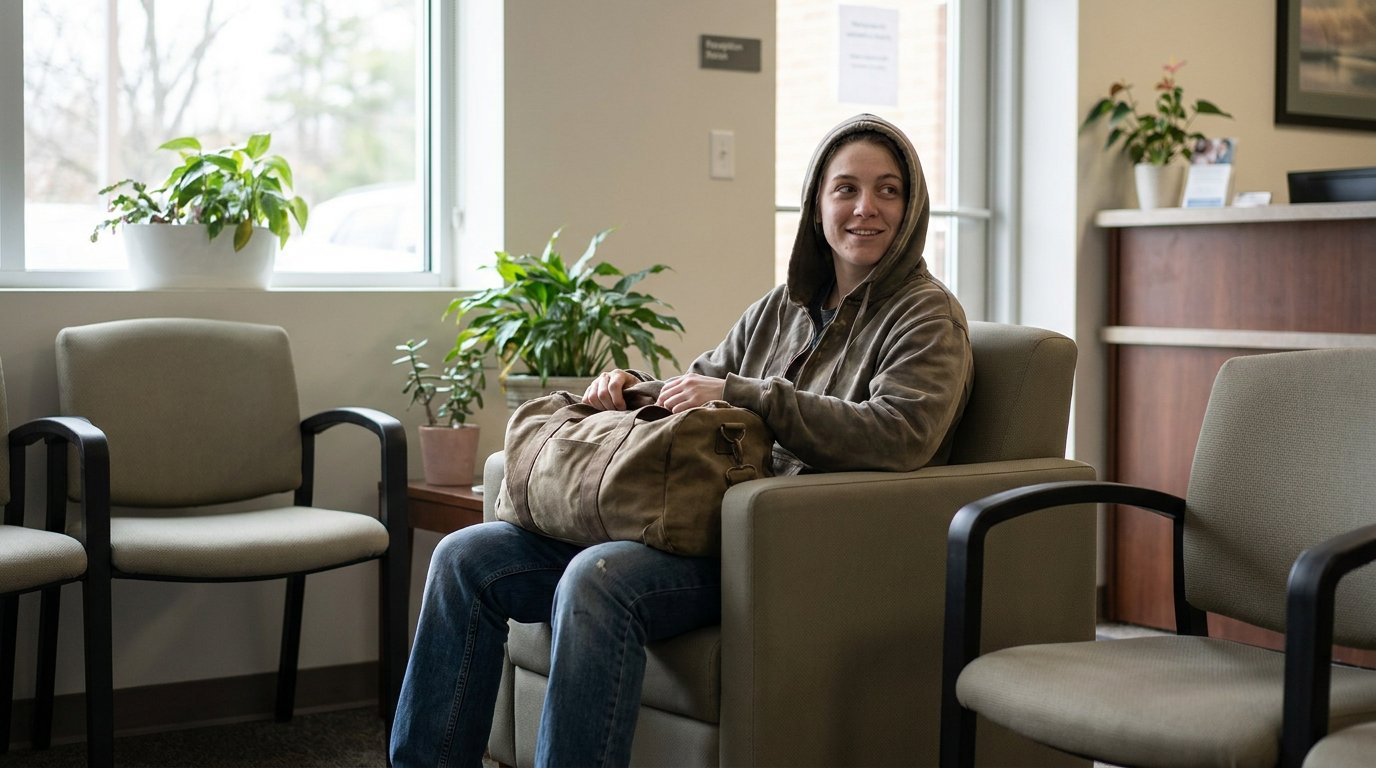
These reactions aren’t signs of weakness. They’re your nervous system responding to massive change, and they’re completely normal. Most people experience high anxiety upon arriving, but many also feel a slight sense of relief after finally taking the step toward treatment.
What Happens When You First Walk In
Understanding what actually happens the moment you step through the door can quiet some of that fear. Staff greet you by name, confirm your identification, and guide you to a private intake room. The atmosphere mirrors a non-judgmental addiction talk, calm, respectful, and unhurried.
| Step | What Happens | Why It Matters |
|---|---|---|
| Greeting | Front desk staff welcomes you warmly | Reduces anxiety immediately |
| Identification | Name and ID confirmed | Guarantees accurate records |
| Intake Room | You’re guided to a quiet space | Creates safety and privacy |
| Paperwork | Insurance, consent, and confidentiality forms | Protects your rights |
| Initial Check-In | Nurse assesses physical and emotional state | Addresses immediate concerns |
Much like helping a family member with addiction or learning how to approach someone about drug use, staff prioritize compassion over procedure. During the first intake period, most facilities will restrict phone access and outline communication rules for safety to help you focus entirely on stabilization.
What the Medical Assessment Covers

The medical team will check your essential signs, blood pressure, heart rate, and respiratory rate, and may order blood work or other lab tests to get a clear picture of your current physical health. They’ll also ask detailed questions about your substance use history, including what you’ve used, how long, and any previous withdrawal experiences. The team may also conduct screenings for infectious diseases and test major organ functions to ensure nothing is overlooked. These steps aren’t meant to judge you; they’re designed to keep you safe and guarantee your treatment plan fits your specific needs.
Physical Exam and Vitals
Before any therapy sessions begin, the medical team will conduct a physical exam to get a clear picture of your current health. They’ll check your blood pressure, heart rate, temperature, respiratory rate, and oxygen levels. This isn’t something to worry about, it’s a routine step that helps your care team keep you safe throughout treatment.
During the physical exam, clinicians will also assess areas like your abdomen, lungs, and extremities. Here’s a quick overview:
| Area Assessed | What’s Checked | Why It Matters |
|---|---|---|
| Heart & Lungs | Sounds, rhythm, breathing patterns | Detects cardiovascular or respiratory concerns |
| Skin & Extremities | Color, pulses, edema, capillary refill | Reveals circulation or substance-related changes |
| Nervous System | Sensation, reflexes, range of motion | Identifies neurological function baseline |
Every measurement helps shape your personalized treatment plan.
Substance Use History Review
Once your physical exam is complete, a clinician will sit down with you to review your substance use history, and this conversation is one of the most important parts of your first day. You’ll be asked about the age you first used, your current patterns, frequency, and substances of choice.
The substance use history review also covers previous treatment and sobriety, including past detox attempts, periods of recovery, and what led to any relapses. Your clinician will ask about overdose experiences, withdrawal symptoms, and co-occurring health conditions.
Expect a family and addiction conversation as well, touching on psychiatric history, trauma, and social factors that shape your relationship with substances. Nothing you share is met with judgment, every detail helps your team build a treatment plan designed specifically for you.
What to Pack for Rehab and What’s Not Allowed
Knowing what to pack, and what to leave at home, helps you feel prepared and avoids any surprises during the intake process. Most treatment centers allow comfortable clothing, basic hygiene products, and essential documents like your photo ID and insurance card, but they’ll restrict items such as aerosol products, alcohol-containing toiletries, and clothing with drug or alcohol references. Your belongings will go through a standard security bag inspection when you arrive, so packing thoughtfully ahead of time makes check-in smoother for everyone.
Allowed Personal Items
Although every treatment center has its own specific guidelines, most follow a similar framework for what you can and can’t bring with you. Among the most common allowed personal items are personal hygiene products like alcohol-free toiletries, non-aerosol deodorant, unopened toothpaste, shampoo, and soap. You’ll also want comfortable clothing, layered options, athletic wear, and enough undergarments for seven to ten days.
Medications and supplements must typically arrive sealed and unopened, including over-the-counter options and vitamins. The facility will inspect everything during admissions and approve items on a case-by-case basis.
You’re generally welcome to bring comfort items like paperback books, journals, spiritual materials, and bedding to personalize your space. Non-internet electronics such as MP3 players and e-readers are usually permitted but will be checked at intake.
Prohibited Items List
Items commonly banned include:
- Drugs, alcohol, and paraphernalia, including alcohol-based toiletries like mouthwash and hand sanitizer
- Weapons and sharp objects, such as knives, scissors, nail clippers, and metal hangers
- Tobacco and vaping products, cigarettes, e-cigarettes, and vape devices are restricted at most centers
- Electronics and valuables, laptops, smartwatches, expensive jewelry, and large amounts of cash
If you’ve gathered addiction intervention tips while preparing, you’ll recognize that removing triggers supports early healing. Don’t worry, staff will walk you through everything during intake. Equally important is the focus on aftercare and relapse prevention, as these components are vital for long-term recovery success. The program will provide you with the necessary tools and strategies to navigate triggers and maintain your progress. With ongoing support, you’ll gain confidence in your ability to handle challenges that may arise after treatment.
Security Bag Inspection
Every treatment center conducts a bag inspection when you arrive, and while it might feel intrusive, it’s one of the simplest steps in the admissions process. The admissions team checks your belongings for safety, catalogs your items to prevent loss, and guarantees no prohibited materials enter the facility. This happens before your room assignment.
If you’re helping a friend get into treatment or figuring out how to convince someone to go to rehab, reassure them that this process is quick and respectful. Most facilities provide packing checklists beforehand so there are no surprises.
Have your essential documentation, photo ID, insurance card, and prescribed medications in original bottles, easily accessible. Keeping these items separate from packed clothing speeds up the process considerably.
The Facility Tour and Your Room Assignment
Once you’ve completed the intake process, a staff member, often a registered nurse, licensed therapist, or support tech, will walk you through the facility so you can get a feel for your new surroundings. You’ll typically see:
- Therapy and group meeting rooms where daily sessions take place
- Dining halls and common areas with comfortable seating, games, and recovery literature
- Recreational spaces and fitness centers for physical activity and downtime
- Nurses’ stations and doctor’s offices where medical check-ins happen
After the tour, staff will help you settle into your assigned room and unpack. Don’t pressure yourself to remember everything, just breathe, stay curious, and explore at your own pace. Meanwhile, loved ones seeking guidance on how to talk to loved one about addiction, talking to spouse about alcohol, or finding al-anon family support can connect with the admissions team. Understanding how to talk to loved one about addiction is crucial for fostering an open and supportive environment. Encourage them to share their feelings and concerns, and be ready to listen without judgment. This dialogue can significantly strengthen relationships and promote healing for everyone involved.
Who’s on Your Rehab Care Team?

Now that you’ve seen the facility and settled into your room, you’ll start meeting the people who’ll guide your recovery, and there are more of them than you might expect.
Your recovery team is bigger than you think, and every member plays a part in getting you back on track.
A physiatrist leads your care team, coordinating treatment across multiple disciplines. Physical therapists work on your mobility and strength, occupational therapists help you regain daily living skills, and speech-language pathologists address communication or swallowing needs. Rehabilitation nurses monitor your health daily, while psychologists support your emotional adjustment.
You’ll also connect with dietitians, social workers, case managers, and recreational therapists, each playing a specific role in your recovery plan.
Most importantly, you’re part of this team too. Your goals, preferences, and feedback actively shape your care direction. Every member works together so your therapies complement one another for the strongest possible outcome.
How Your Treatment Plan Is Built Around You
Because no two people walk into treatment with the same history, challenges, or goals, your treatment plan isn’t pulled from a template, it’s built specifically around you. Your clinician will assess your addiction severity, substance use history, mental health, and emotional needs to shape a plan that fits your life.
Your plan typically includes:
- Clear, measurable goals developed through discussion with you, your clinician, and sometimes your family
- Evidence-based therapies matched to your specific challenges, whether individual, group, or family-focused
- Integrated support for co-occurring disorders like anxiety or depression treated alongside addiction
- Relapse prevention strategies tailored to your personal triggers and coping needs
This personalized approach empowers you to engage more deeply and sustain lasting recovery.
Will Detox Start on Your First Day of Rehab?
Whether detox begins on your very first day depends on the substance you’ve been using, when you last used it, and how your body is responding at intake. Your medical team will check your crucial signs, evaluate your symptoms, and determine the safest approach forward.
Here’s a general overview of what early withdrawal can look like:
| Timeframe | What You May Experience |
|---|---|
| 6, 12 hours | Anxiety, cravings, early nausea |
| 12, 24 hours | Sweating, tremors, insomnia |
| 24, 48 hours | Peak symptom intensity |
| 48, 72 hours | Gradual stabilization begins |
| Days 3, 7 | Shift toward therapeutic programming |
You’ll have 24/7 medical supervision, comfort-focused care, and medication support if needed. You won’t go through this alone.
Can You Call Family or Use Your Phone?
After the blackout period, phone privileges typically follow a structured progression:
- Supervised calls during designated hours, often using a pre-approved contact list
- Earned privileges tied to treatment milestones or program phases
- Limited conversation durations to maintain therapeutic focus
- Letter writing encouraged as a meaningful alternative during restricted periods
Your family won’t be left in the dark. Staff typically contacts them within 48 hours of your admission to provide updates, and they can reach the facility for emergency communication.
What the First Week of Rehab Looks Like
Your first week in rehab is when the real rhythm of recovery starts to take shape, you’ll begin attending daily therapy sessions, adjusting to a structured routine of meals, group meetings, and wellness activities. It’s normal to feel overwhelmed at first, but most people find that the predictability of the schedule becomes a source of comfort rather than restriction. You’ll also start forming connections with peers and clinical staff who become an essential part of your support network throughout treatment.
Daily Therapy Sessions Begin
Once the intake process wraps up and you’ve settled into your surroundings, the first week of rehab begins to take shape, and it looks different than most people expect.
By days 3, 5, you’ll start engaging in structured therapy sessions that form the core of your recovery work. Here’s what that typically includes:
- Individual therapy begins after medical clearance, focusing on your history, triggers, and personal goals in brief, low-pressure sessions
- Group therapy introduces you to peers who share experiences and offer mutual support
- Psychoeducational classes teach coping strategies and evidence-based approaches like CBT
- Mindfulness practices such as meditation or journaling round out your daily routine
These sessions aren’t meant to overwhelm you. They’re designed to build trust, connection, and momentum, one day at a time.
Adjusting To Structure
The first few days of rehab can feel like stepping into a completely different world, because, in many ways, they are. You’ll wake up at a set time, eat meals on a regular schedule, and move through a full day of group sessions, psychoeducational classes, and light physical activity.
By days four and five, you’ll settle into a consistent rhythm that includes morning meditation, structured breaks, and evening reflections. This routine isn’t arbitrary, it’s designed to lower anxiety, rebuild healthy habits, and counter the chaos that often accompanies addiction.
Staff check-ins throughout the day help you feel supported rather than overwhelmed. The structure may feel rigid at first, but most people find it grounding. It gives your mind and body the stability they need to heal.
Building Your Support Network
Structure gives your days shape, but it’s the people around you who give your recovery meaning. During your first week, you’ll begin forming connections that become the foundation of your recovery. why support groups are important in recovery is that they provide a platform for sharing experiences and learning from others who understand your journey. These gatherings foster a sense of belonging and mutual support, reinforcing the idea that you are not alone in your struggles. By engaging with peers who are on similar paths, you can find encouragement and motivation to stay committed to your healing process.
- Group therapy sessions start early in the week, where trained therapists guide safe discussions around shared experiences.
- Your primary counselor becomes a trusted point of contact, helping you navigate challenges as they arise.
- Fellow residents who share your journey offer companionship and mutual understanding that’s hard to find elsewhere.
- Family involvement begins after a brief adjustment period through approved communication channels.
Reach Out Today and Reclaim Your Life
Real change becomes possible the moment you choose to ask for help and the right team makes all the difference in what comes next. At Changes Treatment Center in Costa Mesa, CA, our Therapy program is shaped around your individual path, supporting you as you create lasting stability, reconnect with your inner strength, and step ahead with new hope. Call (949) 807-2008 today and take the first step toward lasting change.
Frequently Asked Questions
What Happens if You Change Your Mind and Want to Leave?
You’re free to leave voluntary treatment at any time, no one can legally hold you against your will. However, before you walk out, it’s important to talk with your counselor first. They’ll help you work through what’s driving that urge, whether it’s anxiety, cravings, or overwhelm. Leaving early considerably raises your risk of relapse and overdose due to lowered tolerance. Your treatment team genuinely wants to help you find a path forward.
Can Visitors Come See You During Your First Few Days?
Most treatment centers don’t allow visitors during your first few days. This blackout period, typically lasting anywhere from a few days to a couple of weeks, gives you time to settle in, begin the clinical process, and focus fully on your recovery without outside distractions. Once the blackout period ends, you’ll need staff or therapist approval, and visits are scheduled during designated hours with specific guidelines in place.
Are You Allowed to Smoke or Vape While in Treatment?
Smoking and vaping policies vary widely between treatment centers. About half of residential facilities permit smoking in designated outdoor areas, while others enforce complete bans on both. If a facility is tobacco-free, you’ll typically have access to nicotine replacement therapy and cessation support to help you manage cravings. It’s worth asking about the specific policy before your first day so you can prepare accordingly and focus fully on your recovery.
What Happens if You Have a Pet at Home During Treatment?
If you have a pet at home, you’ll want to arrange care before you start treatment. Most people leave their pet with a trusted friend, family member, or professional boarding facility. Some centers even allow pets or offer pet therapy sessions to ease the separation. It’s completely normal to worry about your furry companion, and planning ahead guarantees they’re safe and loved while you focus on your recovery.
Will Your Employer Be Notified That You Entered a Treatment Program?
No, your employer won’t be notified that you’ve entered treatment. Federal laws like HIPAA and CFR 42 strictly protect your privacy, and treatment centers can’t confirm or deny your presence without your explicit consent. You’re not obligated to disclose your diagnosis, you can simply describe your absence as medical leave for a health condition. If you’re using an Employee Assistance Program, that information stays completely confidential from your employer too.