

Beyond Therapy extends recovery past the therapy room. It uses outdoor excursions, creative workshops, and physical activities to help your brain build healthier patterns. Through repetition, exercise, and good nutrition, you build resilience against anxiety, trauma, and depression while creating positive memories tied to being sober. This page explains how the program works, who it helps, and how to get started. For a wider view, holistic treatment for drug addiction looks at the mind, body, and spirit together, using practices like yoga, meditation, and nutritional counseling to address cravings alongside emotional and spiritual health.
What Is Beyond Therapy?
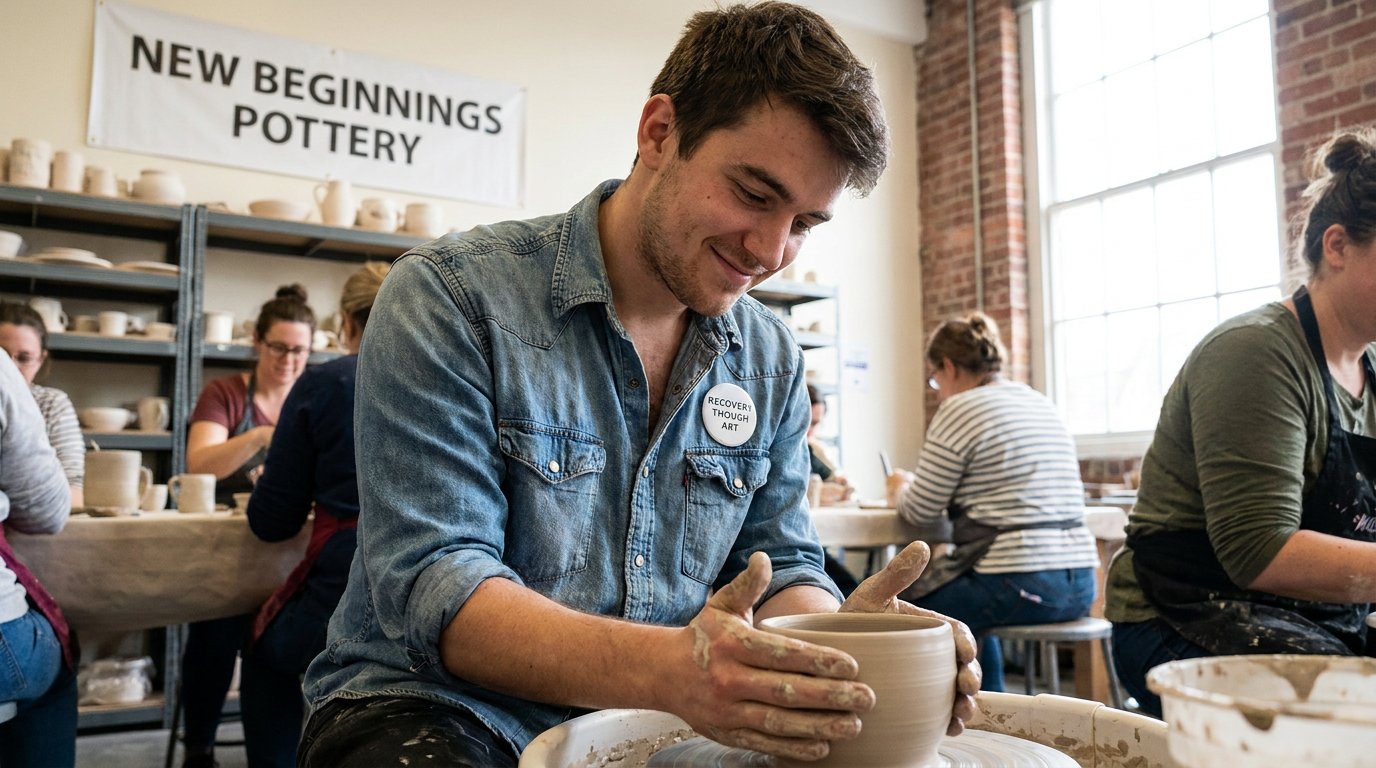
Beyond Therapy takes treatment out of the clinical setting and into real-world activities. You take part in outdoor excursions, creative workshops, community service, and physical activities that help retrain how your nervous system responds to stress.
The activities push you through repetition and physical effort, the way training does for an athlete. This builds resilience against anxiety, grief, trauma, and depression, and it pairs with nutrition support that matters in early recovery. Clinicians listen, reflect back what they hear, and encourage you along the way. You’re not sitting and receiving treatment, you’re building positive, sober memories that give you real reasons to protect your recovery.
How Beyond Therapy Differs From Traditional Rehab
Traditional rehab runs on scheduled sessions, usually 30 to 60 minutes of outpatient therapy, one to three times a week. Beyond Therapy works differently, with more time, more activity, and more involvement of the body.
The main differences:
- More engagement: Sessions involve sustained, repeated activity rather than a short weekly appointment
- Body and brain together: Physical activity helps build new habits, not just talk-based coping strategies
- Personalized plans: Treatment is built around you instead of a fixed template
- Support beyond the session: Recovery continues outside the four walls of an office
The goal is to treat the whole person, diet, movement, and emotional health alongside therapy, for results that standard outpatient care can’t reach on its own. Part of why traditional therapy can fall short is that insurance companies often dictate the level of care available, which limits a patient’s options.
Who Benefits From Beyond Therapy?

If you’re dealing with anxiety, depression, or trauma, hands-on activities can build resilience that talk therapy alone often can’t. You work through grief, stress, and mental fog by doing, not just discussing.
If you’re recovering from addiction, the program gives you positive sober experiences that reinforce what you learn in treatment. Many people in early recovery also have nutritional gaps that make mental health harder, which is why the food side matters.
It also helps if you’re leaving intensive treatment and want to keep building healthy habits. People who combine coaching with their own efforts tend to stay more engaged in recovery. Adding coaching techniques for addiction recovery can help during the transition, building motivation and accountability so the coping skills last.
How Your Brain Rewires Itself
Your brain can reorganize its connections in response to what you do, a property called neuroplasticity. That’s why recovery from addiction is biologically possible: your brain is built to change.
When you take part in Beyond Therapy activities, you strengthen some pathways and build new ones. A few things drive that change:
- Repeating new behaviors, which reinforces healthier connections
- Exercise, which raises BDNF, a protein that supports brain cell growth
- Eating well, which gives your brain what it needs to repair
- New experiences, which prompt the brain to reorganize
This ability stays with you for life. Each experience helps replace addiction-driven habits with patterns built around recovery.
Why the Program Pushes Repetition and Effort

Every activity at Changes Treatment Center includes plenty of repetition and physical effort, and there’s a reason for it. Repetition helps the brain form stronger connections, the more often certain neurons fire together, the stronger the link between them becomes.
Lasting change takes hundreds of repetitions, not a handful. Short, focused bursts spread across the day work better than one long session. Controlled, deliberate movements build better habits than scattered effort, and the intensity rises gradually so you’re challenged without being overwhelmed. The skills you build carry over into daily life after treatment.
Inside a Typical Session
No two sessions look exactly the same, but each one follows a clear structure. Most combine physical and emotional work, including activities informed by nutrition and overall wellness.
A typical session includes:
- A briefing, facilitators set out the goals and make sure everyone feels safe before starting
- The main activity, creative, physical, or community-based
- Reflection, a guided discussion that connects the activity to your recovery
- Planning, you pick out specific takeaways to use in daily life
The structure keeps each session purposeful rather than just recreation. You build recovery through repeated, meaningful experience.
Rebuilding Strength and Independence
Getting your physical strength back during treatment works best with a steady, gradual approach, slowly increasing activity to rebuild muscle, restore energy, and improve coordination. Paired with good nutrition, this kind of conditioning restores the basic movement patterns that substance use wears down.
What it does for you:
- Corrects poor movement habits, improving posture, joint function, and core stability
- Supports healthier blood pressure and steadier energy
- Reduces anxiety, irritability, and negative thinking as your body gets stronger
- Builds independence through small, reachable goals that grow your confidence
This adds up to recovery capital, the autonomy, confidence, and control that support staying sober.
How It Supports Long-Term Recovery
Strength and movement are one part of recovery. The benefits also add up over time. Combining a healthy diet, regular activity, and consistent treatment creates lasting improvements that continue after the program ends. Regular exercise reduces cravings and lifts mood, which is one reason exercise helps with addiction recovery. It also builds resilience and self-esteem, supporting both the physical and emotional sides of staying sober.
| Recovery Component | Main Benefit | Long-Term Impact |
|---|---|---|
| Strong early treatment | A solid foundation for sobriety | Lower relapse risk over time |
| Sticking with the program | Stronger coping skills and routines | Lasting change in behavior |
| Staying engaged after a setback | Renewed motivation | Steadier progress across recovery |
Over time, recovery builds on itself.
How to Get Started
Once you decide recovery means more than sitting in an office, the next question is how to begin. Most providers start with a short consultation to see if the program fits, followed by an intake evaluation, often within a week.
Getting started usually involves:
- A phone or video consultation to see if it’s a good fit
- An intake session where clinicians learn about your history, concerns, and goals
- Regular sessions to build momentum early in recovery
- Adding nutrition support and other holistic pieces alongside the activities
Your provider tailors the plan to your needs and preferences. To check your coverage and payment options, verify your insurance and payment details with the team.
Reach Out Today
Change starts the moment you ask for help, and the right team makes the difference in what comes next. At Changes Treatment Center in Costa Mesa, CA, our Beyond Therapy program is built around your path, helping you find stability, reconnect with your strengths, and move forward. Call (949) 807-2008 to take the first step.
Frequently Asked Questions
How long does a Beyond Therapy program last?
Short-term programs usually run 30 to 90 days. Medium-term options span one to three months, and long-term residential programs can last six months to a year or more. Your timeline depends on the severity of your condition, your progress, and any co-occurring diagnoses. People managing chronic conditions sometimes need 12 to 18 months. The length is set around your needs and how you’re progressing.
Is it covered by insurance?
It depends on the provider. Many practices accept major insurers like Blue Cross Blue Shield, United Healthcare, Aetna, and Cigna, and some take Medicaid and Medicare. Without insurance, you may have other options, private pay, sliding scale fees, HSA/FSA reimbursement, and payment plans. Verify your benefits directly, since coverage varies by practice.
Can it be combined with other treatment?
Yes. At Changes Treatment Center, Beyond Therapy is part of the broader treatment plan, not a standalone program. Your team coordinates the activities with your clinical sessions so they work together. You don’t choose between traditional therapy and Beyond Therapy, you use both.
Can family members take part?
It depends on the facility’s policy and available space. You’ll usually need to sign HIPAA authorization forms before family can attend. Clinicians decide whether family involvement supports your goals and set clear boundaries early on. When families do join, they learn techniques they can reinforce at home and see your progress firsthand.