
“It’s Like They’re Still Here… But They’re Not the Same Person.”
One of the most painful aspects of addiction isn’t just the substance use itself. It is watching someone you love slowly slip away, and quietly grieving the future you always imagined for them.
- Maybe they don’t call anymore.
- Maybe normal family dinners have devolved into tense, explosive arguments.
- Maybe they have stopped showing up to birthdays, holidays, or family gatherings.
- Maybe every single conversation feels like you are walking on eggshells.
- Or maybe they simply seem completely indifferent to the people who have always loved them the most.
We have had countless parents tell us, “I feel like I’ve already lost them.” Spouses often quietly admit, “I just miss the person I married.” Those words never get easier to hear.
Why Addiction Breeds Isolation
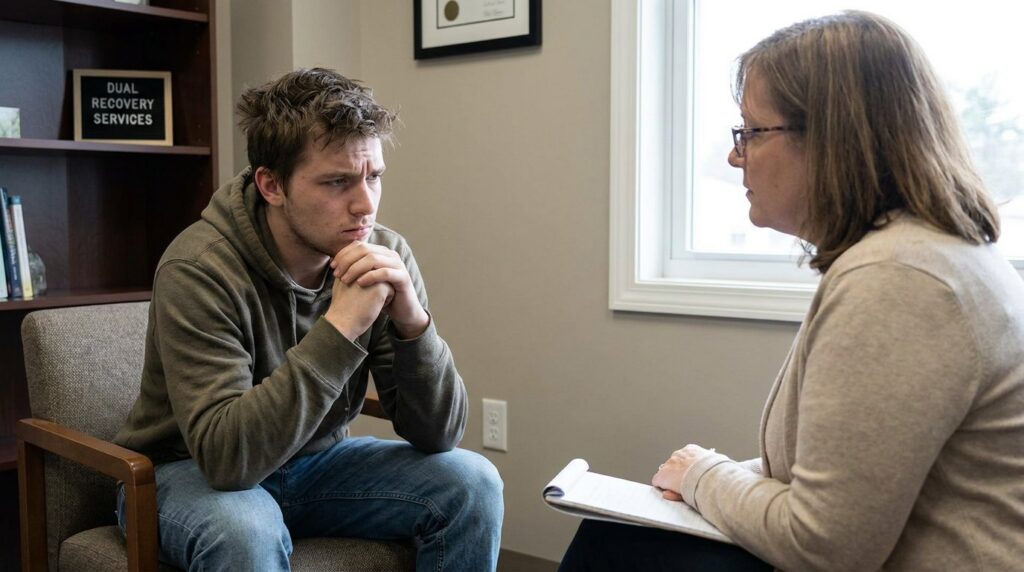
One of the cruelest dynamics of addiction is that it actively convinces people to isolate themselves from the very support systems they need most. This destructive distance is rarely about a lack of love. More often, it is driven by:
- Shame and Guilt: Carrying an overwhelming burden of regret and self-loathing.
- Secrecy: Attempting to hide the progression of their drinking or drug use.
- Fear of Disappointment: Deeply dreading the look of pain or letdown in their family’s eyes.
- Inability to Articulate: Simply not knowing how to explain the chaos happening inside their own minds.
Whatever the underlying reason, the resulting silence hurts everyone involved.
Learning to Separate the Person from the Disease
One vital truth we remind families of daily is this: You must separate your loved one from their addiction.
Right now, the disease of addiction is speaking much louder than the person you know. It is dictating the choices they make, the words they weaponize, and the walls they build. Underneath that painful defense system, however, is the person you have always loved.
“I pushed away the people I loved the most because I couldn’t stand seeing how much I was hurting them.”, A perspective shared by many in recovery
Others have told us they isolated because they genuinely believed their families “would be better off without them.” These are heartbreaking thoughts, but they prove that addiction creates distance long before a person actually wants to lose their family.
Navigating the Space Between Rescuing and Cutting Off
Many families fall into the trap of believing they only have two extreme options: either constantly rescue and enable their loved one, or cut them out of their lives completely.
Fortunately, there is a healthier, highly effective middle path.
THE PATH OF BALANCED CONNECTION [ Compassionate Connection ] <---> [ Healthy Boundaries ] • Communicate with love • Refuse to accept harmful behavior • Encourage positive change • Step back from trying to control
This is the foundation of CRAFT (Community Reinforcement and Family Training). CRAFT is an evidence-based, family-centered approach that teaches loved ones practical skills to improve communication, minimize exhausting conflicts, and significantly increase the likelihood that a struggling individual will choose to accept treatment.
Rebuilding What Was Broken
One of the greatest privileges we have at Changes is watching fractured families slowly knit themselves back together.
We have watched fathers embrace sons they hadn’t spoken to in years. We have sat in rooms where mothers received genuine, heartfelt apologies they thought they would never live to hear. We have watched spouses laugh together again, and grandparents reconnect with their grandchildren.
Healing does not happen overnight. Trust takes time to rebuild, and restoring relationships requires patience and intentional work. But recovery has a remarkable, proven way of bringing people home.
A Final Thought to Hold Onto
If your loved one is currently pushing you away, please try not to interpret this as a lack of love for you. More often than not, it means they are hurting far more than they know how to express.
If you are wondering whether to keep trying, whether to answer the phone one more time, or if hope is still realistic: there is hope. It may not look exactly like you imagined, and it may take longer than you hoped, but people do recover. Families do heal.
Sometimes, the very first step toward that healing is simply learning a healthier, safer way to stay connected. If you don’t know where to begin, we would be honored to walk this path with you.