
Why Do People Choose to Stop Drinking Even Without Alcohol Addiction?
Stop drinking without addiction: learn the health, sleep, financial, and personal reasons people quit, and how to commit to your own.

Explore articles, guidance, and real-world perspectives designed to support your journey. Our blog shares knowledge, tools, and inspiration to help you stay informed, engaged, and moving forward.

Stop drinking without addiction: learn the health, sleep, financial, and personal reasons people quit, and how to commit to your own.

Giving up alcohol can rebuild trust and strengthen your relationships with family, partners, and friends. Learn what to expect and how to protect them.

Handle social pressure when you don’t drink alcohol: learn how to say no with confidence at parties and work events, no explanations needed.

Newly teetotal? See what to expect stage by stage, from early cravings and poor sleep to better blood pressure, liver health, and mood by month six.

Teetotal vs. sober: learn what each term means, how others may read it, and which label best fits your relationship with alcohol.

Teetotaler means someone who never drinks alcohol, not even occasionally. Learn what it includes, the word’s origin, and why people choose it.

Going teetotal cuts your risk of at least seven alcohol-linked cancers. Learn how each benefit builds and how to quit alcohol safely.

Learn how inner child healing can support sobriety by addressing old pain, rebuilding safety, setting boundaries, and developing healthier coping skills.

Deciding to get sober can begin with one honest choice. Learn what to do next, why support matters, and how recovery can help change your direction.
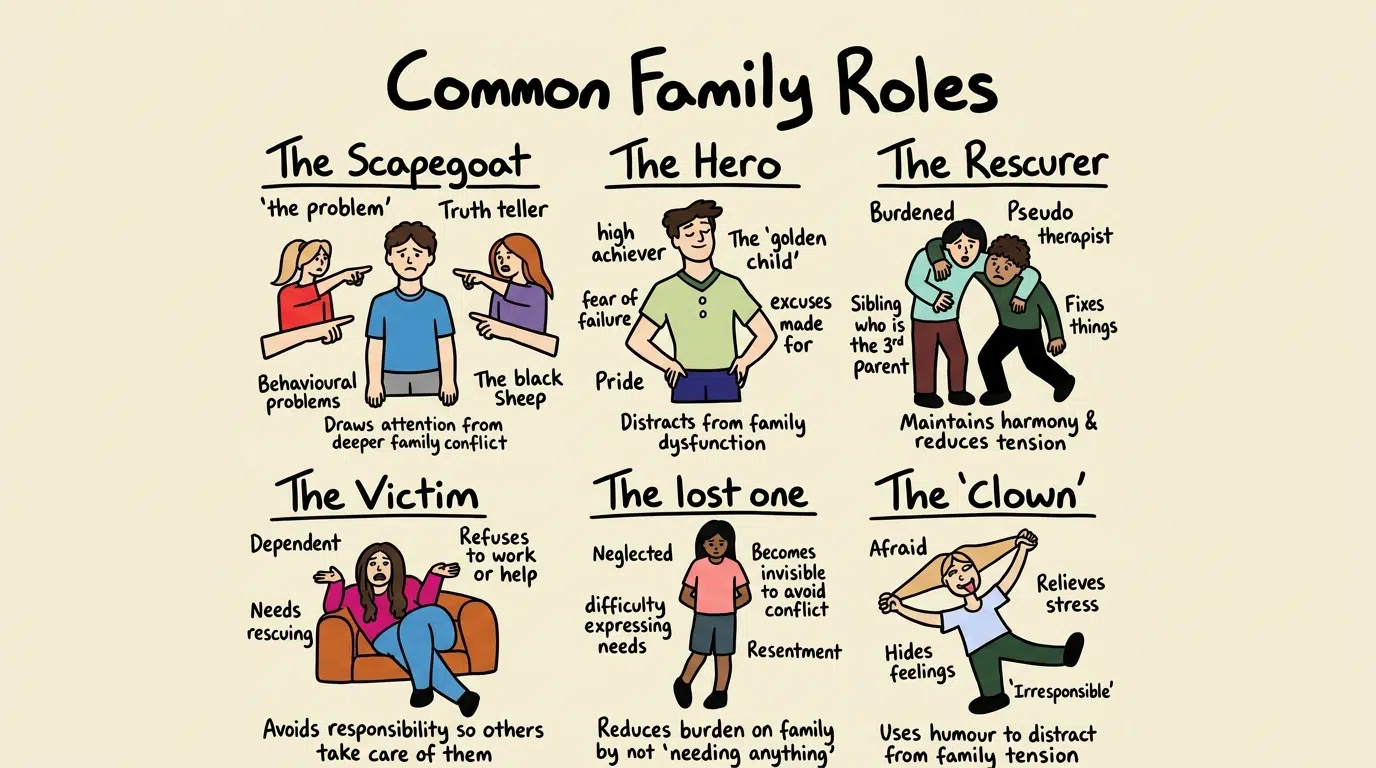
Learn the six common family roles in addiction, including the hero, rescuer, scapegoat, lost one, clown, and victim, and how families can heal.
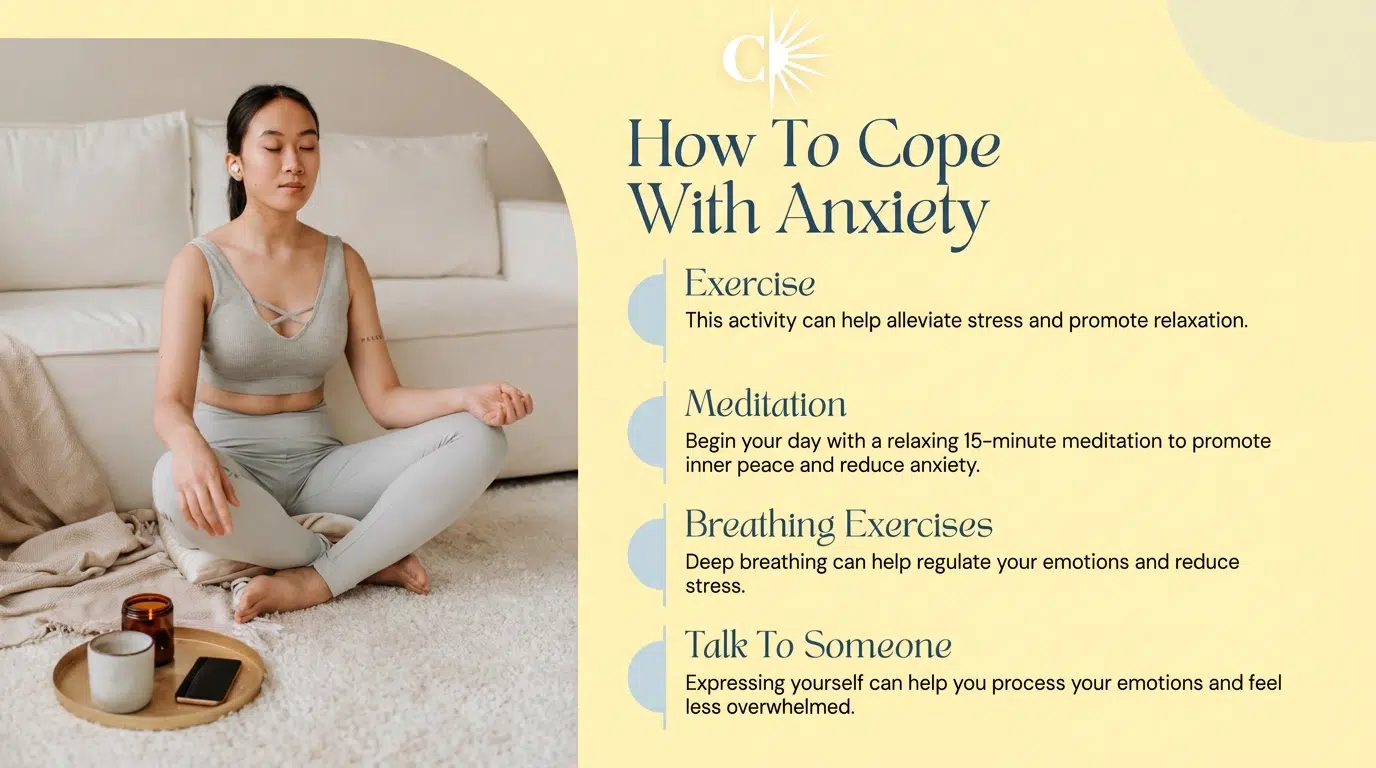
Learn how to cope with anxiety using exercise, meditation, breathing exercises, and support from others, plus when professional help may be needed.

Sobriety isn’t just not drinking. It’s doing the work, setting boundaries, managing stress, and reconnecting with yourself. See what it really involves, from Changes.
Changes Treatment Center is officially Joint Commission accredited, verifying our commitment to safe, high-quality, compassionate addiction and mental health care..
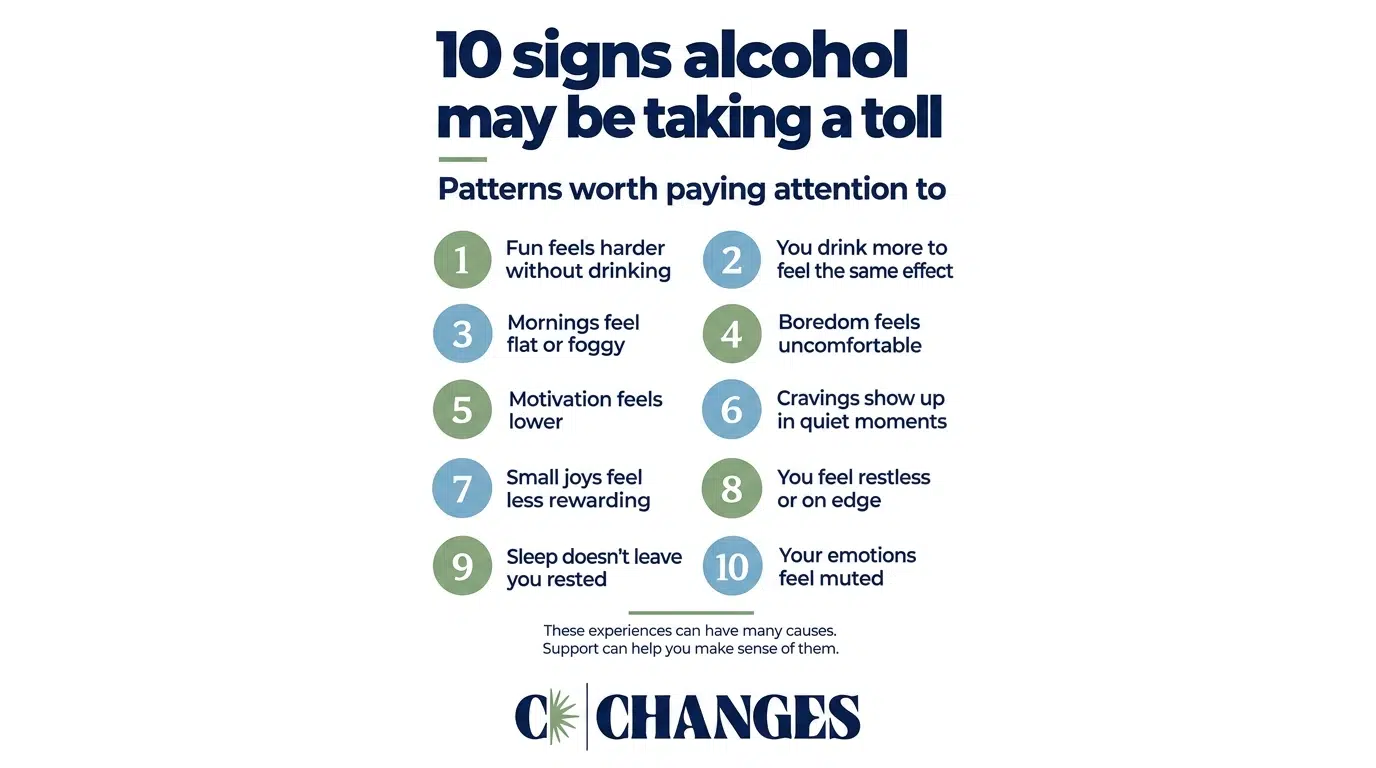
The signs alcohol is taking a toll are often subtle: foggy mornings, low motivation, muted joy. See all 10 patterns worth noticing, and how Changes can help.
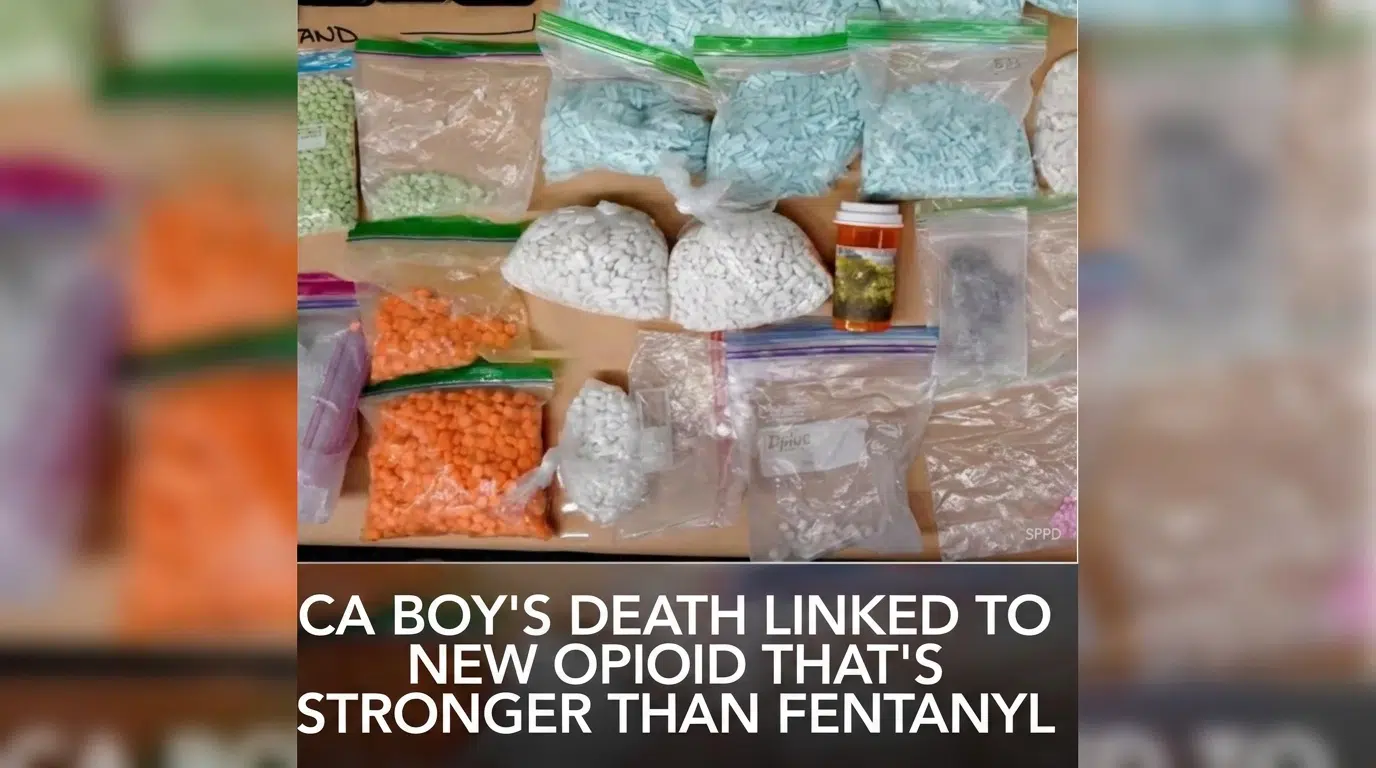
Cychlorphine is a new synthetic opioid officials say may be 10x stronger than fentanyl, hidden in fake pills and undetectable by test strips. What to know, from Changes.
Take a moment to answer these questions honestly.
There are no right or wrong answers.
This assessment is not a medical diagnosis, but it can help you determine whether alcohol may be having a greater impact on your life than you realize.
In the past 12 months…
Developed by Patrick Conod, LCSW, and Cari Lawyer, CATC I, on behalf of the Changes Treatment Center Clinical Leadership Team.
A Self-Assessment for Family Members and Friends
Watching someone you love change because of alcohol can be confusing and heartbreaking. You may find yourself questioning what you’re seeing, wondering if you’re overreacting, or hoping things will get better on their own.
This assessment is designed to help you reflect on the behaviors you’ve noticed. It isn’t a diagnosis, but it may help you determine whether it’s time to seek guidance or support.
In the past 12 months…
Developed by Patrick Conod, LCSW, and Cari Lawyer, CATC I, on behalf of the Changes Treatment Center Clinical Leadership Team.
When we are struggling with deep stress, anxious thoughts, or a low mood, it is incredibly natural to look for immediate relief. Sometimes, we turn to alcohol or other substances just to quiet our minds, get some sleep, or feel normal for a night.
This short self-assessment is designed to help you pause and look at how these two parts of your life might be influencing each other. It is entirely anonymous and takes less than two minutes.
It’s common for habits to slowly shift over time, especially during stressful seasons. Often, we find ourselves using a substance to cope, unwind, or get through the day, only to realize it is starting to take up more space in our routine, thoughts, or relationships than we’d like.
This quick, 10-question check-in is a quiet space to reflect honestly on how your use is impacting your life. It is entirely anonymous, completely free of clinical judgment, and takes less than two minutes.
We all experience days when we feel down, exhausted, or just completely unmotivated. But when those heavy feelings start lingering, it can be hard to tell if you’re just going through a rough patch or if it’s something more.
This quick, confidential check-in is designed to help you pause and reflect on how you’ve actually been feeling lately. It is completely anonymous, entirely non-judgmental, and takes less than two minutes.
Is your evening glass of wine a harmless habit, or is it starting to catch up with you? It’s not always easy to tell where “social drinking” ends and “too much” begins.
Take this quick, 2-minute quiz to check in on your relationship with alcohol and get clear, personalized insights.