



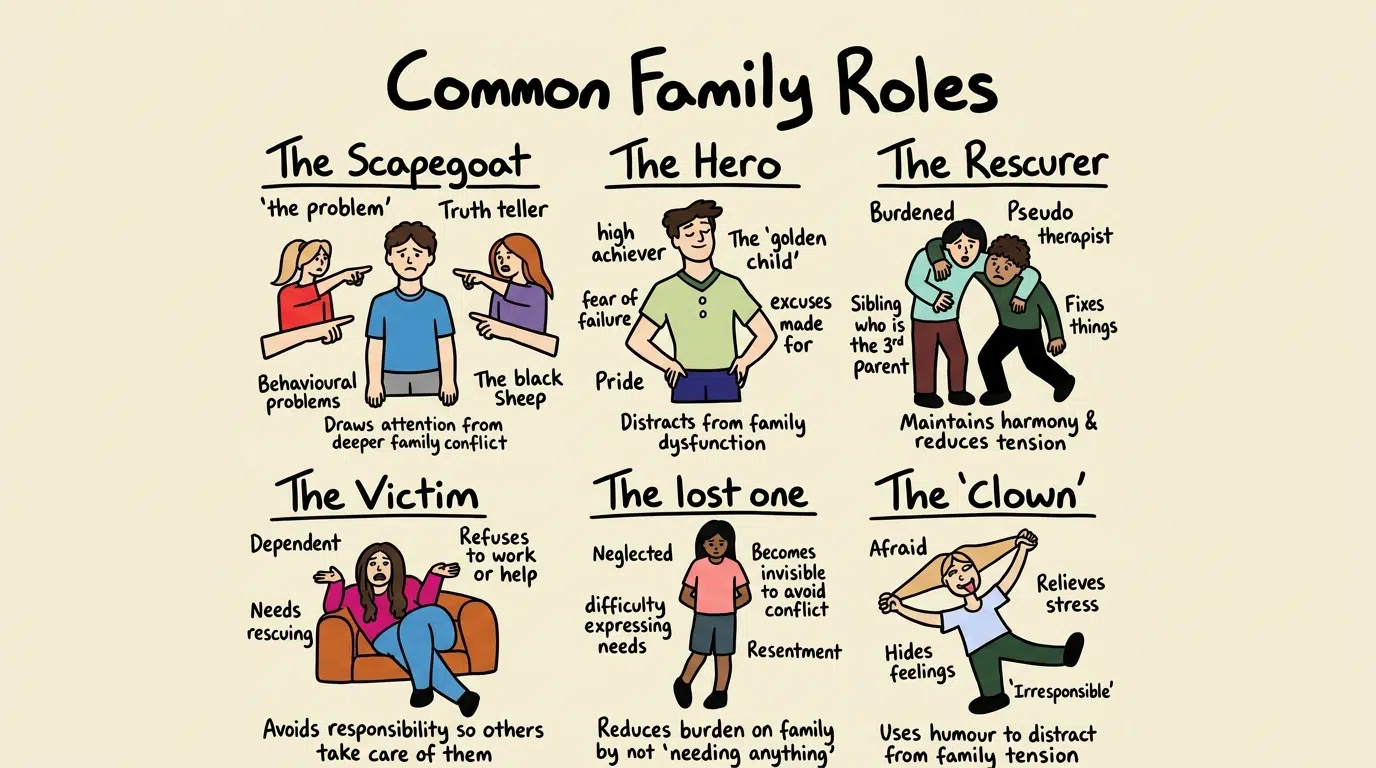



Deep inside many adults is a younger version of themselves who still remembers what it felt like to be hopeful, afraid, overlooked, curious, or unsure of what would happen next. That younger part may carry early dreams, painful memories, unmet needs, and beliefs that continued shaping life long after childhood ended.
For many people, inner child healing in recovery means learning to care for that younger part with the patience, safety, and understanding it may not have received before. Every day spent choosing sobriety can become another way of saying, “You are safe now. Your life still matters. We made it this far.”
What Inner Child Healing Means
The “inner child” is a common way of describing the emotions, needs, beliefs, and memories carried forward from childhood.
It is not a separate person living inside you. It is a way of understanding how early experiences may still influence adult reactions, relationships, coping habits, and self-esteem.
Inner child healing may involve recognizing:
- What made you feel unsafe growing up
- Which emotional needs were not met
- What you learned about love, trust, and belonging
- How you adapted to conflict or instability
- Which beliefs about yourself began early
- How those patterns continue to affect recovery
The goal is not to remain focused on the past forever. It is to understand the past well enough that it no longer controls every response in the present.
Why Recovery Can Bring Up Old Pain

Alcohol or drugs may have become a way to avoid emotions that felt too painful, confusing, or overwhelming.
For some people, substance use helped create temporary distance from:
- Childhood trauma
- Rejection or abandonment
- Family conflict
- Loneliness
- Shame
- Fear
- Anger
- Grief
- Feeling unworthy of love
- Believing they had to handle everything alone
When substance use stops, those emotions may feel closer to the surface. That does not mean recovery is making things worse. It may mean feelings that were previously numbed now need healthier attention.
This stage can feel uncomfortable, especially when someone expected sobriety to create immediate peace. Stopping alcohol or drugs is an important step, but emotional healing often continues long after the substance is removed.
Recovery creates an opportunity to face those experiences with more support, awareness, and choice than may have been available during childhood.
How Sobriety Helps Rebuild Safety
A child who grows up around instability may learn to remain constantly alert.
They may become highly sensitive to other people’s moods, avoid conflict, seek approval, withdraw emotionally, or try to control every situation. These responses may have once helped them feel safer.
Later in life, the same patterns can become exhausting.
Sobriety can help create a foundation for rebuilding safety through:
- More predictable routines
- Healthier relationships
- Clearer boundaries
- Greater emotional awareness
- Consistent sleep and self-care
- Honest communication
- Support from therapists and peers
- Fewer situations shaped by substance use
- Increased trust in personal decisions
Safety is not only about avoiding physical danger. It also means learning that emotions can be experienced without escaping them, needs can be expressed without shame, and relationships do not have to repeat the instability of the past.
Every healthy choice becomes evidence that life can be different now.
Signs Your Younger Self May Need Support
Inner child wounds can appear through everyday reactions rather than clear childhood memories.
You may notice that certain situations produce emotions that feel much larger than the present moment would seem to explain.
| Pattern in Adulthood | What May Be Underneath It | Healthier Recovery Response |
|---|---|---|
| Fear of being abandoned | Early instability or inconsistent care | Build secure relationships gradually |
| Constant need for approval | Belief that love must be earned | Practice self-validation |
| Difficulty setting boundaries | Fear of rejection or conflict | Start with small, clear limits |
| Perfectionism | Fear of failure or criticism | Accept progress instead of demanding perfection |
| Emotional withdrawal | Learning that feelings were unsafe | Share emotions with trusted people |
| People-pleasing | Belief that others’ needs come first | Identify and communicate personal needs |
| Harsh self-criticism | Internalized shame or criticism | Use more balanced self-talk |
| Using substances to escape | Difficulty tolerating painful emotions | Build healthier coping strategies |
These patterns do not prove that something specific happened in childhood. They can simply offer clues about areas that may deserve care and attention.
The purpose is not to label every behavior. It is to become curious about why certain reactions developed and whether they are still helping.
Practical Ways to Care for Your Inner Child
Inner child work does not have to involve dramatic exercises or reliving every painful memory. It can begin through small actions that help create safety, respect, and emotional connection.
Speak to Yourself With More Patience
Notice how you speak to yourself after making a mistake.
If the response is cruel, shaming, or unforgiving, consider whether you would speak that way to a frightened child.
Replace statements like “I ruin everything” with something more accurate:
“I made a mistake, and I can decide what to do next.”
This does not mean avoiding responsibility. It means taking responsibility without using shame as punishment.
Identify What You Needed
Think about what may have been missing during difficult moments in childhood.
Perhaps you needed:
- Reassurance
- Protection
- Encouragement
- Consistency
- Affection
- Someone to listen
- Permission to rest
- Freedom to express emotions
- Clear boundaries
- A sense of belonging
You cannot change what happened, but you can begin making some of those needs part of your life now.
Reconnect With Healthy Enjoyment

Recovery should not be limited to avoiding substances and completing difficult emotional work.
The younger part of you may also need creativity, curiosity, movement, play, and enjoyment.
That might mean:
- Drawing or painting
- Listening to music
- Spending time outdoors
- Cooking something enjoyable
- Playing a sport
- Visiting a place that feels peaceful
- Watching a favorite childhood movie
- Trying a hobby without needing to be good at it
- Laughing with safe people
Joy can be part of healing. It does not have to be earned through suffering first.
Write to Your Younger Self

Writing can help organize emotions that are difficult to express aloud.
You might write about:
- What you wish someone had told you
- What was never your fault
- What you are proud of surviving
- How your life is becoming safer
- What you are choosing differently now
- Which dreams still matter to you
- What “You made it” means today
The letter does not need to sound polished. It only needs to be honest.
Set Boundaries That Protect Recovery
Boundaries can be a powerful form of inner child care.
When you step away from harmful situations, say no to unhealthy demands, or refuse to accept disrespect, you show yourself that your safety matters.
A boundary might sound like:
- “I cannot be around alcohol right now.”
- “I need time before continuing this conversation.”
- “I am not able to solve this for you.”
- “I will leave if the conversation becomes disrespectful.”
- “I need support instead of criticism.”
Each boundary can help replace helplessness with self-protection.
What to Do When This Work Feels Overwhelming
Inner child work can bring up strong emotions, especially when childhood involved trauma, neglect, addiction, loss, or instability.
You do not need to force yourself to revisit painful memories before you feel ready. Healing is not measured by how deeply or quickly you can explore the past.
Slow down if you notice:
- Intense emotional distress
- Panic or feeling disconnected from the present
- Strong urges to use alcohol or drugs
- Sleep disruption
- Difficulty completing daily responsibilities
- Feeling emotionally flooded after journaling or reflection
- Memories that feel difficult to manage alone
Return your attention to the present. Notice where you are, breathe slowly, move your body, or contact someone supportive.
A therapist can help you explore painful experiences at a safer pace while building coping skills to manage what comes up. Support is especially important when inner child work connects with trauma or increases the risk of relapse.
Healing should not require carrying everything alone.
How Changes Supports Emotional Healing in Recovery
Substance use is often connected to experiences, emotions, and beliefs that need more than temporary relief.
Changes Treatment Center supports recovery by helping people address both substance use and the deeper patterns that can affect long-term wellbeing.
Support may include:
- Individual therapy to explore childhood experiences, triggers, emotional patterns, and self-beliefs.
- Group therapy to reduce isolation and practice healthier communication.
- Psychiatric support when mental health symptoms are affecting recovery.
- Case management to improve structure and stability in everyday life.
- Beyond Therapy programming to support movement, connection, creativity, and meaningful routines.
- PHP, IOP, and outpatient care that provide different levels of structure depending on individual needs.
The goal is not to erase the past. It is to help people understand how the past has affected them and develop healthier ways to live in the present.
Keep Going, You Made It
The words “You made it” do not have to mean that healing is complete.
They can mean:
You survived what once felt impossible.
You reached a point where change became possible.
You are learning to protect the person you once were.
You are choosing a future that includes sobriety, peace, freedom, health, and love.
Every recovery decision can become a promise to the younger version of yourself. A promise that pain will not be allowed to write the rest of the story.
Some days that promise may look like attending therapy. Other days it may mean asking for help, setting a boundary, resting, or choosing not to use for the next hour.
Those choices matter.
At Changes Treatment Center, we help people address substance use and the emotional experiences connected to it through PHP, IOP, outpatient care, therapy, psychiatric support, and Beyond Therapy programming. Located in Costa Mesa, California. Call (949) 807-2008 today for a confidential conversation about starting recovery.
Frequently Asked Questions
What Is Inner Child Healing?
Inner child healing is the process of recognizing how childhood experiences, unmet needs, and early beliefs may still affect emotions and behavior in adulthood. It can involve building self-awareness, practicing self-compassion, setting boundaries, and developing healthier responses.
How Is Inner Child Healing Connected to Addiction Recovery?
Substances may be used to avoid pain, fear, shame, loneliness, or memories connected to earlier experiences. Inner child work can help identify those emotional patterns and build healthier coping strategies that support long-term recovery.
Can Sobriety Bring Up Childhood Emotions?
Yes. When alcohol or drugs are no longer being used to numb emotions, older feelings may become easier to notice. This can be uncomfortable, but therapy and recovery support can help someone process those emotions safely.
How Can Someone Begin Inner Child Work?
A person can begin by noticing emotional triggers, identifying unmet needs, writing to their younger self, practicing kinder self-talk, setting boundaries, and reconnecting with healthy activities that bring comfort or enjoyment. Therapy can provide additional guidance.
Is Inner Child Work Safe to Do Alone?
Some reflection can be done independently, but painful memories or trauma responses can become overwhelming. Professional support may be helpful when the work causes intense distress, interferes with daily life, or increases cravings and relapse risk.