

Being teetotal means you avoid all alcoholic drinks as an ongoing practice, whatever your reason. Being sober can mean you’re simply not intoxicated right now. In recovery settings, though, sober usually means sustained abstinence from alcohol, and sometimes other drugs. Neither word is a diagnosis, and teetotal doesn’t imply a recovery history. Still, saying you’re sober may lead others to assume one. Understanding how each label lands helps you choose the right fit for yourself.
Key Takeaways
- Teetotal means consistently avoiding all alcoholic drinks, such as beer, wine, and spirits, as an ongoing practice.
- Sober can mean simply not intoxicated right now, or, in recovery settings, sustained abstinence from alcohol and sometimes other drugs.
- Someone can be sober at a given moment without being teetotal, since everyday sobriety doesn’t require lasting abstinence.
- Teetotal doesn’t imply a recovery history, while “sober” may prompt assumptions about past alcohol problems in some settings.
- Neither term is a diagnosis; alcohol use disorder requires meeting at least 2 of 11 DSM-5-TR criteria within 12 months.
What is the difference between teetotal and sober
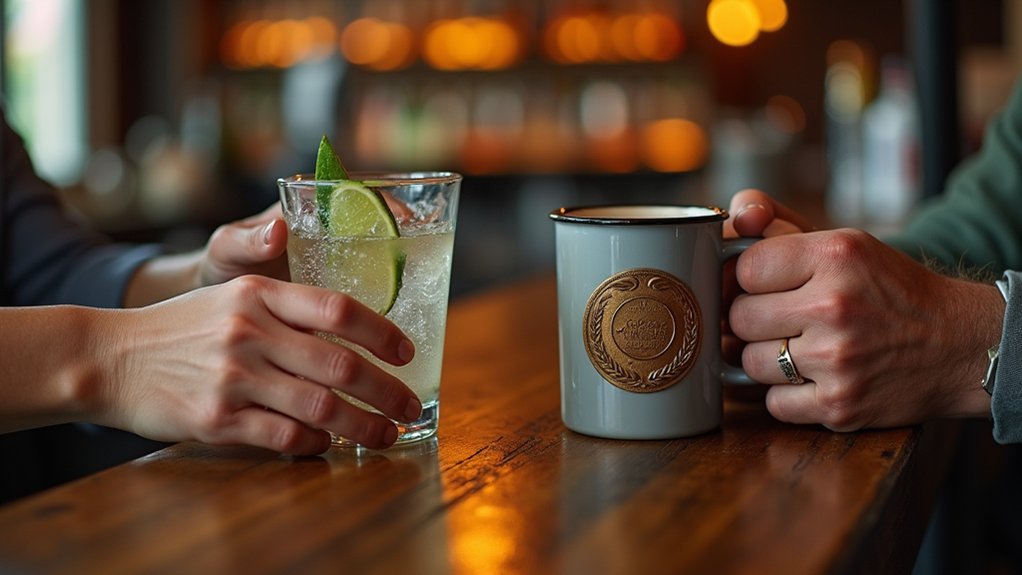
Teetotal means you avoid all alcoholic drinks, including beer, wine, and spirits, as a continuing practice, while sober can mean either that you’re not intoxicated right now or that you maintain ongoing abstinence. People often use the two terms interchangeably, but they don’t mean quite the same thing.
Being sober can mean two things. In everyday use, it means you’re not intoxicated right now. In recovery settings, it means you maintain ongoing abstinence from alcohol and, sometimes, other drugs.
In the teetotal vs sober comparison, context matters. You can be sober tonight without being teetotal. Likewise, calling yourself teetotal doesn’t reveal any recovery history. Many people simply choose not to drink. The terms overlap only when “sober” means lasting alcohol abstinence. Neither label is a diagnosis. Alcohol use disorder has defined clinical criteria, and recovery involves more than abstinence alone.
How do the definitions of teetotal and sober compare
The key difference between “teetotal” and “sober” is range of meaning. “Teetotal” has one fixed meaning: you abstain from all alcohol, including beer, wine, and spirits. “Sober” shifts with context. It can mean you’re not intoxicated right now, or that you’re maintaining long-term abstinence, often in recovery.
| Feature | Teetotal | Sober |
|---|---|---|
| Core meaning | Complete alcohol abstinence | Not intoxicated, or ongoing abstinence |
| Timeframe | Continuing practice | Momentary or long-term |
| Substances covered | Alcohol only | Alcohol, sometimes other drugs |
| Recovery implied | No | Often, in recovery settings |
Neither label signals an alcohol use disorder diagnosis, which requires at least 2 of 11 clinical criteria within 12 months. Choose the term that most accurately reflects your own experience and goals.
Does being teetotal always mean being in recovery

No, being teetotal doesn’t always mean you’re in recovery. “Teetotal” describes a continuing practice of avoiding all alcohol, but the word says nothing about why you abstain or whether you’ve ever had problems with drinking. You might avoid alcohol for health, religious, cultural, or personal reasons, with no history of alcohol use disorder (AUD).
Recovery is also more specific than abstinence. NIAAA defines it as a process involving remission from AUD and cessation of heavy drinking, maintained over time. AUD itself is a clinical diagnosis requiring at least 2 of 11 DSM-5-TR symptoms within 12 months.
If you’re teetotal as part of recovery, the label fits your practice, but it doesn’t define your history. Let your own reasons, not assumptions, determine how you describe yourself.
Can you be sober but not teetotal
Yes, you can be sober without being teetotal, because “sober” often describes a present state rather than a lifelong practice. In everyday use, you’re sober when you aren’t currently intoxicated. If you drink wine at dinner on Saturday and wake up unimpaired on Sunday, you’re sober on Sunday, but you aren’t teetotal.
Teetotalism means you avoid all alcoholic drinks, including beer, wine, and spirits, as an ongoing practice. Being sober at a given moment doesn’t require that commitment.
Context changes the meaning. In recovery communities, “sober” usually refers to sustained abstinence, which overlaps closely with teetotalism. If someone says they’re “sober” in that sense, they likely don’t drink at all. So when you use the word, clarify whether you mean “not intoxicated now” or “abstinent over time.”
How does each word shape how others see you

“Teetotal” usually tells people you simply don’t drink, while “sober” often leads them to assume a recovery history. “Teetotal” describes a practice: you don’t drink beer, wine, or spirits. The word alone doesn’t imply a recovery history, so listeners often hear a personal, religious, or health preference.
“Sober” carries more context. Some people hear “not intoxicated right now”; others, especially in recovery communities, hear sustained abstinence from alcohol or other drugs. Listeners may then assume you’ve had an alcohol use disorder, though AUD is a clinical diagnosis with defined criteria, not a synonym for sobriety.
Neither label is more legitimate. Choose the one that matches what you want to share, and remember you can clarify your meaning or simply decline to explain.
Which term fits someone who never drank at all
“Teetotal” is usually the most accurate term for someone who’s never had a drink. It describes complete abstinence from all alcoholic drinks, including beer, wine, and spirits, as a continuing practice. It doesn’t imply a recovery history, so it reflects your experience without suggesting a past problem.
“Sober” fits less precisely. In everyday use, it means you’re not intoxicated right now, which applies to anyone at a given moment. In recovery communities, it usually signals sustained abstinence after alcohol or substance problems. If you call yourself sober, some listeners may assume you’ve stopped drinking rather than never started.
You can still use “sober” if it feels right, but context matters. If you want to be clear, say you’re teetotal or that you’ve never drunk alcohol.
Which label should you use for yourself
Use “teetotal” if you simply want to signal that you don’t drink any alcohol, and use “sober” if you want the word to carry more personal meaning, such as maintaining recovery. “Teetotal” means you don’t drink any alcohol, including beer, wine, and spirits, without saying anything about why. In recovery communities, “sober” often reflects sustained abstinence from alcohol and sometimes other drugs. In casual settings, though, listeners may hear it as simply not intoxicated right now, so add context if precision matters.
Neither label is a diagnosis, and you don’t need an alcohol use disorder history to choose either one. Pick the word that feels accurate and comfortable. You can also skip labels entirely. You don’t owe anyone an explanation for your choices.
Focus on What Recovery Means for You
Labels matter less than having the right support when alcohol is affecting your health, relationships, or daily routine. Changes Treatment Center offers addiction treatment programs ranging from PHP and IOP to lighter outpatient and continuing support. Call (949) 807-2008 or contact Changes to talk through an appropriate next step.
Frequently Asked Questions
Where Does the Word “Teetotal” Come From?
“Teetotal” traces back to the 1833 temperance movement in Preston, England, though you’ll find its exact origin is disputed. One explanation says speakers stressed “total” with an emphatic capital T; another says groups marked total-abstinence pledges with a T. You should treat these as competing accounts, not settled fact. Either way, the word set teetotalers apart: they pledged to avoid all alcohol, including beer and wine, rather than only hard liquor.
Is It Spelled “Teetotaler” or “Teetotaller”?
You can spell it either way: “teetotaler” and “teetotaller” are both accepted spelling variants for a person who abstains from alcohol. Neither form changes the meaning, so you’re free to pick the one your style guide prefers. Whichever you choose, stay consistent throughout your post. Remember, the word describes complete abstinence from beer, wine, and spirits, and it doesn’t, by itself, tell your readers anything about a person’s recovery history.
Does Being Teetotal Mean Avoiding Beer and Wine, or Just Spirits?
Being teetotal means you avoid all alcoholic drinks, including beer, wine, and spirits, not just high-alcohol liquor. Early temperance groups sometimes urged moderation or skipping only hard liquor, but teetotalers pledged total abstinence. If you call yourself teetotal, you’re describing an ongoing practice, not a recovery history or an alcohol use disorder diagnosis. Whatever your reasons, you’re choosing a clear, consistent boundary, and that choice deserves genuine respect from others.
Does “Sober” Refer Only to Alcohol, or to Other Drugs Too?
It can mean either, depending on context. When you say you’re sober in everyday speech, you usually mean you aren’t intoxicated right now. In recovery settings, you’ll often hear “sober” describe sustained abstinence from alcohol, other drugs, or both. So, if you’re sharing your sobriety with others, it helps to specify exactly what you’re abstaining from. Remember, sobriety isn’t a diagnosis. Alcohol use disorder has its own defined clinical criteria.
Does Choosing Sobriety Mean Someone Has Alcohol Use Disorder?
No. Choosing sobriety doesn’t mean you have alcohol use disorder. AUD is a clinical diagnosis: DSM-5-TR requires at least 2 of 11 symptoms within a 12-month period. You might abstain for health, faith, personal preference, or recovery. If you’re in recovery, NIAAA describes it as more than abstinence alone. It includes remission from AUD symptoms and stopping heavy drinking over time. Your choice to stay sober doesn’t define a diagnosis.