
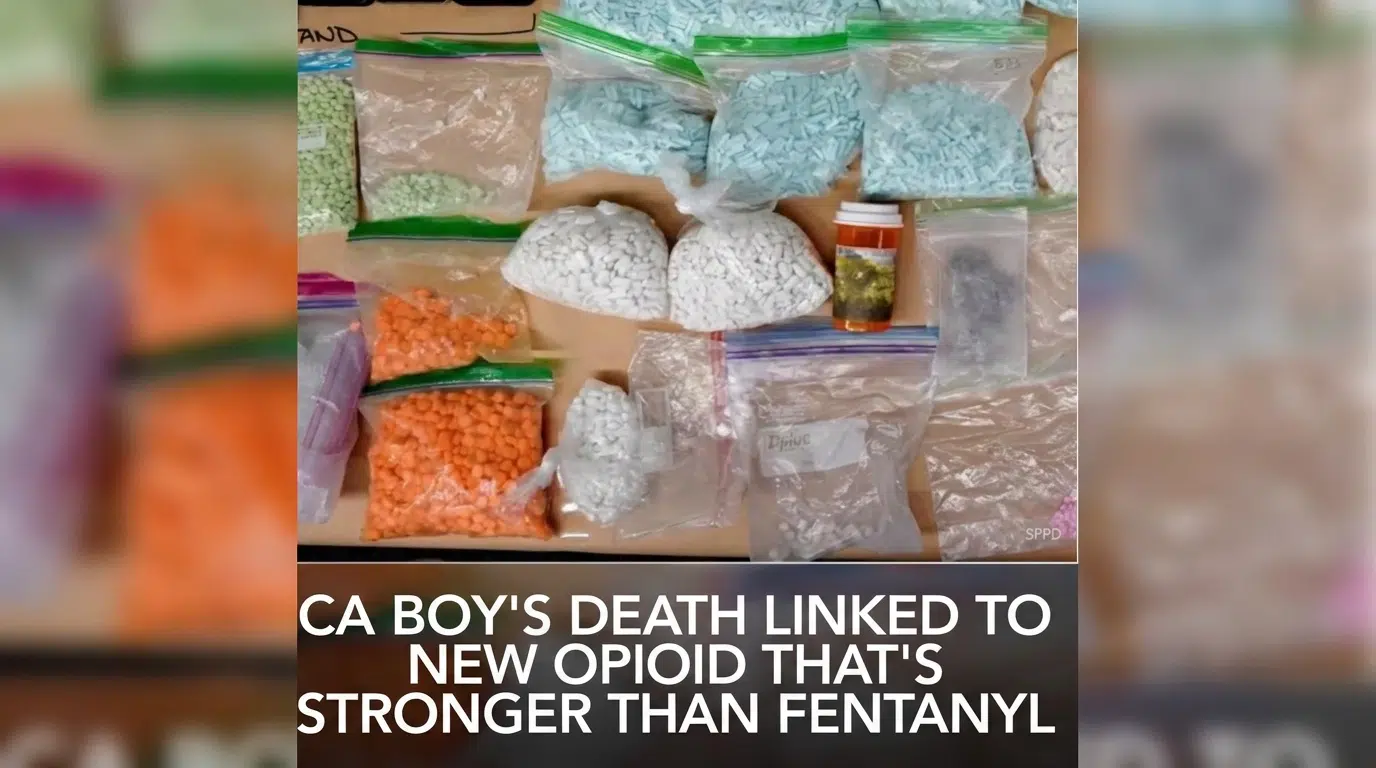
Just when it seemed the opioid crisis couldn’t get more dangerous, a new synthetic opioid has emerged that public health officials say is even more potent than fentanyl. Its name is cychlorphine, and it’s already been linked to the death of a teenager in California. Because it hides in counterfeit pills and slips past the tests people rely on to stay safe, awareness is one of the only defenses available right now. If you want to understand the threat this new opioid poses, here’s what officials know so far, and why it matters.
What Is Cychlorphine?
Cychlorphine is a new, extremely potent synthetic opioid. It belongs to a newer group of opioids sometimes called “orphines,” or brorphine-like opioids. Chemically, it’s different from fentanyl and from the nitazene class of opioids, but it works in a similar and dangerous way.
Like other opioids, cychlorphine activates the brain’s opioid receptors. In doing so, it can cause profound sedation and dangerous respiratory depression, meaning it slows or stops a person’s breathing. That respiratory depression is what makes opioids so deadly in overdose, and cychlorphine appears especially capable of causing it.
Just How Potent Is It?
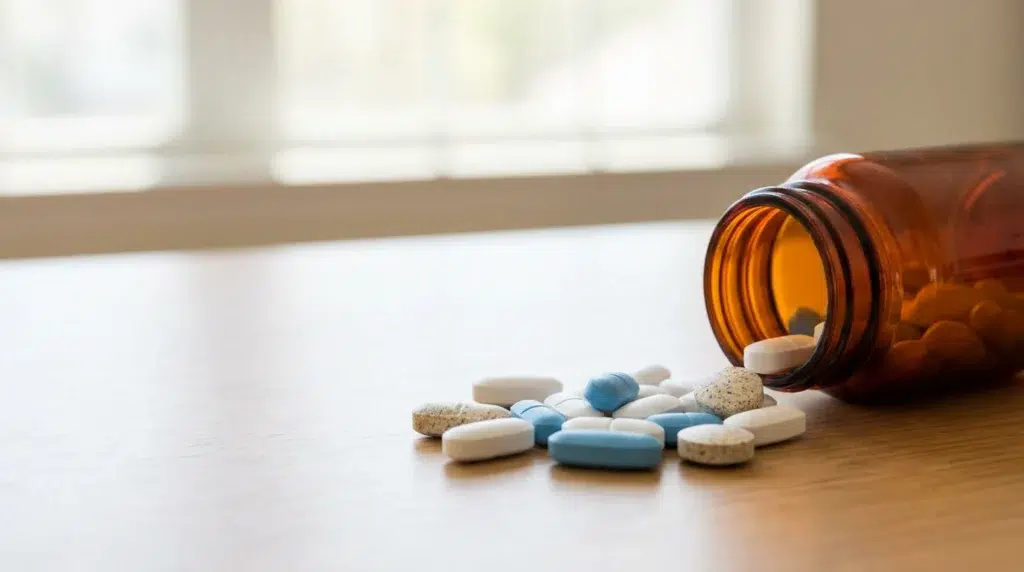
The most alarming thing about cychlorphine is its strength. According to forensic science research from the Center for Forensic Science Research and Education (CFSRE), laboratory data indicate it is roughly 10 times more potent than fentanyl, and the substance has already been identified in dozens of fatal overdoses across the United States and Canada. San Francisco public health officials have similarly estimated it may be around 10 times as potent as fentanyl.
To put that in perspective, fentanyl is already so potent that an amount smaller than a few grains of salt can be fatal. Something estimated to be roughly ten times stronger means an even tinier, nearly invisible amount could cause a fatal overdose. When a drug is this powerful, the margin between a dose and a deadly dose becomes vanishingly small.
People may not even know they’re taking it. That’s what makes cychlorphine so dangerous.
The Hidden Danger: You May Not Know You’re Taking It
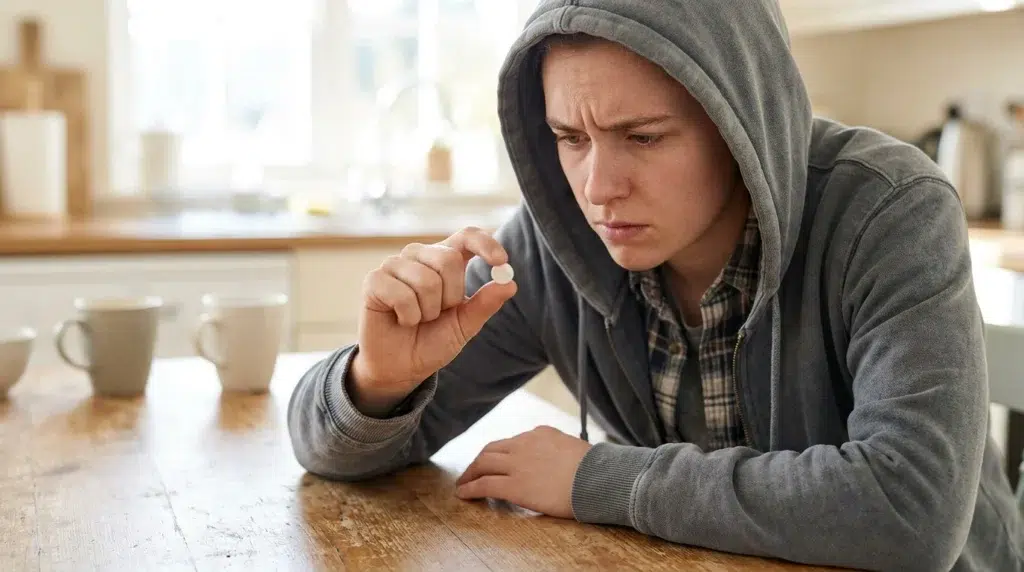
What makes cychlorphine especially frightening is that people often have no idea they’re consuming it. This isn’t a drug most people seek out. It’s showing up hidden in other things.
According to public health reports, cychlorphine has been detected in counterfeit pills made to look like common medications, including fakes designed to resemble Xanax, Percocet, Dilaudid, and OxyContin. It has also appeared mixed into other substances, including fentanyl, heroin, and cocaine. That means someone buying what they believe is a familiar prescription pill, or another drug entirely, could unknowingly be taking one of the most potent opioids ever identified. As the San Francisco Department of Public Health has warned families, there is no way to tell from appearance alone whether a pill is safe, and a single counterfeit pill can be fatal. This is fentanyl poisoning taken to an even more dangerous extreme.
Why Testing Won’t Catch It
One of the tools people have used to protect themselves against fentanyl is fentanyl test strips, which can detect fentanyl in a substance before use. Unfortunately, those strips offer no protection here.
Because cychlorphine is chemically different from fentanyl, fentanyl test strips are not expected to detect it. According to a case report from the American College of Medical Toxicology (ACMT), routine hospital urine drug screens for opiates and fentanyl, as well as fentanyl and nitazene test strips, will not flag cychlorphine, and in one documented case the patient’s standard screens came back negative even though specialized testing later confirmed the drug. This is a critical and dangerous gap. Someone could test a pill for fentanyl, get a negative result, and still be taking a substance that’s even more potent. The absence of a positive test does not mean a substance is safe, especially now.
At Changes, we have worked with our lab on ways to identify cychlorphine, so it doesn’t go undetected the way routine screens can miss it.
How to Lower the Risk
If you or someone you know uses pills or other substances bought outside a pharmacy, a few habits meaningfully reduce the chance that a bad dose turns fatal. None of them make an unknown drug safe, but together they save lives:
- Don’t use alone. Have someone present who can respond and call for help. If you’re by yourself, a “never use alone” support line can stay on the phone with you.
- Keep naloxone (Narcan) nearby. Know where it is and how to use it before an emergency, not during one.
- Don’t mix. Combining opioids with alcohol, benzodiazepines, or other substances that slow breathing sharply increases overdose risk.
- Be cautious with any new or unknown supply. A smaller initial amount can’t undo a dangerous dose, but it lowers the odds compared with taking a full unknown dose at once.
- Remember the source. Anything obtained outside a licensed pharmacy may contain substances no one intended, including opioids like cychlorphine.
These steps reduce risk. They cannot make an unknown drug safe. The only medications that are truly what they claim to be are those prescribed to you and dispensed by a licensed pharmacy.
A Tragic Loss in San Francisco
The dangers of cychlorphine are not hypothetical. San Francisco police reported that a 16-year-old boy who died in April 2026 had cychlorphine among the drugs in his system, part of a case that later led to multiple arrests and the seizure of more than 20,000 counterfeit pills. It was among the city’s first reported fatal overdoses involving the drug.
Behind that fact is a family’s unimaginable loss, and a stark warning for every community. According to reporting on the case, the teen’s mother administered naloxone but was unable to revive him, a heartbreaking detail that underscores how quickly and severely this drug can act. Officials have warned that the threat may be more widespread than current detection suggests, which is exactly why raising awareness matters so much.
Naloxone Still Matters
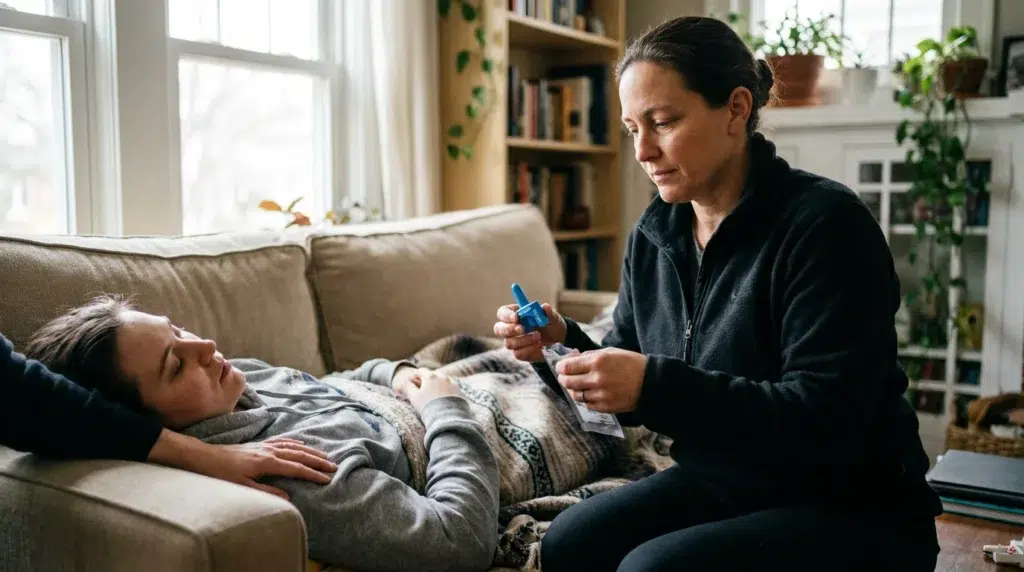
Even with a drug this potent, there is still a critical action that can save a life. Naloxone, commonly known by the brand name Narcan, should still be given if an opioid overdose is suspected.
Because cychlorphine acts on opioid receptors like other opioids, naloxone can still work to reverse an overdose. Officials note the window in which it works may be shorter, and more than one dose may be needed, but it remains a vital tool. The CDC’s guidance on naloxone is clear: if you suspect any opioid overdose, give naloxone if it’s available and call 911 immediately. Never hesitate to use it, and never assume it won’t help. It can still be the difference between life and death.
How to Recognize and Respond to an Overdose
Because cychlorphine and other hidden opioids can act fast, knowing how to respond, before you ever need to, can save someone’s life. You don’t need medical training, and you don’t need to know what the person took.
Warning signs of an opioid overdose include:
- The person can’t be woken up
- Slow, shallow, or stopped breathing
- Gurgling, choking, or snoring-like sounds from someone unresponsive
- Blue, gray, or discolored lips, nails, or skin
- Very small, pinpoint pupils
If you suspect an overdose, act right away:
- Give naloxone (Narcan) if it’s available, following the instructions on the device.
- Call 911 immediately. Give your location first in case the call drops.
- If normal breathing doesn’t return, give another dose every 2, 3 minutes. Newer, more potent opioids like cychlorphine may require more than one dose.
- Follow the dispatcher’s instructions for rescue breathing or CPR if the person isn’t breathing normally.
- If the person is breathing, place them on their side (the recovery position) so they don’t choke, and stay with them.
Do not wait to identify the drug before acting. The signs and the response are the same regardless of what was taken. And because naloxone can wear off before the opioid does, emergency care is still necessary even after someone appears to recover, so stay with them until help arrives. For a full walkthrough, SAMHSA’s Overdose Prevention and Response Toolkit is a trusted, free resource.
What This Means for Everyone
The emergence of cychlorphine carries a sobering message that reaches beyond people who use drugs. In an era of counterfeit pills laced with substances this potent, there is no such thing as a safe pill bought outside a pharmacy.
A pill that looks exactly like a prescription Xanax, Percocet, or OxyContin could contain a lethal dose of an opioid the buyer never intended to take. This is especially critical for young people, who may not realize that a single counterfeit pill from a friend or a social media source can be fatal. The only truly safe medications are those prescribed by a doctor and dispensed by a licensed pharmacy.
How Changes Can Help
News like this is frightening, especially for anyone struggling with opioid use or worried about a loved one. The most important thing to know is that help is available, and treatment saves lives. That’s the way we approach it at Changes. A few of the ways that support comes together:
- Medical support to help people safely manage withdrawal and stabilize.
- Individual therapy to address the roots of substance use and build healthier coping.
- Group therapy with people who understand what recovery from opioids takes.
- Psychiatric support for the mental health struggles that often accompany addiction.
- A supportive community and harm-reduction-informed care focused on keeping people alive and helping them heal.
Awareness Saves Lives
Cychlorphine is a stark reminder of how quickly and dangerously the drug supply is changing. An opioid potentially ten times stronger than fentanyl, hidden in ordinary-looking pills and undetectable by common tests, is a serious threat, and knowing about it is one of the best protections there is.
Share this information with the people you love, especially young people. Carry naloxone if you can. And if you or someone you care about is struggling with opioids, please reach out for help. In a landscape this dangerous, getting into treatment isn’t just about recovery. It can be lifesaving.
Call Today, Help Is Available
If you or someone you love is struggling with opioids, please don’t wait. At Changes Treatment Center, we help people safely overcome opioid dependence and rebuild their lives through PHP, IOP, outpatient treatment, therapy, psychiatric care, and Beyond Therapy programming. Located in Costa Mesa, California. Call (949) 807-2008 today, because in a landscape this dangerous, getting help can save a life.
Frequently Asked Questions
What is cychlorphine?
Cychlorphine is a new, extremely potent synthetic opioid, part of a newer group sometimes called “orphines” or brorphine-like opioids. It’s chemically different from fentanyl and nitazenes but activates opioid receptors, causing profound sedation and dangerous respiratory depression. Officials say it may be significantly more potent than fentanyl.
How strong is cychlorphine compared to fentanyl?
According to reporting on the drug, the UN Office on Drugs and Crime has noted laboratory studies showing its potency exceeds fentanyl, and San Francisco public health officials estimated it may be around 10 times as potent. Since fentanyl is already deadly in tiny amounts, a drug this much stronger is extraordinarily dangerous.
Can fentanyl test strips detect cychlorphine?
No. Because cychlorphine is chemically different from fentanyl, fentanyl test strips are not expected to detect it, and many routine opioid drug screens won’t identify it either. This means a substance could test negative for fentanyl and still contain this even more potent opioid, so a negative test does not mean something is safe.
Does Narcan work on cychlorphine?
Naloxone (Narcan) should still be given if an opioid overdose is suspected. Because cychlorphine acts on opioid receptors, naloxone can still work, though the window may be shorter and more than one dose may be needed. Always call 911 immediately and administer naloxone if available, never assuming it won’t help.
Why are counterfeit pills so dangerous?
Counterfeit pills are made to look like real medications such as Xanax, Percocet, Dilaudid, or OxyContin, but can contain lethal doses of potent opioids like cychlorphine or fentanyl. A person may have no idea what they’re actually taking. The only safe medications are those prescribed by a doctor and dispensed by a licensed pharmacy.
How can I lower the risk from fake or unknown pills?
The safest choice is to only take medications prescribed to you and filled at a licensed pharmacy. If someone does use substances bought elsewhere, risk-reduction steps can help: don’t use alone, keep naloxone within reach and know how to use it, avoid mixing opioids with alcohol or benzodiazepines, and treat any unknown supply as potentially dangerous. These steps reduce risk but cannot make an unknown drug safe.
What should I do if I think someone is overdosing?
Act immediately, even if you’re not sure and don’t know what they took. Give naloxone (Narcan) if available, call 911, and give another dose every 2, 3 minutes if normal breathing doesn’t return. Follow the dispatcher’s instructions for rescue breathing or CPR, and if the person is breathing, place them on their side. Because naloxone can wear off before the opioid does, stay with them and make sure they receive emergency care even if they seem to recover.