



To stop drinking, start by setting a specific quit date and writing down your reasons. Share your plan with someone you trust for accountability. Remove all alcohol from your home and avoid known triggers like bars. Identify high-risk moments, stress, boredom, weekends, and prepare coping responses. Track your alcohol-free days, sleep, and mood weekly. Treat lapses as signals, not failures. If withdrawal symptoms appear, seek medical support. Each step below breaks these actions down further.
Key Takeaways
- Set a specific quit date and write down your reasons for stopping, then share your plan with a trusted person for accountability.
- Remove all alcohol from your home and swap in non-alcoholic options to reduce temptation and reshape drinking spaces.
- Identify your triggers, stress, boredom, weekends, certain people or places, and prepare alternate responses for each high-risk moment.
- Track alcohol-free days, drinks, sleep, and mood weekly to spot patterns, adjust strategies, and celebrate your progress.
- Treat any lapse as a signal to adjust, reconnect with support, and seek professional help if withdrawal symptoms occur.
What Are 10 Practical Steps to Stop Drinking Alcohol and Stay Alcohol-Free
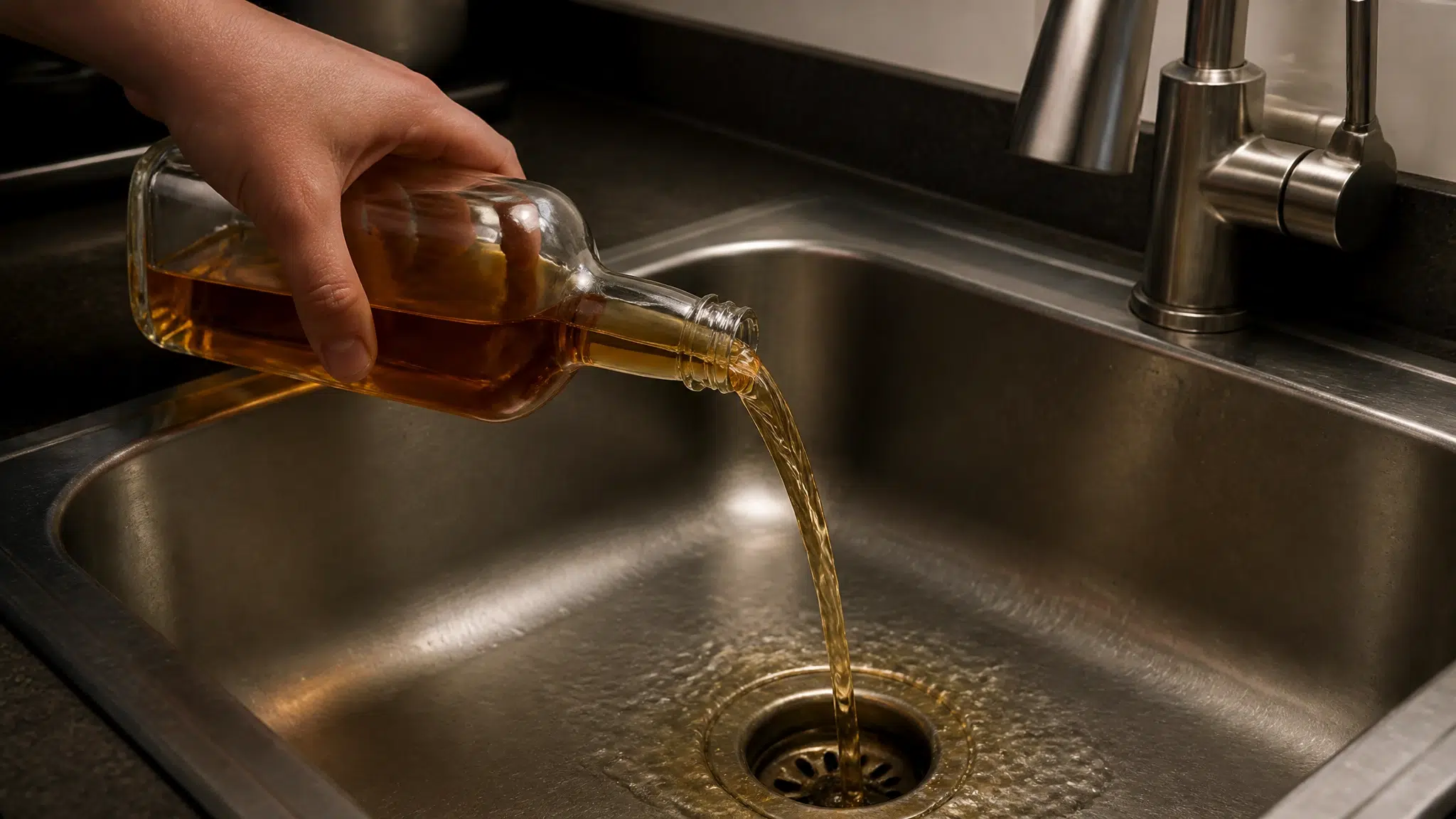
The 10 practical steps to stop drinking and stay alcohol-free are: creating a clear quit plan, removing easy access to alcohol, reducing triggers, building a replacement routine, using craving-management tactics, creating support and accountability, seeking medical help when necessary since withdrawal can be dangerous, using alcohol-free days as stepping stones, strengthening trigger-specific plans, and protecting your sleep, nutrition, and stress levels. Each one targets a specific challenge you’ll face along the way. The final step involves planning for relapse prevention, treating any lapse as a signal to adjust rather than a failure. Medication-assisted alcohol recovery can be an effective approach for those who struggle with significant dependencies. It provides essential support through the use of prescribed medications that help to manage withdrawal symptoms and reduce cravings.
When Is It Medically Unsafe to Stop Drinking Without Withdrawal Management
Stopping drinking is medically unsafe without withdrawal management if you’ve been drinking heavily or daily, because stopping suddenly can trigger withdrawal symptoms that range from uncomfortable to life-threatening. Watch for shaking, sweating, anxiety, nausea, rapid heartbeat, or trouble sleeping. More severe signs, including seizures, hallucinations, or confusion, demand emergency care. If past quit attempts caused any of these symptoms, don’t stop on your own, your risk is higher.
Supervised detox keeps you safe by monitoring your body and managing symptoms with medication when needed. Professional treatment can also include therapy and structured rehab to support lasting recovery.
Access remains a serious gap: only about one in six people with alcohol use disorders receive treatment. Reaching out isn’t weakness, it’s the safest, most effective way to protect your health while quitting.
How Can You Turn a General Goal to Quit Drinking Into Specific Daily Actions

You turn a general goal to quit drinking into specific daily actions by setting a specific quit date, not an open-ended “someday.” Write down your reasons for stopping, health, money, relationships, sleep, mental clarity, and keep them somewhere you’ll see them when motivation dips. Define your goal as alcohol-free, not simply “cutting down,” since a clear target is easier to act on. Share your plan with a trusted person who can hold you accountable during high-risk moments. Then break the goal into concrete daily steps: remove alcohol from your home, plan your evenings, and prepare a script for declining drinks. Track each alcohol-free day with a calendar, app, or journal so progress stays visible. Small, repeatable actions build momentum, and seeing your streak grow reinforces the choice you’re making.
How Can You Identify Your Highest-Risk Drinking Triggers Before They Catch You Off Guard
You identify your highest-risk drinking triggers by mapping them before they surface in the moment, since triggers rarely announce themselves. Start by tracking your patterns in a journal or app. Note when cravings hit hardest, and you’ll likely spot recurring themes: evenings, weekends, stress, boredom, or celebrations. Each drinking episode carries clues about what set it off.
Pay attention to specific people, places, and routines linked to drinking. Maybe a certain bar, a stressful commute, or a lonely Friday night reliably pushes you toward alcohol. Write these down honestly, without judgment.
Then identify your high-risk moments in advance so they don’t catch you off guard. Once you see the patterns clearly, you can prepare alternate routes, activities, and responses, turning hidden triggers into situations you’re ready to handle.
What Should You Change in Your Environment Before You Stop Drinking

Change your home, your routines, and your social exposure before you stop drinking. The environment around you shapes your drinking more than willpower does, so changing it before your quit date gives you a real advantage. Start by removing all alcohol from your home, open bottles, backups, and anything tucked away for guests. When it’s not within reach, you don’t have to fight the same battle every evening.
Next, adjust the routines and spaces tied to drinking. If certain routes pass your usual bar, plan a different way home. Rearrange the settings where you’d normally reach for a drink, and swap in non-alcoholic options like sparkling water or alcohol-free beer.
Finally, limit exposure to people and activities that make drinking likely, at least early on. You’re not avoiding life, you’re clearing obstacles so staying sober feels manageable.
What Should You Track Each Week to See Whether Your Plan Is Working
Track your alcohol-free days, standard drinks, triggers, and sleep and mood each week to see whether your plan is working. Weekly tracking turns vague effort into measurable progress, helping you spot patterns before they become setbacks. Count your alcohol-free days, note any drinks and their standard-drink totals, and record the triggers that pushed you toward alcohol. Watch your sleep, mood, and cravings too, since these often shift first.
| What to Track | Why It Matters | How to Record |
|---|---|---|
| Alcohol-free days | Shows consistency | Calendar or app |
| Standard drinks | Builds awareness | Daily journal |
| Triggers | Reveals weak spots | Notes by time |
| Sleep and mood | Signals recovery | Quick 1 to 5 rating |
Review your log each week, adjust what isn’t working, and celebrate genuine gains.
What Should You Do if You Drink Again After Trying to Stop
Treat the lapse as a warning signal, not a failure. A single slip doesn’t erase your progress, but it does give you information you can use. Review what triggered the drinking. Was it stress, boredom, loneliness, or social pressure? Identify the exact moment your plan broke down, then adjust it quickly so the same gap doesn’t reopen. Reconnect with your support person immediately rather than hiding the episode; isolation tends to prolong lapses. Keep your triggers, coping tools, and emergency contacts within reach so you can respond fast. Then return to the routines that make sober living easier than drinking. Recovery isn’t a straight line, and learning from a lapse strengthens your long-term plan.
When Is Professional Alcohol Treatment Better Than Self-Directed Change
Self-directed change isn’t enough when your drinking history and past quit attempts signal serious risk. If you drink heavily or daily, stopping suddenly can trigger withdrawal, shaking, sweating, anxiety, or seizures, that may become dangerous without supervised detox. If previous attempts caused these symptoms, professional treatment isn’t optional; it’s necessary. Medical support can include therapy, medication, or structured rehab tailored to your needs.
Treatment access remains a serious gap. A global review found only about one in six people with alcohol use disorders receive treatment. In 2024, U.S. survey data showed 27.9 million people aged 12 and older met criteria for AUD, yet only 2.1 million received treatment. Don’t wait until a crisis, reaching out early protects your safety and recovery.
Get Help When Stopping Alcohol Is Hard to Do Alone
Changes Treatment Center in Costa Mesa provides treatment for alcohol use disorder and other substance use disorders through Partial Hospitalization (PHP), Intensive Outpatient (IOP), individual and group therapy, psychiatric support, medication management, and treatment for co-occurring mental health concerns. If you have tried to stop drinking but keep returning to alcohol, treatment can provide additional structure and support while addressing the patterns, triggers, and mental health concerns connected to drinking. Call (949) 807-2008 to speak with the admissions team about available treatment options.
Frequently Asked Questions
How Long Do Alcohol Cravings Typically Last After Quitting?
Individual cravings usually peak and pass within a few minutes, so you can often ride them out with delay tactics, water, a snack, or a quick distraction. Cravings tend to hit hardest in the first days and weeks, then gradually ease over time. They may still surface occasionally, especially around triggers like stress or social settings. When one becomes too strong, leave the situation and lean on your support system.
Can I Still Socialize at Bars Without Drinking Alcohol?
Yes, you can socialize at bars without drinking. Order a non-alcoholic substitute like sparkling water or an alcohol-free beer, and keep a familiar ritual going by using a special glass. Prepare a short refusal phrase, such as “No, thanks,” before you arrive. Bars can be high-risk settings, though, so give yourself permission to leave if it gets too difficult. Bring a supportive friend, and don’t test your willpower unnecessarily.
Will My Body Heal After I Stop Drinking?
Yes, your body starts healing once you stop drinking. You’ll often notice better sleep, steadier energy, and clearer thinking within weeks. Your liver can begin repairing, and hydration, digestion, and mood tend to improve over time. If you’ve been a heavy or daily drinker, talk with a clinician first, since withdrawal can be dangerous. Protect your sleep, nutrition, and stress levels to support recovery and make the healing process easier.
How Do I Tell My Employer About My Recovery?
Start by deciding what you actually need to share, you’re not required to disclose everything. Focus on what supports your work, like adjusting your schedule for appointments. Choose a private moment with your manager or HR, and keep it brief and professional. You might say you’re addressing a health matter and need some flexibility. Know your workplace protections and support programs. Sharing with one trusted person first can build your confidence.
Are Medications for Quitting Alcohol Safe and Effective?
Yes, medications for quitting alcohol can be both safe and effective when a professional prescribes and monitors them. They’re often part of comprehensive treatment that includes therapy and structured support. Because heavy or daily drinking can trigger dangerous withdrawal, you’ll want medical guidance, especially if past attempts caused shaking, sweating, anxiety, or seizures. Talk with your doctor about your history, and they’ll help you find the safest, most effective option.