





Speed and meth aren’t exactly the same drug, but they’re closely related stimulants. “Speed” usually means amphetamine, while meth means methamphetamine, which often acts more strongly and lasts longer because it enters the brain more easily. Street names vary by country, and unregulated products may contain amphetamine, meth, caffeine, fillers, or fentanyl. You can’t confirm contents by appearance, smell, or label, so testing and harm-reduction steps matter; the sections below explain why.
Key Takeaways
- Speed usually refers to amphetamine, while meth refers to methamphetamine, though slang varies by region.
- Amphetamine and methamphetamine are related central nervous system stimulants with similar alertness, energy, heart rate, and dopamine effects.
- Methamphetamine enters the brain faster and is typically more potent and longer-lasting than amphetamine.
- Street names are unreliable; products sold as speed or meth may contain different stimulants, fillers, or unknown substances.
- Visual appearance cannot confirm identity, and drug checking is the safest way to identify contents and reduce fentanyl risk.
Are speed and meth the same drug

Speed and meth are not strictly the same drug. Speed commonly refers to amphetamine, while meth means methamphetamine. Both are related central nervous system stimulants, not identical substances. Both can raise alertness, energy, heart rate, blood pressure, and dopamine/norepinephrine activity.
The key stimulant differences involve chemistry, potency, and typical effects. Methamphetamine has a methyl group that helps it enter the brain more rapidly, so it’s usually more potent and longer lasting than amphetamine. You may see overlapping effects, including wakefulness, appetite suppression, focus, and euphoria, but methamphetamine tends to produce stronger reinforcement and higher addiction risk. Prescription amphetamines, such as Adderall, aren’t methamphetamine, even though they’re in the same stimulant family. Adderall vs. meth differences are crucial to understand, particularly when considering their respective uses and the implications of misuse. While Adderall is prescribed for conditions like ADHD and narcolepsy, methamphetamine is often associated with recreational use and severe health consequences. The comparison of vyvanse and meth highlights significant differences in safety and intended use. While vyvanse is designed for therapeutic purposes and is less likely to lead to addiction, meth remains a powerful substance with dangerous effects.
What does the word speed actually refer to and why does it shift by country
“Speed” usually refers to amphetamine, but in real-world use it can also describe methamphetamine or broadly refer to illicit stimulants depending on context. You’ll usually see speed defined as amphetamine, while meth means methamphetamine. In real-world drug markets, though, slang terminology shifts by country, region, supply chain, and public-health messaging.
- In the U.S., speed often means amphetamine or a stimulant sold as amphetamine.
- In parts of Australia and the U.K., speed may describe lower-purity powdered amphetamine or methamphetamine.
- In some settings, people use speed as a broad label for illicit stimulants, not a confirmed chemical identity.
- In clinical or research contexts, you shouldn’t treat street names as reliable without testing.
How do speed and meth compare on form and appearance
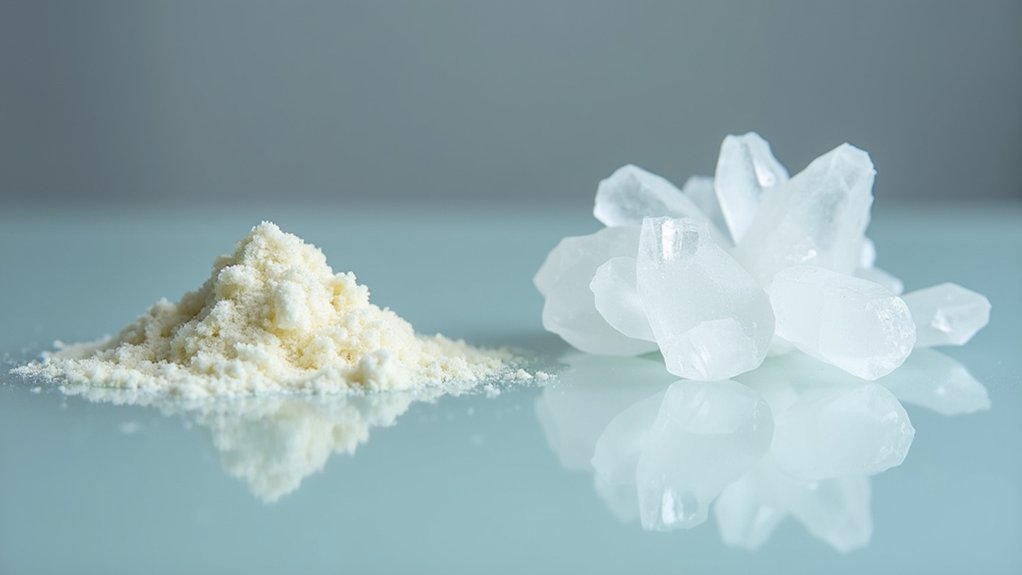
Speed and meth can overlap in form and appearance, so visuals alone can’t reliably identify which stimulant it is. You may see speed described as amphetamine powder, paste, or tablets, while methamphetamine may appear as powder, tablets, or crystalline “ice.” These forms/appearance patterns vary by region and supply.
| Label | Common form | Visual notes |
|---|---|---|
| Speed | Powder/paste | Often white, beige, or damp |
| Meth | Powder/crystal | Clear, white, or shard-like |
| Both | Tablets/capsules | Color and imprint vary |
You shouldn’t treat color, texture, or packaging as proof. Clinically, amphetamine and methamphetamine are related stimulants, but appearance alone can’t distinguish them with certainty. If you’re assessing risk, focus on effects, dose uncertainty, and medical symptoms rather than visual identification alone.
Why can nobody tell you what is in an unregulated stimulant
Nobody can tell what is in an unregulated stimulant by sight or informal description because these drugs do not follow manufacturing standards. You can’t reliably identify amphetamine, methamphetamine, or another substance by color, texture, smell, packaging, or nickname. Street drug composition changes by batch, source, region, and handling.
- A powder sold as “speed” may contain amphetamine, methamphetamine, caffeine, fillers, or other compounds.
- A crystal product may look consistent yet vary widely in purity and dose.
- Sellers may use familiar names for products they haven’t chemically verified.
- Your past experience with a similar-looking stimulant doesn’t prove the next sample matches it.
Clinical testing is the only way to confirm contents. Without that, you’re estimating based on incomplete information, and that uncertainty matters for effects, potency, duration, and medical risk.
What does fentanyl contamination mean for people who use stimulants
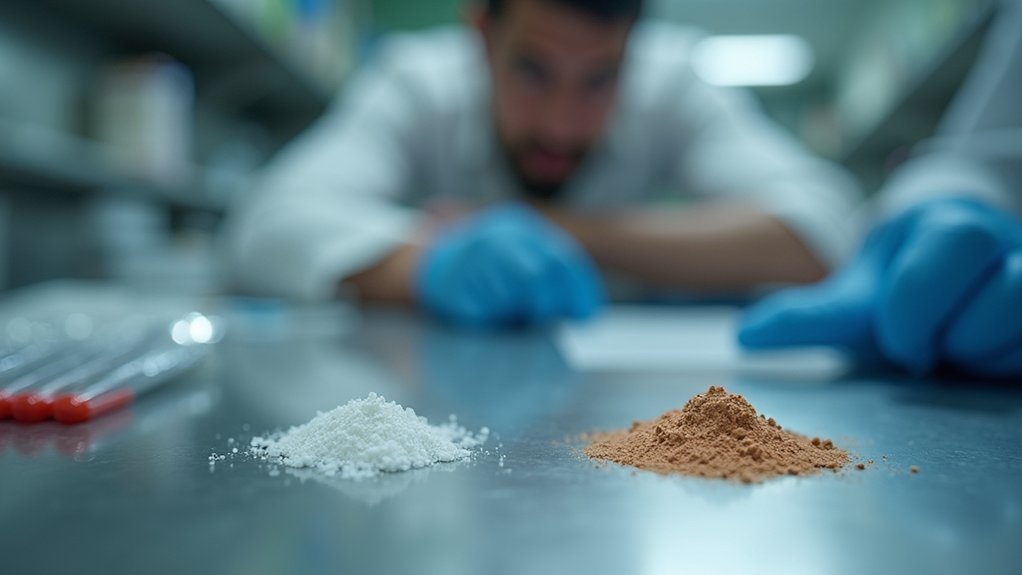
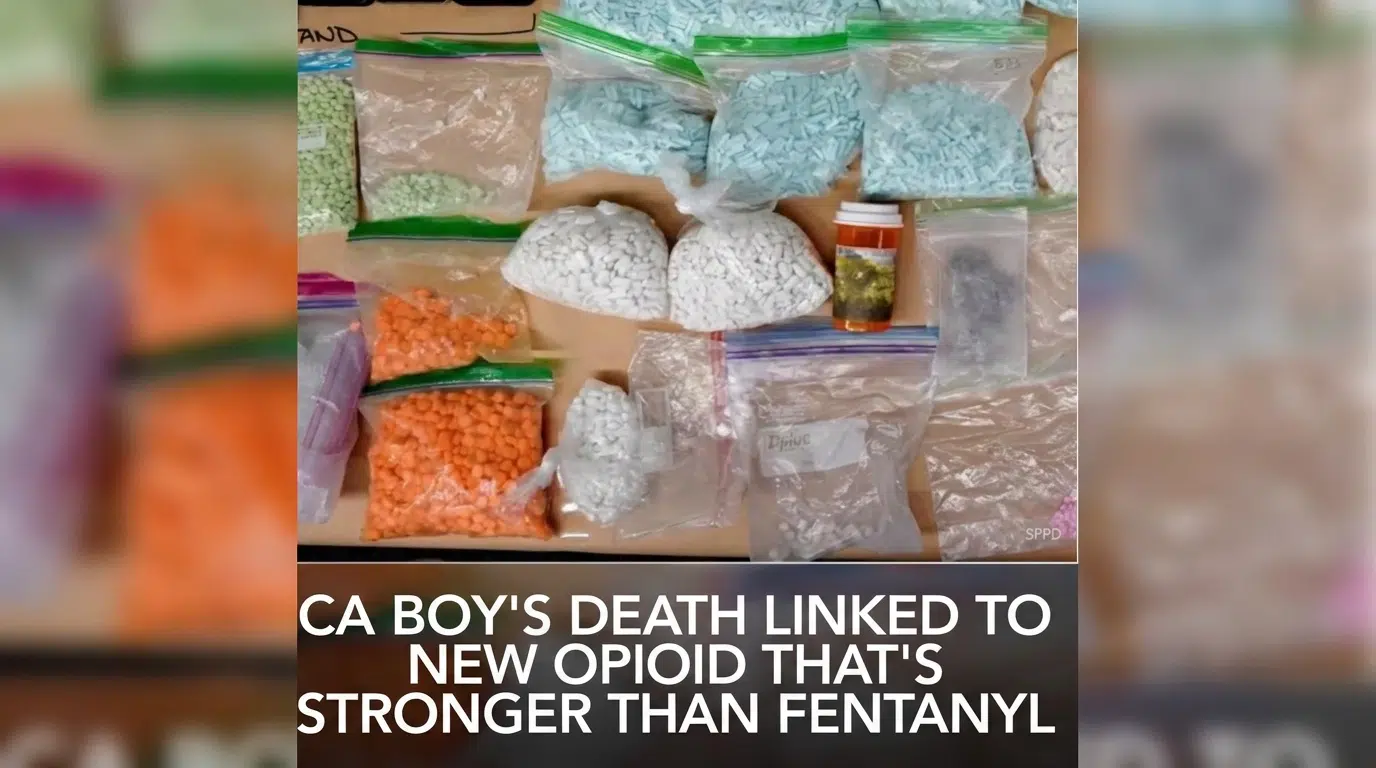
Fentanyl contamination means people who use stimulants may be exposed to a potent opioid without intending to take one. A stimulant sold as “speed,” meth, cocaine, or another non-opioid drug may contain fentanyl. This changes stimulant risks because fentanyl can slow breathing, cause sedation, and trigger overdose even when you expect alertness or energy. You can’t reliably identify fentanyl contamination by sight, smell, taste, or the label someone uses. Unregulated markets have variable illicit drug quality, so two batches with the same name may have different contents and potency. If you use stimulants, the main clinical concern is unexpected opioid exposure, especially if you don’t have opioid tolerance. Fentanyl test strips, drug checking where available, not using alone, and carrying naloxone can reduce risk without assuming your drug contains only stimulants.
Why does the name someone uses change what help they look for
The name matters because it can shape drug identity, perceived risk, and help-seeking behavior. If you call it “speed,” you may expect amphetamine-related guidance. If you call it “meth,” you may anticipate higher-risk counseling, longer effects, or stronger cravings. Clinicians use your words as clues, not judgments, and slang interpretation helps them ask better questions.
Drug names shape expectations, perceived risk, and the support people feel ready to seek.
- You may describe “speed” and minimize meth-related risks.
- You may avoid services labeled “meth treatment” if that doesn’t match your experience.
- You may seek stimulant support sooner when the name feels accurate.
- You may communicate more clearly when providers ask what the drug looked like, how it was used, and what effects occurred.
Accurate language helps match support to your goals and clinical needs.
Where do you start when the supply is unknown
Start by assuming the label may be inaccurate and the potency may vary. “Speed” can mean amphetamine, methamphetamine, or another stimulant mixture depending on region and source, so appearance, name, or price can’t confirm what’s in it.
You reduce risk by treating any illicit-stimulant-supply as unpredictable. If you’re seeking care, describe what you took, how much, when, and what effects you noticed, but don’t rely on the street name alone. Clinicians can assess symptoms such as agitation, chest pain, overheating, insomnia, anxiety, or psychosis and respond to the actual presentation. Drug checking, where legal and available, can identify some contents, though it may not quantify potency. If severe symptoms occur, don’t wait; call emergency services and mention possible stimulant exposure.
Stimulant Addiction Doesn’t Wait for “Rock Bottom”
Whether it’s called speed, meth, or something in between, dependence on stimulants is serious, and the sooner you address it, the better the outcome. Changes Treatment Center in Costa Mesa treats amphetamine and methamphetamine addiction with real clinical care, helping people manage cravings, get through the crash safely, and address the anxiety, depression, or paranoia that so often ride along with stimulant use. Through PHP, IOP, and outpatient care, our team builds recovery around your situation. If speed or meth has taken hold of your life or someone you love’s, reach out today. Call (949) 807-2008 to talk with our team.
Frequently Asked Questions
Can Prescription Amphetamines Test Positive for Methamphetamine?
Yes, prescription amphetamines can trigger a positive amphetamine result on many drug screens, but they shouldn’t usually confirm positive for methamphetamine on definitive testing. Initial immunoassay tests can cross-react or report broad stimulant categories. If you take Adderall, Dexedrine, or similar medication, tell the tester and provide your prescription. Ask for confirmatory GC-MS or LC-MS testing, which can distinguish amphetamine from methamphetamine more accurately and reliably.
How Long Do Speed and Meth Stay Detectable?
You can usually detect amphetamine or methamphetamine in urine for about 1, 4 days after use; heavy or chronic use may extend detection to a week. Blood and saliva tests often detect them for 1, 2 days, while hair tests may show exposure for up to 90 days. Your timing depends on dose, frequency, metabolism, kidney function, urine pH, and test cutoff. If results matter legally or medically, confirmatory lab testing’s important.
What Are Common Withdrawal Symptoms From Stimulant Use?
You may feel fatigue, low mood, anxiety, irritability, poor concentration, increased appetite, sleep changes, vivid dreams, and strong cravings after stopping stimulants. You might sleep excessively at first, then struggle with insomnia. Some people experience slowed thinking, body aches, agitation, or loss of pleasure. Symptoms often peak in the first week but can persist. If you feel suicidal, paranoid, or unable to function, seek urgent medical help.
Can Speed or Meth Cause Permanent Brain Changes?
Yes. You can develop long-lasting brain changes from speed or meth, especially with heavy or repeated use. These stimulants can alter dopamine and norepinephrine systems involved in reward, motivation, attention, and mood. Meth is linked more strongly to persistent cognitive, emotional, and movement-related changes. Some brain function can improve with sustained abstinence, sleep, nutrition, and treatment, but recovery varies. If you notice memory, mood, or impulse-control problems, seek medical support.
Is There Medication-Assisted Treatment for Stimulant Addiction?
Yes, you can get treatment, but there’s no FDA-approved medication specifically for stimulant addiction. Clinicians may use medications off-label to manage cravings, depression, anxiety, sleep problems, or ADHD when appropriate. Evidence supports behavioral treatments most strongly, especially contingency management, cognitive behavioral therapy, and motivational interviewing. You’ll usually do best with a tailored plan, regular monitoring, relapse-prevention skills, and support for co-occurring mental health or substance use conditions.