





Methamphetamine is an amphetamine: specifically, N-methylamphetamine, a distinct central nervous system stimulant in the amphetamine chemical class. You shouldn’t confuse chemical class with effect; “amphetamine” describes structure, while “stimulant” describes pharmacologic action. Meth increases dopamine, norepinephrine, and serotonin signaling, which drives wakefulness and high abuse risk. Urine screens may flag meth and amphetamine together, but confirmatory GC-MS or LC-MS can identify the exact drug and clarify disputed results.
Key Takeaways
- Yes, methamphetamine is an amphetamine and belongs to the amphetamine chemical class.
- Methamphetamine is an N-methylated derivative of amphetamine, giving it a distinct chemical identity and potency profile.
- Clinically, methamphetamine is a central nervous system stimulant that increases dopamine, norepinephrine, and serotonin signaling.
- Urine immunoassays may show methamphetamine and amphetamine as the same presumptive “amphetamine-positive” result.
- Confirmatory testing, such as GC-MS or LC-MS, can specifically distinguish methamphetamine from amphetamine and false-positive substances.
Is meth an amphetamine
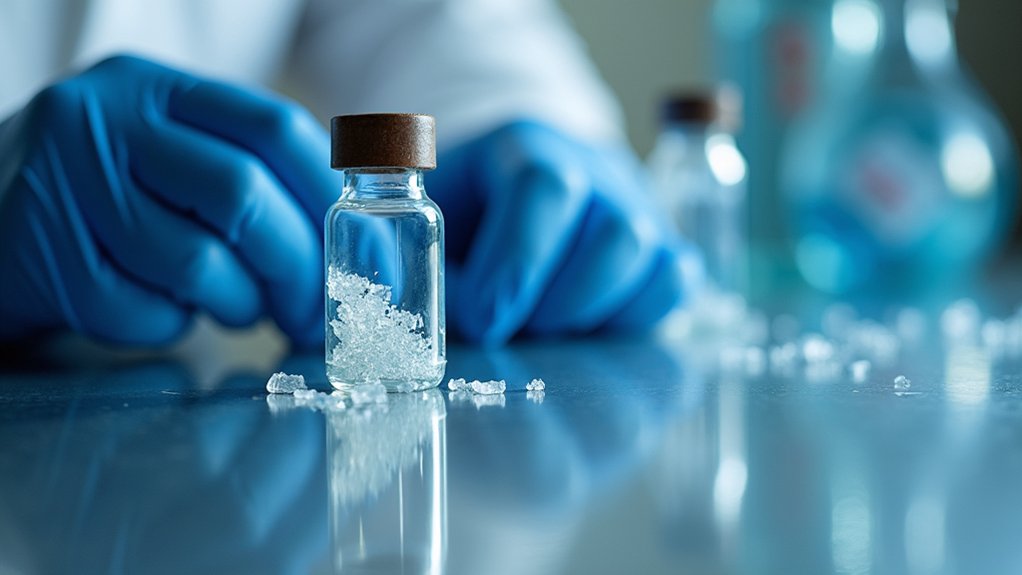
Methamphetamine is an amphetamine. More precisely, you’d classify methamphetamine as an N-methylated derivative of amphetamine and a member of the amphetamine chemical class. That means “meth” isn’t merely similar to amphetamine, it belongs to the same broader family while remaining a distinct substance. The differences between vyvanse and meth are significant, particularly in their composition and effects on the body. Vyvanse, a brand name for lisdexamfetamine, is a prodrug that requires metabolic activation in the body, while meth is a potent stimulant that acts more directly on the central nervous system.
Clinically, you’d also classify methamphetamine as a central nervous system stimulant. It increases monoamine signaling, especially dopamine, norepinephrine, and serotonin release, which explains its wakefulness-promoting, reinforcing, and high-abuse-liability profile. The terms don’t conflict, amphetamine describes the chemical class, while stimulant describes the pharmacologic effect.
You shouldn’t interpret this to mean methamphetamine and amphetamine are identical. Methamphetamine has an added methyl group on the nitrogen atom, which distinguishes it chemically and can affect potency and clinical risk.
Why can a urine screen not tell members of the amphetamine class apart
A urine screen can’t tell members of the amphetamine class apart because it usually shows an immunoassay result, not a molecule-specific diagnosis. A urine drug screen uses antibodies that react with shared structural features, so methamphetamine vs amphetamine may appear as the same presumptive positive.
| Test factor | What it detects | Clinical meaning |
|---|---|---|
| Immunoassay | Class pattern | Presumptive result |
| Shared structure | Similar backbone | Cross-reactivity |
| Metabolism | Related compounds | Overlapping signal |
| Cutoff level | Threshold response | Positive/negative only |
You shouldn’t treat this screen as definitive identification. Methamphetamine can metabolize partly to amphetamine, and both sit within the amphetamine class. For diagnostic certainty, you need confirmatory testing, usually gas or liquid chromatography with mass spectrometry, which separates and identifies specific analytes.
Which non-amphetamine drugs can trigger an amphetamine positive

Bupropion, labetalol, trazodone metabolites, selegiline, ranitidine, pseudoephedrine, phenylephrine, and some over-the-counter cold products can trigger a presumptive amphetamine-positive urine screen, even though they aren’t amphetamines. You should treat the result as a screening finding, not a confirmed diagnosis of methamphetamine or another amphetamine class drug. Cross-reactivity depends on the assay, cutoff, dose, timing, urine concentration, and metabolite pattern.
You can reduce error by documenting prescriptions, nonprescription products, supplements, and recent decongestant use before interpretation. If the result affects care decisions, request confirmatory testing with gas or liquid chromatography and mass spectrometry. Confirmation separates true amphetamine or methamphetamine exposure from immunoassay interference and helps your clinician match the result to your history, symptoms, and medication list accurately.
Why does calling meth an amphetamine carry legal weight
Calling meth an amphetamine carries legal weight because it links methamphetamine to controlled-substance laws that regulate amphetamine-type stimulants by chemistry, pharmacologic effect, medical use, and abuse potential. Methamphetamine classification matters because meth isn’t merely a street term, it names a specific Schedule II controlled substance with limited FDA-approved medical use and high abuse potential.
You also distinguish meth from noncontrolled look-alikes or unrelated stimulants. Its legal status depends on recognized chemistry, including its N-methylated relationship to amphetamine, and on documented CNS stimulant activity. In legal, forensic, or workplace contexts, this classification affects charging language, prescription verification, lab interpretation, and whether possession, distribution, or prescribing falls under controlled-substance rules federally.
Why does the grouping matter clinically

Grouping matters clinically because it helps clinicians anticipate methamphetamine’s stimulant effects, screen for related risks, and interpret symptoms in context. When you present with agitation, insomnia, elevated heart rate, hypertension, paranoia, or appetite loss, this clinical grouping guides differential diagnosis and safety planning. Because methamphetamine belongs to the amphetamine class, clinicians assess for stimulant intoxication, withdrawal, substance use disorder, cardiovascular strain, psychiatric symptoms, and medication interactions. You may receive questions about route of use, frequency, dose, sleep loss, chest pain, hallucinations, and co-occurring substances. This classification also helps providers choose appropriate toxicology testing and monitor complications such as arrhythmias, hyperthermia, dehydration, or acute psychosis. It doesn’t mean methamphetamine is identical to prescription amphetamine, but it signals a shared stimulant profile with high addiction risk and abuse potential.
Why do people use the two words as if they mean the same thing
People often use “meth” and “amphetamine” as if they mean the same thing because methamphetamine belongs to the amphetamine chemical class and produces similar stimulant effects. You hear the overlap in clinical notes, toxicology reports, public health materials, and law enforcement language because these settings group drugs by classification, mechanism, or risk. Methamphetamine is not identical to amphetamine. It’s an N-methylated derivative with distinct potency, kinetics, and abuse liability. Still, both increase monoamine signaling, especially dopamine and norepinephrine, so they can look similar in symptoms such as alertness, appetite suppression, agitation, insomnia, tachycardia, and hypertension. Used precisely, “meth” names a specific drug, while “amphetamine” can name either a specific medication or the broader amphetamine class. That distinction helps you interpret history, diagnosis, and risk.
How do you get a screen result confirmed when you dispute it
Request confirmatory testing with a more specific laboratory method, typically gas chromatography, mass spectrometry or liquid chromatography, tandem mass spectrometry. Immunoassay screens can flag an amphetamine class result, but they’re presumptive, not diagnostic. You should request the laboratory’s cutoff values, specimen type, collection time, chain-of-custody documentation, and medication list review. Tell the clinician about prescriptions, over-the-counter products, and supplements, including ADHD medicines, decongestants, or selegiline, because some can affect interpretation. Proper screening confirmation identifies specific analytes, such as methamphetamine versus amphetamine, and may distinguish some isomers when ordered. Don’t assume all drug testing results mean illicit use. Ask for a written toxicology interpretation from a qualified medical review officer or laboratory director before any clinical, employment, or legal decision is finalized.
Recovery From Meth Addiction Is Possible
Methamphetamine takes a heavy toll on the body, the brain, and the mind, but that damage doesn’t have to be the end of the story. Changes Treatment Center in Costa Mesa helps people break free from meth and other stimulant addiction with real clinical care, addressing the intense cravings, the crash, and the anxiety, depression, or paranoia that so often come with it. Through PHP, IOP, and outpatient care, our team meets you where you are and builds a plan for lasting recovery. If meth has taken hold of your life or someone you love’s, reach out today. Call (949) 807-2008 to talk with our team.
Frequently Asked Questions
Is Prescription Methamphetamine Still Considered Meth?
Yes. You can consider prescription methamphetamine “meth” because it contains methamphetamine, the same active drug. However, you shouldn’t equate prescribed Desoxyn® with illicit crystal meth. Prescription methamphetamine uses regulated dosing, pharmaceutical manufacturing, and medical monitoring. Illicit meth varies in purity, contaminants, dose, and route of use, increasing toxicity and addiction risk. Clinically, it remains a Schedule II CNS stimulant with accepted limited medical use and high abuse potential.
How Long Can Methamphetamine Remain Detectable in Urine?
Methamphetamine can remain detectable in your urine for about 1 to 4 days after use, but detection can last longer with heavy, repeated use. Your results depend on dose, frequency, metabolism, kidney function, urine concentration, and the test cutoff. You’ll usually see longer detection with chronic use than single exposure. A positive urine test shows recent exposure, not exact impairment or timing. Confirmatory testing can distinguish methamphetamine from related substances.
Is Methamphetamine Stronger Than Amphetamine?
Yes. You can generally consider methamphetamine stronger than amphetamine because it enters the brain more readily and produces more potent central nervous system stimulation. Its added methyl group increases lipid solubility, which can intensify dopamine, norepinephrine, and serotonin release. Clinically, you’d expect higher abuse liability, stronger euphoric effects, and greater neurotoxic risk, especially with nonmedical use. Still, dose, route, frequency, and individual physiology strongly affect observed potency and harm.
Are ADHD Medications the Same as Methamphetamine?
No, you shouldn’t consider ADHD medications the same as methamphetamine. Some ADHD drugs, like amphetamine salts or methylphenidate, are prescription stimulants, but clinicians prescribe them in regulated doses and formulations. Methamphetamine is chemically related and rarely prescribed as Desoxyn, yet illicit meth carries much higher risks, unpredictable potency, and addiction potential. You should distinguish therapeutic use from misuse: diagnosis, dosing, monitoring, and medical supervision change the risk profile dramatically.
Can Secondhand Meth Smoke Cause a Positive Test?
Yes, secondhand meth smoke can cause a positive test, but it’s uncommon outside heavy, enclosed exposure. You’d usually need significant contact in a poorly ventilated space for enough methamphetamine to enter your system. Standard urine tests detect meth and amphetamine metabolites, so timing, cutoff levels, and confirmatory testing matter. If you test positive, request GC-MS or LC-MS confirmation and document any exposure, symptoms, location, duration, and ventilation details.