

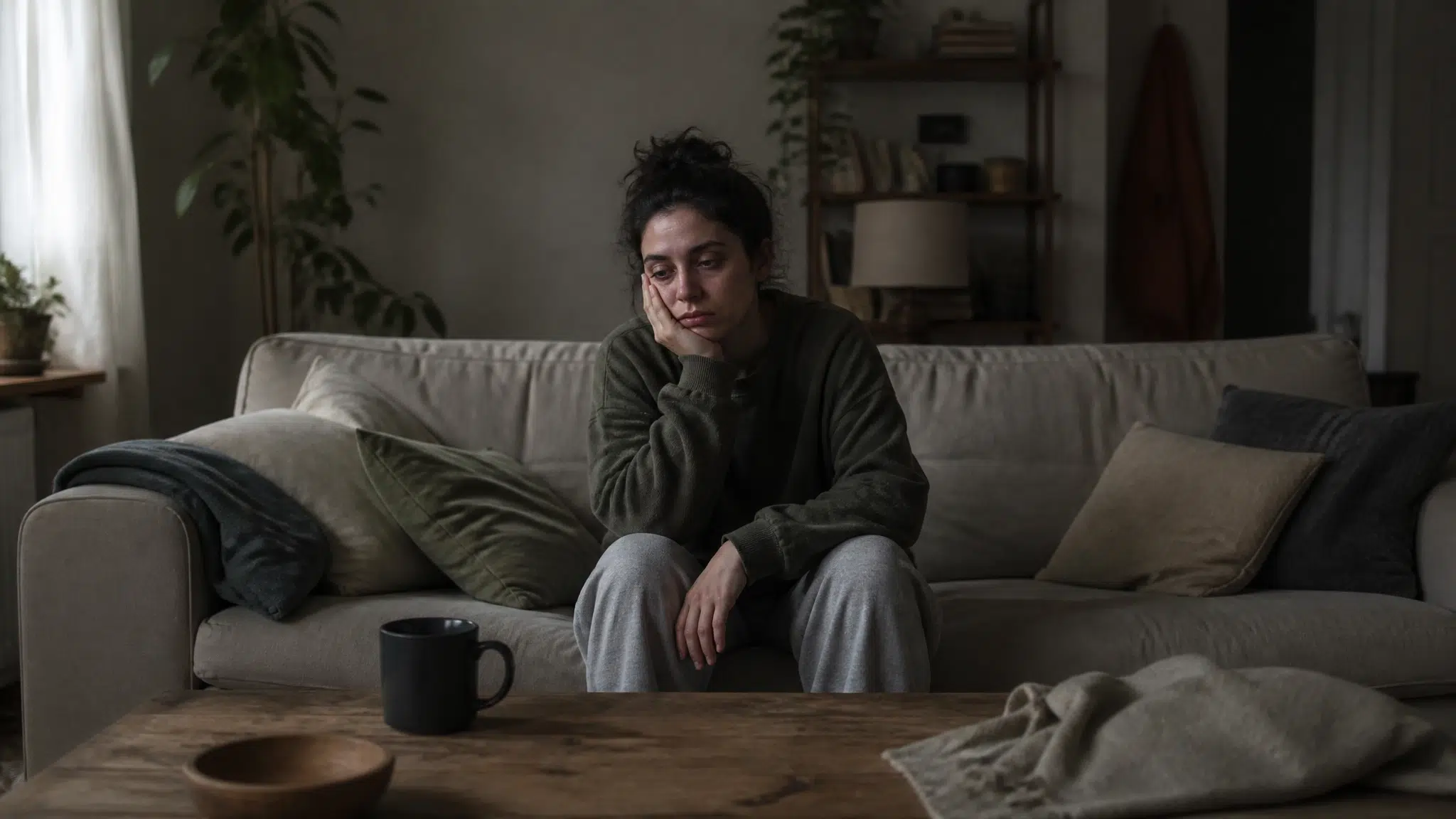

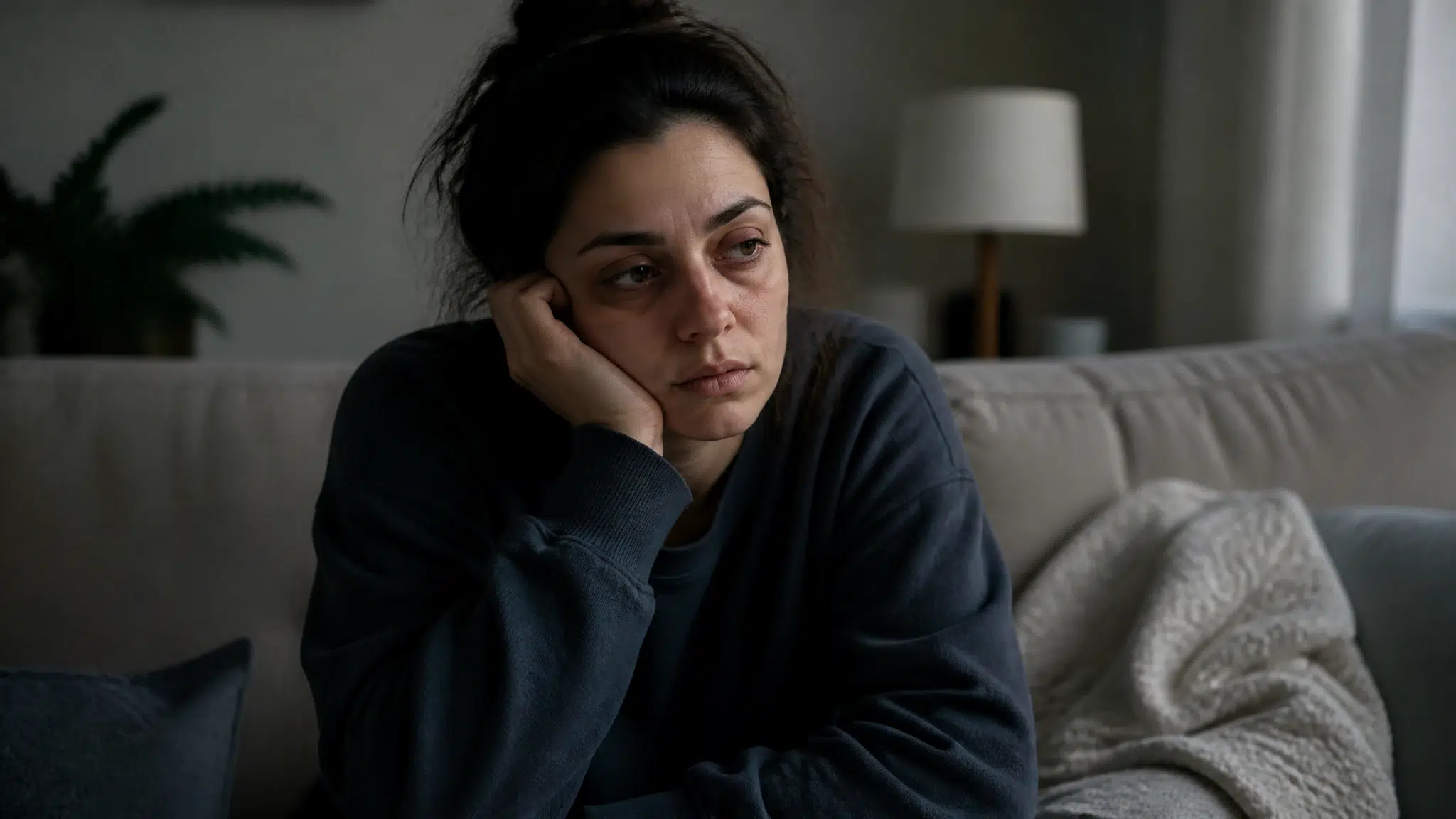
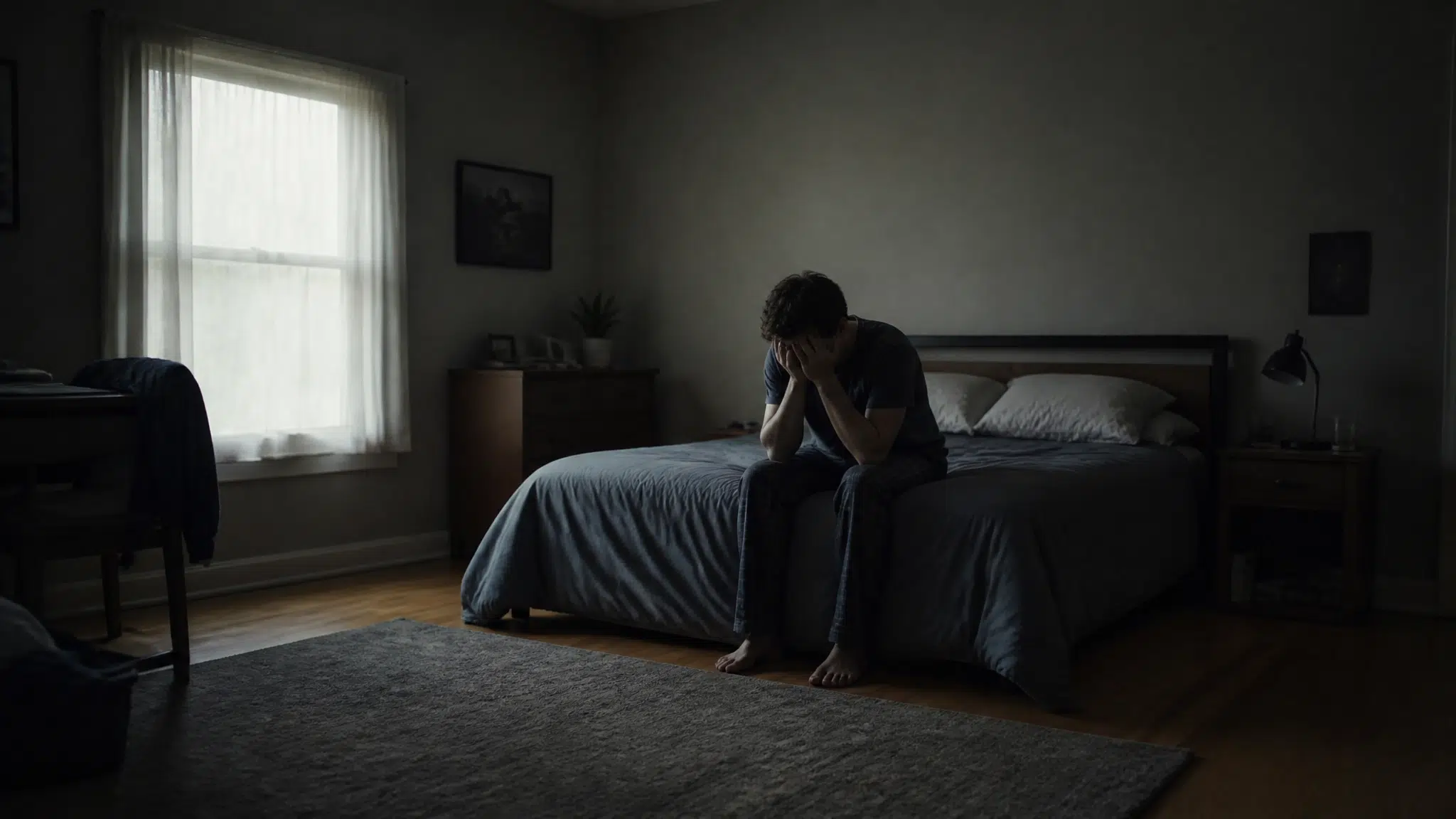
Addiction doesn’t wait. It doesn’t care what time it is, who’s asleep, or what you swore to yourself this morning. It’s the reason a person uses in a fast-food bathroom because they can’t make it home. It’s the 12:03 a.m. call to a dealer the second the money lands, because waiting until morning isn’t something the body will allow. It’s searching the floor for a speck that might have dropped. And the hardest part to explain to anyone on the outside is that it isn’t really about getting high anymore. It’s about not being able to survive one more minute of the wait. If you’ve ever felt that, you already know what addiction actually does to a person, and why five minutes of relief can quietly cost you everything.
It Was Never Really About Getting High

People on the outside assume it’s about chasing a good feeling. That’s the part that makes sense to them, and it’s the part that stops being true once addiction takes hold. The emotional challenges of addiction recovery can be overwhelming and complex. Many individuals face feelings of shame, guilt, and anxiety as they navigate their path to sobriety.
By then it isn’t about the high at all. It’s about escaping the unbearable stretch between uses. The rocking back and forth. Staring at the clock, watching five minutes crawl by like an hour. The relief you’re chasing isn’t pleasure anymore. It’s just the absence of that.
That’s the shift almost nobody sees coming. The drug stops adding anything to your day and becomes the only thing that makes the day survivable. And that’s the exact moment “five minutes of relief” turns into the most expensive thing you own.
Addiction Is Impatient, Unforgiving, and Manipulative
Those aren’t dramatic words. They’re an accurate description of how the disease behaves once it’s running the show.
- Impatient. It wants relief now. It overrides your plans, your promises, and your sense of what’s reasonable. A normal person can wait until morning. Addiction can’t wait five minutes.
- Unforgiving. One small opening, one “just this once,” and it takes everything you give it and asks for more. It never settles, and it never says thank you.
- Manipulative. It convinces you that you’re in control, that you could stop whenever you wanted, right up until the moment you actually try.
The cruelest part is that it speaks in your own voice. It doesn’t feel like an outside force taking over. It feels like you, making your own choices. That’s exactly why it’s so hard to see while you’re in it, and so hard to fight alone.
Why “I Can Handle It” Is the Most Dangerous Thought
Almost everyone who ends up here started with the same belief. I’m different. I can stop whenever I want. I’m smart enough to keep this in check.
That belief isn’t a sign of weakness. It’s a sign of how convincing the disease is. It lets you feel in control for exactly as long as it takes to make sure you’re not. By the time most people realize the line is behind them, they’ve already crossed it.
If you go in thinking you’ll stay in control, you will lose, and you’ll never be the same again.
That’s not a scare tactic. It’s the lived experience of nearly everyone who thought they were the exception. Addiction doesn’t negotiate, and it doesn’t make deals you get to keep.
The Five Minutes Never Stay Five Minutes
The math of addiction is brutal because it stays hidden. You’re never consciously choosing your future against a single hit. It never feels that big. It feels small. Just this once. Just to get through today.
But the trades stack up. A night becomes a routine. A routine becomes the thing your whole day bends around. And somewhere in there, with no single dramatic decision, the future you wanted slips out of reach. The job, the relationships, the person you meant to become, all traded away five minutes at a time, for relief that never lasts even that long.
If You Recognize Yourself in This
If any of this reads less like a story and more like a mirror, that recognition matters. A lot of people spend years unable to name what’s happening to them. Seeing it clearly, even for a moment, is where change starts.
You don’t have to hit a specific bottom to deserve help. You don’t have to wait until the future is gone to decide it’s worth saving. The fact that part of you is still reading means part of you is still fighting for it. That’s the part worth listening to.
And you don’t have to fight on the disease’s terms. Addiction wins when you face it alone, because alone is exactly where it’s strongest. With structure, real support, and people who understand what you’re up against, the odds change.
How Treatment Takes Away Addiction’s Advantage
Structured treatment doesn’t work by making the cravings disappear. It works by making sure you don’t face them by yourself, on the disease’s home turf. At Changes, that support is built around the whole person, not just the using.
- Individual therapy to get underneath the patterns driving the use, not just the use itself.
- Group therapy with people who know this exact pull, so the shame loses its grip.
- Psychiatric support when anxiety, depression, or other mental health struggles are tangled up in it.
- Case management for the practical wreckage that builds up and keeps pulling you back.
- Beyond Therapy programming to rebuild a life and a future that feel worth staying clean for.
Don’t Test It. Reach Out Instead.
The honest truth is worth repeating. Addiction is not something you outsmart by walking in alone and confident. Don’t test it, and don’t keep trading your future for five minutes that never last. Reach out before it costs you more than it already has.
Call Today and Choose Your Future Instead
Five minutes of relief is never worth what addiction charges for it. If you recognized yourself in any of this, that’s not a reason for shame. It’s a reason to reach out. At Changes Treatment Center, we help people stop trading their futures away and start rebuilding them, through PHP, IOP, outpatient treatment, therapy, psychiatric care, and Beyond Therapy programming. Located in Costa Mesa, California. Call (949) 807-2008 today and choose the future you were really trying to protect.
Frequently Asked Questions
Is addiction really not about wanting to get high?
In the early stages it can be. But once addiction takes hold, it shifts from chasing a high to escaping the unbearable state between uses. For many people, using becomes less about feeling good and more about not being able to tolerate another minute of withdrawal, restlessness, and craving.
Why can’t I just stop if I know it’s hurting me?
Because addiction isn’t a willpower problem. It’s a brain and body that have adapted to needing the substance to function. Knowing it’s harmful and being able to stop on your own are two very different things, and that gap is exactly why structured treatment and real support make such a difference.
I think I can control it. Why is that risky?
“I can handle it” is one of the most common thoughts people have right before they lose control. The disease is convincing precisely because it lets you feel in charge for as long as it takes to make sure you’re not. Believing you’re the exception is one of the clearest signs it’s worth taking seriously.
I recognized myself in this. What’s the first step?
Recognizing it is the first step, and it’s a real one. The next is a short, confidential conversation with people who understand what you’re dealing with. You don’t have to have it all figured out or hit a specific bottom first. You just have to reach out.
How does Changes Treatment Center help with addiction?
Our outpatient programs are built around the whole person. Individual therapy, group therapy, psychiatric care, case management, and Beyond Therapy programming work together to take away the isolation addiction depends on and rebuild a life and a future worth staying clean for.