





A lot of people get sober expecting to feel better right away, and then panic when they don’t. The cravings are gone, the using has stopped, and yet they feel foggy, restless, low, and worn out. It’s easy to read that as proof you’re failing at recovery. You’re not. If sobriety doesn’t feel good at first, it doesn’t mean you’re doing it wrong. It means your mind and body are still healing, and that takes time. You can’t undo decades in a couple of weeks.
Why the Early Days Feel So Hard

Here’s the part nobody warns you about. The hardest stretch often isn’t the first few days of quitting. It’s the weeks and months after, when the acute withdrawal has passed and you expected to feel like yourself again, but you don’t.
There’s a real reason for that. After long-term substance use, the brain has to relearn how to produce its own feel-good chemicals, dopamine and endorphins that the substance was flooding or faking for years. According to addiction treatment specialists, that recalibration commonly takes anywhere from six months to two years. During that window, low mood, brain fog, poor sleep, and emotional swings are common, and they tend to come and go in waves rather than disappearing all at once.
So if you feel off long after you stopped using, that’s not a sign the work isn’t working. It’s a sign your brain is doing exactly what it’s supposed to do. It just hasn’t finished yet.
Feeling Bad Is Often a Sign of Healing
This is the reframe that helps people hang on through the hard part. The discomfort isn’t evidence that sobriety was a mistake. It’s evidence that your system is repairing itself.
Think about what that fog and fatigue actually are. Your brain spent a long time adapting to a substance. Now it’s adapting back. That process is uncomfortable the same way physical therapy after an injury is uncomfortable. The soreness isn’t damage. It’s the rebuilding.
You can’t heal decades in a couple of weeks. Have some grace with yourself, and take it one day at a time.
Knowing this matters, because the moment you decide the bad feelings mean failure is often the moment relapse starts to look reasonable. They don’t mean failure. They mean you’re in the middle of the work, not at the end of it.
Have Grace With Yourself
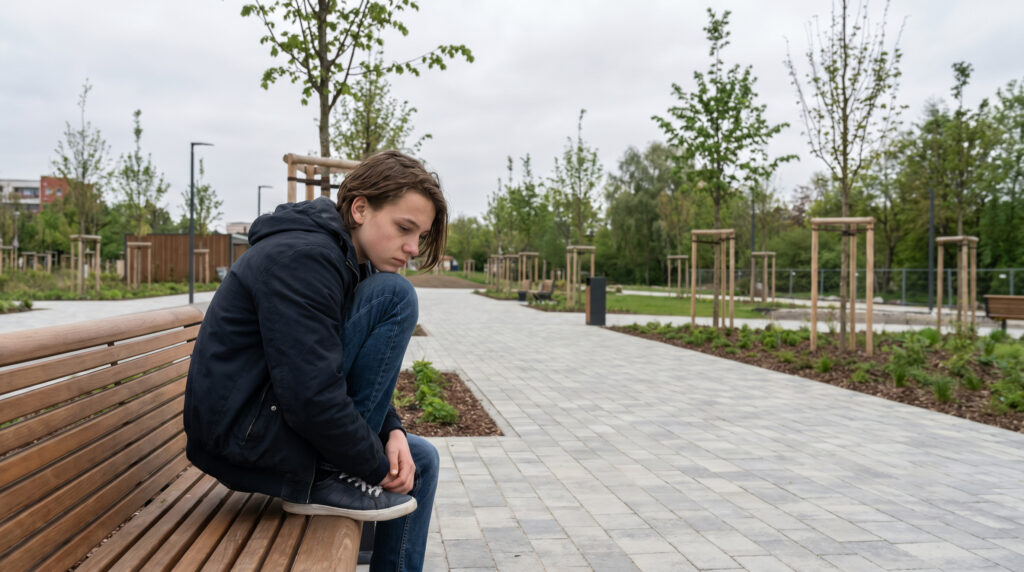
Recovery does not happen overnight, and holding yourself to that impossible standard only makes it harder. The kinder, more useful approach is to give yourself the same patience you’d give a friend healing from something serious.
A few things worth remembering when the early days feel discouraging:
- Progress isn’t a straight line. Good days and bad days will trade places for a while. A hard day doesn’t erase the ones before it.
- One day at a time is not a cliché. When the whole road feels overwhelming, the only stretch you have to handle is today.
- Healing is happening even when you can’t feel it. The brain repairs quietly, long before the mood catches up.
- You don’t have to do it alone. The people who get through the rough early months almost always have support around them.
Why Support Makes the Hard Months Easier

The stretch where sobriety doesn’t feel good yet is exactly when people are most at risk of giving up. That’s not weakness. It’s just a hard ask, to keep going when the reward hasn’t arrived. This is where having structure and people around you changes everything.
That’s the way we approach it at Changes. We’re here to support you through every stage of recovery, not just the first hard week. Our daytime programming runs Monday through Saturday and includes:
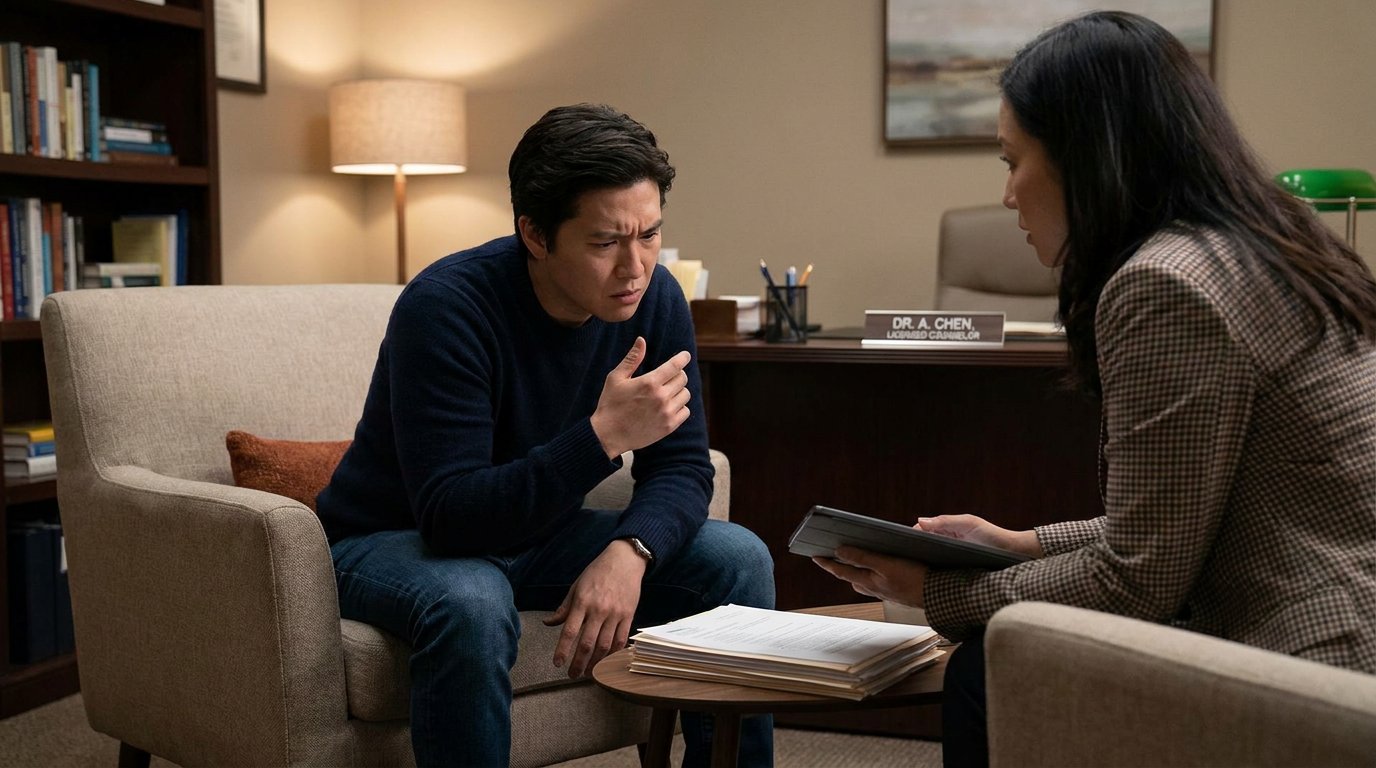
- Group therapy with people who understand the fog and the frustration, so you’re not sitting in it alone.
- Case management therapy to help carry the practical weight while you focus on healing.
- Experiential outings that help you remember what it feels like to enjoy life without a substance.
- Outside meetings to build the kind of ongoing community that carries recovery long after the early months.
None of this rushes the timeline. What it does is make the wait survivable, and far less lonely.
It Gets Better, Even If It Doesn’t Feel Like It Yet
The most important thing to hold onto is that the way you feel in early recovery is not the way you’ll feel forever. The fog lifts. Sleep comes back. The flat, gray feeling slowly fills back in with color. People who stay the course almost always describe a point where they suddenly realize they feel like themselves again, often without noticing the exact day it happened.
You just have to give yourself enough time and enough grace to get there. You can’t heal decades in a couple of weeks, but you can heal. One day at a time.
Call Today and Get Support for Every Stage
If sobriety doesn’t feel good yet, that’s not a reason to give up. It’s a reason to lean on support while your mind and body finish healing. At Changes Treatment Center, we’re here to walk with you through all the stages of recovery through PHP, IOP, outpatient treatment, therapy, psychiatric care, and Beyond Therapy programming, with daytime groups, case management, experiential outings, and outside meetings. Located in Costa Mesa, California. Call (949) 807-2008 today and take it one day at a time, with people who won’t let you do it alone.
Frequently Asked Questions
Why don’t I feel good even though I got sober?
Because the brain takes time to recover after long-term substance use. It has to relearn how to produce its own dopamine and endorphins, a process that commonly takes six months to two years. During that time, low mood, fatigue, and brain fog are common and don’t mean you’re doing recovery wrong.
Is feeling bad in early recovery normal?
Yes, and it’s often a sign of healing rather than failure. As the brain recalibrates after active addiction, uncomfortable emotional and physical symptoms can linger and come in waves. They typically ease over time, especially with support and patience.
How long until sobriety actually feels good?
It varies from person to person, depending on the substance, how long it was used, and individual health. Many people notice meaningful improvement within the first several months to a year, with the brain’s chemistry continuing to stabilize for up to two years. The key is giving yourself time instead of expecting it overnight.
Does feeling worse mean I should go back?
No. The stretch where sobriety hasn’t started feeling good yet is exactly when relapse can start to look reasonable, but the discomfort is part of the healing process, not a sign it isn’t working. This is the point where support, structure, and community matter most.
How does Changes Treatment Center support early recovery?
We support people through every stage of recovery, not just the first week. Our daytime programming runs Monday through Saturday and includes group therapy, case management therapy, experiential outings, and outside meetings, all designed to make the hard early months more manageable and far less lonely.