


Cannabis is legal in a lot of places now, and that legality has made it feel harmless to most people. But legal and risk-free are not the same thing. Plenty of people use marijuana to relax, to sleep, to take the edge off stress, or to quiet anxiety, and for a while it does the job. The issue is that for some people, what starts as the occasional use can slowly turn into something they lean on every day. If your relationship with cannabis has started to feel less like a choice and more like a need, that shift is worth paying attention to.
Why “It’s Legal” Doesn’t Mean “It’s Safe”
Legalization changed how people talk about cannabis. It went from something hidden to something normal, sold in stores, recommended for stress and sleep. For a lot of people, that is the whole story, and there is no problem.
But the same thing that makes cannabis feel safe is what makes the slide into dependence easy to miss. When something is legal and everywhere, you stop questioning how often you reach for it. Using to relax becomes using to function. And the scale here is bigger than most people assume. According to SAMHSA’s 2024 National Survey on Drug Use and Health, about 44.3 million Americans used marijuana in the past month, and roughly 20.6 million people aged 12 and older met the criteria for Cannabis Use Disorder in the past year. That number climbed from 16.7 million in 2021, so this is a pattern that’s growing, not shrinking.
Signs Cannabis May Be Becoming a Problem
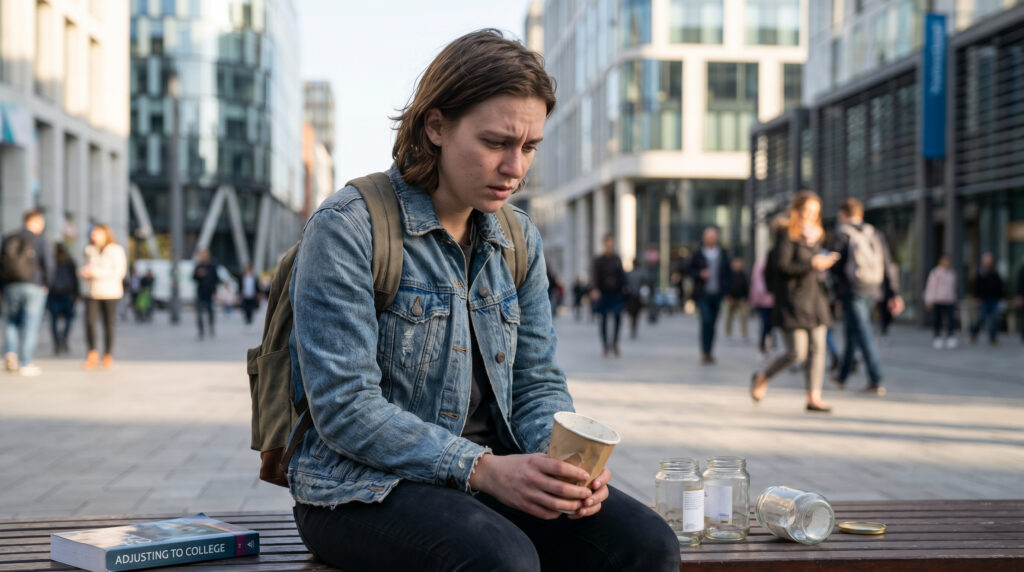
Dependence rarely announces itself. It builds slowly, which is why it helps to know what to actually watch for. A few signs that use may be shifting from a habit into something more:
- Needing more to get the same effect. The amount that used to work stops working, so you use more without really deciding to.
- Struggling to cut back or stop. You tell yourself you’ll take a break, and the break doesn’t happen, or it doesn’t last.
- Thinking about it a lot. A noticeable share of your time goes to using, planning to use, or making sure you have enough.
- Using even when it’s costing you. It keeps going even as it affects your relationships, your work, your school, or your mental health.
None of these means you’ve failed at something. They’re just signals. The earlier you notice them, the easier they are to do something about.
Why It Hits Young People Harder
Age matters more than most people realize here. Young people are especially vulnerable, because their brains are still developing well into their mid-twenties.
Regular cannabis use during those years can affect memory, learning, attention, and emotional well-being. Those aren’t small things. They’re the exact systems a young person is relying on to build a life. The risk also lands differently depending on when someone starts. The CDC reports that the risk of developing Cannabis Use Disorder is greater for people who begin using before age 18, and some research finds that those who start before 18 are several times more likely to develop a problem than people who start as adults. The numbers back this up: NIDA research using national survey data found that around 10.7 percent of adolescents aged 12 to 17 who use cannabis meet the criteria for the disorder, a higher rate than for adults.
If cannabis use is starting to feel less like a choice and more like a need, that’s worth listening to, not brushing off.
Higher Potency Changes the Picture
The cannabis available today is not the cannabis of twenty years ago. Products have gotten far stronger, and that strength changes the risk.
SAMHSA notes that higher-potency cannabis products may increase the risk of developing Cannabis Use Disorder. In plain terms, stronger products can make dependence more likely, and someone who started with the assumption that cannabis is mild can end up in deeper than they expected. Broadly, the CDC estimates that close to 3 in 10 people who use marijuana develop some degree of Cannabis Use Disorder. It’s not a reason to panic. It’s a reason to be honest about what you’re actually using and how often.
What Cannabis Use Disorder Actually Is
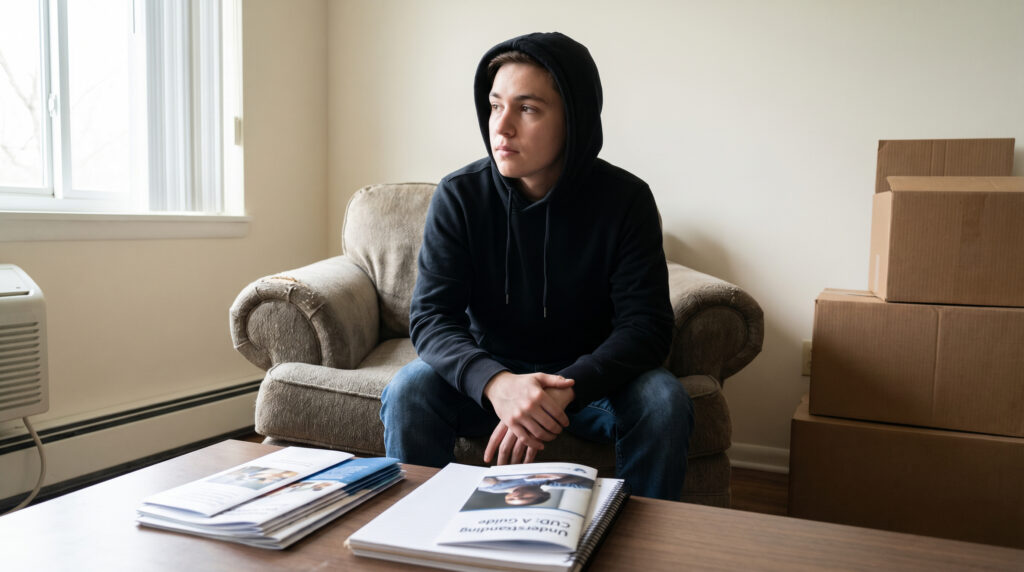
Cannabis Use Disorder is the clinical name for what happens when use stops being fully within your control. It exists on a spectrum, from mild to severe, and it isn’t about how much you use on any single day. It’s about the pattern, and about whether you can stop when you want to.
If you’ve tried to cut back and couldn’t, if use has become something you organize your time around, if it’s affecting parts of your life you care about and you’re still using anyway, those are the markers worth taking seriously. Naming it isn’t a judgment. It’s just the first honest look at what’s going on.
Recovery Is Possible
Here’s the part that matters most. None of this is a dead end. Recovery is possible, and for a lot of people it starts with something as simple as an honest conversation.
Talking openly with a healthcare provider or a treatment professional can be the first step toward finding healthier ways to cope. The goal isn’t just to stop using. It’s to figure out what the cannabis was doing for you, the stress, the sleep, the anxiety, and to build something that handles those things without leaving you dependent. That connection between cannabis and mental health runs deep, and it goes both ways. SAMHSA’s 2024 data shows that nearly half of adults with a substance use disorder also had a mental illness in the past year, which is exactly why treating both at once tends to work better than treating either alone.
That’s the way we approach it at Changes. Not shame, not pressure, just real support aimed at helping you cope and actually thrive.
How Changes Can Help
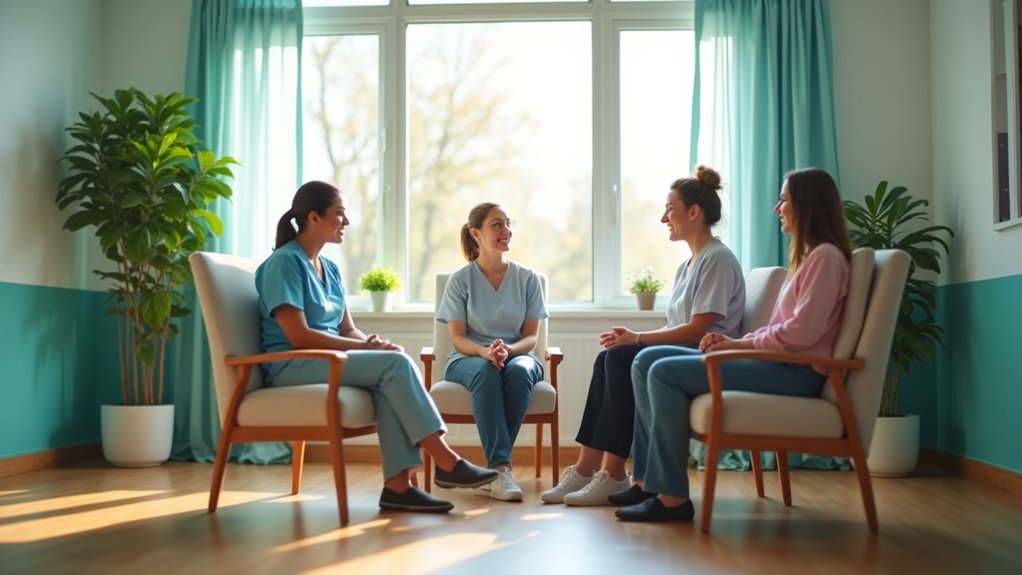
Support for cannabis dependence works best when it treats the whole person, not just the using. A few of the pieces that make the difference:
- Individual therapy to understand what cannabis was helping you manage, and what you can lean on instead.
- Group therapy with people working through the same thing, so it stops feeling like something you have to hide.
- Psychiatric support when anxiety, depression, or sleep are part of why the use started in the first place.
- Case management for the practical pressures that build up and make it harder to step back.
- Beyond Therapy programming to build a life with healthier ways to relax, rest, and handle stress.
Call Today and Take the First Step
If cannabis has started to feel less like a choice and more like a need, that’s not a reason for shame. It’s a reason to reach out. At Changes Treatment Center, we help people understand their cannabis use and build healthier ways to cope through PHP, IOP, outpatient treatment, therapy, psychiatric care, and Beyond Therapy programming. Located in Costa Mesa, California. Call (949) 807-2008 today and take the first step toward healthier ways to cope and thrive.
Frequently Asked Questions
Can you really become dependent on cannabis?
Yes. While many people use cannabis without problems, some develop a dependence where occasional use turns into a daily need. The clinical term is Cannabis Use Disorder, and it ranges from mild to severe. The CDC estimates close to 3 in 10 people who use marijuana develop some degree of it. Needing more for the same effect and struggling to cut back are two of the clearer signs.
Is cannabis dependence really a problem if it’s legal?
Legal status doesn’t determine whether something can become a problem for you. Plenty of legal substances can lead to dependence. What matters is the pattern of use and whether you can stop when you want to, not whether it’s sold legally where you live.
Why is cannabis riskier for young people?
Because the brain keeps developing into the mid-twenties. Regular cannabis use during those years can affect memory, learning, attention, and emotional well-being. The CDC notes the risk of Cannabis Use Disorder is greater for people who start before age 18, and NIDA research found a higher rate of the disorder among adolescent users than adult users.
Does higher-potency cannabis matter?
It can. SAMHSA notes that higher-potency cannabis products may increase the risk of developing Cannabis Use Disorder. Today’s products are often much stronger than older ones, so it helps to be honest about what you’re actually using and how often.
What’s the first step if I think I have a problem?
A conversation. Talking openly with a healthcare provider or treatment professional is often the first step toward finding healthier ways to cope. You don’t have to have it all figured out first, and you don’t have to be at your worst to reach out.