



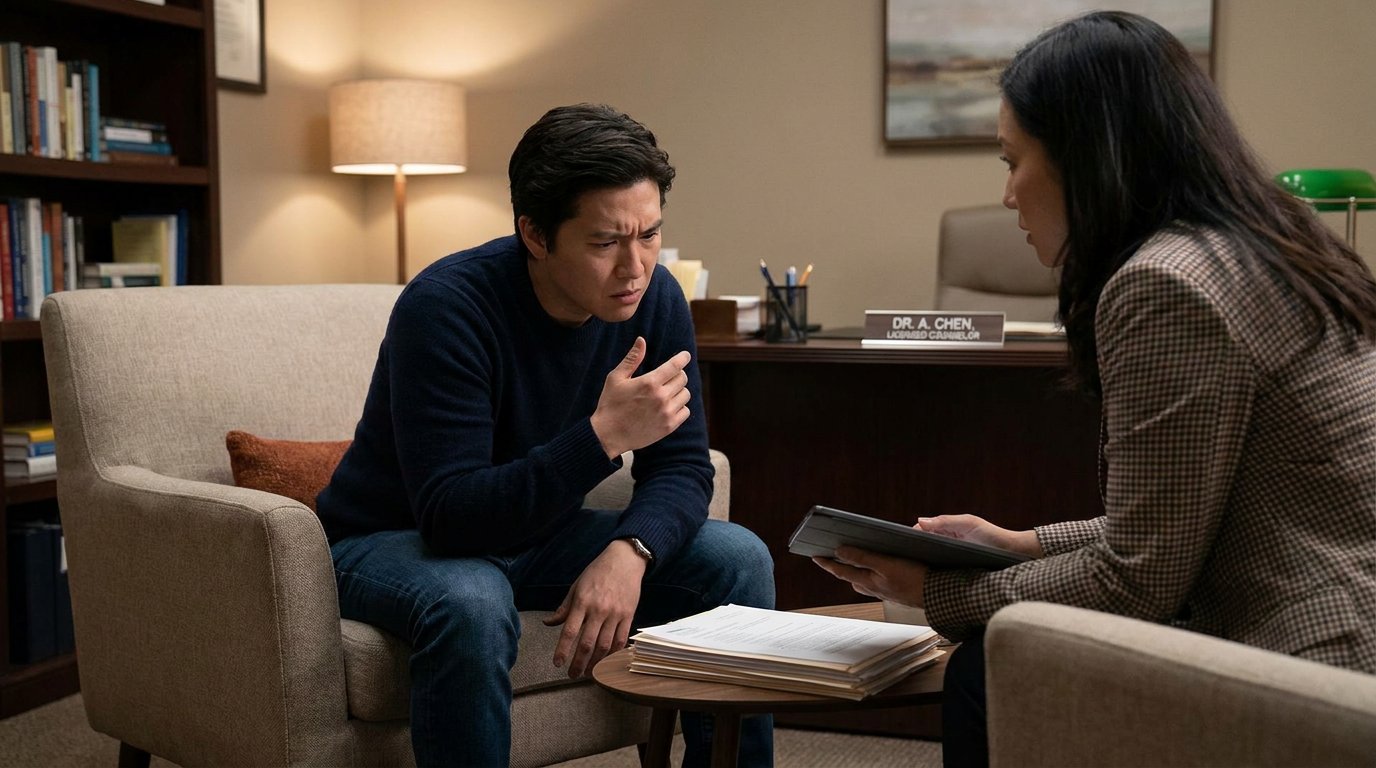



For a long time, it felt like the one thing that was always there. A hard day got softer after a drink. The loneliness got quieter after a hit. When you were stressed, overwhelmed, or just wanted to disappear for a while, it showed up and did the job. So when you finally decide to walk away, it doesn’t feel like quitting a habit. It feels like losing someone. That ache catches people off guard, and the reason behind why letting go hurts this much has very little to do with willpower.
It Was Never Just a Bad Habit

People talk about quitting like it’s a switch. Stop buying it, stop using it, move on with your life. Anyone who has actually tried knows it doesn’t work that way.
The substance wasn’t sitting on the edge of your life. It was in the middle of it. It was there at the end of long days. It was there when you couldn’t sleep, when a room full of people felt like too much, when the silence got loud. Over time, it stopped being something you used and became something you leaned on.
That’s not weakness. That’s a relationship. And when you take a relationship away, even a destructive one, the body does what it always does with loss. It grieves.
When Your Head and Your Heart Disagree
This is the part that makes early recovery so confusing.
Your head can be completely clear. You know what the drinking or the using has cost you. You know exactly where it’s headed if nothing changes. You could list every reason it has to stop.
And your heart still aches for it anyway.
It’s hard when your brain knows, this is destroying my life, but your heart still feels hooked on the comfort it used to give you. Both of those things are true at the same time, and one doesn’t cancel the other out.
You’re not torn because you’re weak. You’re torn because part of you is grieving something it genuinely relied on.
If you feel pulled in two directions right now, that doesn’t mean you’re doing recovery wrong. It means you’re doing it honestly. The consequences of shortterm relief choices can sometimes lead to unexpected challenges. It’s important to weigh the benefits against the long-term effects on your well-being. Embracing discomfort can ultimately foster more sustainable healing.
The Heartbreak Is Part of the Process

A lot of people expect recovery to feel like relief from day one. When it feels like loss instead, they assume something has gone wrong. Nothing has gone wrong. The ache is the process, not a sign it’s failing.
Letting go of something you depended on for years comes with real grief, and grief moves in stages. Here’s what tends to show up in the early weeks.
- Missing it. Not the consequences, but the comfort. The way it reliably took the edge off. That longing is normal, and it fades.
- Anger. At yourself, at the situation, at how unfair it feels that other people don’t seem to fight this fight.
- Bargaining. The quiet voice saying maybe it wasn’t that bad, maybe you could handle just a little.
- Emptiness. A gap where the substance used to be, before you’ve built new things to fill it.
- Relief. The part most people don’t believe until they feel it. A slow return of steadiness, clarity, and self-respect.
Recovery means choosing to sit through the pain of letting go so you can finally get your life, and yourself, back. The discomfort isn’t the enemy. It’s the toll on the road out.
Grieving a Substance vs. Grieving a Person
If the feeling reminds you of a breakup, that’s not your imagination. The two have more in common than people expect, which is exactly why willpower alone rarely carries someone through.
| Losing a Relationship | Letting Go of a Substance |
|---|---|
| You miss the comfort, even when it hurt you | You miss the relief, even when it was costing you everything |
| Your head knows it was wrong for you | Your heart still reaches for it anyway |
| The empty space feels unbearable at first | The gap it leaves behind feels impossible to sit in |
| Healing takes time and support, not just resolve | Recovery takes structure and people, not just willpower |
Why You Don’t Have to Sit Through It Alone

Heartbreak is hard enough with support. It’s much harder when you’re trying to white-knuckle it by yourself.
Structured treatment doesn’t work by removing the pain. It works by giving you people, tools, and a place to put the pain while you move through it. That’s the way we approach it at Changes. We’re not asking you to pretend the loss doesn’t hurt. We’re helping you build a life sturdy enough to hold the grief without reaching back for the thing that caused it.
A few of the pieces that matter most:
- Individual therapy to understand what the substance was really doing for you, and what you can lean on instead.
- Group therapy with people who know this exact ache, so you stop carrying it like you’re the only one.
- Psychiatric support when anxiety, depression, or sleep need attention alongside the substance use.
- Case management for the practical weight that makes everything heavier when no one’s helping you carry it.
- Beyond Therapy programming to start rebuilding a life worth staying sober for, not just the absence of using.
You Are Worth the Fight
If this feels like the hardest thing you’ve ever done, that’s because it might be. You’re grieving something real and fighting for something better at the same time, with the same tired heart. That takes more strength than most people will ever understand.
The torn feeling won’t last forever. The pull gets quieter. The clarity gets louder. And on the other side of the heartbreak is the person you’ve been missing, the one who never needed the substance to get through the day.
You are worth the fight it takes to get back to them.
Call Today and Start Letting Go With Support
If giving up a drink or a drug feels like heartbreak, that’s not a sign you’re weak. It’s a sign of how much you leaned on it, and how much you’re willing to fight to get your life back. At Changes Treatment Center, we help people move through that grief and rebuild what’s underneath it through PHP, IOP, outpatient treatment, therapy, psychiatric care, and Beyond Therapy programming. Located in Costa Mesa, California. Call (949) 807-2008 today and let go with people who won’t let you do it alone.
Frequently Asked Questions
Why does quitting alcohol or drugs feel like a breakup?
Because the substance filled the role a relationship usually fills. It was what you turned to for comfort, stress relief, and escape. When you remove it, your brain and body grieve the loss the same way they would grieve any attachment, which is why early recovery can feel like genuine heartbreak rather than a simple matter of willpower.
Is it normal to miss something I know was hurting me?
Yes, and it’s one of the most common experiences in early recovery. Your head can fully understand the damage while your heart still misses the comfort it once gave you. Feeling both at once doesn’t mean you’re failing. It means you’re being honest about what the substance meant to you.
How long does the heartbreak feeling last?
It varies from person to person, but the sharpest part usually eases over the first several weeks as your nervous system settles and you build new sources of support. The longing gets quieter over time, especially with therapy and a community around you, and it’s gradually replaced by steadiness and clarity.
Will treatment make the pain go away?
Treatment doesn’t erase the grief, but it gives you somewhere to put it. Individual therapy, group work, psychiatric care, and real human support help you move through the loss instead of around it, so you can let go without going back to the thing that caused the pain in the first place.
I’m not sure my situation is “bad enough” for treatment. Should I still reach out?
You don’t have to hit a specific kind of bottom to deserve support. If a substance has shifted from something you enjoy to something you rely on to get through the day, a short, confidential conversation can help you figure out what level of care, if any, makes sense for you.