



You can suspect a gabapentin overdose when you see severe drowsiness, dizziness, confusion, slurred speech, poor coordination, vomiting, blurred or double vision, or lethargy. Treat it as urgent if you can’t wake the person, breathing becomes slow or shallow, lips turn blue, skin feels cold and clammy, seizures occur, or opioids, alcohol, or sedatives are involved. Call Poison Control or emergency services; naloxone won’t reverse gabapentin toxicity. The key distinctions and next steps are below.
Key Takeaways
- Gabapentin overdose may cause extreme drowsiness, dizziness, blurred vision, slurred speech, poor coordination, confusion, nausea, or vomiting.
- Severe warning signs include slow breathing, blue lips, cold clammy skin, weak pulse, seizures, coma, or inability to awaken.
- Overdose risk increases with opioids, alcohol, benzodiazepines, sleep medications, kidney disease, older age, frailty, or high doses.
- Mild side effects become concerning when symptoms intensify, cluster, cause falls, impair function, or include disorientation.
- Call Poison Control at 1-800-222-1222 or emergency services for severe symptoms, and note dose, timing, and substances taken.
What are the signs of a gabapentin overdose
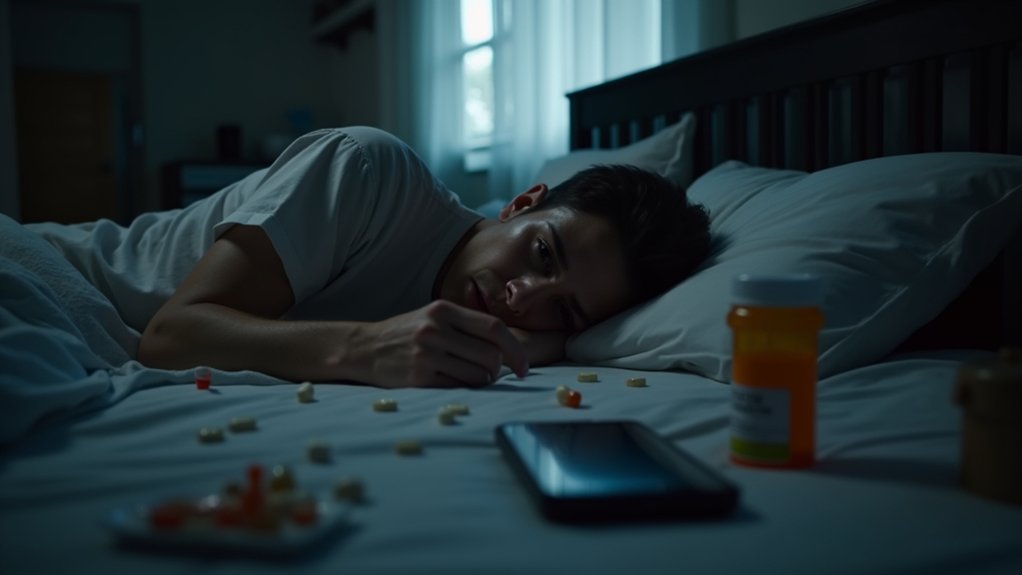
Signs of a gabapentin overdose include marked drowsiness, dizziness, lightheadedness, nausea, vomiting, blurred or double vision, slurred speech, and poor coordination that may look like unsteady walking, falls, or loss of motor control. You may also notice confusion, lethargy, memory trouble, impaired concentration, agitation, disorientation, hallucinations, or unusual behavior. These gabapentin overdose symptoms can worsen quickly, especially if you’ve taken opioids, alcohol, sleep medicines, or other central nervous system depressants. Watch for respiratory depression, including slow, shallow, or difficult breathing. Severe overdose signs include inability to awaken, seizures, coma, collapse, cold clammy skin, blue lips, weak pulse, very low blood pressure, rapid or irregular heartbeat, and loss of consciousness. Call emergency services or poison control immediately if these occur.
Where is the line between a side effect and an overdose
The line between a side effect and a possible overdose is severity, clustering, and trajectory. Mild dizziness or sleepiness can occur after prescribed gabapentin, but worsening sedation, confusion, ataxia, vomiting, or slurred speech raises concern for gabapentin overdose.
| More consistent with side effect | More concerning for overdose |
|---|---|
| Mild drowsiness | Hard to awaken |
| Brief dizziness | Falls or severe ataxia |
| Slight nausea | Repeated vomiting |
| Blurred vision | Confusion or disorientation |
The distinction between side effects and overdose isn’t a single symptom, it’s escalation. If symptoms intensify, combine, or impair walking, speech, alertness, or breathing, treat them as overdose symptoms. Don’t wait to “sleep it off.” Call poison control or emergency services for urgent guidance.
Why does gabapentin overdose turn dangerous mainly alongside opioids or alcohol
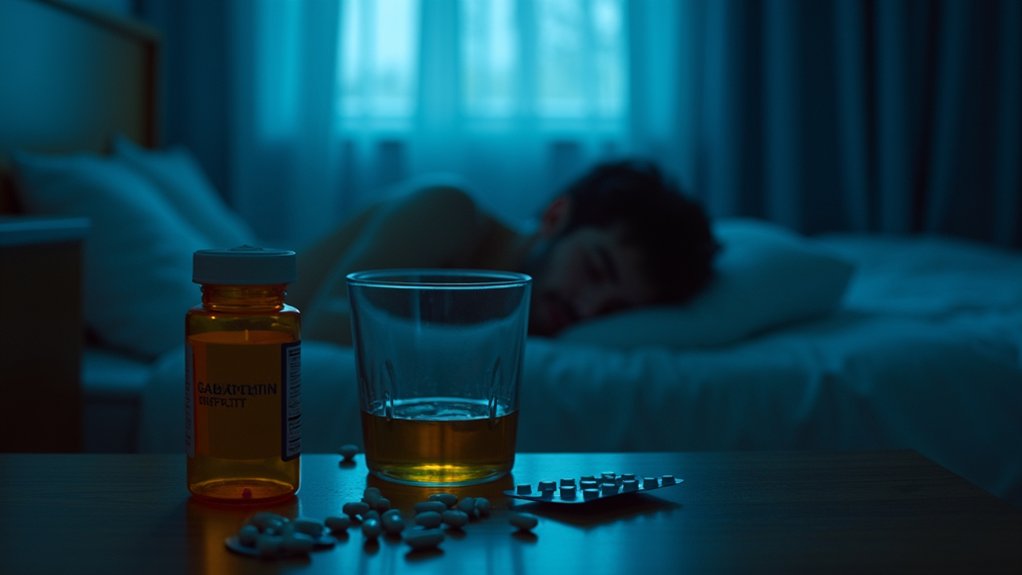
Gabapentin overdose turns dangerous mainly alongside opioids or alcohol because these substances can compound sedation and suppress breathing. Gabapentin can make you drowsy, dizzy, confused, and poorly coordinated, and depressants add another layer of brain and respiratory slowing. That’s why “what does too much gabapentin feel like” can shift from heavy sleepiness to a life-threatening emergency when substances overlap. What gabapentin feels like varies with dosage and whether it’s taken with other substances. Users may feel increased sedation or altered mental status, so awareness of these effects is crucial, especially alongside alcohol or recreational drugs.
- You may breathe slowly, shallowly, or irregularly.
- You may become hard to wake or fully unresponsive.
- You may develop low blood pressure, weak pulse, or collapse.
- You may show slurred speech, vomiting, cyanosis, or seizures.
The most serious side effects of gabapentin in mixed overdose involve respiratory depression, coma, and death. Follow gabapentin warnings: don’t combine sedatives, and seek emergency help immediately. Gabapentin side effects can also include dizziness, fatigue, and visual disturbances. It is important to monitor patients closely for any adverse reactions. Consulting with a healthcare provider about these side effects can help in managing the medication safely.
Which people are most vulnerable to a serious reaction
People with kidney disease face the highest risk from a serious gabapentin overdose reaction, because the body clears gabapentin mainly through the kidneys. Reduced clearance can raise drug levels and prolong toxicity.
You’re also more vulnerable if you’re older, frail, or taking high prescribed doses. Age-related kidney decline, falls risk, and baseline sedation can make overdose effects more dangerous. If you use opioids, alcohol, benzodiazepines, sleep medicines, muscle relaxants, or other central nervous system depressants, you face greater risk of severe drowsiness, low blood pressure, and slowed breathing.
You should treat pregnancy, significant lung disease, and a history of substance use disorder as added risk factors. If you can’t stay awake, breathe normally, or stand safely, seek emergency help immediately.
Why does naloxone not reverse it the way it reverses opioids
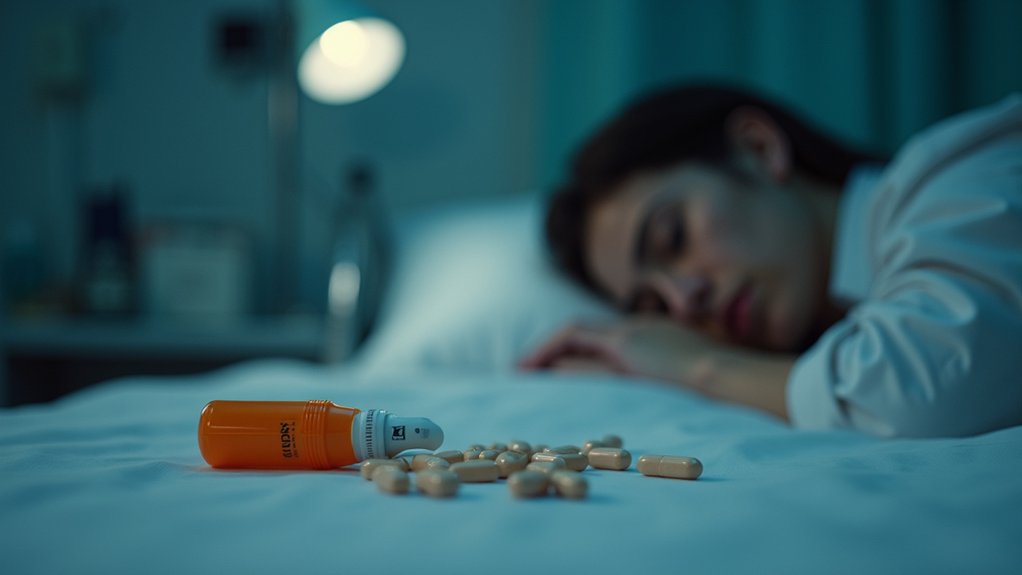
Naloxone does not reverse gabapentin toxicity the way it reverses opioids because gabapentin does not act on opioid receptors. You can’t rely on naloxone to clear gabapentin-related sedation, dizziness, ataxia, confusion, or respiratory depression. Understanding gabapentin narcotic status is essential for safe medication management. Unlike traditional narcotics, gabapentin is classified as an anticonvulsant and is not associated with the same risk of overdose.
- Naloxone blocks mu-opioid receptors; gabapentin modulates calcium channels.
- If opioids are also present, naloxone may improve opioid-driven breathing suppression.
- Persistent drowsiness, slurred speech, shallow breathing, or unresponsiveness after naloxone still signals danger.
- Kidney impairment can prolong gabapentin effects because your body clears it renally.
You should view naloxone as targeted, not universal. A partial or absent response doesn’t rule out life-threatening poisoning. Mixed overdoses are especially risky because alcohol, opioids, benzodiazepines, and other depressants can compound sedation and respiratory failure. Clinical monitoring matters because symptoms can evolve.
What do you do in the moment if someone has taken too much
Call Poison Control at 1-800-222-1222 for expert guidance, or call 911 now if they can’t stay awake, have slow or shallow breathing, collapse, seize, turn blue, or seem severely confused. If you think someone has taken too much gabapentin, treat it as a possible medical emergency and act quickly. Don’t leave them alone. Check breathing and responsiveness. If they’re unconscious but breathing, place them on their side to reduce aspiration risk. Don’t make them vomit, give alcohol, or offer more sedating medication. Keep the pill bottle nearby and note the dose, time taken, and any opioids, alcohol, benzodiazepines, or other drugs involved. If breathing stops, start CPR if you’re trained and follow dispatcher instructions until emergency responders arrive. Stay calm and provide clear information.
What follow-up care matters once the emergency has passed
Follow-up care should focus on preventing a repeat overdose and identifying why toxicity occurred. You should review kidney function, total daily dose, timing of doses, and any opioids, alcohol, sleep medicines, or other CNS depressants. Don’t restart gabapentin until a clinician confirms a safe plan.
- Schedule prompt follow-up with your prescriber to reassess dose, indication, and renal adjustment.
- Ask whether drug interactions or mixed substance use increased sedation, confusion, or breathing risk.
- Create a medication safety plan: locked storage, pill organizer, written schedule, and no shared pills.
- Seek mental health or substance use evaluation if the overdose was intentional, recurrent, or unexplained.
Return to urgent care if drowsiness, ataxia, vomiting, slurred speech, slow breathing, collapse, or confusion returns.
After an Overdose Scare, Real Help Is Available
An overdose, or a close call, is a frightening sign that gabapentin use has become dangerous, and it’s also a moment where getting help can change everything. Changes Treatment Center in Costa Mesa supports people after a gabapentin overdose or misuse, treating the dependence safely and addressing whatever is driving it, whether that’s other substance use, chronic pain, or an underlying mental health condition. Through PHP, IOP, and outpatient care, our team helps you build a recovery that lowers the risk of it ever happening again. If you or someone you love has had a scare, reach out today. Call (949) 807-2008. In an active emergency, always call 911 first.
Frequently Asked Questions
Can Gabapentin Overdose Symptoms Appear Hours After Taking It?
Yes, you can develop gabapentin overdose symptoms hours after taking it, especially with high doses, kidney impairment, older age, or use with alcohol, opioids, or sedatives. You might notice drowsiness, dizziness, poor coordination, slurred speech, nausea, confusion, or blurred vision. Don’t wait if breathing slows, you can’t stay awake, you collapse, have seizures, or become unresponsive. Call poison control or emergency services immediately for suspected overdose.
How Much Gabapentin Is Considered Too Much?
Too much gabapentin is any amount above your prescribed dose, or any dose that causes concerning symptoms. You shouldn’t self-increase it; typical prescribed limits vary by condition, kidney function, age, and other sedatives. Risk rises with high doses, renal impairment, opioids, alcohol, or sleep medications. If you’ve taken extra and develop severe drowsiness, confusion, vomiting, unsteady walking, slurred speech, slow breathing, collapse, seizures, or can’t wake up, call emergency services or poison control now.
Can Gabapentin Overdose Happen From One Extra Dose?
Yes, you can overdose from one extra gabapentin dose, but it depends on your prescribed dose, kidney function, age, and whether you’ve used alcohol, opioids, or other sedatives. One small extra dose may cause drowsiness or dizziness, while larger excess doses raise risks of confusion, poor coordination, vomiting, low blood pressure, or slowed breathing. Call poison control for guidance, and seek emergency care if you can’t stay awake, breathe normally, or have seizures.
Does Gabapentin Overdose Cause Permanent Damage?
Gabapentin overdose usually doesn’t cause permanent damage if you get prompt care, but severe cases can. You risk lasting harm when overdose causes prolonged oxygen deprivation from slow breathing, coma, seizures, severe low blood pressure, or injury from falls. Kidney impairment can prolong toxicity because you clear gabapentin through your kidneys. If you can’t wake someone, notice shallow breathing, collapse, or seizures, call emergency services or poison control immediately now.
Can Gabapentin Interact Dangerously With Sleep Medications?
Yes. You can have dangerous interactions when you take gabapentin with sleep medications, especially benzodiazepines, Z-drugs, sedating antihistamines, opioids, alcohol, or other CNS depressants. These combinations can intensify drowsiness, dizziness, confusion, poor coordination, low blood pressure, and slow or shallow breathing. You shouldn’t mix them unless your prescriber approves. If you can’t stay awake, breathe normally, walk steadily, or you collapse, call emergency services or Poison Control immediately.