


Recovery can leave a lot of open space in your life.
Time that once revolved around drinking, using substances, recovering from them, or being around people who used may suddenly look very different. That space can feel uncomfortable at first, but it also creates an opportunity to rediscover what you actually enjoy.
Something as simple as trying new hobbies in recovery can help make sober life feel fuller. A game of pickleball, a hike, painting, cooking, or learning something completely new gives you somewhere to put your time and energy while creating experiences that have nothing to do with substances.
At Changes, that can look as simple as clients getting outside for a friendly game of pickleball, laughing together, moving their bodies, and enjoying being present.
Why Hobbies Matter in Recovery
Getting sober removes something from your life, but long-term recovery also involves deciding what you want to put back into it.
Without new routines and interests, people can sometimes find themselves with more unstructured time than they expected.
That can lead to boredom, isolation, or falling back into familiar environments simply because nothing has replaced them yet.
Hobbies give that time a different purpose.
They can provide:
- Something to look forward to
- Structure during free time
- Opportunities to meet people
- Healthy ways to handle stress
- A reason to get out of the house
- New goals to work toward
- Experiences that build confidence
- Ways to enjoy life without substances
The hobby itself does not have to be impressive.
It only has to give you something positive to engage with.
Learning How to Have Fun Sober Again
One of the biggest adjustments in early recovery can be learning what fun looks like without alcohol or drugs.
For years, substance use may have been connected to:
- Weekends
- Parties
- Concerts
- Sporting events
- Vacations
- Dating
- Celebrations
- Socializing
- Relaxing after work
When substances disappear from those situations, it can initially feel like the fun disappeared too.
That feeling does not necessarily last.
Recovery gives you the chance to separate enjoyment from substance use and start finding out what you genuinely like doing.
Maybe you discover that you enjoy being outside more than you expected.
Maybe you become competitive about pickleball.
Maybe you start painting again after not touching a brush since high school.
Maybe you realize you actually enjoy mornings when you are not recovering from the night before.
Sober fun can feel different, but different does not mean worse.
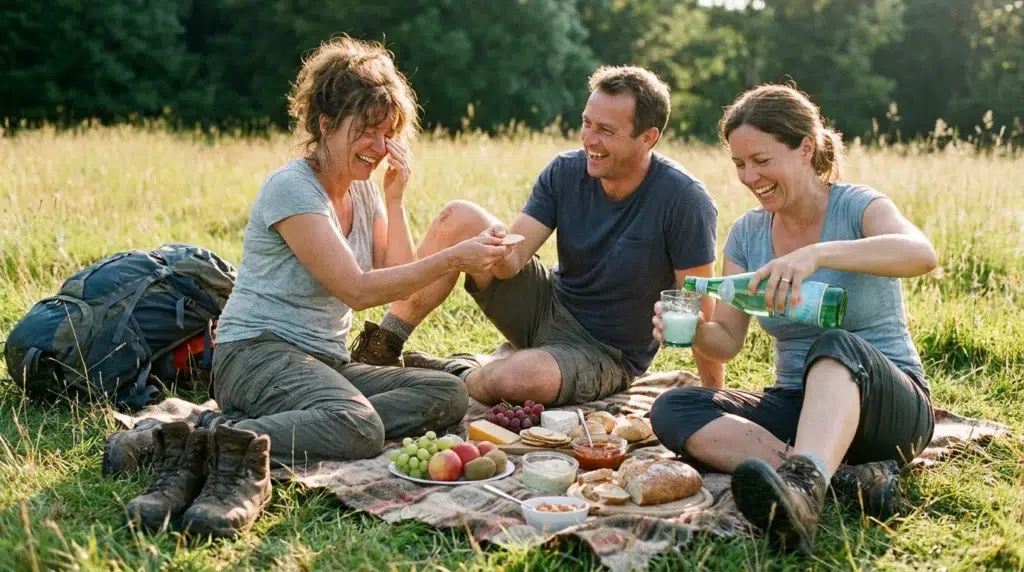
Pickleball, Recovery, and Being Present
Pickleball is not addiction treatment.
But a friendly game can represent something important about recovery.
You are outside.
You are moving.
You are paying attention to what is happening in front of you.
You are laughing with other people.
You are participating in something without needing alcohol or drugs to make the experience enjoyable.
That ability to simply be present can feel unfamiliar in early recovery.
Substance use can make life revolve around either anticipating the next opportunity to use or dealing with what happened afterward.
Activities like pickleball bring your attention somewhere else.
For an hour, the focus might simply be:
Where is the ball going?
Who is serving?
Did that shot actually stay in?
Who is winning?
Sometimes those ordinary moments are exactly what sober life needs.
You Do Not Have to Be Good at Your New Hobby
Adults can be surprisingly uncomfortable with being beginners.
We want to immediately know what we are doing.
Recovery is already full of unfamiliar experiences, so trying another new thing can feel intimidating.
But hobbies do not have to become another area where you pressure yourself to perform.
You can be terrible at pickleball.
You can paint something ugly.
You can fall behind everyone else on a hike.
You can burn dinner.
You can try yoga and discover you are nowhere near as flexible as you thought.
The point is participation, not perfection.
Trying something new gives you permission to be curious again.
Instead of asking, “Am I good at this?” try asking:
“Did I enjoy doing this?”
That question matters more.
Hobbies Can Give Your Week More Structure
Unstructured time can feel especially noticeable in early recovery.
If evenings or weekends were previously built around substance use, suddenly having those hours free can feel strange.
Creating regular activities can give the week more shape.
For example:
Monday: Evening walk
Tuesday: Recovery meeting
Wednesday: Pickleball
Thursday: Cook dinner with someone
Friday: Gym or movie night
Saturday: Hike, beach, or another outdoor activity
You do not need to schedule every hour.
The goal is simply to create enough healthy structure that you are not constantly deciding what to do when boredom hits.
Over time, these activities can become part of your normal routine rather than something you have to consciously force yourself to do.
Physical Activities Can Give Stress Somewhere to Go
Stress does not disappear because someone gets sober.
Work can still be frustrating.
Relationships can still be complicated.
Bills still arrive.
Bad days still happen.
The difference is that substances can no longer be the automatic response to every uncomfortable feeling.
Movement gives you another outlet.
That might include:
- Pickleball
- Walking
- Hiking
- Swimming
- Cycling
- Basketball
- Yoga
- Strength training
- Surfing
- Running
- Recreational sports
You do not need to turn recovery into an extreme fitness program.
Movement can simply become one of several ways you respond when you feel restless, frustrated, overwhelmed, or stuck in your own head.
Sometimes getting outside and moving for an hour can change the direction of the rest of the day.
New Hobbies Can Help You Meet New People
Activities also create natural opportunities for connection.
That matters when some of your old relationships were heavily connected to drinking or drug use.
Meeting new people can feel difficult when the usual social setting used to be a bar, party, or another environment centered around substances.
Shared activities remove some of that pressure.
You already have something to do together.
You can play a game.
Walk a trail.
Work on an art project.
Cook.
Volunteer.
Take a class.
Conversations happen naturally around the activity instead of everyone sitting in a room trying to become friends immediately.
Over time, repeated shared experiences can turn acquaintances into real relationships.
Try Both Old and New Interests
Not every hobby needs to be brand new.
Recovery can also be a chance to return to something you once loved.
Think about what interested you before substance use took up so much space.
Maybe you used to:
- Play guitar
- Draw
- Skateboard
- Play basketball
- Fish
- Cook
- Go camping
- Take photographs
- Work on cars
- Read
- Garden
- Surf
- Play video games with friends
- Spend more time outdoors
Some of those interests may still be there.
Others may no longer fit who you are.
That is okay too.
Recovery gives you permission to experiment.
You are learning what life looks like now, not recreating exactly who you were before addiction.
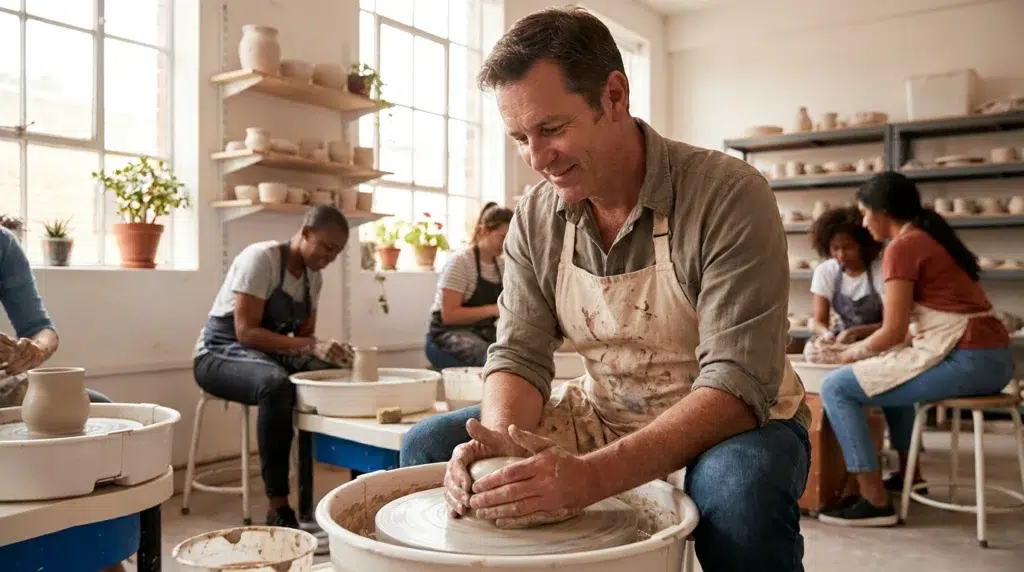
Choose Activities That Actually Fit You
There is no official list of “recovery-approved” hobbies.
You do not need to start hiking just because everyone else seems to love hiking.
Choose activities based on what interests you.
If you like competition, try:
- Pickleball
- Basketball
- Tennis
- Bowling
- Recreational leagues
If you like quiet activities, try:
- Reading
- Gardening
- Photography
- Fishing
- Journaling
- Cooking
If you like creating things, try:
- Painting
- Drawing
- Music
- Woodworking
- Ceramics
- Photography
If being outdoors helps you reset, try:
- Hiking
- Beach walks
- Cycling
- Surfing
- Camping
- Walking local trails
You may have to try several things before something clicks.
That experimentation is part of the process.
Sober Memories Matter
Recovery can contain a lot of serious work.
Therapy.
Accountability.
Difficult conversations.
Repairing relationships.
Managing cravings.
Understanding old patterns.
But recovery should also make room for good memories.
Laughing during a terrible pickleball shot matters.
Taking a road trip matters.
Watching the sunset with people you trust matters.
Trying something for the first time matters.
Those experiences gradually create a different picture of sobriety.
Instead of thinking only about everything you gave up, you begin noticing everything you are gaining.
A sober life becomes easier to protect when it contains experiences you genuinely want to remember.
What If Nothing Sounds Fun Yet?
Early recovery does not always come with immediate excitement.
Sometimes people feel emotionally flat, restless, tired, or uninterested in activities they normally enjoy.
Do not put pressure on yourself to suddenly become passionate about five new hobbies.
Start smaller.
Go outside for ten minutes.
Take a short walk.
Play one game.
Accept one invitation.
Try one class.
Give yourself permission to leave if you truly hate it.
The goal is not to manufacture happiness.
It is to keep giving yourself opportunities to reconnect with enjoyment.
Interest can return gradually.
How Changes Brings Experiences Into Recovery
At Changes Treatment Center, recovery extends beyond traditional therapy sessions.
Our Beyond Therapy approach gives clients opportunities to participate in activities, movement, outings, and shared experiences that complement the clinical work happening in treatment.
That can mean trying something new, spending time outdoors, working together with peers, or simply learning how to enjoy an ordinary afternoon sober.
Support at Changes can include:
- Individual therapy to address personal challenges and recovery goals.
- Group therapy to build communication and connection.
- Beyond Therapy programming to bring activity, movement, creativity, and experiences into recovery.
- Psychiatric support when mental health symptoms are also affecting recovery.
- Case management to create greater stability outside treatment.
- PHP, IOP, and outpatient care based on each client’s needs.
Recovery requires serious work.
But serious work does not mean every part of recovery has to feel serious.
There should also be room to laugh, play, explore, and create memories.
Find Something That Makes Sober Life Feel Good
You do not need to discover your lifelong passion this week.
Start with one activity.
Play pickleball.
Go outside.
Take a walk with someone.
Try something you have always been curious about.
Return to something you used to love.
The activity itself might seem small, but what you are really practicing is much bigger.
You are learning how to spend your time differently.
How to connect differently.
How to manage stress differently.
And how to enjoy your life without needing substances to be part of it.
That is what building a sober life can look like.
Try Something New in Recovery
Recovery is not only about leaving substances behind. It is also about discovering what you want your life to include next.
At Changes Treatment Center, we help people build healthier routines, interests, relationships, and recovery skills through PHP, IOP, outpatient care, therapy, psychiatric support, and Beyond Therapy programming.
Located in Costa Mesa, California. Call (949) 807-2008 for a confidential conversation and learn how treatment can help you start building a sober life you actually enjoy.
Frequently Asked Questions
Why Are Hobbies Important in Addiction Recovery?
Hobbies can provide structure, enjoyment, healthy ways to spend free time, and opportunities to connect with other people. They can also help replace routines that were previously centered around alcohol or drug use.
What Are Some Good Sober Hobbies?
There is no single best hobby for recovery. Options can include pickleball, hiking, cooking, painting, music, photography, fitness, swimming, gardening, volunteering, reading, recreational sports, or anything else that provides healthy enjoyment.
Can Sports Be Part of Addiction Recovery?
Yes. Recreational sports can provide movement, structure, social interaction, and an activity that can be enjoyed without substances. The activity should fit the person’s health, interests, and stage of recovery.
What If I Do Not Enjoy Anything in Early Recovery?
You do not need to force yourself to immediately find a passion. Start with small activities and experiment. Interest and enjoyment may take time to return, and therapy can also help if persistent low mood or loss of interest is affecting daily life.
Does Changes Treatment Center Include Activities in Recovery?
Yes. Changes offers Beyond Therapy programming alongside clinical treatment, giving clients opportunities for movement, creative activities, outdoor experiences, and shared activities that support a fuller recovery experience.