

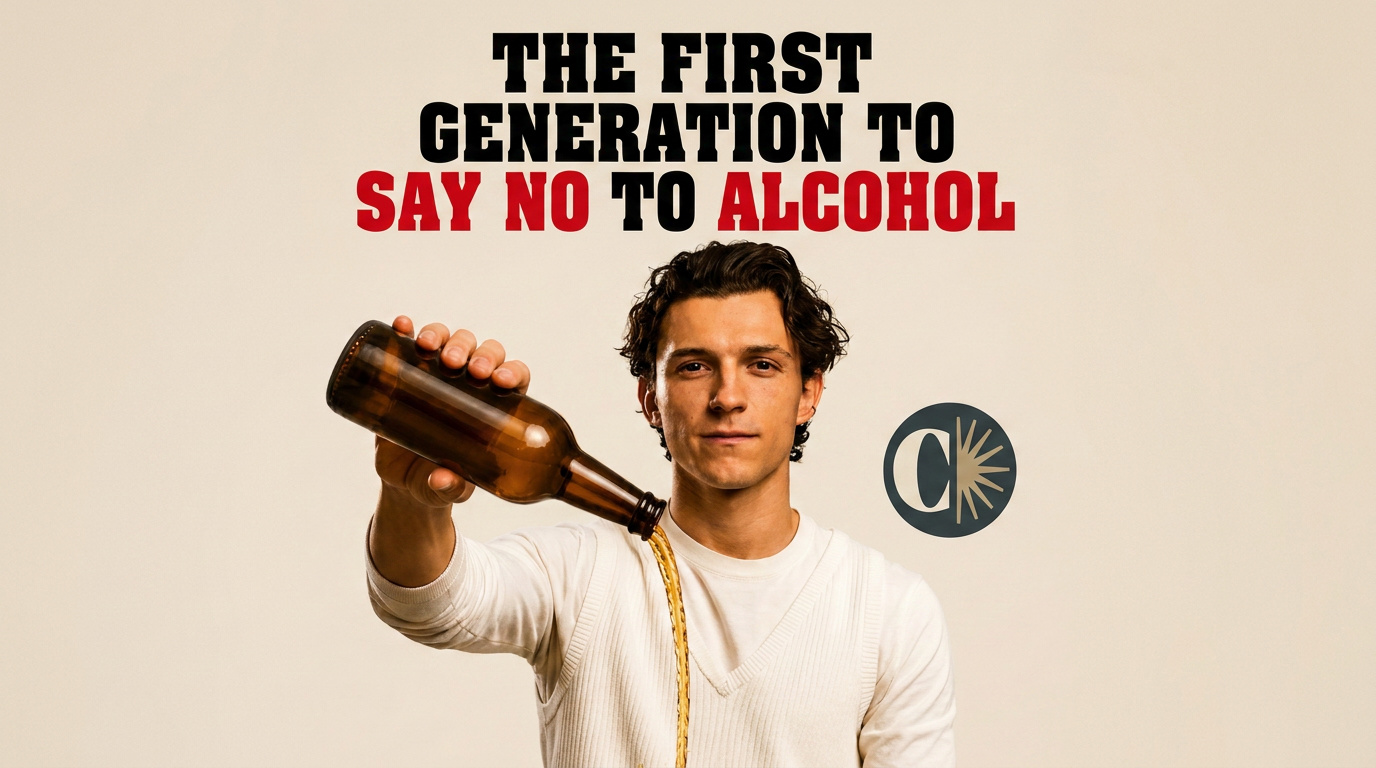

For as long as most of us can remember, alcohol has been sold as the centerpiece of everything that matters. Celebration, success, romance, connection, all of it came with a drink in hand. But a real shift is underway, and younger generations are rewriting that story. They’re choosing clear minds over hangovers and real memories over blackouts, and the data backs it up. If you’ve noticed how much drinking culture is changing, you’re seeing the rise of a generation proving that confidence was never in the bottle to begin with.
Challenging a Story We’ve Been Told for Generations

For generations, alcohol has been marketed as essential to a good life. Advertising tied it to friendship, status, milestones, and fun so effectively that not drinking could feel like opting out of life itself. That message ran deep, and for a long time few people questioned it.
Today, more and more young people are challenging that narrative. They’re asking a simple but radical question: does alcohol actually add to my life, or has it just been sold to me that way? And increasingly, they’re deciding they’d rather have the clear mind, the real memories, and the meaningful experiences than the temporary escape a drink offers. It’s a quiet rejection of a story that shaped generations before them.
This Isn’t Just a Vibe, the Data Backs It Up
This shift isn’t just anecdotal or a passing trend. The numbers tell a clear story. A 2025 Gallup analysis found that only about 50% of adults aged 18 to 34 now say they drink, down from 72% two decades earlier. That’s a dramatic generational change in a relatively short time.
Research consistently shows that Gen Z drinks significantly less than Millennials did at the same age, and experts note the decline began around the early 2000s and has continued since, meaning this is a genuine cultural shift rather than a temporary blip. Alongside it, the “sober curious” movement, examining how much and why you drink without necessarily quitting entirely, has gone mainstream, complete with alcohol-free bars and a booming market of non-alcoholic options. This generation isn’t just drinking less. It’s changing what drinking culture looks like for everyone.
Confidence doesn’t come from a bottle. It comes from being comfortable in your own skin and living life with intention.
Saying No Isn’t Missing Out, It’s Gaining Everything
The old fear about not drinking was always about missing out. Missing the fun, the connection, the moment. But this generation is flipping that idea completely. Saying no to alcohol isn’t about missing out. It’s about gaining everything that actually matters.
When you take alcohol out of the picture, a lot comes flooding back in. Consider what’s genuinely gained:
- Better mental health. Skipping alcohol means skipping the anxiety, low mood, and “hangxiety” that so often follow drinking.
- Stronger relationships. Real connection built on authentic, present interactions rather than blurry nights out.
- Improved physical wellness. Better sleep, more energy, and the many health benefits of cutting alcohol.
- The freedom to be fully present. Actually being there for your life, and remembering it clearly the next day.
Framed that way, sobriety stops looking like deprivation and starts looking like an upgrade. You’re not giving things up. You’re getting more of what matters.
Confidence Comes From Within, Not From a Bottle

There’s a deeper truth driving all of this. For a long time, alcohol was treated as social courage in liquid form, the thing that made you brave enough to talk to someone, loose enough to have fun, confident enough to be yourself. This generation is proving that was always a myth.
Real confidence doesn’t come from a bottle. It comes from being comfortable in your own skin and living life with intention. Learning to show up as yourself, connect authentically, and enjoy life without needing a substance to unlock it builds a kind of self-assurance that alcohol only ever imitated. That’s a far more durable confidence than anything a drink can offer, because it’s actually yours.
Sobriety Is Something to Be Proud Of
Perhaps the biggest change of all is around stigma. Choosing sobriety or a sober-curious lifestyle used to be something people felt they had to hide or explain. Not anymore. Today it’s increasingly something to be proud of.
This generation is showing the world that you don’t need alcohol to have fun, build connections, or create a life worth celebrating. Turning down a drink is no longer awkward or embarrassing. It’s a confident, intentional choice that more and more people respect and admire. As that stigma continues to fade, choosing not to drink is becoming less of a statement and more of a norm, and that shift makes it easier for everyone rethinking their relationship with alcohol.
Curious About Life Without Alcohol?
Maybe reading this, something resonates. Maybe you’ve wondered what your own life might look like with less alcohol in it, or none at all. That curiosity is worth exploring, and you don’t have to figure it out alone.
For some people, cutting back is a simple lifestyle choice. For others, alcohol has become a harder habit to step away from, and that’s okay too. Wherever you fall on that spectrum, support is available. That’s the way we approach it at Changes. Whether you’re sober-curious or genuinely struggling with alcohol, we’re here to help you build a life you don’t need to escape from. That support can include:
- Individual therapy to explore your relationship with alcohol and what you want it to look like.
- Group therapy with others rethinking drinking and building alcohol-free lives.
- Psychiatric support when anxiety, depression, or stress are tied to drinking.
- Practical tools for socializing, connecting, and having fun without alcohol.
- A supportive community that proves you don’t need a drink to belong.
A New Definition of Living
What this generation is really doing is redefining what a full life looks like. Better mental health, stronger relationships, physical wellness, and the freedom to be fully present are becoming the new markers of living well, and none of them come from a bottle.
Whether you want to cut back, get sober, or simply get curious about life with less alcohol, you’re part of a growing movement that’s proving something powerful. You don’t need alcohol to have fun, to connect, or to build a life worth celebrating. You just need to be willing to imagine it, and to take the first step.
Call Today and Explore Life Without Alcohol
Whether you’re sober-curious or ready for a real change, we’d love to help. At Changes Treatment Center, we help people build fulfilling lives without alcohol through PHP, IOP, outpatient treatment, therapy, psychiatric care, and Beyond Therapy programming. Located in Costa Mesa, California. Call (949) 807-2008 today and explore what life without alcohol could look like, with people who will support you through it.
Frequently Asked Questions
Is Gen Z really drinking less alcohol?
Yes. A 2025 Gallup analysis found only about 50% of adults aged 18 to 34 now say they drink, down from 72% two decades earlier. Research consistently shows Gen Z drinks significantly less than Millennials did at the same age, and experts describe it as a genuine, lasting cultural shift rather than a passing trend.
What does “sober curious” mean?
Sober curious describes examining how much, when, and why you drink, and often choosing to drink less, without necessarily committing to full abstinence. It’s about being intentional with alcohol rather than drinking by default. The movement has gone mainstream, with alcohol-free bars and a growing market of non-alcoholic drinks.
What are the benefits of not drinking alcohol?
Common benefits include better mental health with less anxiety and improved mood, stronger and more authentic relationships, improved physical wellness like better sleep and more energy, and the freedom to be fully present and remember your experiences. Many people find these gains far outweigh anything alcohol offered.
Do you need to have a drinking problem to stop drinking?
No. Many people cut back or quit simply as a lifestyle and wellness choice, not because they have a diagnosed problem. Being sober-curious is a valid path, and so is seeking help if alcohol has become harder to step away from. Wherever you are on that spectrum, choosing to drink less is worth exploring.
How can Changes Treatment Center help me drink less or quit?
We support people across the full spectrum, from sober-curious to those struggling with alcohol. Through individual therapy, group therapy, psychiatric support, and practical tools for socializing without alcohol, we help you explore your relationship with drinking and build a fulfilling life you don’t need to escape from.