



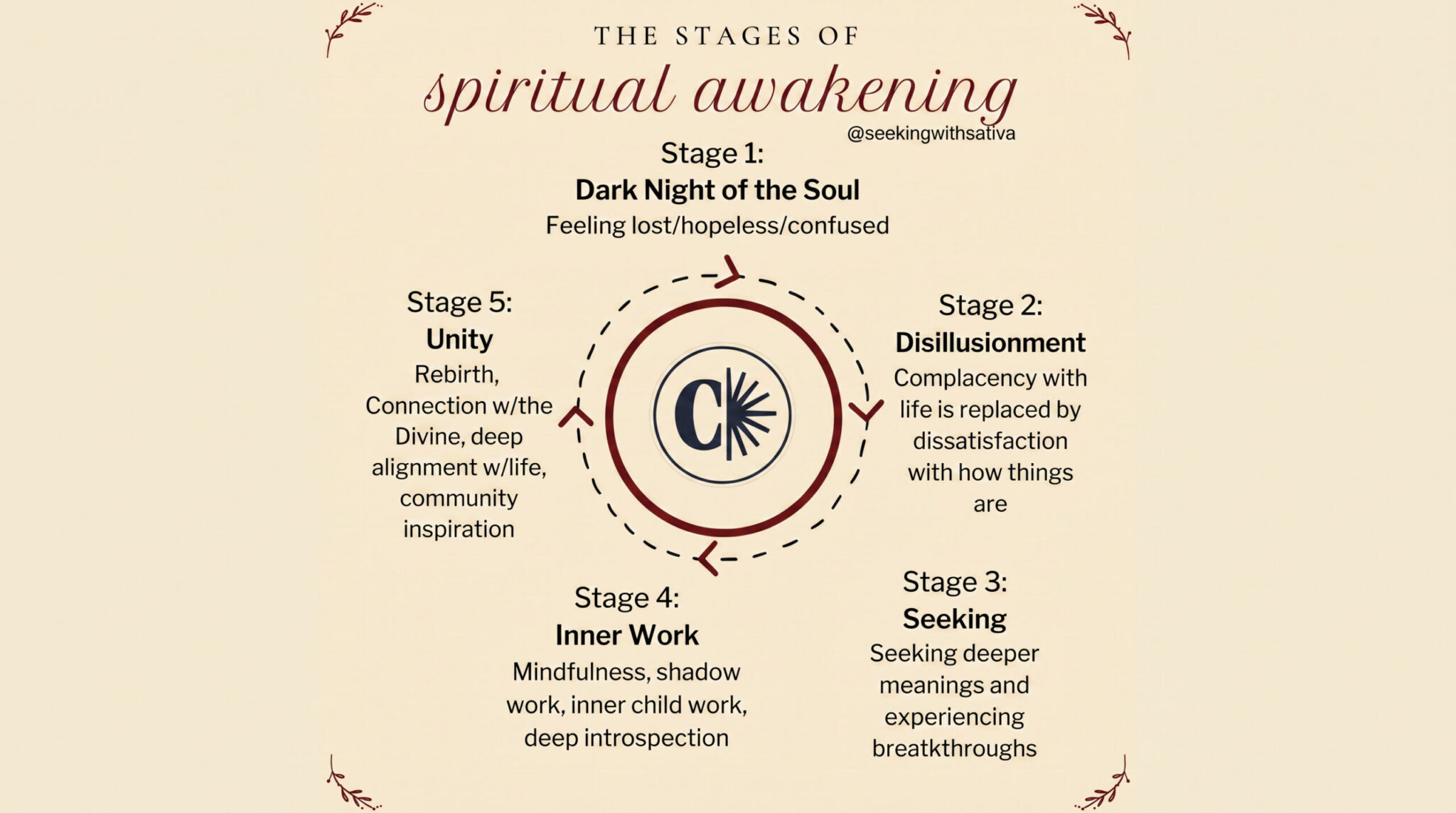


The phrase “spiritual awakening” can sound intimidating, like it requires a dramatic, mystical moment most people will never have. In recovery, it means something much more grounded and human than that. It’s not about a sudden flash of light. It’s about a gradual, real change in who you are and how you move through the world. If you’ve been curious about what a spiritual awakening actually looks like in recovery, it comes down to a quiet but profound shift, and for many people it becomes the foundation of lasting sobriety.
It’s the Result of Practicing Principles, Not Becoming Perfect
In many recovery programs, especially the 12 Steps, a spiritual awakening is understood as the result of practicing certain principles over time. Things like honesty, humility, willingness, forgiveness, service, and acceptance. It isn’t something that happens to you out of nowhere. It grows out of how you choose to live.
Crucially, it’s not about becoming perfect. It’s about becoming transformed. You don’t have to get everything right or reach some flawless version of yourself. As you practice these principles day after day, something inside you starts to shift, and that shift is the awakening. It’s the natural byproduct of doing the work, not a reward reserved for people who never stumble.
From Fear and Self-Centeredness to Integrity and Purpose

At its core, a spiritual awakening is a change in what drives you. Addiction tends to be fueled by fear, by the pull of the substance, and by a kind of self-centeredness that isn’t a moral failing so much as a survival mode the addiction forces you into.
As you heal, that begins to change. Instead of being driven by fear, addiction, or self-centeredness, you start making decisions based on integrity, love, and purpose. The whole engine of your life changes. Where you once acted out of desperation or the need to escape, you begin acting from your values. That’s the heart of the transformation, and it’s why it reaches so far beyond just not using.
A spiritual awakening isn’t about becoming someone new. It’s about rediscovering the person you were always meant to be.
Rediscovering Who You Were Always Meant to Be
Here’s a simple way to think about it that takes the pressure off. A spiritual awakening isn’t about becoming someone new. It’s about rediscovering the person you were always meant to be.
Addiction buries who you really are under layers of fear, shame, and survival. The person underneath, the one capable of honesty, love, and connection, was there all along. Recovery doesn’t manufacture a brand new you. It clears away what was covering up the real one. That reframe matters, because it means you’re not chasing some impossible ideal. You’re coming home to yourself.
Common Signs of a Spiritual Awakening

A spiritual awakening usually isn’t a single dramatic moment. More often it shows up gradually, in how you feel and respond to life. Some common signs include:
- Feeling more at peace, even when life isn’t perfect.
- Letting go of anger, resentment, or the need to control everything.
- Having greater compassion for yourself and others.
- Living according to your values rather than your impulses.
- Finding meaning in everyday experiences.
- Feeling connected instead of isolated.
- Being more grateful and present in the moment.
- Wanting to help others without expecting anything in return.
You don’t have to check every box, and these rarely appear all at once. They tend to grow slowly, and often the people around you notice the change before you do.
Why It Often Happens Gradually
If you’re waiting for a single lightning-bolt moment, it helps to know that’s not how it usually works. This gradual kind of change is well recognized in recovery. In the foundational literature of Alcoholics Anonymous, the Big Book devotes an appendix to “Spiritual Experience,” clarifying that a spiritual awakening is a personality change sufficient to bring about recovery, and that for most people it develops slowly over time rather than in one sudden, spectacular event.
In other words, small awakenings that add up are just as valid, and just as powerful, as any dramatic one. You might realize one day that you handled a hard situation with a calm you didn’t used to have, or that a resentment you carried for years has quietly loosened its grip. Those quiet moments are the awakening happening in real time.
Why This Becomes the Foundation of Lasting Sobriety
Here’s why this matters so much for staying well. For many people in recovery, a spiritual awakening becomes the foundation for long-term sobriety, because it changes not just what they do, but who they are becoming.
Willpower alone is a fragile thing to build recovery on. But when your values, your motivations, and your sense of self have genuinely shifted, staying sober stops being a constant battle against yourself and becomes an expression of who you now are. You’re not just avoiding a substance. You’re living as a person who no longer needs it. That inner change is often what turns temporary sobriety into a lasting one.
How Changes Supports This Kind of Growth

A transformation like this is deeply personal, but it doesn’t happen in isolation. It grows with support, reflection, and community, which is exactly what treatment can provide. That’s the way we approach recovery at Changes, caring for the whole person, not just the substance use. A few of the ways that support comes together:
- Individual therapy to explore your values and reconnect with who you really are.
- Group therapy where connection, honesty, and service become part of everyday practice.
- Support for the whole person, addressing the emotional and mental health side of transformation.
- A recovery community that helps replace isolation with genuine connection.
- Beyond Therapy programming to help you build a life of meaning, purpose, and presence.
Becoming Who You Were Meant to Be
If you’re early in recovery, know that this kind of transformation is available to you. You don’t need a dramatic moment, and you don’t need to be perfect. You simply need to keep practicing the principles that slowly change you from the inside out.
Little by little, fear gives way to peace, resentment gives way to compassion, and isolation gives way to connection. That’s a spiritual awakening. Not becoming someone new, but finally becoming who you were always meant to be.
Call Today and Start Your Own Transformation
Recovery is about more than stopping a substance. It’s about becoming who you were always meant to be. At Changes Treatment Center, we support the whole person through that transformation with PHP, IOP, outpatient treatment, therapy, psychiatric care, and Beyond Therapy programming. Located in Costa Mesa, California. Call (949) 807-2008 today and start becoming who you were always meant to be, with people who will support you through it.
Frequently Asked Questions
What is a spiritual awakening in recovery?
In recovery, a spiritual awakening is a gradual transformation in who you are and what drives you. Rather than being ruled by fear, addiction, or self-centeredness, you begin making decisions based on integrity, love, and purpose. In the 12 Steps, it’s seen as the result of practicing principles like honesty, humility, forgiveness, and service over time.
Do you have to be religious to have a spiritual awakening?
No. A spiritual awakening in recovery isn’t necessarily religious. It’s often described as a personality change that shows up as greater peace, compassion, connection, and living by your values. People of any belief system, or none, can experience this kind of inner transformation through the work of recovery.
What are the signs of a spiritual awakening?
Common signs include feeling more at peace even when life isn’t perfect, letting go of anger and the need to control, having more compassion for yourself and others, living by your values instead of your impulses, finding meaning in everyday moments, feeling connected rather than isolated, and wanting to help others without expecting anything in return.
Is a spiritual awakening always a dramatic experience?
No. While some people describe sudden, dramatic experiences, most spiritual awakenings are gradual. Alcoholics Anonymous literature describes this as the “educational variety,” a slow change that develops over time. Small awakenings that build on each other are just as valid and powerful as any single dramatic moment.
How does Changes Treatment Center support this kind of growth?
We care for the whole person, not just the substance use. Through individual therapy, group therapy, a supportive recovery community, and Beyond Therapy programming, we help people reconnect with their values, build genuine connection, and grow into the person they were always meant to be as a foundation for lasting recovery.