

Anyone who has struggled with addiction knows the lie intimately. The quiet voice that says next time will be different, next time you’ll control it, next time it won’t get out of hand. But it never was different, and it never got better on its own. That’s not a personal failing or a lack of willpower. It’s the nature of the disease itself. If you’ve lived the exhausting cycle of thinking this time you could control it, only to watch it get worse, understanding why can be the thing that finally sets you free.
Addiction Is a Progressive Disease
The first hard truth is this. Addiction truly is a progressive disease, which means that left unchecked, it doesn’t stay the same. It gets worse over time.
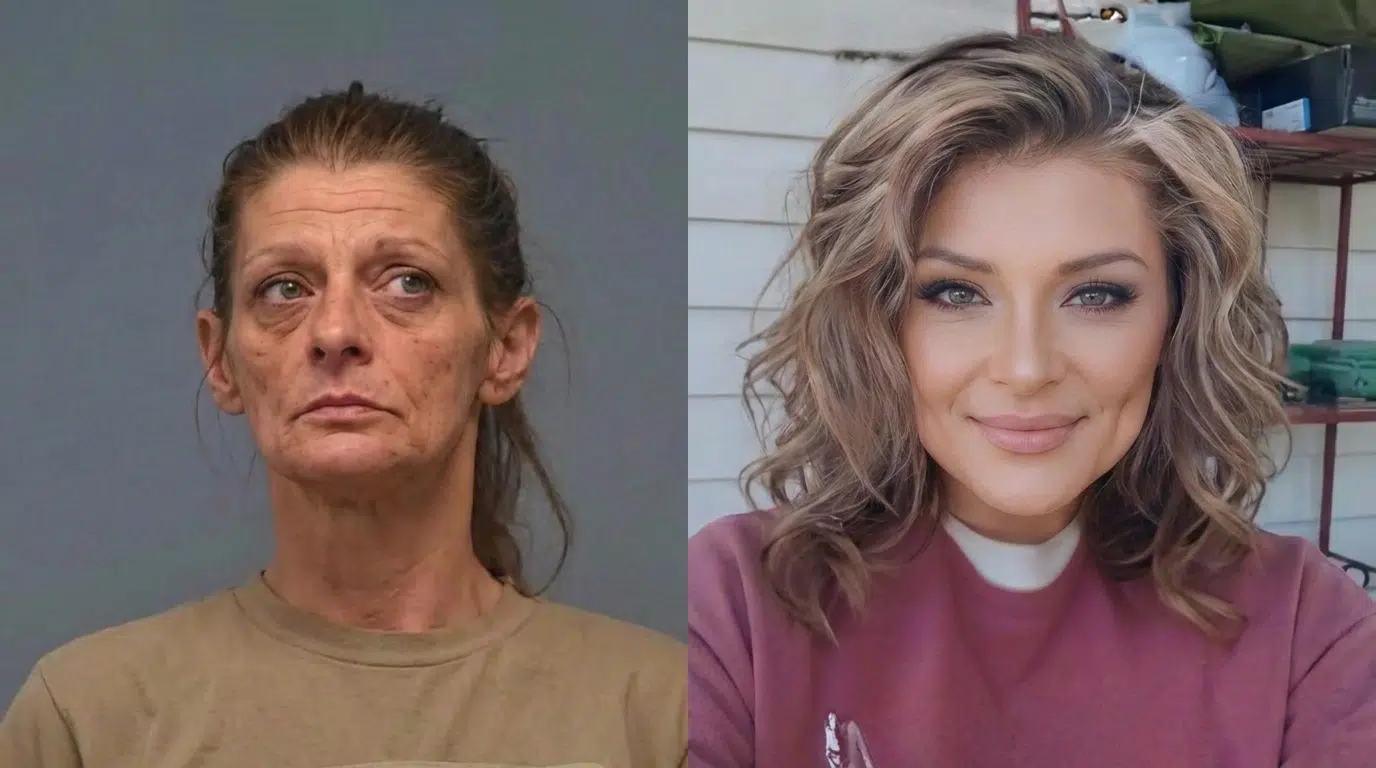
This isn’t just a saying from recovery circles. It’s how the medical community understands it. Major health and addiction authorities, including the National Institute on Drug Abuse, describe addiction as a chronic, progressive, relapsing brain disease. “Progressive” is the key word. What might start as something that feels manageable tends to escalate, demanding more and more while giving back less and less. Every time you think you’ve found a way to control it, the disease quietly moves the goalposts. That’s why so many people can look back and see a clear pattern of things getting steadily worse, no matter how many times they told themselves they had it handled.
Why Control Is an Illusion
Here’s the part that’s so painful to live through. Every time you think you can control it, it just gets worse. The belief that you can manage it, moderate it, or handle it this time is itself part of the disease.
That’s not because you’re weak or not trying hard enough. It’s because addiction changes how the brain works. As substance use continues, it rewires the brain’s reward and decision-making systems, strengthening the pull toward the substance while weakening the very ability to resist it. So the harder you try to control it through willpower alone, the more the disease has already undermined the machinery you’d need to do that. Control isn’t failing because of you. It’s failing because the disease is designed to defeat it.
Every time I thought I could control it, it just got worse and worse. The belief that you can control it is part of the disease.
The Disease Gets in Your Head
One of the most insidious things about addiction is where it operates. It doesn’t just affect your body. It gets into your thoughts. The disease gets in our head and tries to rationalize and make excuses for everything.
This is what makes it so dangerous and so hard to see from the inside. Addiction literally hijacks the brain, turning your own mind into an advocate for the very thing that’s hurting you. It generates the justifications, the “just this once,” the reasons why now is different, the excuses for why it’s not that bad. Because these thoughts feel like your own, they’re incredibly convincing. Understanding that the disease can hijack your thinking is powerful, because it lets you start to recognize those rationalizations for what they are: the voice of the addiction, not the voice of your best judgment.
A Hard Truth About Relapse
This next truth is a heavy one, but it’s important. We all have another relapse in us. Some of us won’t make it back alive.
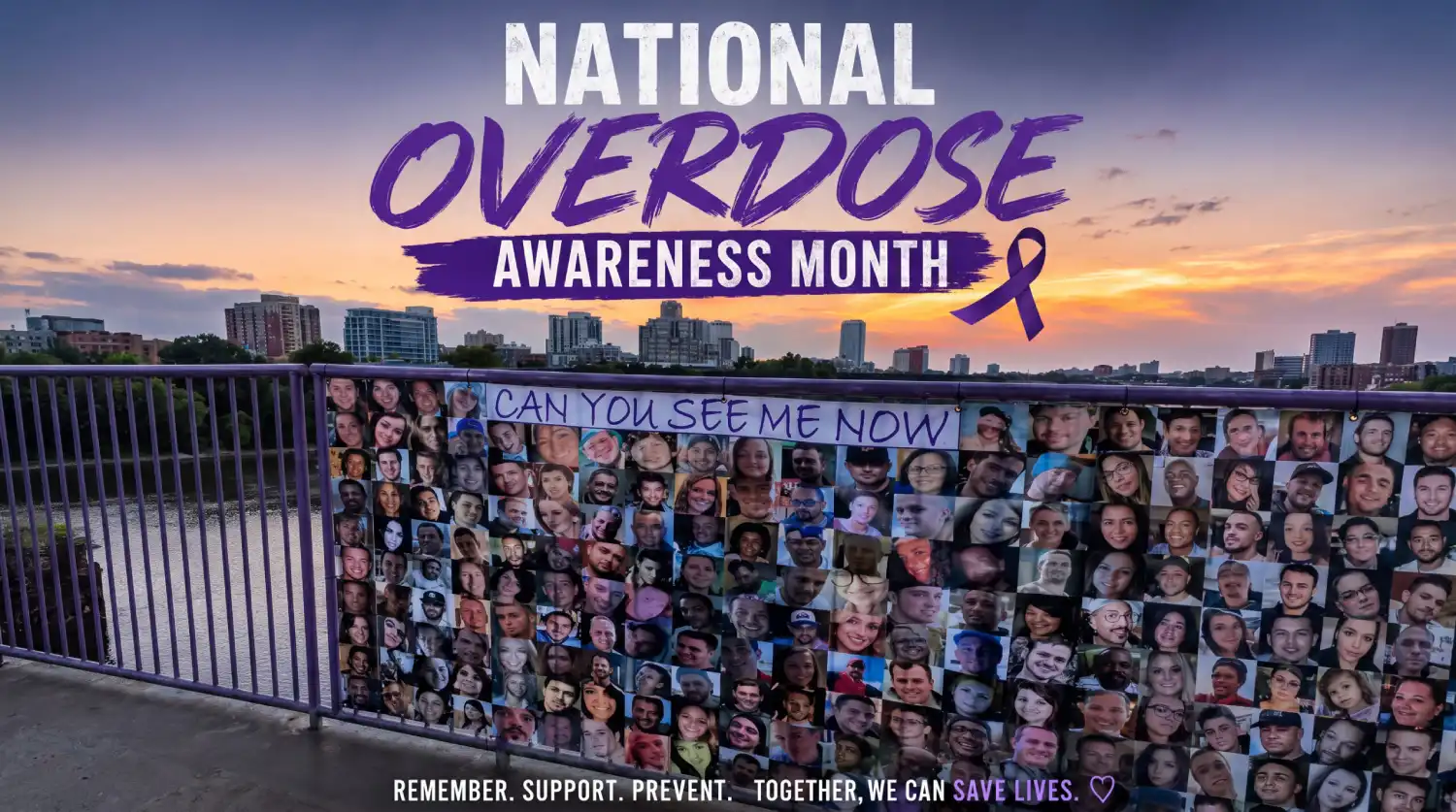
That’s not said to frighten anyone. It’s said because it’s real, and because pretending otherwise costs lives. The “next time” the disease promises isn’t just a return to the same struggle. Given how much more dangerous the drug supply has become, a relapse can carry consequences there’s no coming back from. Addiction hijacks the brain and, left unchecked, it can genuinely kill. Taking that seriously isn’t being dramatic. It’s respecting exactly how high the stakes are, and letting that truth fuel the decision to get help rather than gamble on one more time.
Recovery Is Possible, and It Works Differently
Here’s the hope in all of this, and it’s real. Addiction is progressive, but it’s also treatable. The disease can’t be beaten by the very thing it disables, willpower and control, but it can be managed with the right approach.
Recovery works precisely because it doesn’t rely on white-knuckling it alone. It addresses the disease on the level where it actually operates, through treatment, support, and community that help the brain heal and give you tools stronger than sheer willpower. Like other chronic diseases such as diabetes or heart disease, addiction can be managed and a full life reclaimed. Countless people who were once trapped in the exact cycle you might be in now are living proof that it’s possible to stop the progression and get well.
How Changes Can Help
Because addiction is a disease that hijacks the brain, it responds best to real, comprehensive support, not just good intentions. That’s the way we approach it at Changes, treating the whole person and meeting the disease where it actually lives. A few of the ways that support comes together:
- Medical and clinical support to help you safely stabilize and begin healing.
- Individual therapy to recognize the disease’s rationalizations and build tools stronger than willpower.
- Group therapy with people who know exactly how the “next time” lie works.
- Psychiatric support for the mental health struggles that so often fuel addiction.
- A supportive community that helps interrupt the cycle and keep you moving forward.
Don’t Let It Win
If you’re caught in the cycle of believing next time will be different, hear this clearly. It won’t be, not on its own, because that’s the nature of the disease. But that doesn’t mean you’re stuck. It means the way out isn’t more control. It’s getting real help.
The disease will keep whispering that you can handle it, that now isn’t the time, that one more won’t hurt. Don’t let it. You don’t have to keep testing a truth that so many have paid for dearly. Get sober, reach out, and let people help you do what the disease has convinced you that you can’t. Your life is worth far more than one more “next time.”
Call Today and Break the Cycle for Good
Addiction is progressive, but recovery is possible, and you don’t have to fight it alone. At Changes Treatment Center, we help people break the cycle and heal through PHP, IOP, outpatient treatment, therapy, psychiatric care, and Beyond Therapy programming. Located in Costa Mesa, California. Call (949) 807-2008 today and break the cycle for good, with people who will support you through it.
Frequently Asked Questions
Is addiction really a progressive disease?
Yes. Major health and addiction authorities, including the National Institute on Drug Abuse, describe addiction as a chronic, progressive, relapsing brain disease. Progressive means that without treatment it tends to worsen over time, demanding more of the substance and making it harder to stop. It’s a medical condition, not a lack of willpower.
Why can’t I control my substance use with willpower?
Because addiction changes the brain. Continued substance use rewires the brain’s reward and decision-making systems, strengthening the drive to use while weakening the ability to resist. This is why control through willpower alone so often fails. It’s not a personal weakness, it’s the effect of the disease on the brain, and it’s why outside support makes such a difference.
What does it mean that addiction “hijacks the brain”?
It means addiction alters the brain’s reward circuitry and decision-making so powerfully that it drives compulsive use and generates rationalizations for continuing. The disease can turn your own thoughts into excuses and justifications for using. Recognizing that these rationalizations come from the addiction, not your best judgment, is an important step toward recovery.
Is it true that a relapse can be fatal?
Sadly, yes. Relapse is common in recovery, but given how potent and unpredictable today’s drug supply is, a return to use can carry life-threatening risks, including overdose. This is why relapse is taken so seriously and why having support and a plan in place matters. It’s also why reaching out for help before a relapse is so important.
Can addiction actually be treated?
Yes. While addiction is a chronic, progressive disease, it’s also treatable and manageable, much like diabetes or heart disease. Recovery works by addressing the disease through medical care, therapy, and support rather than relying on willpower alone. Many people break the cycle and rebuild full, healthy lives with the right help.