





Amphetamines include prescription d-amphetamine, mixed amphetamine salts, and lisdexamfetamine, while methamphetamine exists medically as Desoxyn but is rarely used. You’ll also see related stimulants like benzphetamine, phentermine, methylphenidate, and modafinil grouped nearby, though they’re not all amphetamines. These drugs differ by formulation, onset, duration, and risk. Taking them exactly as prescribed is different from misuse, especially crushing, injecting, escalating doses, or using someone else’s pills. Next, you’ll see how those differences matter.
Key Takeaways
- Prescription amphetamines include dextroamphetamine, mixed amphetamine salts, lisdexamfetamine, and, rarely, methamphetamine as Desoxyn.
- Methamphetamine differs chemically and clinically, with higher misuse stigma and very limited FDA-approved use for treatment-resistant ADHD.
- Lisdexamfetamine is a prodrug converted into dextroamphetamine, producing steadier effects and lower immediate abuse potential.
- Methylphenidate, modafinil, cocaine, and phentermine are stimulants but are not prescription amphetamines.
- Misuse includes taking higher doses, using someone else’s medication, or crushing, injecting, or altering prescribed administration.
What are the different types of amphetamines
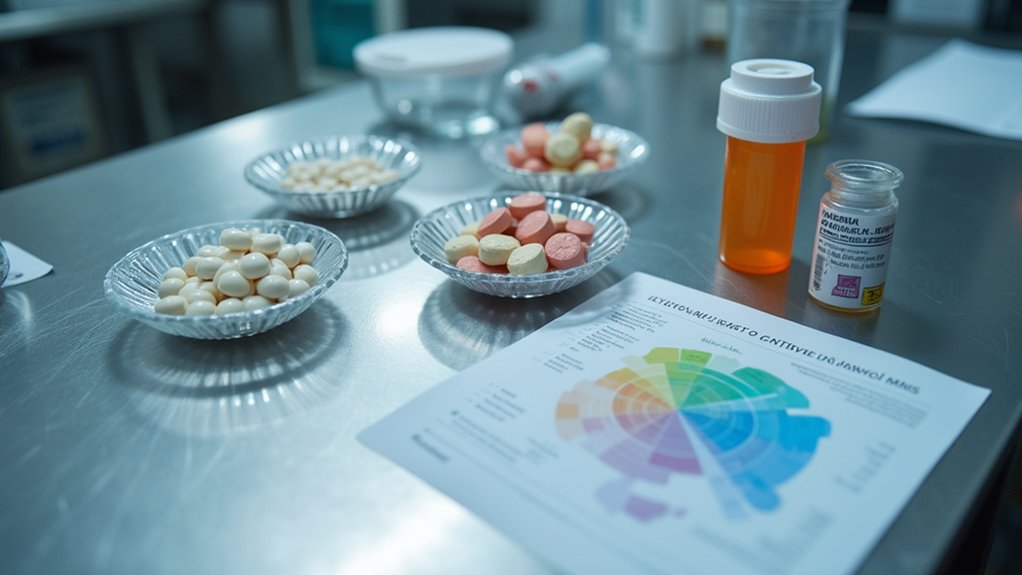
The different types of amphetamines include prescription stimulants and related drugs that differ by chemical structure, formulation, and medical use. You may see amphetamine prescribed for ADHD, narcolepsy, or, less commonly, obesity. Dextroamphetamine is one form of amphetamine and appears in brands such as Dexedrine, Zenzedi, and Xelstrym. Mixed amphetamine salts, best known as Adderall, combine different amphetamine salts. Lisdexamfetamine, sold as Vyvanse, is converted in your body to d-amphetamine and treats ADHD and binge-eating disorder. Methamphetamine also belongs to this drug class. Desoxyn is its prescription form, though illicit meth carries high risk. Other related stimulants include benzphetamine and phentermine for weight loss, plus specialized agents such as iofetamine and hydroxyamphetamine. If you use any stimulant, follow prescribing directions and avoid sharing medication.
How do the main types of amphetamines differ in form and duration
The main types of amphetamines differ by dosage form, onset, and how long effects last. Immediate-release products act sooner but wear off faster; extended-release forms smooth coverage and may reduce rebound when taken as prescribed.
| Type | Common form and duration |
|---|---|
| Amphetamine | Tablets, orally disintegrating tablets, suspensions; short- or longer-acting |
| Dextroamphetamine | Tablets, capsules, liquid, patch; immediate or extended release |
| Mixed amphetamine salts | Tablets or capsules; immediate release or all-day extended release |
| Lisdexamfetamine | Capsules or chewables; prodrug with steadier, longer duration |
| Harm-reduction note | Don’t crush, inject, or combine doses; ask before changing timing |
You should match the formulation to your sleep, appetite, work, and symptom pattern with a prescriber’s guidance.
Which stimulants get grouped with amphetamines but are not one

Methylphenidate, dexmethylphenidate, modafinil, armodafinil, phentermine, and cocaine are stimulants that may be grouped with amphetamines but are not technically amphetamines. They may be grouped this way because they increase alertness, focus, heart rate, or dopamine signaling. Clinically, that grouping can blur important differences. Dextroamphetamine and mixed amphetamine salts are amphetamine medications. Methamphetamine is also in the amphetamine class. Methylphenidate-based drugs aren’t amphetamines, even though they’re prescribed for ADHD and can feel similar. Modafinil-type wakefulness agents have different mechanisms and misuse profiles. Cocaine is a stimulant but not a prescription amphetamine.
If you’re comparing risks, don’t rely on street names, pill appearance, or “upper” effects. Check the exact drug name, dose, route, and source. Combining stimulants can raise risks for anxiety, overheating, hypertension, arrhythmias, and overdose.
Does methamphetamine have any approved medical use left
Yes, methamphetamine still has a narrow approved medical use in the United States. Prescription methamphetamine hydrochloride, sold as Desoxyn, is FDA-approved for ADHD. You should know this FDA approval doesn’t make methamphetamine routine care. Clinicians generally reserve it for limited situations when other treatments haven’t helped enough.
- You may feel surprised that a drug linked with serious harm can also have medical use under strict controls.
- You may feel wary, and that caution is reasonable because methamphetamine has strong central nervous system effects.
- You may feel reassured knowing regulated prescribing uses defined doses, monitoring, and documentation.
If you’re comparing amphetamine types, keep the distinction clinical. Desoxyn exists, but its role is uncommon, carefully restricted, and focused on ADHD treatment.
Why does taking a prescription as directed sit apart from misuse
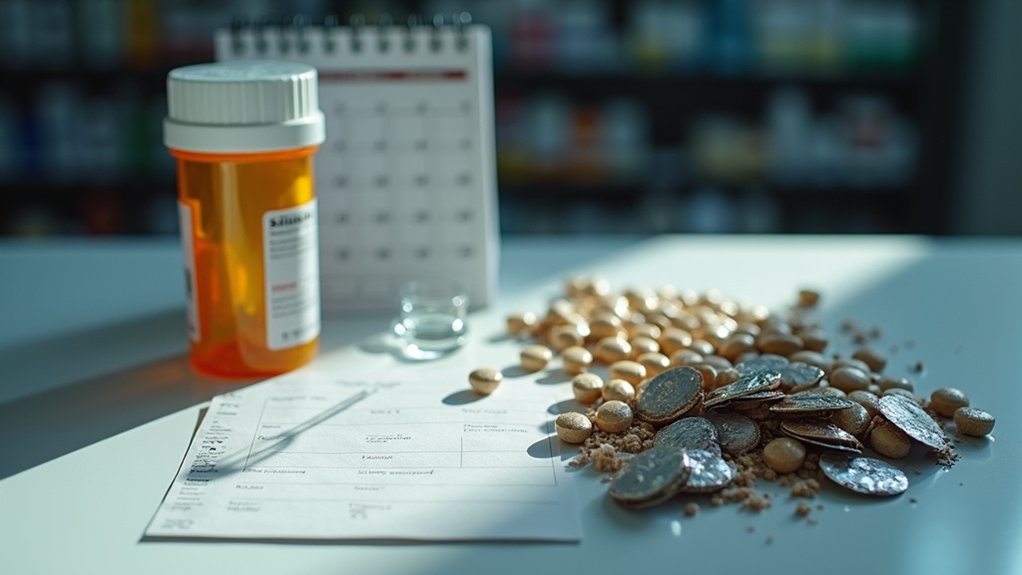
Taking a prescription as directed sits apart from misuse because it means using the right medication, dose, route, and purpose under clinician supervision. When you take Adderall, Dexedrine, Vyvanse, or another stimulant exactly as prescribed, you use a measured product for a diagnosed condition, with follow-up to track benefits, blood pressure, sleep, appetite, and side effects. That’s different from prescription misuse, such as taking higher doses, using someone else’s medication, crushing pills, or taking it to stay awake or get high.
This distinction matters in amphetamines vs meth discussions because controlled medical products deliver predictable dosing, while illicit meth often has uncertain strength and contaminants. Still, prescribed stimulants can cause harm if you change how you take them. Medical use vs abuse depends on using the right drug, dose, route, and purpose under clinician supervision.
How common is prescription stimulant misuse in the United States
Prescription stimulant misuse is not rare in the United States, especially among teens and young adults with access to ADHD medications. National surveys consistently show prescription stimulant misuse affects millions yearly, often involving amphetamine formulations taken without a prescription, at higher doses, or for studying, alertness, or weight control.
- You may feel pressure to perform, but misuse can raise risks for anxiety, insomnia, elevated heart rate, and dependence.
- You might assume prescribed pills are safer than street drugs, yet dose, route, and mixing substances change risk quickly.
- You’re not alone if you’re worried; honest, nonjudgmental care can help you reduce harm.
Evidence supports secure storage, medication reviews, and talking with a clinician before changing how you take stimulants.
When has your own stimulant use crossed a line worth acting on
Your own stimulant use has crossed a line worth acting on when it stops serving a medical purpose and starts driving your choices, health, or safety. You may notice warning signs: taking amphetamines more often or at higher doses than prescribed, crushing or snorting pills, mixing them with alcohol or other drugs, or using someone else’s medication.
You should also act if you need stimulants to work, study, socialize, or feel normal; if you run out early; or if stopping causes exhaustion, depression, sleep disruption, or cravings. Chest pain, severe anxiety, paranoia, aggression, or suicidal thoughts need urgent care. Harm reduction starts with honesty: don’t escalate doses, avoid mixing substances, secure prescriptions, and talk with a clinician. Asking for help isn’t failure, it’s a safety step. Keep naloxone available if pills may be counterfeit.
When Prescription Use Turns Into Something Harder to Control
Amphetamines can be genuinely helpful when prescribed, but for some people, use gradually slips beyond the prescription, into higher doses, non-medical use, or a dependence that’s hard to shake. Changes Treatment Center in Costa Mesa helps people who’ve lost their footing with prescription stimulants or methamphetamine, addressing the cravings, the crash, and the underlying issues driving the use. Through PHP, IOP, and outpatient care, our team builds recovery around your specific situation. If a stimulant has taken more control than you intended, reach out today. Call (949) 807-2008 to talk with our team.
Frequently Asked Questions
Can Amphetamines Show up on Workplace Drug Tests?
Yes, amphetamines can show up on workplace drug tests. You may test positive if you take prescribed Adderall, Dexedrine, Vyvanse, or methamphetamine-based medication. Screening tests often detect amphetamine-class substances, but confirmatory testing can identify specific drugs and reduce false positives. You should tell the medical review officer about valid prescriptions. Don’t stop medication without your prescriber’s guidance. If results concern you, request confirmation and documentation.
How Long Do Amphetamines Stay in the Body?
Amphetamines usually stay detectable in your body for 1 to 3 days in urine, though some tests may detect them longer. Blood tests often show use for about 12 to 24 hours, saliva for 1 to 2 days, and hair for up to 90 days. Your dose, frequency, metabolism, kidney function, urine pH, and medication type can change detection time. If you’re prescribed amphetamines, disclose it before testing.
Can Prescription Amphetamines Interact With Antidepressants?
Yes. Prescription amphetamines can interact with antidepressants. You may face higher blood pressure, faster heart rate, anxiety, insomnia, or serotonin syndrome, especially with SSRIs, SNRIs, MAOIs, TCAs, or bupropion. You shouldn’t combine amphetamines with MAOIs or use them within 14 days. Tell your prescriber about every medication, supplement, and substance you use. Don’t stop antidepressants suddenly; ask your clinician how to monitor symptoms and adjust doses safely.
Are Amphetamines Safe During Pregnancy or Breastfeeding?
Amphetamines aren’t automatically safe during pregnancy or breastfeeding, and you shouldn’t start, stop, or change them without your clinician. Prescription stimulants may be continued when benefits outweigh risks, but they can affect blood pressure, fetal growth, and newborn symptoms. During breastfeeding, they may pass into milk and could affect infant sleep, feeding, or weight gain. Tell your OB, prescriber, and pediatrician so they can monitor you and your baby closely.
What Should I Do After Missing a Prescribed Dose?
Take the missed dose when you remember, unless it’s close to your next dose or late in the day; then skip it. Don’t double up, because that can raise risks like insomnia, anxiety, fast heartbeat, or high blood pressure. Follow your prescriber’s directions, since timing differs by medication and formulation. If you miss doses often, feel unwell, or took extra by mistake, call your pharmacist, prescriber, or poison control.