



One of the most discouraging myths about getting sober is that there’s a single right way to do it. People hear about one approach that worked for someone else and assume that if it doesn’t click for them, they’ve failed. The truth is simpler and a lot more hopeful. Recovery is personal, and what healing looks like for you might look different from the person sitting next to you. The goal isn’t to follow someone else’s path. It’s to find the one that actually works for your life.
Why One-Size-Fits-All Doesn’t Work
Addiction doesn’t look the same from one person to the next, so it makes sense that recovery wouldn’t either. People come into it with different histories, different substances, different mental health needs, and different lives waiting on the other side.
A plan that ignores all of that, and tries to push everyone through the same template, tends to leave people feeling like the problem is them. It usually isn’t. More often, it’s that the approach didn’t fit. When recovery is built around the actual person, the work gets more honest, and it tends to last.
That’s why a personal path matters so much. It isn’t about doing less. It’s about doing what’s right for you, so the changes you make are ones you can actually live with long-term.
The Common Thread: Connection and Community
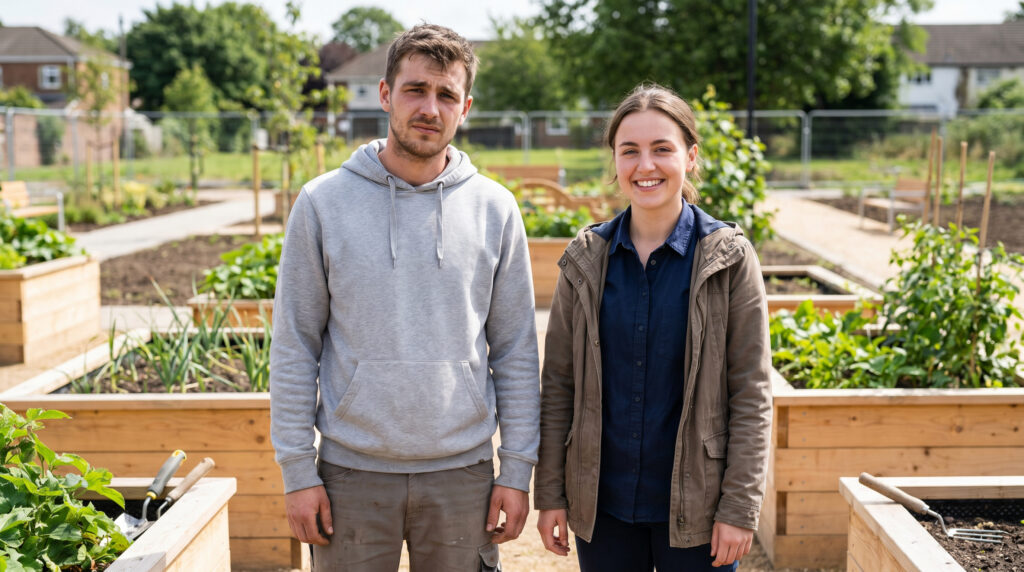
Even though the path is personal, one ingredient shows up again and again in lasting recovery, and that’s connection. Healing rarely happens in isolation. It happens with support, community, and people who understand what you’re going through.
This isn’t just a nice idea. It’s backed by solid research. A major 2020 review by the Cochrane Collaboration, which analyzed 27 studies involving more than 10,000 people, found that peer-led 12-Step programs and the clinical support that connects people to them produced abstinence outcomes as good as or better than other treatments like cognitive behavioral therapy. In plain terms, community-based support works, and for many people it works as well as anything else available.
Connection, community, and support can make all the difference. Recovery was never meant to be done alone.
Why Location Matters More Than People Think
Where you recover can shape how supported you feel day to day, and this is one of the real advantages of being in Costa Mesa. The area has a thriving, active recovery community built up over years.
That community is not abstract. It shows up as meetings happening throughout the day, often as frequently as every hour. Whatever time you’re struggling, whatever your schedule looks like, there’s usually a room full of people who get it within reach. For someone in early recovery, that kind of constant access can be the difference between facing a hard moment alone and facing it with support.
How We Help You Stay Connected

Knowing that community help is one thing. Actually getting to it, especially early on, is another. That’s a gap we work to close at Changes.
For clients in our program who are living in our supportive sober living homes, we provide transportation and support to local 12-Step meetings. The idea is to remove the practical barriers that can get between you and the support you need, so that connection is something you can rely on, not something you have to fight to reach. A few of the ways that support comes together:
- Transportation to meetings, so getting to a 12-Step group is never the thing that stops you from going.
- A built-in community through our program and sober living homes, so you’re surrounded by people who understand.
- Access to a thriving local recovery scene in Costa Mesa, with meetings available throughout the day.
- Individual therapy to help shape a recovery path that actually fits your life.
- Group therapy and Beyond Therapy programming to build connection, confidence, and community from the inside out.
Your Recovery Gets to Look Like You
There’s real freedom in letting go of the idea that you have to recover a certain way. You don’t have to force yourself into a mold that doesn’t fit. You get to discover what works for you, with support helping you figure it out along the way.
For some people, that leans heavily on the 12-Step community. For others, it’s therapy, or a mix of things. What stays true across all of it is that you don’t have to do it alone, and you don’t have to have it all figured out before you start. The path becomes clearer as you walk it.
Call Today and Discover What Recovery Looks Like for You
There’s no single right way to heal, and you don’t have to find your way alone. At Changes Treatment Center, we help you discover what recovery looks like for you, with connection and community every step of the way, through PHP, IOP, outpatient treatment, therapy, psychiatric care, and Beyond Therapy programming, plus transportation to local 12-Step meetings and a supportive recovery community. Located in Costa Mesa, California. Call (949) 807-2008 today and find the path that works for you, with people who will support you through it.
Frequently Asked Questions
Is there one right way to recover from addiction?
No. Recovery is personal, and what works for one person may not work for another. People come into recovery with different histories, substances, and needs, so the most effective path is one built around the individual rather than a single template. The goal is to find what actually fits your life.
Do 12-Step meetings actually work?
Research says yes for many people. A 2020 Cochrane review of 27 studies involving more than 10,000 people found that 12-Step programs and the clinical support connecting people to them produced abstinence outcomes as good as or better than other treatments like cognitive behavioral therapy. They aren’t the only option, but the evidence behind them is strong.
Why does community matter so much in recovery?
Healing rarely happens in isolation. Connection, community, and support give people understanding, accountability, and a place to turn during hard moments. For many people in recovery, that sense of not being alone is one of the most important factors in staying well over time.
What makes Costa Mesa a good place for recovery?
Costa Mesa has a thriving, established recovery community with 12-Step meetings happening throughout the day, often every hour. That constant access means support is usually within reach whenever someone needs it, which can make a meaningful difference, especially in early recovery.
Does Changes Treatment Center help clients get to meetings?
Yes. For clients in our program who live in our supportive sober living homes, we provide transportation and support to local 12-Step meetings. We work to remove the practical barriers between you and the community support that helps recovery last.