

You can pursue involuntary commitment for addiction in 34 states, plus the District of Columbia, Puerto Rico, and the U.S. Virgin Islands, when substance use disorder is the primary diagnosis. Fifteen states require a co-occurring mental illness. California and Texas allow it for substance use and alcoholism, while New York doesn’t have a specific addiction law. A diagnosis alone won’t qualify. Most states require danger to self or others. Understanding your state’s process and timelines comes next.
Key Takeaways
- A 2026 report counts 34 states, plus DC, Puerto Rico, and the U.S. Virgin Islands, permitting involuntary commitment for substance use disorder.
- Fifteen states allow involuntary commitment only when substance use disorder co-occurs with a mental illness.
- California, Texas, and Florida allow involuntary commitment for both substance use disorder and alcoholism; Florida uses the Marchman Act.
- New York has no specific addiction-commitment law, though mental-health commitment may apply when mental illness is involved.
- Most states require danger to self or others; a substance use diagnosis or overdose risk alone does not qualify.
Which states allow involuntary commitment for addiction treatment

A 2026 legal landscape report counts 34 states, plus the District of Columbia, Puerto Rico, and the U.S. Virgin Islands, that permit involuntary commitment when substance use disorder is the primary diagnosis. Fifteen states require a co-occurring mental illness. If you’re researching involuntary rehab california or involuntary rehab texas, both states appear on lists allowing commitment for substance use disorder and alcoholism. Involuntary rehab new york works differently: New York has no specific addiction-commitment law, though mental-health commitment may apply when mental illness is involved. Counts also shift with dates and definitions; a 2018 LawAtlas analysis found 37 states and D.C. authorized it. Because laws change, you should check your state’s current statute before acting.
How do involuntary rehab laws differ by state
State involuntary rehab laws differ in who qualifies, who can file a petition, and how long someone can be held. If you’re asking what states can you force someone into rehab, you’ll also need to know each state’s specific requirements.
| Legal Factor | How States Differ |
|---|---|
| Eligibility | Most require dangerousness to self or others; diagnosis alone isn’t enough |
| Who can petition | Any adult in 26 states; others limit filing to relatives or professionals |
| Duration | Colorado allows up to 5 emergency days, then court-ordered treatment up to 270 days |
Some states also weigh intoxication, impaired control, or grave disability. Others explicitly specify that refusing treatment doesn’t prove someone lacks judgment. Since laws change, check your state’s current statute and consult a legal or treatment professional before you act.
How does California handle this kind of case

California permits involuntary commitment for both substance use disorder and alcoholism, according to a 2026 state list, but you can’t rely on a diagnosis alone to start the process. Legal reviews caution that diagnosis or overdose risk, by itself, doesn’t justify commitment. You’ll generally need evidence that your loved one is dangerous to themselves or others, and some states also weigh grave disability or an inability to meet basic needs. Expect a civil process, not a criminal one, that typically involves clinical assessment and judicial review. Check California’s current statute for who can petition, what evidence you’ll need, where treatment occurs, how long it lasts, and who pays. Because laws change, confirm details with a qualified California attorney or treatment professional.
How do the Marchman Act and similar laws work
The Marchman Act and similar laws work through a shared civil structure: someone files a court petition, then clinical assessment and judicial review follow, which can lead to court-involved addiction treatment. The Marchman Act is Florida’s version of this framework, and Florida appears on a 2026 list of states that allow commitment for both substance use disorder and alcoholism. You start by filing a court petition, and in 26 states any adult can file. Colorado requires you to have firsthand knowledge and testify. A diagnosis alone won’t qualify your loved one. Most statutes require danger to self or others, and some add impaired control or grave disability. Refusing treatment isn’t proof of poor judgment. Colorado allows five days of emergency commitment, then up to 270 days of court-ordered treatment. Check your state’s current statute before acting.
What conditions must be met for involuntary commitment
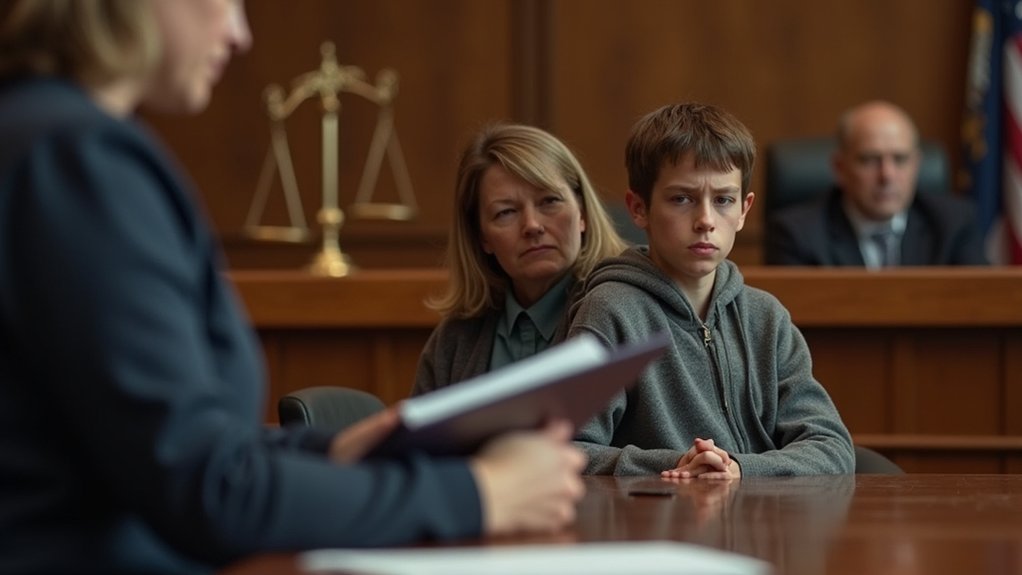
Most states require you to show that your loved one is a danger to self or others, and a 2018 LawAtlas review found that every state it examined included a danger criterion. A substance use disorder diagnosis alone won’t meet the legal standard, and a 2026 legal report notes that overdose risk alone isn’t sufficient either.
Some statutes also consider intoxication, impaired control over substance use, or whether your loved one is likely to benefit from treatment. Others add standards such as grave disability, inability to meet basic needs, or serious deterioration. Keep in mind that some states specify that refusing treatment doesn’t, by itself, prove impaired judgment. Because criteria differ, check your state’s current statute before you file.
How long can an involuntary hold last
The length of an involuntary hold depends on the state, because no single national limit applies. Each state sets its own maximum duration, treatment setting, and renewal rules, so you’ll need to check the statute where your loved one lives. In Colorado, for example, an emergency commitment can last up to five days, and a court can then order treatment for up to 270 days. That longer commitment requires a court order and applies only when someone has refused voluntary care and poses a danger because of substance use.
Many jurisdictions also allow courts to renew an order when someone needs additional treatment. According to a 2026 legal report, 41 states, the District of Columbia, Guam, Puerto Rico, and the Northern Mariana Islands permit these renewals. Always verify current state rules.
Where do you check your own state’s rules
Check your state’s current statute on involuntary commitment for substance use, which you can find on your state’s legislature website, court system, or health department. Go to that source before you act on any state list. Published counts vary because they use different dates and definitions. A 2018 LawAtlas map reflects laws as of March 1, 2018, while later reports count 34 states.
As you read, check who can file a petition, what dangerousness or disability standard applies, how long an order lasts, and who pays. Note whether the law covers drugs, alcohol, or both, and whether it requires co-occurring mental illness. If your state doesn’t have an addiction-specific law, ask whether its mental-health commitment process applies. An attorney or court clerk can clarify unclear procedures.
Separate Legal Questions From Treatment Planning
State laws determine when involuntary commitment may be possible, while the clinical side of recovery depends on what level of care a person actually needs. Changes Treatment Center provides PHP, IOP, and outpatient addiction treatment for adults appropriate for outpatient care. For questions about entering treatment at Changes, call (949) 807-2008 or contact the center.
Frequently Asked Questions
Who Pays for Court-Ordered Addiction Treatment if the Person Cannot Afford It?
It depends on your state’s law. Some statutes base charges on your ability to pay, some ask the petitioner to guarantee payment, and others make the county responsible when you can’t afford treatment. Because these rules vary widely, you’ll want to check your state’s current statute before anyone files a petition. Knowing who’s financially responsible ahead of time can ease stress for you and your family during a difficult process.
Can Any Adult File a Petition, or Only Family Members?
It depends on your state. According to a 2026 legal report, 26 states and four territories let any adult file a petition. Other states restrict filing to certain relatives, professionals, officials, or specified people. You’ll often need firsthand evidence supporting the legal criteria. Colorado, for example, requires you to have firsthand knowledge and be able to testify. If you’re worried about a loved one, check your state’s current statute first.
Does Involuntary Commitment for Addiction Create a Criminal Record?
Generally, no. Involuntary commitment for addiction is a civil legal process, not a criminal sentence, so it doesn’t by itself mean you’ve been convicted of a crime. However, a court usually reviews the petition, so a civil court record may exist, and states handle confidentiality and access differently. If you’re worried about how a commitment could affect you, check your state’s statute or consult a local health-law attorney for guidance.
What Legal Rights Does a Person Have During Commitment Proceedings?
Your rights depend on your state’s statute, but common protections exist. Someone must typically file a court petition, and a judge reviews your case alongside a clinical assessment. The petitioner may need firsthand evidence and must show you meet strict criteria, usually dangerousness. A diagnosis or refusing treatment alone isn’t enough. Longer commitments and renewals typically require court approval, so check your state’s current law for exact protections.
Is Involuntary Addiction Treatment as Effective as Voluntary Treatment?
The legal sources here don’t settle that question. They cover statutes, not comparative outcomes. You’ll see that some laws ask whether a person is likely to benefit from treatment, and Colorado frames commitment as a last resort after someone refuses voluntary care. If you’re weighing this for a loved one, you can ask treating clinicians about current outcome evidence, and you’ll also want to confirm your state’s dangerousness criteria first.