



When you stop drinking or using, you get a lot of time back. That’s a good thing, but it can also feel like a lot of empty space at first, and empty space is hard in early recovery. One of the best ways to fill it is with hobbies that genuinely make you feel good, the kind that lower stress, build confidence, and remind you that life is better lived sober. If you’re looking for rewarding sober hobbies, here are five that many people in recovery find especially helpful.
Why Hobbies Matter So Much in Recovery
Hobbies aren’t just a way to pass the time. In recovery, they do real work. They give your days structure, they replace the space a substance used to fill, and they offer healthy ways to handle stress and difficult emotions.
They also rebuild something addiction often takes away: a sense of joy and purpose that doesn’t depend on a substance. Finding things you genuinely enjoy reminds you that a sober life isn’t a smaller life. It can be a fuller one. The hobbies below are popular for good reason, but the real goal is to find what works for you.
Life is better lived in recovery. The right hobby can help you feel that for yourself.
The 5 Most Rewarding Sober Hobbies
1. Hiking and Nature Walks

Getting outside and moving through nature is one of the simplest and most powerful sober hobbies there is. It costs little, asks nothing but a pair of shoes, and gives a lot back.
- Reduces stress and anxiety
- Improves physical health
- Helps create a sense of peace and connection
Whether it’s a challenging trail or a quiet walk through a local park, time in nature has a way of clearing the head and settling the nervous system.
2. Fitness and Strength Training
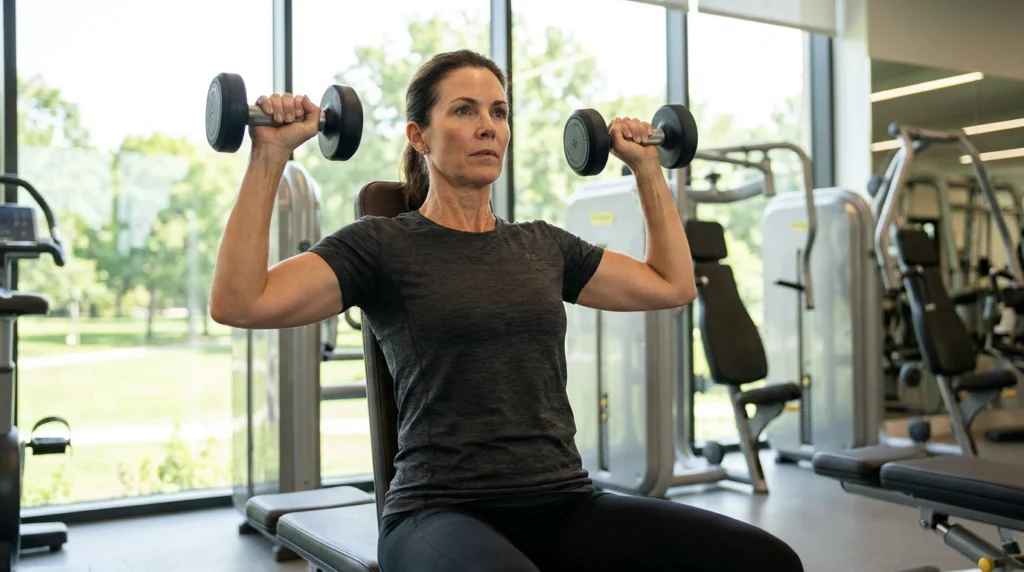
Exercise is one of the most reliable mood boosters available, and it gives early recovery something it badly needs: structure and routine.
- Boosts mood through natural endorphins
- Builds confidence and self-esteem
- Provides structure and routine
Watching yourself get stronger over time builds a sense of accomplishment that carries over into the rest of recovery. You don’t need a gym to start, just something that gets your body moving regularly.
3. Creative Arts

Painting, drawing, photography, crafting, or writing all give difficult emotions somewhere to go, which is exactly what recovery needs.
- A healthy outlet for emotions
- Encourages self-expression
- Builds mindfulness and focus
You don’t have to be talented or experienced. The value is in the process, not the result. Creating something can be a calming, grounding way to process what you’re feeling without having to put it into words.
4. Volunteering and Service Work

Helping others is one of the most meaningful things a person in recovery can do, and it tends to give back as much as it gives.
- Gives a sense of purpose
- Builds meaningful connections
- Lets you give back to others
Getting outside of your own head and contributing to something bigger can restore a sense of purpose that addiction often erodes. It also builds community, which is one of the strongest protectors of long-term recovery.
5. Beach Activities and Collecting Sea Glass
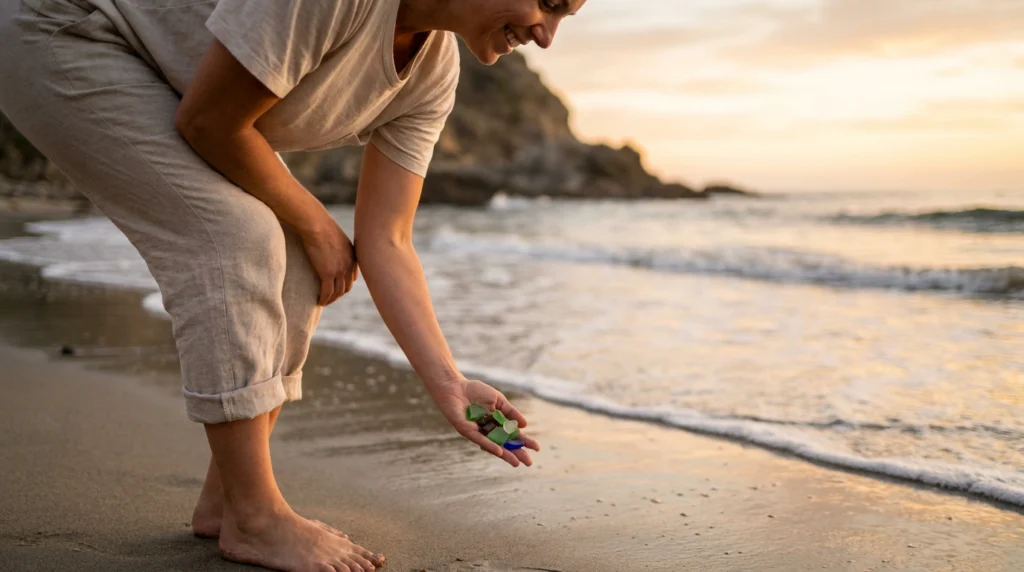
Walking the shoreline, beachcombing, paddleboarding, or collecting sea glass blends gentle exercise with the quiet thrill of discovery.
- Relaxing and meditative
- Combines exercise with the excitement of discovery
- Gets you outside and present
There’s something naturally calming about the water, and hunting for sea glass turns an ordinary walk into a small adventure. For anyone near the coast, it’s an easy, low-pressure way to stay active and present.
Finding the Hobby That Fits You
This list is a starting point, not a rulebook. The best sober hobby is the one you actually look forward to, so it’s worth trying a few things and paying attention to what genuinely lifts your mood.
Some people find peace in nature, others in a gym, a sketchbook, a service project, or a walk along the beach. There’s no wrong answer. What matters is that you’re filling your time with something that supports your wellbeing instead of working against it. Give yourself permission to experiment until something clicks.
When You Need More Than a New Hobby
Hobbies are a powerful part of a healthy recovery, but they work best alongside real support. If staying sober is feeling like a daily struggle, that’s worth taking seriously, and it’s not something you have to face on your own. The right hobby can lift a hard day, but lasting recovery is built on a stronger foundation.
That’s the way we approach it at Changes. We help people build the tools, support, and community that make a sober life feel full and sustainable. A few of the ways that support comes together:
- Individual therapy to build coping skills and work through what’s underneath the substance use.
- Group therapy to build the connection and community that recovery leans on.
- Psychiatric support when anxiety, depression, or other struggles are part of the picture.
- Case management to help steady the practical side of life so you can focus on staying well.
- Beyond Therapy programming to help you rediscover purpose and build a life you genuinely enjoy.
Life Is Better Lived in Recovery
The point of all of this is simple. Recovery isn’t about giving things up and getting less. It’s about making room for a life that’s actually worth being present for. The right hobbies are part of how you build that, one enjoyable, meaningful day at a time.
So try something new. Get outside, move your body, make something, help someone, or walk along the water. You might be surprised how good a sober life can feel. Life really is better lived in recovery.
Call Today and Build a Life You Enjoy in Recovery
New hobbies are a great start, but lasting recovery is about building a full, supported life. At Changes Treatment Center, we help people build the tools, connection, and support they need to stay well through PHP, IOP, outpatient treatment, therapy, psychiatric care, and Beyond Therapy programming. Located in Costa Mesa, California. Call (949) 807-2008 today and start building a sober life you genuinely enjoy, with people who will support you through it.
Frequently Asked Questions
What are good hobbies for people in recovery?
Some of the most rewarding sober hobbies include hiking and nature walks, fitness and strength training, creative arts like painting or writing, volunteering and service work, and beach activities like beachcombing or collecting sea glass. The best hobby is one you genuinely enjoy and look forward to.
Why are hobbies important in addiction recovery?
Hobbies give your days structure, fill the time a substance used to take up, and offer healthy ways to manage stress and emotions. They also rebuild a sense of joy and purpose that doesn’t depend on a substance, which helps make a sober life feel full rather than limited.
How do hobbies help prevent relapse?
By filling free time, reducing stress, and building routine and connection, hobbies remove some of the boredom and isolation that can trigger relapse. They give you healthy outlets and meaningful things to look forward to, which strengthens your overall recovery, though they work best alongside real support.
What if I can’t find a hobby I enjoy?
That’s normal, especially early on when motivation can be low. The key is to keep experimenting without pressure. Try a few different things, start small, and pay attention to what lifts your mood, even slightly. Interest often grows with time and repetition, so give yourself room to explore.
How does Changes Treatment Center help build a fulfilling sober life?
We focus on more than helping people stop using. Through individual therapy, group therapy, psychiatric support, case management, and Beyond Therapy programming, we help people rediscover purpose, build connection, and create a sober life they genuinely enjoy and want to stay present for.