



Almost every product we consume comes with a label telling us what’s inside and what it might do to us. Alcohol is a strange exception. It’s marketed as fun, celebratory, and harmless, with none of the warnings we’d expect for something that carries this many risks. So it’s worth asking a simple question: what would it say if alcohol had an honest label? If you take a clear-eyed look at what alcohol actually does to your body and mind, the fine print is a lot heavier than the marketing lets on, and the science backs every line of it.
The Label We Never See
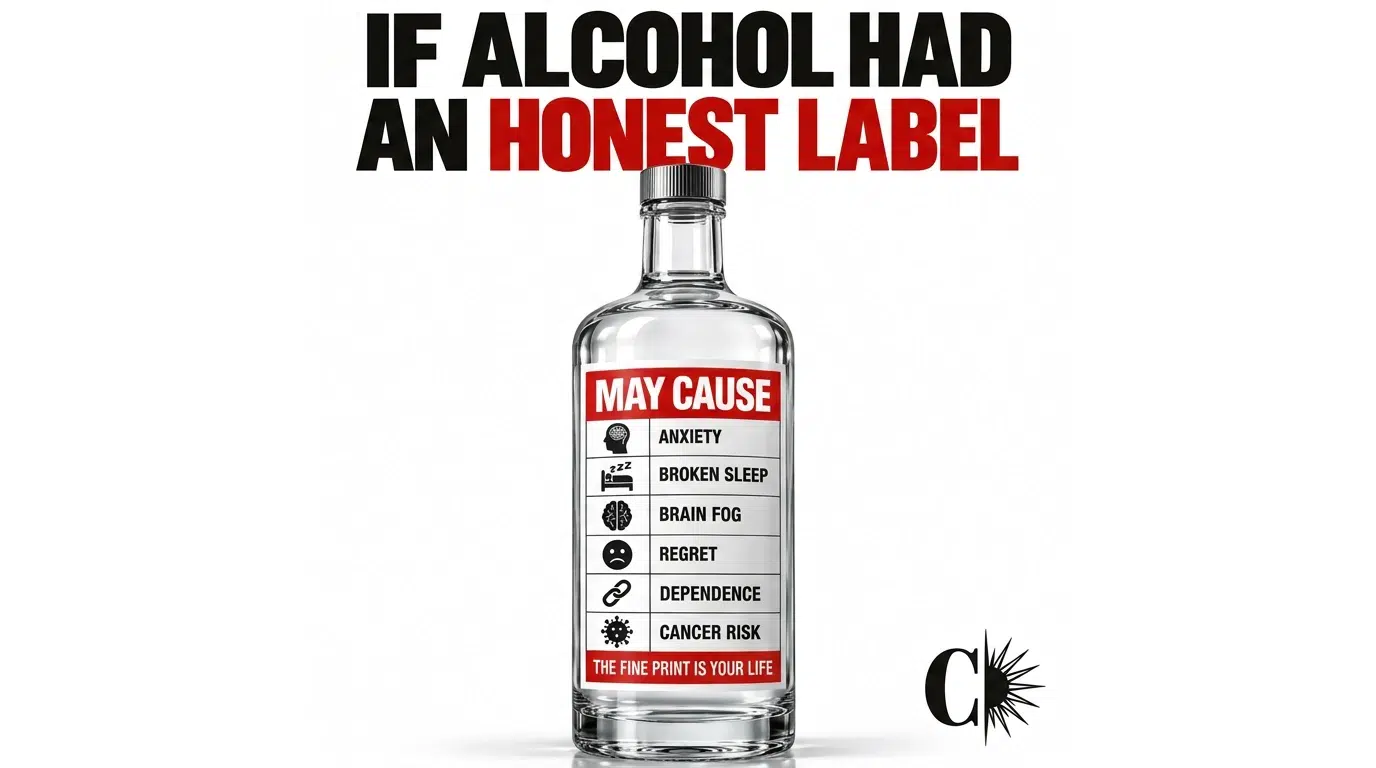
Imagine a bottle of alcohol carrying a real warning label, the kind we’re used to seeing on cigarettes or medications. It wouldn’t talk about good times or celebration. It would list, plainly, what alcohol may cause: anxiety, broken sleep, brain fog, regret, dependence, and cancer risk.
None of these are exaggerations or scare tactics. Every single one is backed by research. We just rarely see them spelled out, because alcohol is woven so deeply into social life that we’ve stopped questioning it. So let’s look honestly at what that label would actually mean, one line at a time.
May Cause: Anxiety
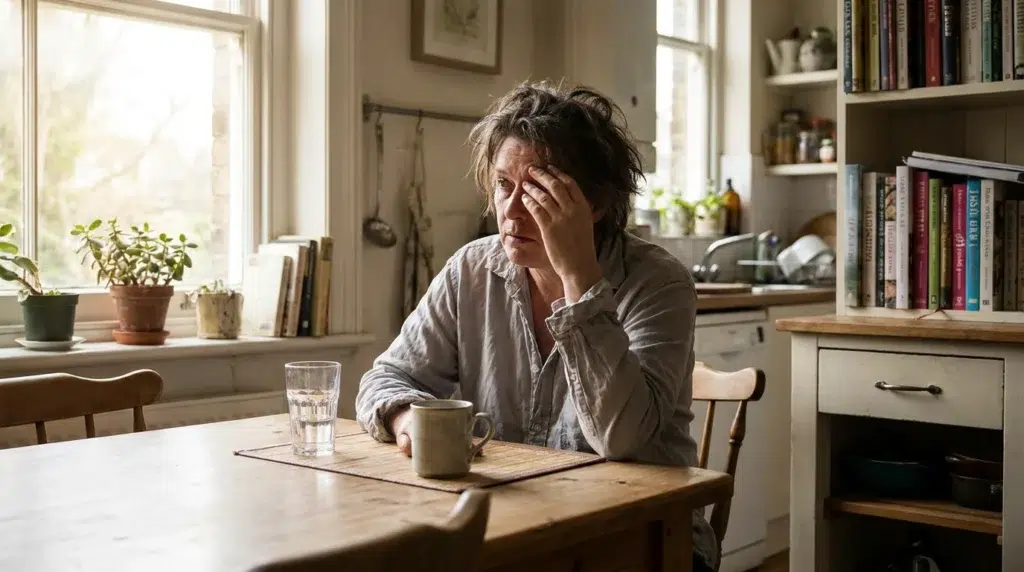
Alcohol is often used to take the edge off, but it tends to give that edge back with interest. While a drink might feel calming in the moment, it actually worsens anxiety over time. As the alcohol leaves your system, it creates a rebound effect that spikes anxiety the next day, the feeling many people call “hangxiety.”
Experts note that alcohol can feel relaxing physiologically but increases anxiety the following day, and that regular drinking exacerbates anxiety and depression in the long run. The very thing people reach for to feel calmer often leaves them more anxious than before.
May Cause: Broken Sleep

Alcohol has a reputation as a nightcap, something that helps you drift off. The reality is that it wrecks the quality of your sleep. It might help you fall asleep faster, but it disrupts the deep, restorative stages your body actually needs.
Health experts are clear that alcohol disrupts restorative sleep, which is why you can drink, sleep for eight hours, and still wake up exhausted and foggy. That poor-quality sleep then feeds right back into the anxiety and brain fog on the same label.
May Cause: Brain Fog
The mental cloudiness after drinking isn’t just in your head, or rather, it very much is. Alcohol impairs concentration, memory, and mental clarity, both in the short term and with long-term use.
Over time, heavy drinking can damage the parts of the brain involved in memory and even raise the risk of dementia. In the shorter term, it clouds thinking and focus. That fog lifts when people cut back, which is why so many report sharper concentration and clearer thinking within just a few weeks of drinking less.
The fine print is your life. Alcohol’s real effects are the ones the marketing never mentions.
May Cause: Regret
This one is less clinical but no less real. Alcohol lowers inhibitions and clouds judgment, which can lead to decisions, words, and actions people deeply regret. The damaged relationships, the embarrassing moments, the things you can’t take back.
Beyond individual moments, there’s the quieter regret of time lost, days wasted to hangovers, and opportunities missed. For many people, the accumulated weight of these regrets becomes one of the biggest reasons they decide to change their relationship with alcohol.
May Cause: Dependence
Perhaps the most serious warning on the label is this: alcohol is addictive. Regular use can lead to physical and psychological dependence, and what starts as casual or social drinking can gradually become something a person feels they can’t stop.
Alcohol changes the brain over time, building tolerance and dependence, so you need more to feel the same effect and struggle to function without it. Because alcohol is legal and everywhere, this slide is easy to miss until it’s well underway, which is exactly what makes it so important to take seriously.
May Cause: Cancer Risk
This is the warning that would shock most people, because so few are aware of it. Alcohol is a proven carcinogen. It’s a recognized cause of cancer, and remarkably, only about 37% of U.S. adults know that alcohol increases cancer risk.
The evidence is strong and sobering. Alcohol is linked to at least seven types of cancer, and a comprehensive 2025 global analysis found that alcohol raised the risk of all ten cancers it examined, with elevated risk even below one drink a day for several of them. The World Health Organization has stated that when it comes to cancer risk, no level of alcohol consumption is completely safe. Alcohol is also among the leading preventable causes of cancer, behind only tobacco and obesity.
The Fine Print Is Your Life
Put all of that together, and the honest label paints a very different picture than the advertising. Anxiety, broken sleep, brain fog, regret, dependence, and cancer risk. The tagline says it best: the fine print is your life.
This isn’t about shame or judgment. Most people were never told the full truth about alcohol, because the marketing works hard to keep the label hidden. The point is simply to see it clearly, so you can make an informed choice about what role, if any, you want alcohol to play in your life. When you know what the fine print really says, that choice looks different.
The Good News: These Effects Can Reverse
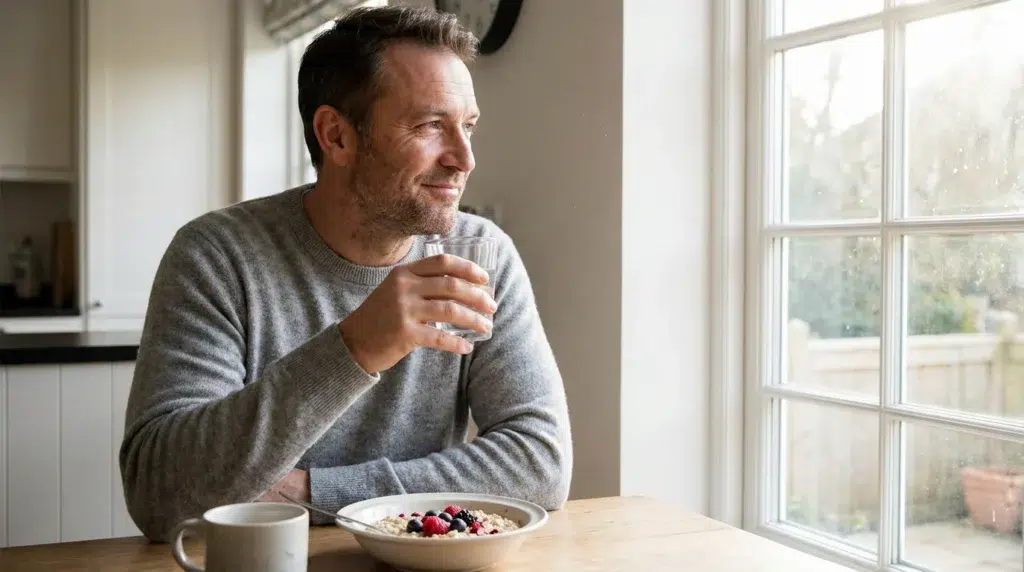
Here’s the hopeful side of the honest label. Because so many of alcohol’s effects come from the alcohol itself, reducing or removing it often reverses them. The anxiety eases. Sleep deepens. The fog lifts. Energy and clarity return.
Research on people who cut back, including short breaks like Dry January, consistently shows lower blood pressure, better energy, stronger concentration, and reduced anxiety within just a few weeks. Your body and mind are remarkably good at healing once alcohol is out of the picture. Whether you want to cut back or stop entirely, real benefits tend to show up quickly.
How Changes Can Help
If reading the honest label makes you wonder about your own relationship with alcohol, you don’t have to sort that out alone. Whether you’re sober-curious or genuinely struggling with dependence, support is available. That’s the way we approach it at Changes. A few of the ways that support comes together:
- Individual therapy to explore your relationship with alcohol and what you want it to look like.
- Group therapy with others rethinking drinking and building alcohol-free lives.
- Medical and psychiatric support for safely addressing dependence and the anxiety or depression tied to it.
- Case management to help steady the practical side of life as you make changes.
- Beyond Therapy programming to help you build a fuller, healthier life without alcohol.
You Deserve to Know the Truth
Alcohol may never come with an honest label, but you deserve to know what that label would say. Anxiety, broken sleep, brain fog, regret, dependence, and cancer risk aren’t marketing. They’re the real, evidence-backed effects of a product sold as harmless fun.
Knowing the truth puts the choice back in your hands. And if that choice is to drink less or not at all, the rewards, clearer mind, better sleep, less anxiety, and better health, start showing up faster than you might expect. The fine print is your life, and it’s yours to write.
Call Today and Rewrite Your Relationship With Alcohol
If you’re ready to change your relationship with alcohol, we’re here to help without judgment. At Changes Treatment Center, we help people cut back, get sober, and build healthier lives through PHP, IOP, outpatient treatment, therapy, psychiatric care, and Beyond Therapy programming. Located in Costa Mesa, California. Call (949) 807-2008 today and start writing a healthier story, with people who will support you through it.
Frequently Asked Questions
Does alcohol really cause anxiety?
Yes. While a drink can feel calming in the moment, alcohol worsens anxiety over time. As it leaves your system it creates a rebound effect that spikes anxiety the next day, often called “hangxiety,” and regular drinking is linked to increased anxiety and depression long term. Many people notice reduced anxiety within weeks of cutting back.
Why does alcohol ruin sleep if it makes me drowsy?
Alcohol may help you fall asleep faster, but it disrupts the deep, restorative stages of sleep your body needs. That’s why you can sleep a full night after drinking and still wake up tired and foggy. Health experts consistently point to alcohol as a disruptor of restorative sleep, even in modest amounts.
Is it true that alcohol causes cancer?
Yes. Alcohol is a proven carcinogen linked to at least seven types of cancer, and a 2025 global analysis found increased risk across all ten cancers it examined, with elevated risk even below one drink a day for several. The World Health Organization states that no level of alcohol is completely safe when it comes to cancer, yet only about 37% of U.S. adults are aware of this risk.
Can the effects of alcohol be reversed if I stop drinking?
Many can. Because a lot of alcohol’s effects come from the alcohol itself, cutting back or quitting often reverses them. Studies of people who reduce drinking, including short breaks like Dry January, show lower blood pressure, better energy, sharper concentration, and reduced anxiety within just a few weeks. The body and mind heal quickly once alcohol is removed.
How can Changes Treatment Center help me drink less or quit?
We support people across the full spectrum, from sober-curious to those struggling with alcohol dependence. Through individual therapy, group therapy, medical and psychiatric support, and Beyond Therapy programming, we help you understand your relationship with alcohol, address dependence safely, and build a healthier life you don’t need to escape from.