





When a loved one keeps using after an overdose, stay calm and keep naloxone within reach. Call emergency services if you suspect another overdose, and respond without shame or anger. Remember that relapse is common, not weakness, and tolerance drops after an overdose, raising risk. Set clear boundaries, offer help with treatment logistics, and keep a written emergency plan ready. You can seek professional guidance even if they refuse care. Here’s what you’ll want to know next.
Key Takeaways
- Keep naloxone within reach during continued use and call emergency services immediately if you suspect another overdose.
- Understand that relapse is common in substance use disorder, not a personal weakness, so respond calmly instead of with anger or shame.
- Recognize that tolerance drops after an overdose, sharply increasing the risk of a fatal next dose.
- Reopen treatment conversations when your loved one is sober, offering help with logistics like transport and scheduling toward a concrete next step.
- Seek professional guidance even if your loved one refuses care, using resources like the SAMHSA helpline for family support.
What Can Families Do When a Loved One Keeps Using Drugs After an Overdose
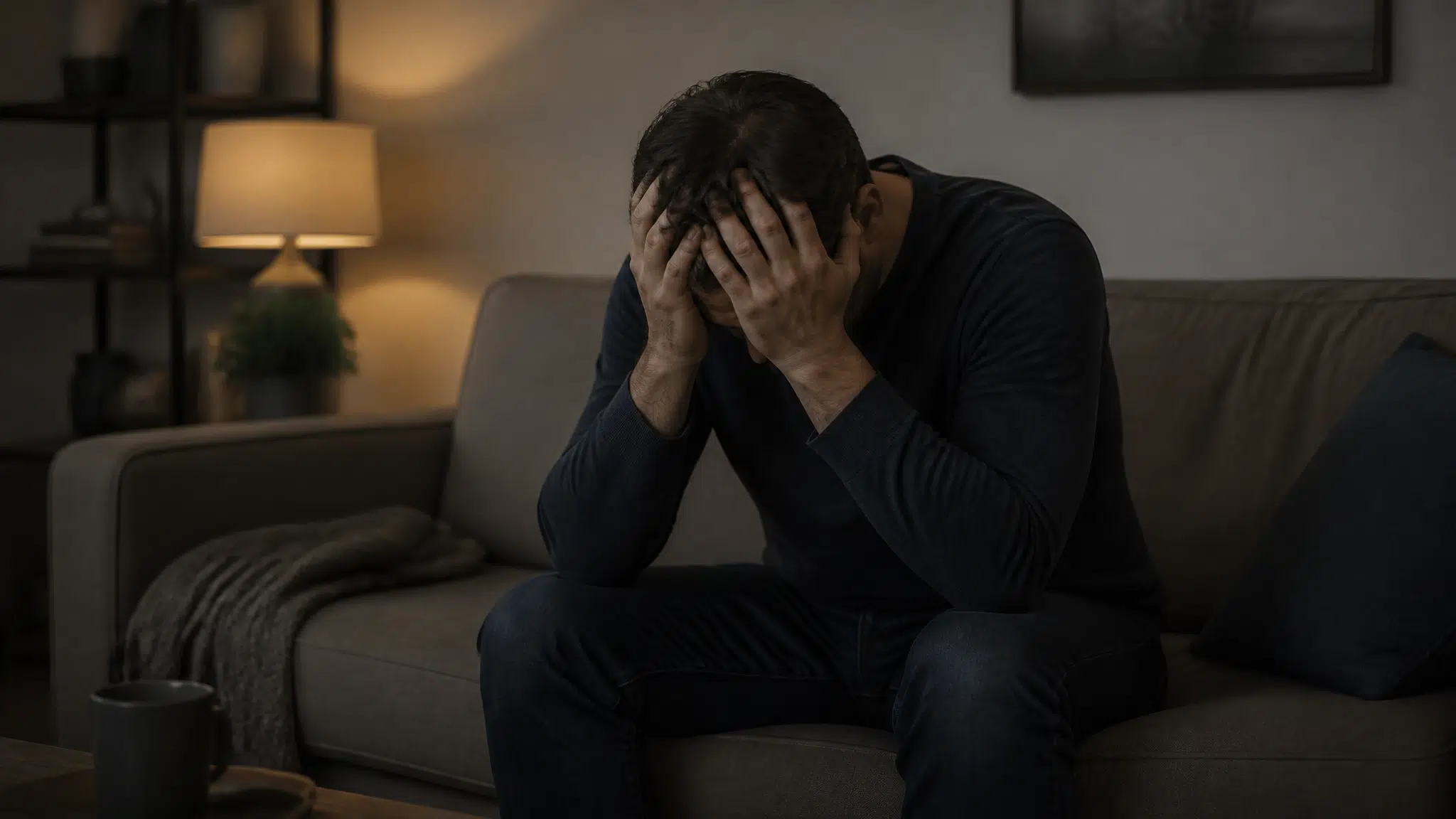
Families can take several concrete steps when a loved one keeps using drugs after an overdose. Relapse is common, and drug use after overdose carries especially high risk because tolerance drops, increasing the chance of another overdose. First, confirm safety. Keep naloxone accessible, and call emergency services immediately if you suspect an overdose. Respond calmly rather than with shame or anger, which research shows works better. To help a loved one who refuses treatment, set clear boundaries paired with respectful communication and specific expectations. Avoid enabling behaviors, like giving unlimited cash or ignoring use in the home. Encourage rapid re-engagement with counseling or recovery meetings, and help with logistics such as transportation and scheduling. Recurrence risk stays high, so prompt follow-up matters.
Why Can Someone Continue Using Drugs After a Life-Threatening Overdose
Someone can continue using drugs after a life-threatening overdose because relapse is a common feature of substance use disorder, not a sign of weakness or a failure to care. Drug use can resume years after stopping, and the urge to use often overrides the memory of a life-threatening event. Family history matters too: relatives of people with drug disorders show an 8-fold increased risk, pointing to biological vulnerability. Family stress and a disrupted home life can further raise relapse risk. Recognizing these factors doesn’t mean you excuse the behavior. It means you understand that recovery rarely follows a straight line, and that continued use reflects the nature of the disorder rather than a deliberate choice.
How Does Continued Drug Use Change the Risk of Another Overdose
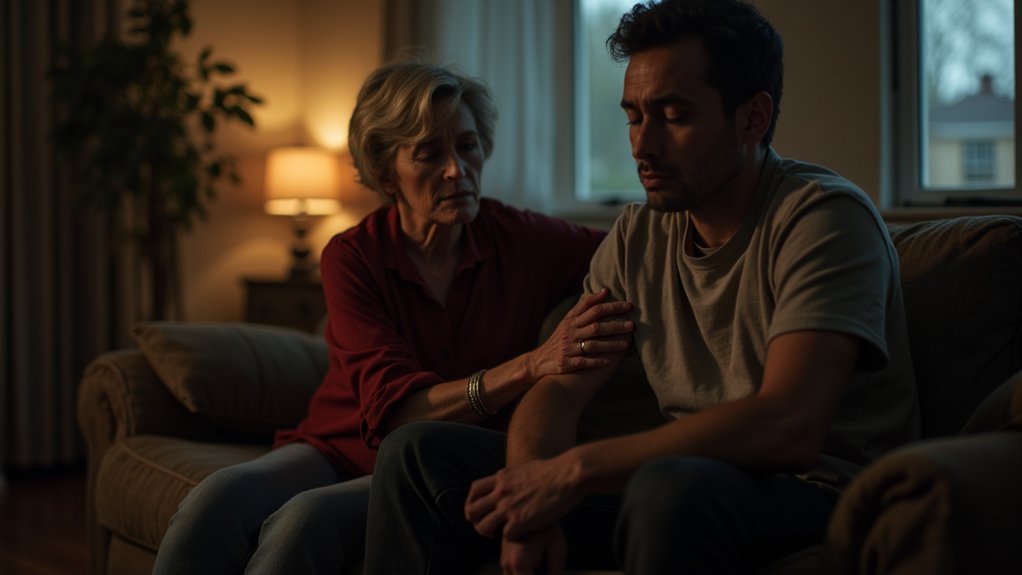
Continued drug use raises the risk of another overdose in ways that aren’t always obvious. Your loved one’s tolerance drops quickly when they stop using even briefly. If they return to their previous dose, their body may not handle it, and the result can be fatal. This danger peaks in the first 48 hours after any period away from drugs, and stays elevated for about two weeks.
Someone who’s already overdosed once faces continued high risk for repeat overdose, especially without prompt medical follow-up. That’s why reversal alone isn’t enough, reconnecting them to treatment matters.
Understanding this helps you respond wisely. Keep naloxone accessible, know the warning signs, and don’t assume a past overdose lowers future risk. If anything, it signals that risk remains dangerously present.
How Can Treatment Readiness Differ After a Nonfatal Overdose
Treatment readiness after a nonfatal overdose can shift in either direction, and it doesn’t always move the way you’d expect. Some people treat a close call as a turning point, while others withdraw, minimize what happened, or feel too ashamed to reengage. Your response matters here. A calm, respectful approach opens more doors than anger or blame, and it can help you gauge where your loved one actually stands.
| Readiness Signal | What You Can Do |
|---|---|
| Openness to talk | Offer treatment logistics and transport |
| Denial or shame | Stay calm, avoid blame, keep supports available |
| Instability or intoxication | Contact a crisis line or treatment agency |
Meet them where they are, not where you’d hoped.
How Can You Reopen the Treatment Conversation Without Repeating the Same Argument
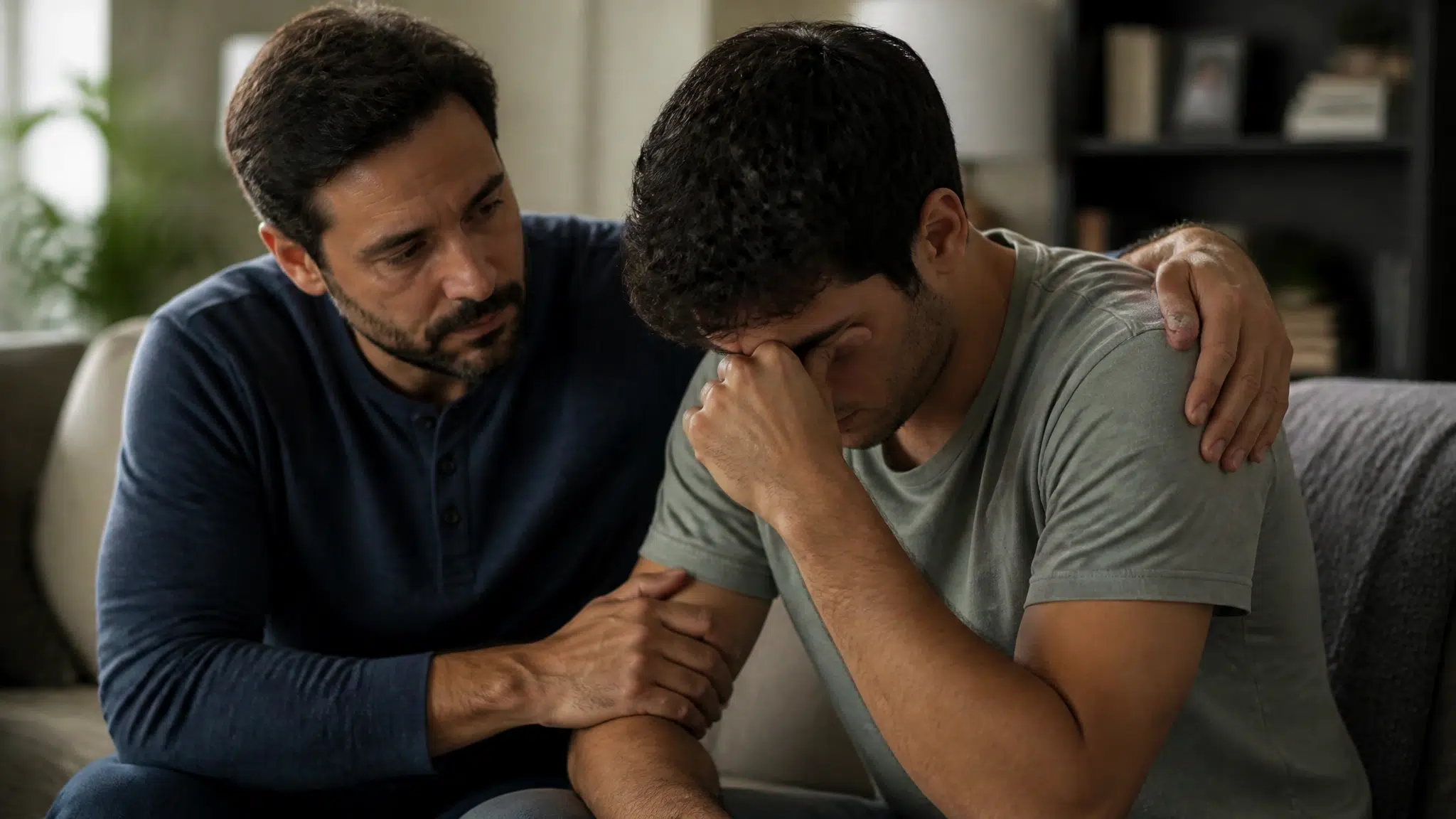
Reopen the treatment conversation by choosing a moment when your loved one isn’t intoxicated or unstable, then leading with respectful communication and specific expectations rather than accusations. A calm response works better than shame or anger. Offer to help with logistics like transportation and scheduling, since treatment re-entry succeeds more often when you reduce practical barriers. Frame the conversation around a concrete next step, such as a recovery meeting or treatment check-in, instead of rehashing past failures. Pair your support with clear boundaries that clarify what you’ll and won’t do. This shifts the focus from blame to action, making rapid return to care more likely.
Why Should Naloxone and Emergency Planning Stay in Place During Continued Drug Use
Keep naloxone within reach during continued drug use because relapse and repeat overdose risk stay high during active use, and reduced tolerance after any period of abstinence makes the next overdose especially dangerous. Keeping naloxone accessible and maintaining an emergency plan means you’re ready to act when seconds matter. Your written plan should stay in place and cover:
- When to call emergency services if you suspect an overdose
- When and how to administer naloxone
- Which crisis lines or treatment providers to contact if your loved one is unstable
- Who your safe contacts are and how transportation will happen
Overdose reversal isn’t the endpoint. Follow it with prompt medical care, because risk remains elevated for weeks afterward.
When Can a Family Ask an Addiction Professional for Guidance Even if Their Loved One Refuses Care
A family can ask an addiction professional for guidance at any point, even if their loved one refuses care. You don’t need their permission or participation to seek support for yourself. You can contact a counselor, treatment agency, or crisis line when your loved one is intoxicated, unstable, or resisting help. SAMHSA’s National Helpline offers free, confidential support 24/7 in English and Spanish, and it’s available to family members, not just the person using substances. A professional can help you set boundaries, build a written emergency plan, and identify warning signs that warrant emergency services or naloxone. They can also connect you with family recovery groups like Al-Anon. Seeking guidance early protects your own mental health and strengthens your ability to respond effectively.
Help Your Loved One Move Toward Recovery After an Overdose
Changes Treatment Center in Costa Mesa provides treatment for drug and alcohol addiction through Partial Hospitalization (PHP), Intensive Outpatient (IOP), individual and group therapy, psychiatric support, medication management, and treatment for co-occurring mental health concerns. If your loved one continues using drugs after an overdose, treatment can provide structured support while addressing the substance use and mental health concerns that may be keeping recovery out of reach. Call (949) 807-2008 to speak with the admissions team about available treatment options.
Frequently Asked Questions
How Do I Get Free Naloxone in My Area?
You can start by calling SAMHSA’s National Helpline, which is free, confidential, and available 24/7 in English and Spanish. They’ll connect you with local overdose prevention programs that distribute naloxone at no cost. Many community health departments, pharmacies, and syringe service programs also provide it free. Since family naloxone access is strongly supported, don’t hesitate to ask, having it on hand can save your loved one’s life during a relapse.
Can I Force My Loved One Into Treatment Involuntarily?
Involuntary commitment laws vary by state, so you’ll need to check your local options, some allow it when someone poses an immediate danger to themselves or others. It’s an emotionally difficult step, and it isn’t always available or effective. Meanwhile, you can encourage voluntary treatment by helping with logistics like transportation and scheduling. Call SAMHSA’s National Helpline (free, confidential, 24/7) to understand your options and find compassionate, evidence-based guidance for your situation.
What Should I Do if My Child Witnesses an Overdose?
Confirm safety first, call emergency services immediately if an overdose is suspected, and use naloxone if it’s available. Once the crisis is stable, stay calm, since a measured response helps your child feel secure. Afterward, seek support for them: a counselor or trusted adult can help process what they’ve seen. Family stress raises everyone’s risk, so consider your own support too, like a family recovery group or crisis line for guidance.
Are Family Support Groups Like Al-Anon Free to Attend?
Yes, family support groups like Al-Anon are typically free to attend. These groups are specifically recommended as a self-care option for family members navigating a loved one’s substance use. Attending can strengthen your social support, which is linked with lower relapse frequency for both you and your relative. You’ll also connect with others who understand your experience, helping reduce the distress that comes with repeated overdose scares. You don’t have to manage this alone.
How Do I Protect My Finances While My Relative Uses Drugs?
Set clear financial boundaries: avoid giving cash without limits while your relative’s substance use is active. Clear boundaries work better than repeated monitoring or punishment, so decide specifically what support you’ll offer and what you won’t. Put it in a written family plan that spells out expectations and consequences for renewed use. Pair these limits with respectful communication. You can still help with logistics, like treatment transportation, without handing over unrestricted money.