




You can’t treat 7-OH as broadly legal in the U.S. Its status depends on product form, concentration, processing, labeling, and state law. FDA doesn’t consider 7-OH lawful in dietary supplements or foods, and DEA’s July 2026 temporary Schedule I action targets concentrated, synthetic, or processed 7-OH above set thresholds while excluding low-level plant material. Some states ban kratom or 7-OH more strictly. Below, you’ll see how federal and state rules differ.
Key Takeaways
- 7-OH legality depends on product form, concentration, processing, and location.
- DEA announced temporary Schedule I control in July 2026 for covered concentrated, synthetic, or processed 7-OH substances.
- Natural kratom leaf with low 7-OH levels may be treated differently than isolated or concentrated 7-OH products.
- FDA says 7-OH is not lawful in dietary supplements and has no approved drug use.
- State laws vary widely, with some states banning kratom or imposing stricter 7-OH limits.
Is 7-OH legal right now
7-OH legality depends on the product’s form, concentration, and location. You can’t treat ordinary kratom leaf, processed extracts, and synthetic 7-hydroxymitragynine as the same legal category. Federal legality shifted in July 2026, when DEA announced temporary Schedule I control for 7-OH and related substances meeting stated thresholds. That 7-OH scheduling targets concentrated, synthetic, or processed products, not kratom plant material below the listed limits. Common 7-oh side effects may include nausea, vomiting, and dizziness, which can vary in intensity based on dosage. Users should be aware that these effects may be exacerbated when combined with other substances.
FDA says 7-OH isn’t lawful in dietary supplements, can’t be added to conventional foods, and has no approved drug use. DOJ and FDA enforcement has focused on marketed 7-OH products. Even before federal penalties attach, state restrictions may independently ban possession, sale, manufacture, or distribution. Confusion around 7-oh tablets and retail availability has increased as store shortages push some consumers toward unregulated online sellers.
Where is 7-OH legal at the state level
7-OH legality varies by state, and it may be restricted even if a product falls outside a federal scheduling threshold. You need to check 7-OH state bans separately from federal scheduling, because states can regulate possession, sale, manufacture, and distribution more strictly.
| State category | What you should verify |
|---|---|
| Explicit 7-OH ban | Florida-style limits on concentrated 7-OH |
| Kratom-ban states | Alabama, Arkansas, Indiana, Louisiana |
| Additional bans | Tennessee, Vermont, Wisconsin |
| Marketing restrictions | California food, drug, supplement positions |
If you’re evaluating kratom legality, don’t assume natural leaf and concentrated 7-OH receive identical treatment. Some laws cover kratom alkaloids broadly, which can include 7-OH. Others target synthetic, processed, or high-potency products. Before buying or selling, confirm current statutes, agency notices, and local enforcement.
Why has federal scheduling taken so long

Federal scheduling has taken so long because DEA must build a legally defensible record using evidence, agency findings, and procedural notice before it can act. 7-OH scheduling doesn’t turn only on market concern; it depends on statutory criteria under the Controlled Substances Act.
- DEA must assess abuse data, pharmacology, public-health risk, and law-enforcement reports before proposing control.
- HHS must provide scientific and medical input, including whether synthetic 7-OH legality involves substances with no accepted medical use and high abuse potential.
- DEA must publish notice, define covered substances, and address thresholds so regulated parties know what conduct triggers penalties.
That explains federal action timing. Agencies can move quickly through temporary scheduling, but they still must create a legally defensible record before restrictions attach.
Why is kratom leaf treated differently from concentrated 7-OH
Kratom leaf is treated differently from concentrated 7-OH because agencies use a threshold-based distinction rather than a blanket rule treating every plant derivative alike. Kratom leaf naturally contains low levels of 7-OH, while concentrated, synthetic, or processed products can deliver materially higher amounts. DEA’s 2026 action targeted covered 7-OH substances and related compounds, while describing exclusions for plant material and derivatives below listed thresholds. The effects of 7oh in comparison to kratom leaf highlight significant differences in regulation and potential for abuse. As such, understanding these distinctions is crucial for lawmakers and consumers alike.
That difference shapes regulatory status. You shouldn’t assume that a kratom leaf product and an isolated 7-OH product face the same legal treatment. Agencies focus on form, concentration, processing, and intended handling. As concentration rises or synthetic conversion appears, enforcement risk increases. The legal question isn’t simply “kratom” or “not kratom”; it’s what substance, strength, and category you possess.
Can 7-OH be legally sold in supplements, drinks, or vape shops
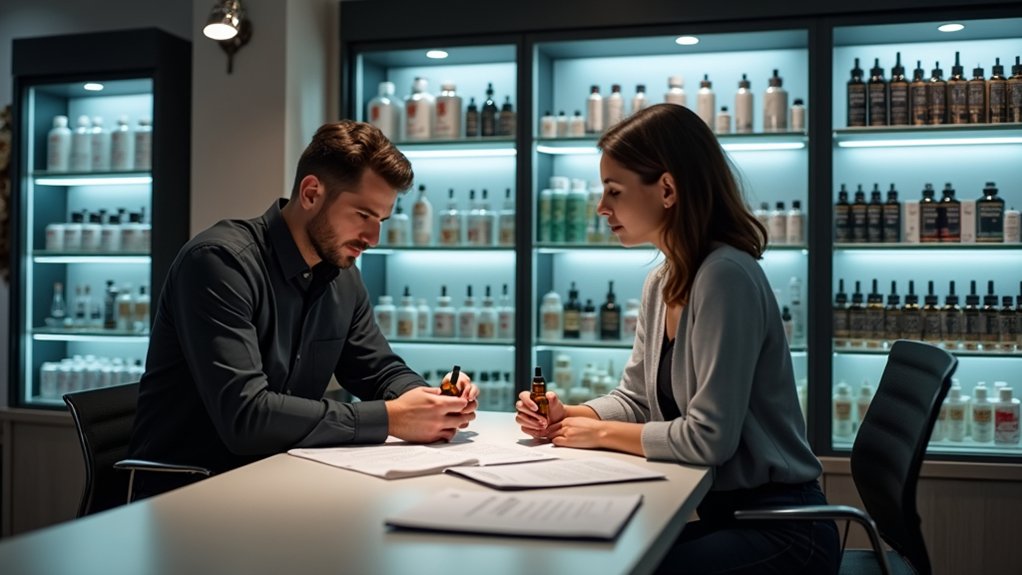
Retailers generally should not treat sales of 7-OH in supplements, drinks, or vape-shop products as lawful. FDA has stated that 7-OH isn’t lawful in dietary supplements and can’t be added to conventional foods or drinks. Vape-shop placement doesn’t change that analysis if the product is a concentrated or synthetic 7-OH article.
Retail channels don’t legalize 7-OH products when FDA treats the ingredient as unlawful in supplements, foods, and drinks.
- Supplements: You can’t rely on supplement labeling to legalize an ingredient FDA considers unlawfully marketed.
- Drinks: You can’t add 7-OH to beverages as a food ingredient under current FDA positions.
- Vape shops: You risk enforcement if you sell processed 7-OH products, especially where state bans apply.
Federal scheduling also matters: DEA’s 2026 action targets covered 7-OH substances, sharply limiting lawful retail distribution.
What would change for someone using it if scheduling takes effect
If DEA’s temporary scheduling takes effect, using or possessing covered 7-OH products could expose you to federal legal risk under the Controlled Substances Act. Manufacture, distribution, sale, and possession of covered substances could trigger federal penalties, including criminal, civil, and administrative consequences.
For you as a consumer, the key change is possession risk. Items treated as concentrated 7-OH products, synthetic 7-OH, or processed articles above DEA’s thresholds wouldn’t be handled like ordinary retail goods. You couldn’t assume vape-shop availability, online sales, or prior purchases make continued possession lawful.
7-OH scheduling also changes business exposure. If you sell, ship, store, or promote covered products, you may face enforcement tied to Schedule I controls. Ordinary kratom leaf below listed thresholds may be treated differently, but product form and concentration matter.
How will you know when the scheduling status actually changes
You’ll know the status has actually changed when a DEA temporary scheduling order is published, effective, and incorporated into federal law. Verify 7-OH scheduling through official government sources, not vendor claims or social media summaries.
- Check the Federal Register for the DEA notice, effective date, covered substances, and any concentration thresholds.
- Review DEA Diversion Control updates to confirm whether 7-OH appears in Schedule I and whether exemptions apply to plant material.
- Track FDA, DOJ, and state agency announcements for the enforcement status of products sold as supplements, foods, or concentrates.
You should also confirm your state’s law because federal action doesn’t erase stricter state bans. Once effective, covered manufacture, sale, distribution, or possession can trigger federal penalties.
Legal Status Does Not Remove the Risks of 7-OH Use
Whether a 7-OH product is sold online, in a shop, or permitted under local law does not mean it is safe or easy to stop using. Changes Treatment Center helps people address cravings, tolerance, withdrawal symptoms, and repeated use through structured outpatient care, including PHP, IOP, therapy, and psychiatric support. Treatment can help you understand what is driving your use and build a plan for stopping without relying on changing laws or uncertain product labels. If 7-OH use has become difficult to control, call (949) 807-2008 to discuss your treatment options.
Frequently Asked Questions
Can Employers Drug Test for 7-Oh Use?
Yes, employers can test you for 7-OH use if their workplace drug policy, consent forms, and applicable state law allow it. Standard opioid panels may not detect 7-hydroxymitragynine, but employers can order specialized toxicology testing. If you work in safety-sensitive, federal, or regulated roles, refusal or a positive result can trigger discipline. You should review your employer’s policy and your state’s drug-testing rules. Consult counsel if needed first.
Is Traveling With 7-Oh Across States Risky?
Yes, you risk legal trouble when you travel with 7-OH across state lines. Federal agencies now target concentrated or synthetic 7-OH, and DEA’s 2026 scheduling action can expose you to criminal, civil, or administrative penalties. States also vary widely: some ban kratom alkaloids, while others restrict products differently. You shouldn’t assume legality because you bought it legally elsewhere. Check each state’s possession, transport, and product rules before traveling.
Can Doctors Prescribe 7-Oh for Pain?
No, you generally can’t get 7-OH prescribed for pain. FDA hasn’t approved any drug containing 7-hydroxymitragynine, and HHS has found synthetic 7-OH has no accepted medical use and high abuse potential. With DEA’s 2026 move to place covered 7-OH substances in Schedule I, doctors can’t lawfully prescribe them. You should use FDA-approved pain treatments and ask a licensed clinician about legal, evidence-based options. State law may also restrict possession.
Are Online 7-Oh Purchases Legally Safer?
No, online 7-OH purchases aren’t legally safer. You still face federal and state rules based on form, concentration, labeling, and location. FDA says 7-OH can’t be lawfully sold in supplements or foods, and DEA’s 2026 action targets covered synthetic or concentrated 7-OH as Schedule I. Shipping also creates distribution and possession risks across jurisdictions. You should verify state law and avoid assuming website availability means legality or safety.
Can Imported 7-Oh Products Be Seized?
Yes. If you import 7-OH products, CBP, FDA, DEA, or DOJ can seize them when they’re unlawful supplements, foods, misbranded drugs, or covered controlled substances. You face higher risk with concentrated, synthetic, or processed 7-OH, especially after DEA’s 2026 Schedule I action. Even before final enforcement, FDA has treated 7-OH products as illegally marketed. You should also check state law, because stricter local bans can affect possession after entry.