



You can get addicted to gabapentin, but compulsive addiction appears less common than dependence or withdrawal. Your risk rises if you take higher doses than prescribed, use it daily long term, have a substance use history, or mix it with opioids, benzodiazepines, alcohol, or other sedatives. Warning signs include cravings, extra doses, secrecy, sedation, missed duties, and failed attempts to cut back. A clinician should guide any taper, with key risks explained below.
Key Takeaways
- Gabapentin addiction is possible, but it appears less common than addiction to opioids, benzodiazepines, or stimulants.
- Dependence can develop with long-term daily use, and withdrawal may occur if gabapentin is stopped abruptly.
- Risk is higher with prior substance use disorder, opioid use, high doses, or taking more than prescribed.
- Warning signs include cravings, dose escalation, secrecy, sedation, missed responsibilities, and repeated failed attempts to cut back.
- Mixing gabapentin with opioids, alcohol, benzodiazepines, or other sedatives increases overdose and breathing-risk dangers.
Can you get addicted to gabapentin
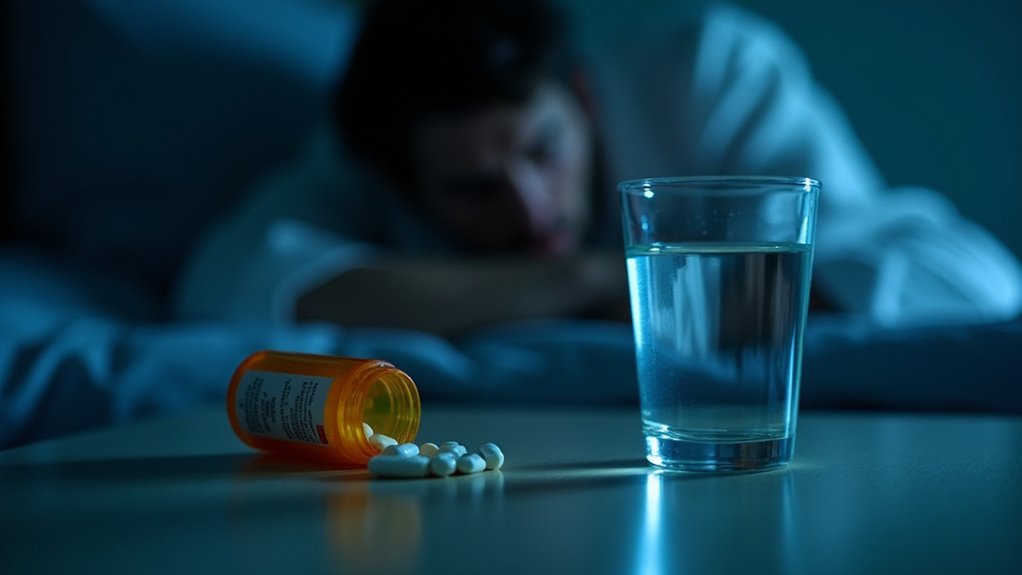
Yes, you can get addicted to gabapentin, although gabapentin addiction appears uncommon in the general population compared with opioids, benzodiazepines, or stimulants. You may develop problematic use when you take it for effects other than prescribed, escalate doses, or keep using despite harm. Evidence shows misuse occurs at low rates overall, but reports describe use from therapeutic doses to very high daily amounts. You can also develop physical dependence without addiction. Your body adapts, and stopping suddenly may trigger withdrawal. Reported symptoms include anxiety, agitation, restlessness, sweating, confusion, and rarely seizures. Don’t stop gabapentin abruptly unless your prescriber tells you to. If you’re craving it, taking extra doses, or struggling to cut back, seek medical guidance promptly. The effects of gabapentin on the brain can vary significantly depending on the dosage and duration of use. Some individuals may experience changes in cognition or mood, which can be mistaken for normal side effects.
What raises the odds of gabapentin addiction
A history of opioid, alcohol, cocaine, or polysubstance use disorder raises the odds of gabapentin addiction most. Evidence links gabapentin misuse most strongly to these histories, not casual prescribed use.
| Risk factor | Why it matters |
|---|---|
| Opioid use | Raises misuse and overdose risk |
| Prior substance use disorder | Predicts addiction cases |
| Higher-than-prescribed doses | Increases dependence risk |
| Long-term daily use | Can produce withdrawal |
| Mixing sedatives or alcohol | Adds respiratory-depression danger |
Other risk factors include using gabapentin to get high, self-medicate mood or pain, or boost other drugs. You also face higher risk if you obtain extra pills, escalate doses without approval, or stop suddenly after prolonged use. Don’t quit abruptly, ask your clinician about tapering to reduce withdrawal risk safely.
What does gabapentin addiction look like across an ordinary week
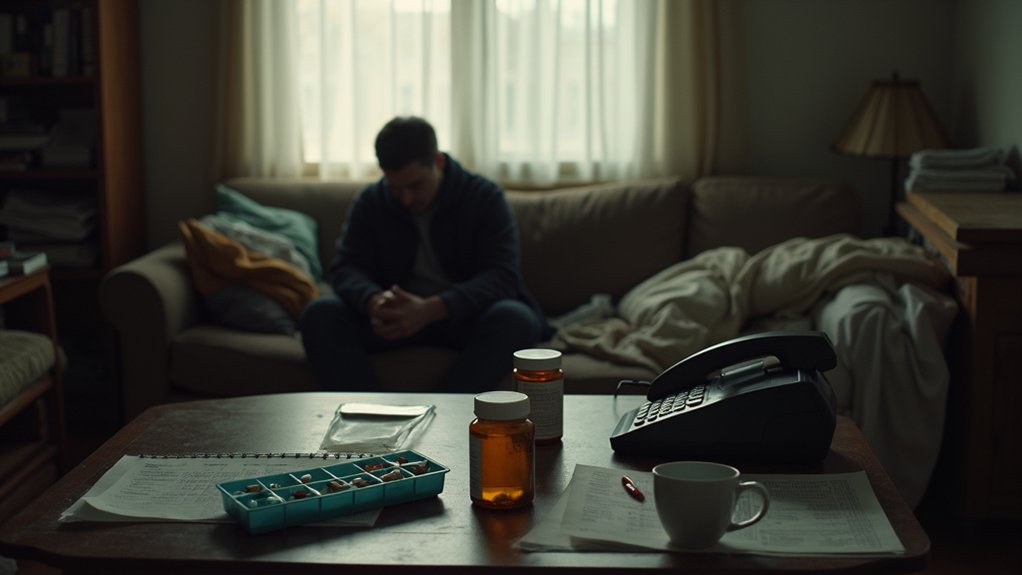
Gabapentin addiction across an ordinary week may look like taking extra doses before stressful events, running out early, craving the next dose, or feeling unable to function without it. You might reorganize your days around refills, pills, and fear of withdrawal. Experiences with gabapentin medication may include growing dependence, difficulty managing daily tasks, and effects that require professional support.
When refills, cravings, and withdrawal fears shape your week, gabapentin use may need closer attention.
- You take gabapentin more often, at higher doses, or outside medical directions.
- You notice misuse symptoms: sedation, secrecy, impaired focus, missed duties, or repeated unsuccessful cutbacks.
- You feel anxious, restless, sweaty, agitated, or confused when doses drop, which can signal gabapentin dependence.
Why is gabapentin so often misused alongside other substances
Gabapentin is so often misused alongside other substances because it can intensify euphoria, deepen sedation, reduce anxiety, or ease withdrawal discomfort. This is especially dangerous when gabapentin overlaps with opioids, benzodiazepines, alcohol, or other sedatives. That pattern raises overdose risk because gabapentin can add to central nervous system depression and may worsen breathing suppression, especially with opioids. Gabapentin dosage and side effects vary by individual, so consult a healthcare provider first. The right dose reduces risks, and watching for dizziness or fatigue is crucial, especially with other CNS depressants.
If you’re asking, “can you get addicted to gabapentin,” polysubstance use is one of the clearest warning signs. Studies show misuse is more common among people who use opioids or have prior substance use disorders. You also face higher risk when you take larger doses than prescribed, combine prescriptions, or use it recreationally. If use has escalated, don’t stop abruptly; ask a clinician about gabapentin withdrawal risks and a gabapentin taper.
What happens if you stop gabapentin suddenly

If you stop gabapentin suddenly, you can trigger withdrawal symptoms, especially if you’ve taken it for a long time, used high doses, or have physical dependence. Symptoms may begin within 12 hours to 7 days after your last dose and can mimic alcohol or benzodiazepine withdrawal.
- You may feel anxiety, agitation, panic, restlessness, sweating, insomnia, nausea, or flu-like discomfort.
- You may develop confusion, rapid heart rate, high blood pressure, tremor, or, rarely, seizures, especially if you have seizure risk.
- You may rebound into worse nerve pain, mood instability, or sleep disruption, which can drive urgent reuse.
Don’t stop gabapentin abruptly unless a clinician tells you to. Ask your prescriber about a gradual taper, and seek urgent care for seizures, severe confusion, or breathing problems.
Why is gabapentin dependence often missed by prescribers
Clinicians sometimes miss gabapentin dependence because escalating use can look like worsening pain, anxiety, restless legs, or seizure-related symptoms rather than medication-related harm. Because gabapentin isn’t federally controlled in the United States and has lower addiction risk than opioids or benzodiazepines, prescribers may underestimate misuse potential.
Dependence also hides when you take therapeutic doses for months, then feel anxiety, insomnia, agitation, sweating, confusion, or rarely seizures after missed doses. Those symptoms can mimic the condition being treated. Risk increases if you’ve had opioid, alcohol, cocaine, or polysubstance use, or if you combine gabapentin with sedatives. Prescribers may not ask about cravings, early refills, dose changes, or multiple sources unless clear red flags appear.
Who should supervise a gabapentin taper
A licensed prescriber should supervise your gabapentin taper. If dependence has been missed or withdrawal symptoms appear between doses, don’t stop abruptly, especially after long-term or high-dose use, because withdrawal can include anxiety, agitation, confusion, sweating, insomnia, and rarely seizures.
- Your prescribing clinician should set the taper rate, adjust doses, and monitor pain, sleep, mood, and neurologic symptoms.
- An addiction medicine specialist should guide care if you’ve used opioids, benzodiazepines, alcohol, or taken gabapentin above prescribed doses.
- Urgent medical services should evaluate severe confusion, suicidal thoughts, seizure activity, chest pain, or breathing problems.
Tell your clinician about every sedative you use. Combining gabapentin with opioids, alcohol, or benzodiazepines increases respiratory depression and overdose risk during tapering and relapse.
Gabapentin Addiction Is Real, and Treatable
If you’ve realized you can’t stop taking gabapentin without feeling awful, or you’re taking more than you’re supposed to, that’s not a failure of willpower, it’s dependence, and it responds to treatment. Changes Treatment Center in Costa Mesa helps people safely stop gabapentin and address what’s underneath it, whether that’s chronic anxiety, other substance use, or a pattern that grew out of a legitimate prescription. Our clinical team handles the withdrawal safely and builds recovery around your whole situation through PHP, IOP, and outpatient care. If gabapentin has taken hold, reach out today. Call (949) 807-2008 to talk with our team.
Frequently Asked Questions
Is Gabapentin Addiction Treated Differently Than Opioid Addiction?
Yes. You treat gabapentin addiction differently than opioid addiction because gabapentin doesn’t have standard medications like buprenorphine, methadone, or naltrexone. Your clinician usually focuses on gradual tapering, withdrawal monitoring, relapse prevention, and treating anxiety, pain, or substance use disorders. If you also use opioids, alcohol, or sedatives, you’ll need higher-risk monitoring because combinations can worsen respiratory depression. Don’t stop gabapentin suddenly; you could trigger withdrawal or seizures.
Can Gabapentin Cravings Happen at Prescribed Doses?
Yes, you can have gabapentin cravings at prescribed doses, though it’s uncommon. Your risk rises if you’ve had opioid, alcohol, cocaine, or polysubstance use problems, take gabapentin long term, or feel you need it to function. Cravings can also reflect physical dependence, anxiety rebound, or withdrawal between doses. Don’t increase doses on your own. Tell your prescriber, especially if you’re using opioids, benzodiazepines, alcohol, or sedatives.
Does Gabapentin Show up on Standard Drug Tests?
No, gabapentin usually doesn’t show up on standard drug tests. Most routine urine panels screen for opioids, benzodiazepines, amphetamines, cocaine, cannabis, and similar substances, not gabapentin. However, you can be tested for gabapentin if a clinician, employer, court, or treatment program orders a specific assay. If you’re prescribed it, disclose it before testing. Also avoid mixing it with opioids, alcohol, or sedatives because risk increases.
Can You Drink Alcohol While Taking Gabapentin?
You shouldn’t drink alcohol while taking gabapentin unless your prescriber says it’s safe. Alcohol can intensify gabapentin’s side effects, including dizziness, sleepiness, poor coordination, confusion, and slowed breathing. Your risk rises if you take opioids, benzodiazepines, sleep medicines, or higher gabapentin doses. You also increase fall, accident, and overdose risk. If you’ve already mixed them and feel very drowsy, confused, or short of breath, get urgent medical help.
Is Pregabalin More Addictive Than Gabapentin?
Yes. Pregabalin appears more addictive than gabapentin, though both can be misused and cause dependence. You face higher risk if you have current or past substance use disorder, especially opioid use, or if you take higher doses than prescribed. Don’t mix either drug with opioids, benzodiazepines, or alcohol, because overdose risk rises. If you’ve used them long term, don’t stop suddenly; ask your clinician about tapering safely.