


Yes, a court can order you into drug or alcohol rehab, but only under specific circumstances that vary by state and case type. In criminal cases, a judge may make treatment a condition of probation or supervised release. Drug courts pair treatment with ongoing supervision and sanctions. Relatives, physicians, or peace officers may file civil petitions. Unlike voluntary treatment, you can’t walk away without consequences. Below, you’ll see what each path means and how to navigate it.
Key Takeaways
- Courts can order drug or alcohol rehab only under specific legal circumstances, which vary by state and type of case.
- Mandated treatment typically arises through a criminal case, such as probation conditions, or a civil petition filed by relatives, physicians, or officers.
- Drug courts pair treatment with ongoing judicial supervision, and Florida generally requires written agreement before joining a pretrial drug-court program.
- Unlike voluntary treatment, court-ordered rehab sets compliance terms, and noncompliance can trigger sanctions, violations, or jeopardize standing in the case.
- Civil commitment may be ordered in renewable periods, but release may not require ongoing treatment, making aftercare planning important.
Can a court order someone to go to drug or alcohol rehab

Yes, a court can order someone to go to drug or alcohol rehab, but only under specific legal circumstances that depend on your state and the type of case involved.
Court ordered rehab usually comes through one of two paths. In a criminal case, a judge can make treatment a condition of probation or supervised release, and federal courts can require you to stay at a treatment facility. Drug courts may also issue a drug treatment court order that pairs treatment with supervision and sanctions. In a civil case, many states let relatives or physicians petition for mandatory rehabilitation outside the criminal system. A substance use disorder alone won’t justify it, though. You’ll need to show danger, incapacity, or inability to meet basic needs.
How does court-ordered rehab compare to voluntary treatment
Court-ordered rehab is required by a judge who sets the terms, and noncompliance can bring sanctions, whereas voluntary treatment is your decision, and you can leave. The key differences are who controls the decision and what happens if you stop. With voluntary care, you choose the program and can leave. With mandatory rehab, a judge sets the terms, and noncompliance can bring sanctions.
| Factor | Court-Ordered | Voluntary |
|---|---|---|
| Who decides | A judge, under state or federal law | You |
| Leaving early | May trigger sanctions or violations | Your choice |
If you’re asking, can you get a court order to put someone in rehab, know the person must meet your state’s legal criteria, such as danger to self or others or inability to meet basic needs. Substance use alone isn’t enough. Either path can support recovery, but you’ll get the most from treatment when you stay engaged.
How does someone end up mandated to treatment

Most people end up in mandated treatment through one of two legal paths: a criminal case or a civil petition, though every case is different.
In a criminal case, a judge can make treatment a condition of your probation or supervised release, or you might enter a drug-court program that pairs treatment with court supervision. Florida generally requires your written agreement before you join a pretrial drug court.
Civil petitions work differently. A relative, physician, or peace officer may ask a court to order treatment, but having a substance use disorder isn’t enough. The court must find you meet your state’s criteria, such as danger to yourself or others or inability to meet basic needs. You’ll typically receive notice, a hearing, and access to a lawyer.
What role does a specialty docket play
A specialty docket, such as a drug court, pairs your recovery work with ongoing court supervision. The judge does more than order treatment, and the court stays involved throughout your case.
In a drug court, the judge stays involved beyond ordering treatment, pairing your recovery work with ongoing court supervision.
Here’s what you can typically expect:
- Combined treatment and oversight: You’ll follow a treatment plan while the court monitors your progress.
- Regular accountability: The court tracks whether you’re meeting program requirements.
- Sanctions for noncompliance: If you miss requirements, the judge can impose consequences.
- Consent matters: In Florida, entering a pretrial drug-court program generally requires your written agreement, with a statutory exception.
- State-specific rules: Eligibility and procedures vary, so check your state’s law.
A specialty docket isn’t civil commitment. It’s a criminal-court path, and understanding its expectations helps you protect your rights and recovery.
What happens if you don’t complete the program
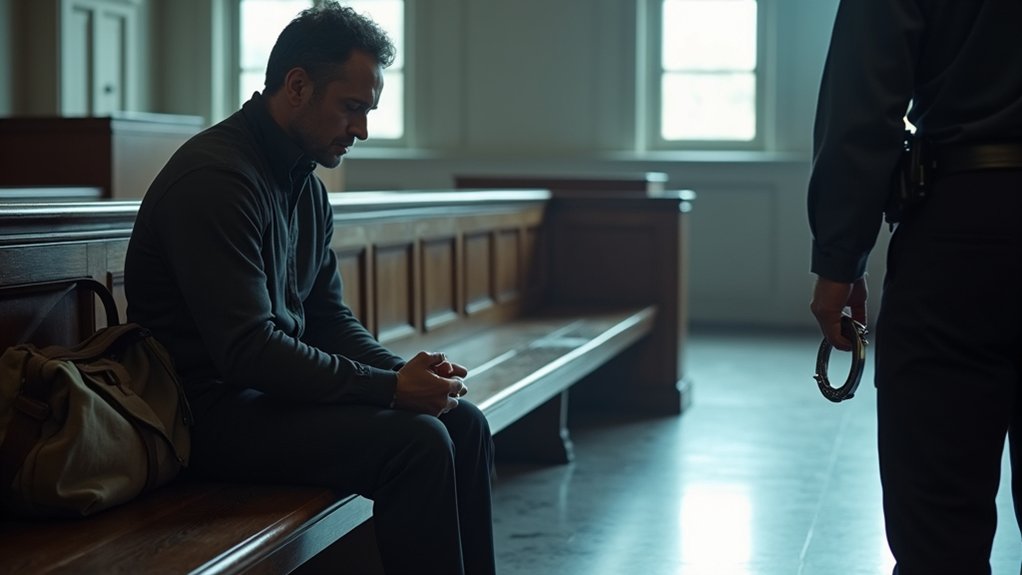
The consequences of not completing a court-ordered program depend largely on whether your order came from a criminal case or a civil commitment proceeding.
In a criminal case, treatment is usually a condition of probation, supervised release, or drug-court participation. Drug courts pair treatment with court supervision, and they impose sanctions when you don’t comply. Because the treatment requirement is a court condition, failing to meet it puts your standing in the case at risk.
Civil commitment works differently. In Colorado, for example, a court can order commitment for up to 90 days and extend it in further 90-day periods if the statutory grounds remain established. Some laws don’t require ongoing treatment after release. Review your order and state law with counsel.
Does a judge’s order actually help recovery
A judge’s order can help recovery, but only partly. It can get you through the door, but it can’t do the work for you. What it adds is structure, oversight, and consequences, and how much those help depends on the program and on you.
- Drug courts pair treatment with judicial supervision and sanctions for noncompliance.
- Federal conditions can restrict your alcohol use and bar unlawful drug use.
- Colorado requires a court to find adequate, potentially beneficial treatment is available before committing you.
- Commitment periods range from 24 hours to one year, depending on the state.
- Civil commitment laws may not require ongoing treatment after you’re released.
The gap in care after release matters most. If you’re facing an order, plan continued care before your period ends.
How do you navigate court-ordered treatment
Navigate court-ordered treatment by identifying which kind of order you’re facing, because your rights and obligations depend on it. If treatment is a probation or supervised-release condition in a criminal case, you’ll need to follow its specific terms, which may include alcohol restrictions, a ban on unlawful drug use, or staying at a specified institution. In drug court, noncompliance can bring sanctions, so attend every session and report problems early. If you’re facing civil involuntary commitment, you typically have due-process protections: notice, a hearing, and legal representation. In Colorado, you can contest the case and get a lawyer if you can’t afford one. Ask your attorney how long the order lasts and what compliance requires. Plan aftercare, since continued treatment isn’t always required.
Find a Treatment Level That Meets Clinical Needs
Court involvement and legal requirements vary, but treatment still needs to address the person’s actual substance use and mental health needs. Changes Treatment Center provides structured addiction treatment programs including PHP, IOP, and continuing outpatient care. Call (949) 807-2008 or contact Changes to discuss whether its outpatient services may be appropriate.
Frequently Asked Questions
Who Pays for Court-Ordered Rehab, and Does Insurance Cover It?
Who pays for court-ordered rehab, and whether your insurance covers it, depends on your jurisdiction, case type, program, and policy. Don’t assume the court will cover the cost. Before treatment starts, ask your attorney, probation officer, or drug-court staff who’s responsible for payment. Then call your insurer directly to confirm your coverage. That way, you’ll avoid surprise bills and can focus fully on your recovery.
How Long Can an Involuntary Commitment for Substance Use Last?
It depends on your state. Commitment periods range from 24 hours to one year. In Colorado, for example, you could face an emergency commitment of up to five days, then a court-ordered commitment lasting up to 90 days. The court can extend it in further 90-day periods if the statutory grounds still apply. You can contest it, so you’ll want to check your state’s law and talk with a lawyer.
Can I Get a Free Lawyer to Contest an Involuntary Commitment?
Often, yes. In Colorado, you can contest an involuntary commitment in court, and you’ll get a lawyer if you can’t afford one, according to the state’s Behavioral Health Administration. Elsewhere, due-process protections commonly include notice, a hearing, and access to legal representation, but the details vary by state. Check your state’s statute or ask the court clerk right away so you understand your rights and don’t miss a hearing deadline.
Can I Choose My Own Treatment Facility Under a Court Order?
Not necessarily. Whether you can choose depends on your state and case type, and there’s no clear general right to pick your facility. In federal cases, a court can require you to stay at a specified institution when treatment demands it. In Colorado, the court must find adequate treatment is available. You can ask your lawyer to propose a preferred program, but the judge’s order ultimately controls.
Will Court-Ordered Rehab Appear on My Criminal or Public Record?
It depends on how the order arises and where you live. If a judge imposes treatment as a probation or supervised-release condition, it’s tied to a criminal case, so the underlying case typically appears on your record. Civil involuntary commitment happens outside criminal court, but it still involves a court petition and hearing. Because record-access rules vary by state, you should ask your lawyer exactly what’s visible in your jurisdiction.