

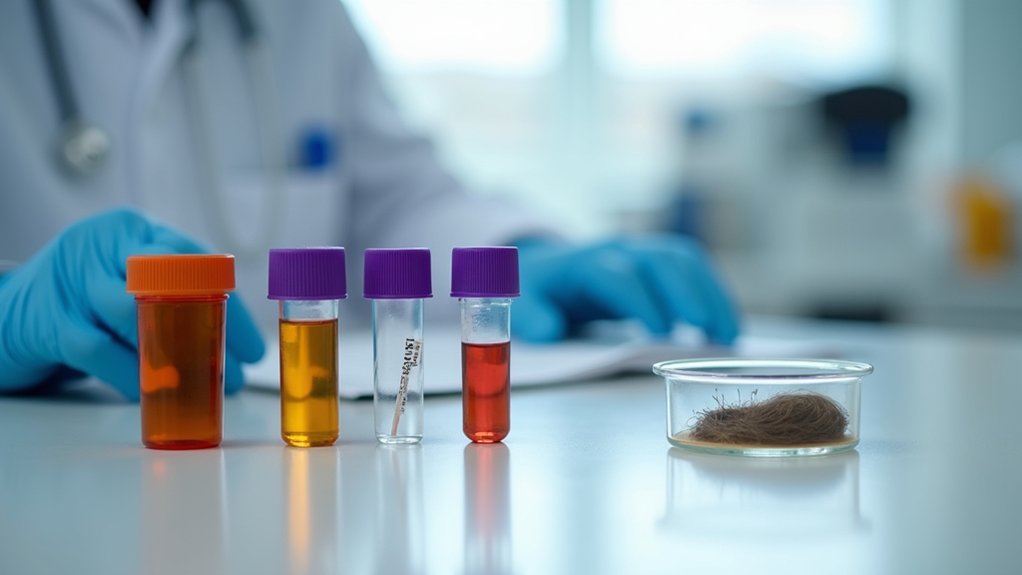
Cocaethylene is an active stimulant your liver makes only when you use cocaine and alcohol together or close in time. Like cocaine, it blocks dopamine and serotonin reuptake. Its half-life is about two hours, roughly double cocaine’s, so its effects linger. Alcohol also raises cocaine’s peak blood level by about 18% to 20%. That combination strains your heart more than either substance alone. Below, you’ll find how it affects your heart, your overdose risk, and the key warning signs.
Key Takeaways
- Cocaethylene is an active stimulant metabolite the liver produces only when cocaine and alcohol are used together or close in time.
- Like cocaine, cocaethylene blocks dopamine and serotonin reuptake, but its roughly two-hour half-life is about double cocaine’s.
- Combining alcohol and cocaine raises cocaine’s peak blood levels by about 18% to 20% and overall exposure by about 23% to 29%.
- The combination raises heart rate and blood pressure more than either drug alone, increasing risks of abnormal rhythms and cardiac arrest.
- Because cocaethylene lingers, toxic effects may persist or appear later; chest pain, seizures, or fainting require immediate emergency care.
What is cocaethylene and what happens when cocaine and alcohol combine

Cocaethylene (CE) is an active metabolite your liver produces when you use cocaine and alcohol together or within a short interval, and it doesn’t form when either substance is taken alone. As an alcohol and cocaine metabolite, CE acts as a stimulant, blocking dopamine and serotonin reuptake much like cocaine does. Alcohol also changes how your body processes cocaine. Studies show combining them can raise cocaine’s peak blood concentration by about 18–20% and overall exposure by about 23–29%. One study found roughly 22% of absorbed cocaine converted to CE, though this varies. The cocaethylene half life is about two hours, compared with roughly one hour for cocaine, so stimulant and toxic effects can last longer. They raise heart rate and blood pressure more than either alone.
How does cocaethylene compare to cocaine alone
Cocaethylene appears to carry greater cardiovascular risk than cocaine alone. Its reported half-life is about two hours, roughly double cocaine’s, so stimulant and toxic effects can last longer. Alcohol and cocaine together also raise your heart rate and blood pressure more than either does alone.
| Factor | Cocaine alone | With cocaethylene |
|---|---|---|
| Half-life | About 1 hour | About 2 hours |
| Peak cocaine level | Baseline | Up to 18–20% higher |
| Sudden death risk | Baseline | 18–25 times higher |
| Mortality | Lower | Higher in systematic reviews |
Evidence varies. A 2024 study in a primarily Chinese cohort found no higher adjusted odds of serious outcomes, and blood levels don’t reliably predict how severe your symptoms will be. Still, avoid combining them.
Where does this compound come from in the body
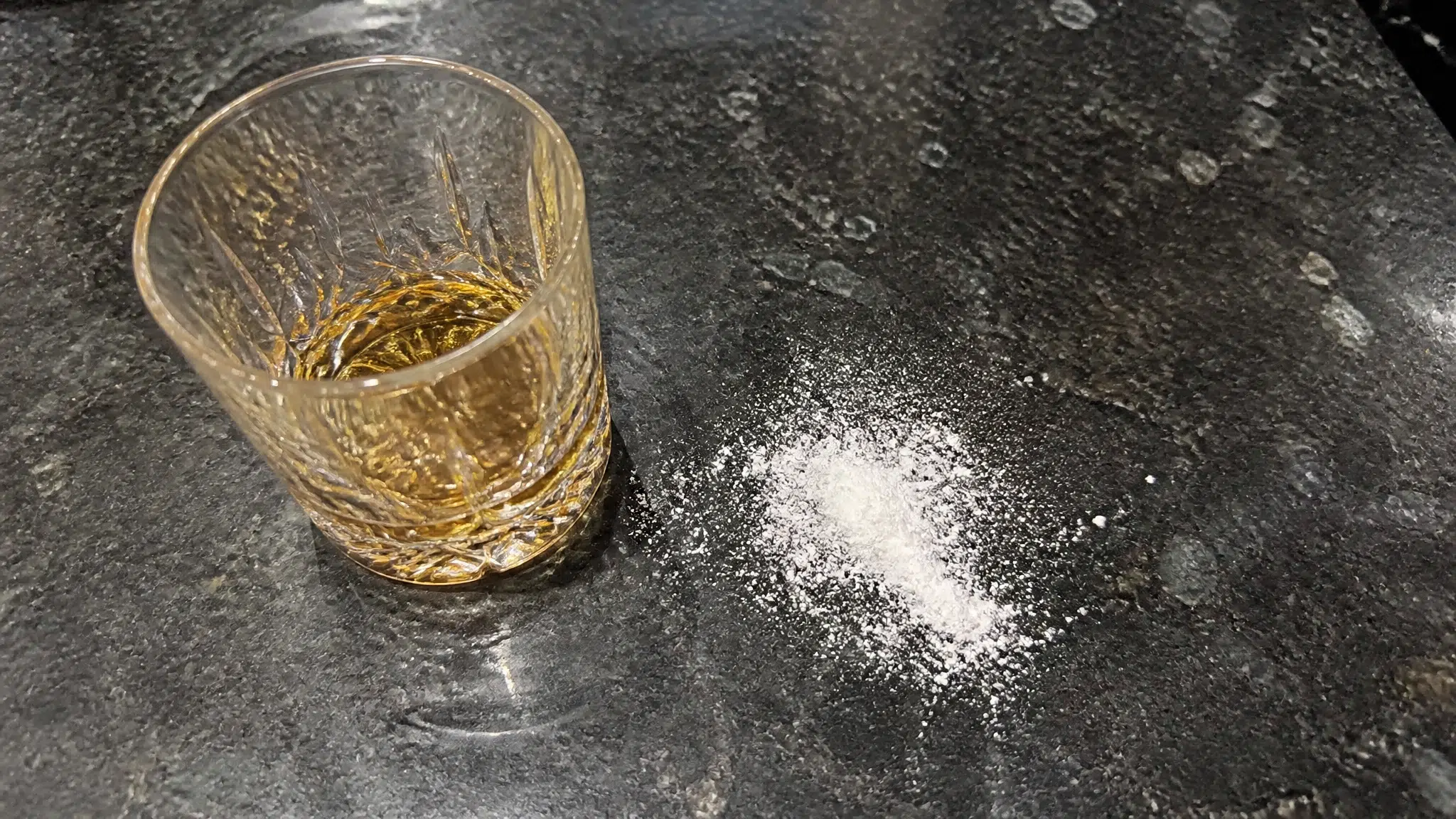
Cocaethylene comes from your liver, which makes it when cocaine and alcohol are in your system at the same time or within a short interval. Alcohol changes how your body processes cocaine, and this metabolic interaction produces cocaethylene, an active metabolite with stimulant properties similar to cocaine’s. Like cocaine, it acts on your brain’s dopamine and serotonin reuptake systems.
How much forms varies. In one study, roughly 22% of absorbed cocaine was converted to cocaethylene, but the proportion can vary. Spacing doses by a short interval doesn’t eliminate the risk, because the compound can form when both substances are taken close together.
Because it comes from this combination, finding cocaethylene in your blood or other samples can indicate you’ve had concurrent or recent cocaine and alcohol exposure.
Why is it more dangerous to the heart
Cocaethylene is more dangerous to the heart because it lasts longer than cocaine and intensifies cocaine’s effects. Its elimination half-life is about two hours, compared with about one hour for cocaine, so you’re exposed to stimulant and toxic effects for longer. Combining alcohol and cocaine can raise cocaine’s peak blood level by about 18–20% and your overall exposure by about 23–29%.
Together, these substances can push your heart rate and blood pressure higher than either does alone. Researchers also think cocaethylene may disrupt cardiac ion channels, which could explain its link to abnormal rhythms and cardiac arrest. One systematic review reported an 18- to 25-fold higher risk of sudden death when cocaethylene was present, though study methods varied widely.
How long does cocaethylene stay in your system

Cocaethylene stays in your system longer than cocaine, with an elimination half-life that studies estimate at about two hours, roughly twice cocaine’s half-life of about one hour. Reported estimates vary by study, so treat these figures as approximations rather than fixed timelines.
Because cocaethylene clears more slowly, it can prolong the stimulant effects you feel and extend your exposure to its toxic effects on the heart and liver. You shouldn’t assume the danger has passed once the initial high fades.
How much cocaethylene your body forms also varies. One study found roughly 22% of absorbed cocaine was converted, but that proportion isn’t consistent across people. Laboratory testing can detect it in blood or other samples, where its presence signals recent or concurrent cocaine and alcohol use.
Why does mixing cocaine and alcohol raise overdose risk
Mixing cocaine and alcohol raises overdose risk because your liver combines them into cocaethylene, an active stimulant that lingers about twice as long as cocaine, so you’re not just adding two drugs’ effects. Alcohol also raises cocaine’s peak blood level by roughly 18–20% and your overall exposure by about 23–29% in some studies.
Your heart faces stronger, longer stimulation. The combination can push your heart rate and blood pressure higher than either alone, and cocaethylene may disrupt cardiac ion channels, a proposed trigger for dangerous rhythms and arrest. One systematic review linked cocaethylene to an 18- to 25-fold higher risk of sudden death than cocaine alone, though estimates vary across studies.
Don’t wait for symptoms to pass: chest pain, seizures, or collapse need emergency care immediately.
What matters most if you have mixed the two
Recognizing warning signs and getting help quickly matters most after mixing cocaine and alcohol. Call emergency services immediately if you or someone with you has chest pain or pressure, trouble breathing, severe or irregular palpitations, fainting, seizures, confusion, extreme agitation, or loss of consciousness. Sudden weakness, facial drooping, trouble speaking, or a severe headache can signal stroke.
Don’t wait for symptoms to pass. Cocaethylene stays in your body longer than cocaine, so toxic effects can persist or appear later. Feeling okay now doesn’t mean you’re safe. Tell clinicians you’ve used both substances, since this guides assessment and treatment. Don’t leave an impaired person alone. Avoid taking more of either substance, and don’t assume a short gap between doses prevents cocaethylene from forming.
Get Help for Cocaine and Alcohol Use
If mixing cocaine and alcohol has become a pattern, the risks compound every time you use. Changes Treatment Center offers outpatient treatment programs including PHP and IOP that treat both substances together, not separately. Our team can talk you through the process with care and zero judgment. Call Us Now to take the first step toward recovery.
Frequently Asked Questions
Can Cocaethylene Cause Liver Damage or Fibrosis Over Time?
Possibly. Research links cocaethylene exposure to liver injury and higher odds of liver fibrosis, but these studies show association, so they can’t prove cocaethylene alone caused the damage. Still, if you combine cocaine and alcohol, your liver forms cocaethylene, which may harm your liver more than either substance alone. Its longer half-life also extends your exposure. If you’re concerned, ask a clinician about liver testing and mention using both substances.
Is Mixing Cocaine and Alcohol Always More Dangerous Than Using Either Alone?
The strongest evidence says yes, even though findings vary between studies. When cocaethylene forms, your body faces a longer-lasting stimulant that raises heart rate and blood pressure beyond what either substance causes on its own, and some reviews tie it to a sharply higher risk of sudden cardiac death. A few studies report less dramatic outcomes, but no research suggests the combination is safe. Treat any mix of the two as a serious cardiovascular risk.
Can Blood Drug Levels Predict How Severe Someone’s Symptoms Will Be?
No, you can’t rely on blood drug levels to predict how severe your symptoms will be. Cocaine and cocaethylene concentrations don’t reliably match your clinical presentation, so you could have serious cardiovascular effects at levels that seem modest. That’s why clinicians assess your symptoms directly. If you notice chest pain, breathing difficulty, seizures, confusion, or collapse after using cocaine and alcohol, call emergency services immediately and tell responders about both substances.
Can Mixing Cocaine and Alcohol Cause Seizures or a Stroke?
Yes. Seizures and stroke are potential severe complications of cocaine toxicity, especially when you use more than one substance. Combining cocaine with alcohol creates cocaethylene, which can prolong stimulant effects and raise your heart rate and blood pressure more than either drug alone. If you notice sudden weakness, facial drooping, trouble speaking, a severe headache, or a seizure, call emergency services right away and tell clinicians you’ve used both substances.
Does Cocaethylene Affect Organs Other Than the Heart and Liver?
Possibly, but the evidence is thinner. Cocaethylene acts on your brain’s dopamine and serotonin reuptake systems, so it can prolong stimulant effects. Combining cocaine and alcohol strains your cardiovascular system and may affect other organs, though studies haven’t clearly defined which ones or how much. If you develop confusion, seizures, sudden weakness, trouble speaking, or a severe headache, call emergency services right away and tell clinicians you’ve used both substances.