
Recovery Is Real: A Story of Hope After 30 Years of Addiction

Medically Reviewed By:

Eric Chaghouri MD

Dr. Eric Chaghouri

Medical Director

Dr. Eric Chaghouri is a distinguished forensic psychiatrist and addiction medicine specialist with a thriving private practice in West Hollywood and Century City, California. He specializes in the treatment of co-occurring psychiatric and addictive disorders and is recognized for his work with attorneys, courts, and legal teams in both civil and criminal litigation. He also provides expert consultation on psychiatric issues for major television networks and oversees a growing team of mental health clinicians.

Graduated summa cum laude from the University of California, Los Angeles (UCLA) in 2007 with a Bachelor of Arts in Biology Medical degree from the Keck School of Medicine of USC in 2011 Postgraduate training began with an internship at Cedars-Sinai Medical Center Three years of general adult psychiatry residency at the Los Angeles County + USC Medical Center.

Share this Post

Sometimes the most powerful proof that recovery is possible isn’t a statistic. It’s a person. It’s a life that looked completely lost and was rebuilt anyway. Stories like these matter because they show what’s on the other side of even the darkest struggle, and they remind anyone still fighting that their story isn’t over. This real recovery story is one of those, a reminder that no matter how far gone things feel, change is possible.

Losing Everything to Addiction
nano banana pro 907cf94b

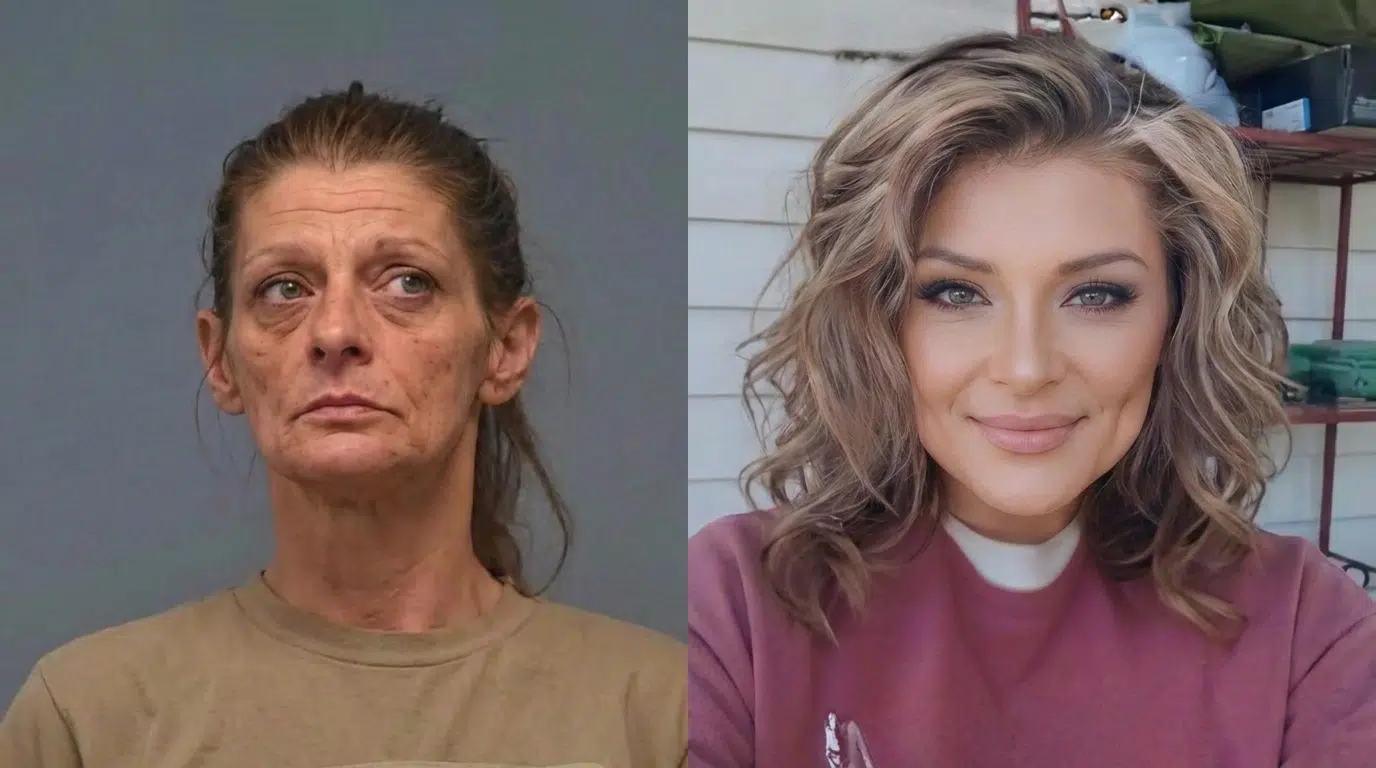
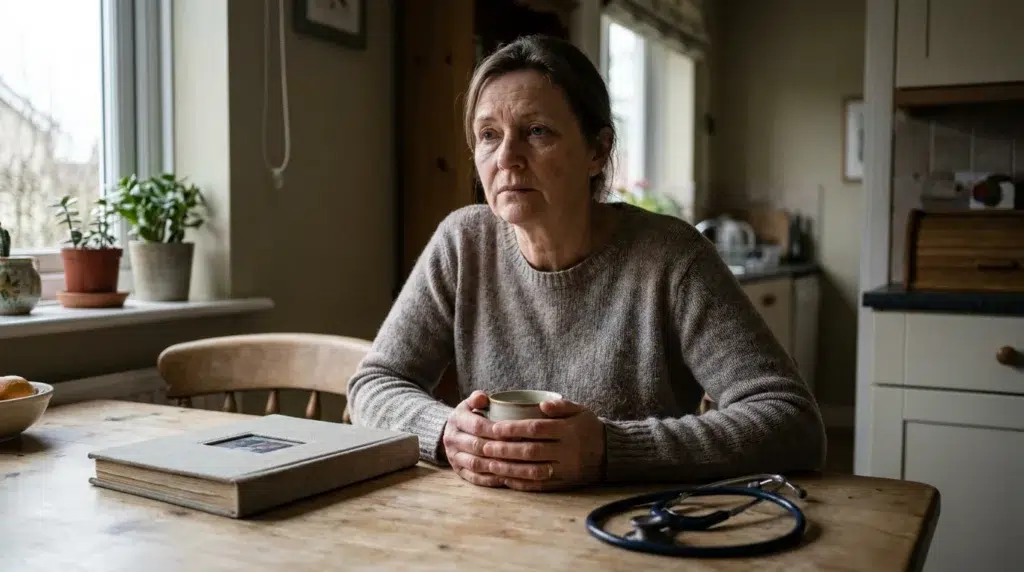
By the age of 53, she had spent 30 years battling an opiate addiction. Three decades is a long time to fight anything, and over those years the disease took nearly everything from her.

She lost her kids. She lost her family. She lost her nursing license, the career she’d built and the professional identity that came with it. This is what addiction does when it runs unchecked. It doesn’t take things all at once. It takes them piece by piece, until a person can look up one day and realize how much has been stripped away. By this point, she had reached a place of profound loss and pain, the kind that can make a person feel there’s nothing left.

A Turning Point in the Darkest Moment
nano banana pro 6c5f5045

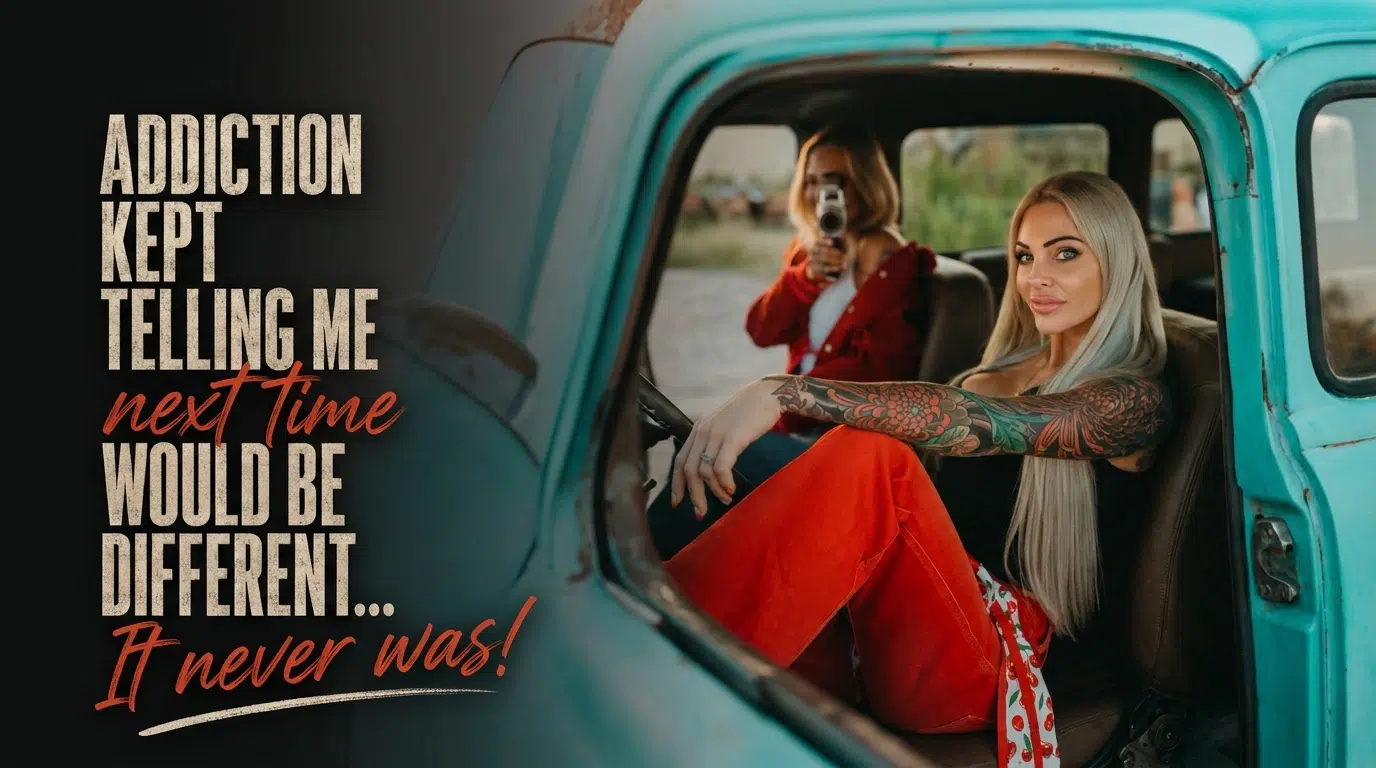
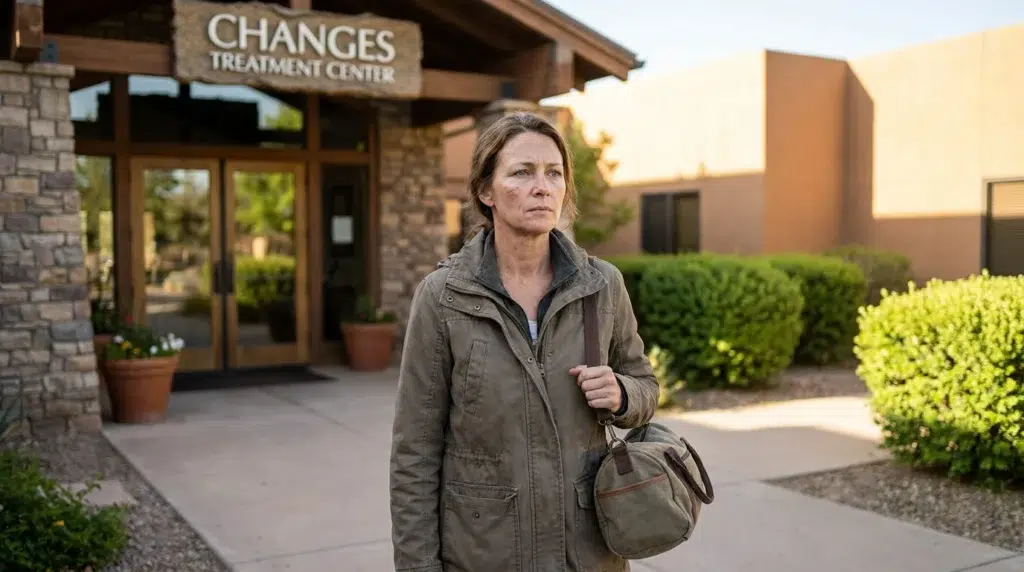
Her lowest point was truly dark. In 2017, after a third attempt to take her own life, she made the decision to enter rehab, and she stayed for a year.

It’s worth pausing on how much courage that took. When you’re at the very bottom, reaching for help can feel impossible, and committing to a full year of treatment is an enormous act of hope in a moment that felt hopeless. That decision, made in the middle of unimaginable pain, became the turning point that changed everything. Sometimes the darkest moment is the one that finally opens the door to a different life.

No matter how much addiction has taken, or how far gone things feel, recovery is real and a new life is possible.

Finding Recovery and Rebuilding a Life

Mental health professional working at a treatment center

What happened next is the part worth holding onto. Through her faith and her fierce determination to become the mom her kids deserved, she found recovery. And once she did, she didn’t just get sober. She rebuilt her entire life.

Four years clean, the woman who had lost her nursing license to addiction earned a scholarship, made the Presidential Scholars List, and graduated with a degree in Addiction Counseling. Let that sink in. She went from losing a career to addiction to earning honors and building a brand new one, now dedicated to helping other people find the same freedom she found. Her motivation, becoming the mother her children deserved, carried her from rock bottom to a life of purpose and service.

Why Stories Like This Matter

It would be easy to read this and think it’s remarkable but rare. The truth is that while every journey is unique, recovery itself is not rare. People reclaim their lives from addiction every single day.

Stories like hers matter because addiction is so good at convincing people that they’re too far gone. That they’ve lost too much, hurt too many people, or struggled too long to ever come back. This story is living proof that none of that is true. Thirty years of addiction, the loss of everything, and the darkest imaginable low were not the end of her story. They were the middle of it. If it was possible for her, it’s possible for others too, including you.

Recovery Is Possible for You Too

If you’re struggling right now, or watching someone you love struggle, let this story be a source of real hope. It doesn’t matter how long the addiction has lasted, how much has been lost, or how impossible change feels. Recovery is real, and it’s within reach.

You don’t have to hit some specific bottom to deserve help, and you don’t have to have any of it figured out before you reach out. Every recovery story, including the one above, started with a single decision to ask for help. That decision is available to you today. If you or someone you love is struggling with thoughts of suicide, you can also call or text 988, the Suicide and Crisis Lifeline, anytime for free, confidential support.

How Changes Can Help You Write Your Story

Every recovery story is different, but no one does it alone. Behind stories like this one is support, treatment, and people who refuse to give up on a person even when they’ve given up on themselves. That’s the way we approach it at Changes, meeting people with compassion and walking with them through every stage of recovery. A few of the ways that support comes together:

  • Medical and clinical support to help you safely stabilize and begin healing.
  • Individual therapy to work through the pain and patterns underneath the addiction.
  • Group therapy with people who understand, so you never have to feel alone in it.
  • Psychiatric support for the depression, trauma, or other struggles so often tied to addiction.
  • A supportive community that stands with you as you rebuild a life of purpose.

Your Story Isn’t Over

The most important message in a story like this is simple. No matter how dark things have become, your story isn’t over. What feels like the end can turn out to be the turning point, just as it did for a woman who lost 30 years to addiction and went on to build a life of honor, purpose, and service.

Recovery is real. Hope is real. And a new life, one you might not even be able to imagine right now, is genuinely possible. The next chapter can start whenever you decide to reach out.

Call Today and Start Your Recovery Story

No matter how far gone things feel, recovery is possible, and you don’t have to do it alone. At Changes Treatment Center, we help people rebuild their lives through PHPIOP, outpatient treatment, therapy, psychiatric care, and Beyond Therapy programming. Located in Costa Mesa, CaliforniaCall (949) 807-2008 today and start writing your own recovery story, with people who will support you through it.

Frequently Asked Questions

Is recovery really possible after decades of addiction?

Yes. As this story shows, people recover even after 30 years of addiction and the loss of nearly everything. The length of an addiction doesn’t determine whether recovery is possible. With treatment, support, and determination, people reclaim their lives and build new ones at every age and stage.

Am I too far gone to recover?

No. One of the cruelest lies addiction tells is that you’re beyond help. People who have lost their families, careers, and hope have gone on to rebuild full, meaningful lives. You don’t have to hit a specific bottom or have everything figured out to deserve help. It starts with reaching out.

What is often the first step toward recovery?

Usually it’s a single decision to ask for help. That can mean calling a treatment center, talking to a doctor, or reaching out to someone you trust. You don’t need a perfect plan. Taking that first step, even in a moment that feels hopeless, is what opens the door to everything that follows.

Where can I turn if I’m having thoughts of suicide?

If you or someone you love is struggling with thoughts of suicide, you can call or text 988, the Suicide and Crisis Lifeline, at any time. It’s free, confidential, and available 24/7. If someone is in immediate danger, call 911. Support is available, and reaching out is a sign of strength.

How does Changes Treatment Center help people recover?

We meet people with compassion, not judgment, and provide comprehensive support for lasting recovery. Through medical and clinical care, individual and group therapy, psychiatric support, and a supportive community, we help people heal from addiction and rebuild lives of purpose, no matter how much they’ve been through.

Alcohol Self-Assessment

Take a moment to answer these questions honestly.
There are no right or wrong answers.

This assessment is not a medical diagnosis, but it can help you determine whether alcohol may be having a greater impact on your life than you realize.

In the past 12 months…

SCORE: 0 POINTS

Developed by Patrick Conod, LCSW, and Cari Lawyer, CATC I, on behalf of the Changes Treatment Center Clinical Leadership Team.

Is My Loved One Struggling with Alcohol?

A Self-Assessment for Family Members and Friends

Watching someone you love change because of alcohol can be confusing and heartbreaking. You may find yourself questioning what you’re seeing, wondering if you’re overreacting, or hoping things will get better on their own.

This assessment is designed to help you reflect on the behaviors you’ve noticed. It isn’t a diagnosis, but it may help you determine whether it’s time to seek guidance or support.

In the past 12 months…

Developed by Patrick Conod, LCSW, and Cari Lawyer, CATC I, on behalf of the Changes Treatment Center Clinical Leadership Team.

Quiz: Could It Be Both?

When we are struggling with deep stress, anxious thoughts, or a low mood, it is incredibly natural to look for immediate relief. Sometimes, we turn to alcohol or other substances just to quiet our minds, get some sleep, or feel normal for a night. 

This short self-assessment is designed to help you pause and look at how these two parts of your life might be influencing each other. It is entirely anonymous and takes less than two minutes.

If you answered "Yes" to more than one question:

Reflecting on how your experiences connect

Answering "yes" to one or more of these questions can be a sign that your mental health and substance use are deeply intertwined. When anxiety, depression, or stress connect with alcohol or drug use, they often feed into one another in a cycle. Recognizing this link is a powerful and brave step toward finding a path that heals both at the same time.

  • A gentle next step: You don’t have to separate these struggles or try to fix them one by one. True recovery looks at the whole picture, and starting with a simple, honest conversation can offer immense relief.
  • Let's talk it through: We have compassionate, real people ready to listen and walk alongside you. Whether your goal is to find balance, heal from trauma, or address both mental health and substance use together—we are here with zero judgment and absolute confidentiality.

Want us to reach out to you?

Leave your details below and a caring member of our team will connect with you quietly and confidentially.

Quiz: Do I Have a Substance Use Problem?

It’s common for habits to slowly shift over time, especially during stressful seasons. Often, we find ourselves using a substance to cope, unwind, or get through the day, only to realize it is starting to take up more space in our routine, thoughts, or relationships than we’d like.

This quick, 10-question check-in is a quiet space to reflect honestly on how your use is impacting your life. It is entirely anonymous, completely free of clinical judgment, and takes less than two minutes.

If you answered "Yes" to more than one question:

Reflecting on your routine and finding balance

Answering "yes" to one or more of these questions can be a sign that substance use might be starting to take up a bit more space in your mind, routine, or relationships than you would like. It is incredibly common for these habits to slowly shift over time, especially during stressful seasons, but realizing you want to look closer at those habits is a brave first step.

  • A gentle next step: You don’t have to make any major, life-altering decisions today. Simply giving yourself permission to talk openly and honestly about where you are can lift a massive weight.
  • Let's talk it through: We have compassionate, real people ready to listen and walk alongside you. Whether your goal is to cut back, take a temporary break, or just share your story, we are here with zero judgment and absolute confidentiality.

Want us to reach out to you?

Leave your details below and a caring member of our team will connect with you quietly and confidentially.

Quiz: Am I Depressed?

We all experience days when we feel down, exhausted, or just completely unmotivated. But when those heavy feelings start lingering, it can be hard to tell if you’re just going through a rough patch or if it’s something more.

This quick, confidential check-in is designed to help you pause and reflect on how you’ve actually been feeling lately. It is completely anonymous, entirely non-judgmental, and takes less than two minutes.

If you answered "Yes" to 3 questions or more:

Finding a gentle path forward

Answering "yes" to one or more of these questions can be a sign that a heavy mood, low energy, or a sense of exhaustion has started to weave its way into your daily life. Carrying this emotional weight is incredibly tiring, but acknowledging how much you have been holding inside is a profound and brave first step toward feeling like yourself again.

    • A gentle next step: You don’t have to navigate these heavy feelings or find the answers all on your own. Simply letting someone else help carry the weight for a moment can offer immense relief.
  • Let's talk it through: We have warm, compassionate people ready to listen and walk alongside you. Whether you are looking for guidance on how to start feeling better, or simply want a safe, confidential space to share what you've been going through—we are here for you.

Want us to reach out to you?

Leave your details below and a caring member of our team will connect with you quietly and confidentially.

Quiz: How Much Drinking Is Too Much?

Is your evening glass of wine a harmless habit, or is it starting to catch up with you? It’s not always easy to tell where “social drinking” ends and “too much” begins.

Take this quick, 2-minute quiz to check in on your relationship with alcohol and get clear, personalized insights.

If you answered "Yes" to more than one question:

Reflecting on your routine and finding balance

Answering "yes" to one or more of these questions can be a sign that alcohol might be starting to take up a bit more space in your mind, routine, or relationships than you would like. It is incredibly common for drinking habits to slowly shift over time, especially during stressful seasons, but realizing you want to look closer at those habits is a brave first step.

  • A gentle next step: You don’t have to make any major, life-altering decisions today. Simply giving yourself permission to talk openly and honestly about where you are can lift a massive weight.
  • Let's talk it through: We have compassionate, real people ready to listen and walk alongside you. Whether your goal is to cut back, take a temporary break, or just share your story, we are here with zero judgment and absolute confidentiality.

Want us to reach out to you?

Leave your details below and a caring member of our team will connect with you quietly and confidentially.