
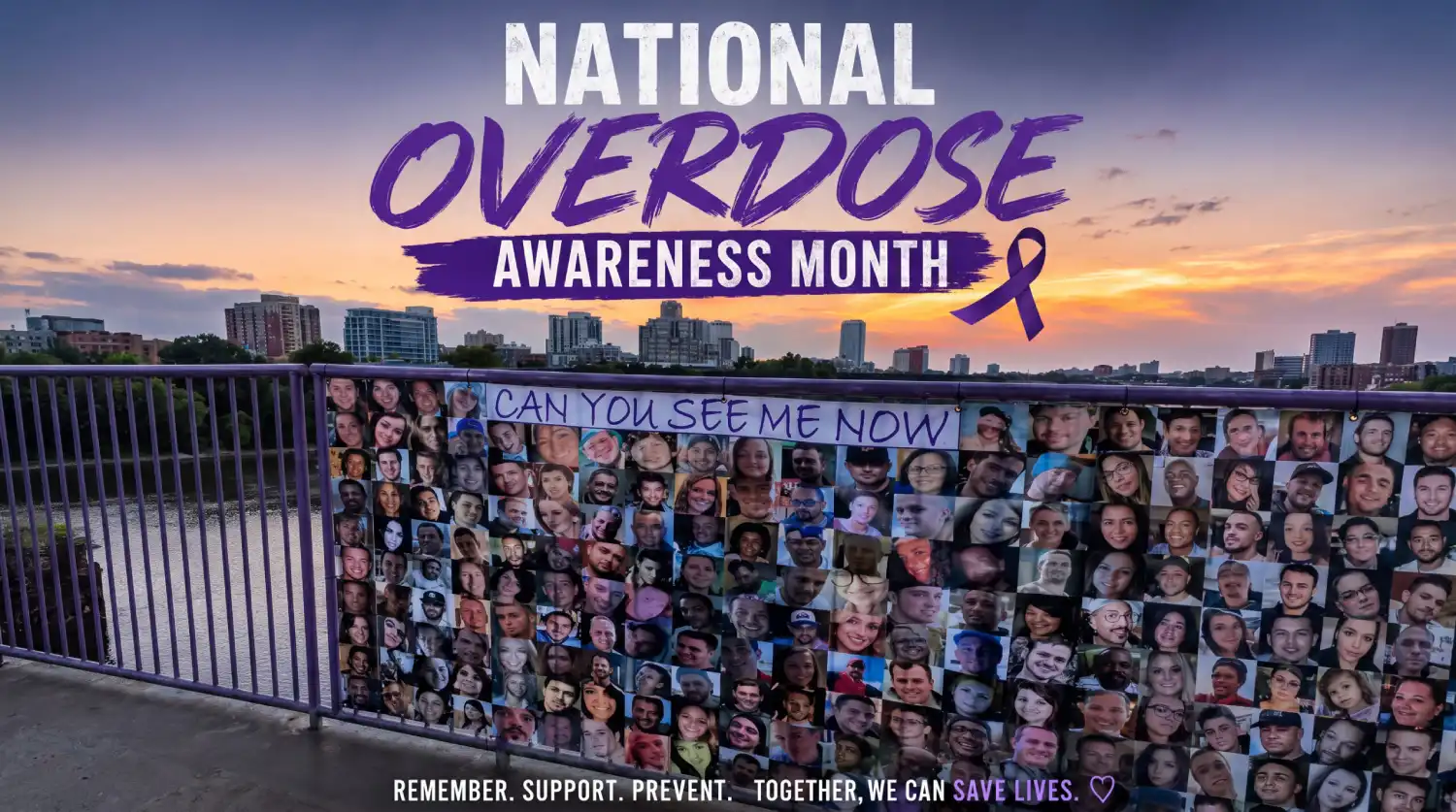
Every year on August 31, communities around the world mark International Overdose Awareness Day, and the weeks around it become a time to honor the lives lost to overdose, support the families and friends left behind, and stand with everyone still fighting for recovery. It’s a moment to grieve, but also to act, because overdose is preventable and recovery is real. If you want to understand why overdose awareness matters so much, it comes down to a simple truth: breaking stigma and spreading knowledge saves lives.
Why Overdose Awareness Matters
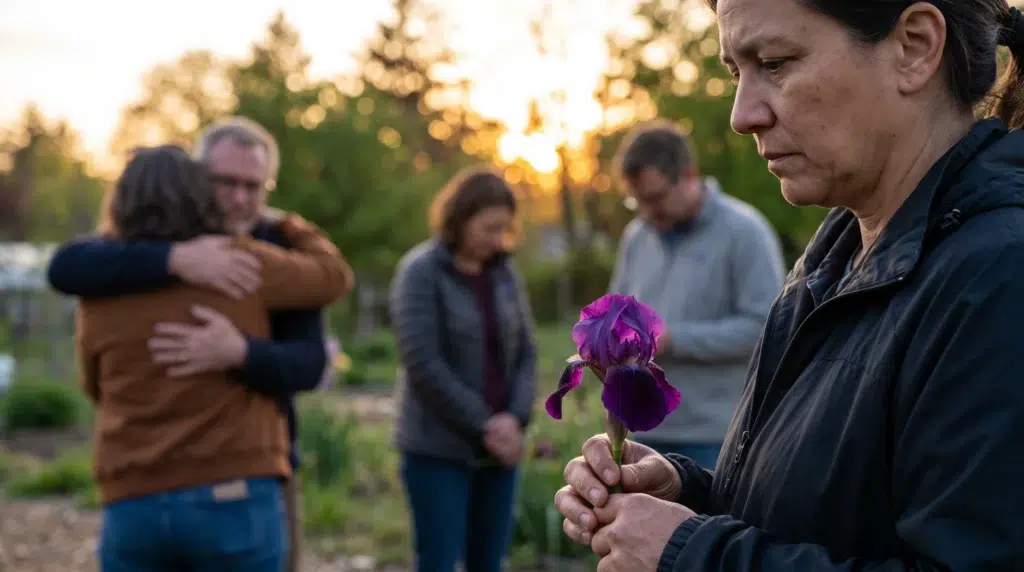
Behind every overdose statistic is a person, and a circle of people who loved them. Awareness efforts exist to honor those lives, to acknowledge the grief of the families left behind, and to remind everyone still struggling that they are worth fighting for.
The scale of the crisis is staggering, even as there’s reason for hope. In recent years, more than 100,000 Americans a year have died from drug overdoses. There is encouraging news, though. The CDC reports that overdose deaths have recently fallen sharply, with provisional data showing a decline of roughly 25% or more compared to the previous year, one of the most significant improvements in years. That progress is real, and it’s the direct result of awareness, prevention, and people getting help. But the numbers are still far too high, which is exactly why this work continues to matter.
Addiction Does Not Discriminate, and Neither Should Compassion
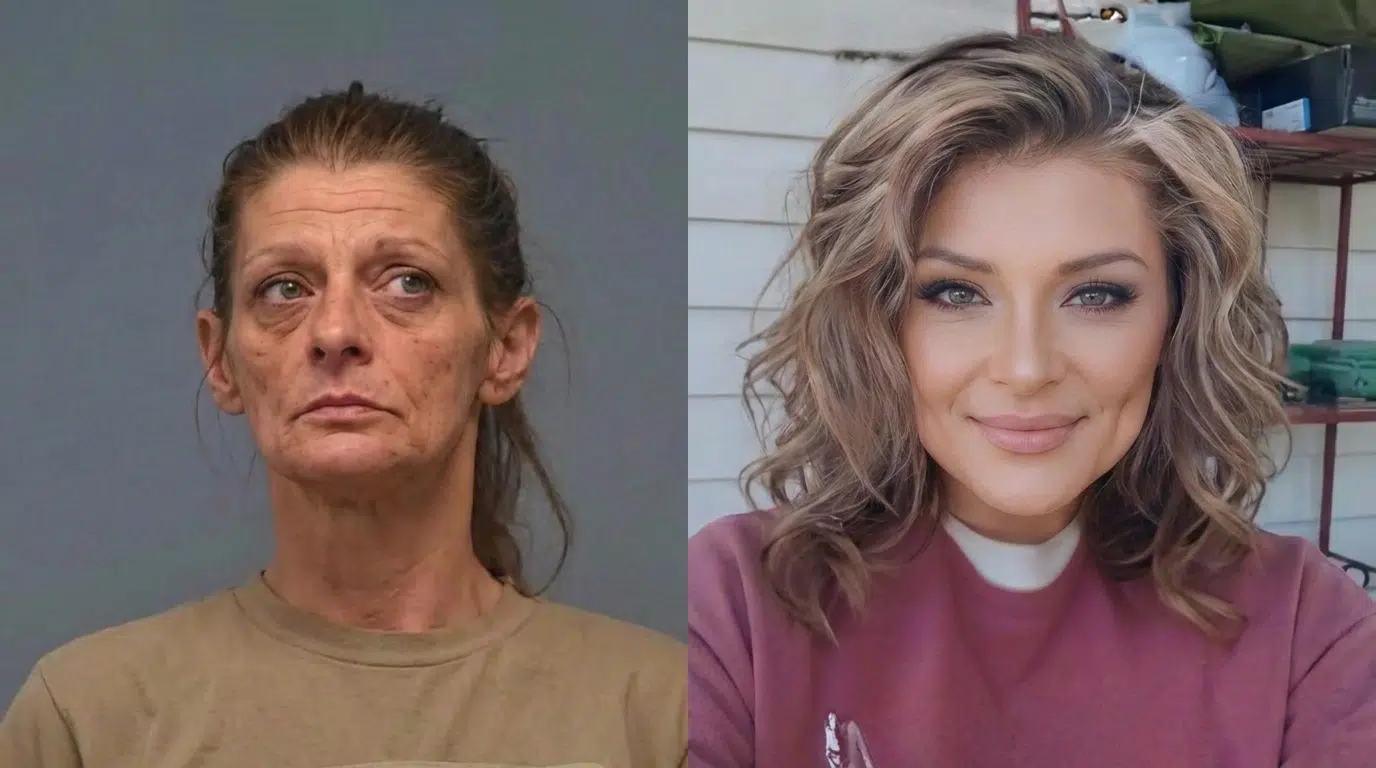
One of the most important truths in all of this is a simple one. Addiction does not discriminate. It reaches every kind of community, every income level, every age, and every background. It is a chronic medical condition, not a moral failing or a matter of willpower.
And if addiction doesn’t discriminate, neither should compassion. Too often, people who are struggling are met with judgment instead of help, and that judgment can be deadly. When someone feels ashamed or condemned, they’re far less likely to reach out for the support that could save their life. Meeting addiction with empathy instead of blame isn’t just kinder. It’s one of the most practical things we can do to keep people alive long enough to recover.
Recovery is possible. Hope is real. Every conversation matters, and every life is worth fighting for.
How We Can Save Lives

Awareness matters most when it turns into action. The good news is that there are concrete, proven things any of us can do to help prevent overdose deaths. A few of the most powerful:
- Break the stigma. Talking about addiction as the medical condition it is helps people feel safe enough to seek help.
- Educate our communities. Understanding the risks, the signs of an overdose, and how to respond empowers people to act in an emergency.
- Carry naloxone. Naloxone, often known by the brand name Narcan, can reverse an opioid overdose and save a life in minutes. Anyone can carry it.
- Encourage people to seek help. A single supportive conversation can be the turning point that leads someone toward treatment and recovery.
None of these require special training or authority. They just require caring enough to be prepared, and that preparation genuinely saves lives.
The Difference Between Overdose and Fentanyl Poisoning
There’s an important distinction worth naming in any honest conversation about this crisis. Not all of these deaths are overdoses in the way people usually imagine. Thousands are cases of fentanyl poisoning, where people died from fentanyl they never knew they were taking.
Illicitly made fentanyl is extraordinarily potent, and it’s frequently mixed into counterfeit pills and other substances without the user’s knowledge. Fentanyl remains the leading driver of overdose deaths in the United States, and in many of these cases the person had no idea the drug was in their system. That’s not the same as a traditional overdose, and it raises real questions about accountability for the dealers who knowingly distribute these deadly substances. Naming that distinction honors the truth of how many of these lives were actually lost.
Recovery Is Possible and Hope Is Real
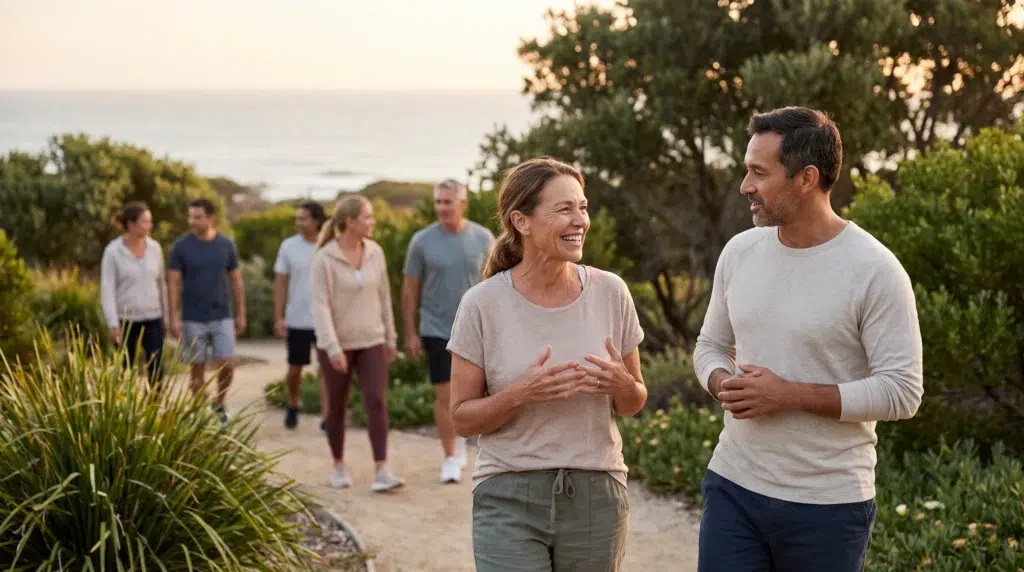
Through all of the grief and hard truths, the most important message of overdose awareness is one of hope. Recovery is possible. Hope is real. Every conversation matters, and every life is worth fighting for.
The recent decline in overdose deaths is proof that things can change. People do recover every day, families do heal, and lives that once felt beyond saving are rebuilt. If you’re struggling right now, that hope includes you. Your story isn’t over, and the possibility of a different life is real, no matter how far gone things may feel.
If You or Someone You Love Is Struggling
The final and most important thing to know is this. If you or someone you love is struggling, you are not alone. Help is available, and healing is possible.
Reaching out can feel impossible, especially under the weight of shame or fear. But that one step is often what makes everything else possible. That’s the way we approach it at Changes, meeting people with compassion instead of judgment and walking with them toward recovery. A few of the ways that support comes together:
- Medical and clinical support to help people safely stabilize and begin recovery.
- Individual therapy to address what’s underneath the substance use and build healthier ways to cope.
- Group therapy with people who understand, so no one has to feel alone in it.
- Psychiatric support for the mental health struggles that so often accompany addiction.
- A supportive community that stands with people through every stage of recovery.
Every Life Is Worth Fighting For
Overdose awareness is about remembering those we’ve lost, supporting those still grieving, and refusing to give up on anyone still struggling. It’s about replacing stigma with compassion, silence with conversation, and despair with hope.
If there’s one thing to carry forward, let it be this. Every life is worth fighting for, including yours. Recovery is possible, help is available, and healing is real. You don’t have to face this alone.
Call Today, You Are Not Alone
If you or someone you love is struggling, help is here. At Changes Treatment Center, we meet people with compassion and provide the care they need to heal through PHP, IOP, outpatient treatment, therapy, psychiatric care, and Beyond Therapy programming. Located in Costa Mesa, California. Call (949) 807-2008 today, because you are not alone and every life is worth fighting for.
Frequently Asked Questions
When is International Overdose Awareness Day?
International Overdose Awareness Day is observed every year on August 31. It’s the world’s largest annual campaign to end overdose, remember those lost, acknowledge the grief of families left behind, and promote evidence-based prevention. The weeks around it are widely used to raise awareness and reduce the stigma of substance use.
What is the difference between an overdose and fentanyl poisoning?
An overdose generally refers to taking too much of a substance a person knowingly used. Fentanyl poisoning refers to cases where someone unknowingly ingested fentanyl, often hidden in counterfeit pills or mixed into other drugs. Because illicit fentanyl is extremely potent and frequently added without the user’s knowledge, many deaths are considered poisonings rather than traditional overdoses.
What is naloxone and how does it help?
Naloxone, often known by the brand name Narcan, is a medication that can rapidly reverse an opioid overdose. It works within minutes to restore normal breathing and can save a life while emergency help is on the way. It’s widely available, easy to use, and anyone can carry it to be prepared in an emergency.
Are overdose deaths going up or down?
After years of rising, U.S. overdose deaths have recently declined significantly, with the CDC reporting a drop of roughly 25% or more compared to the prior year. Fentanyl still drives most overdose deaths, so the numbers remain high, but the decline shows that awareness, prevention, treatment, and naloxone access are making a real difference.
How can Changes Treatment Center help someone who is struggling?
We meet people with compassion, not judgment, and provide the medical, clinical, and community support needed to recover. Through individual therapy, group therapy, psychiatric care, and a supportive recovery community, we help people stabilize, heal, and build a foundation for lasting recovery. If you or someone you love is struggling, help is available.