




5 Sober Hobbies That Make Recovery More Rewarding

Medically Reviewed By:

EricChaghouriMD-641h-e1758224525342

Dr. Eric Chaghouri

Medical Director

Dr. Eric Chaghouri is a distinguished forensic psychiatrist and addiction medicine specialist with a thriving private practice in West Hollywood and Century City, California. He specializes in the treatment of co-occurring psychiatric and addictive disorders and is recognized for his work with attorneys, courts, and legal teams in both civil and criminal litigation. He also provides expert consultation on psychiatric issues for major television networks and oversees a growing team of mental health clinicians.

Graduated summa cum laude from the University of California, Los Angeles (UCLA) in 2007 with a Bachelor of Arts in Biology Medical degree from the Keck School of Medicine of USC in 2011 Postgraduate training began with an internship at Cedars-Sinai Medical Center Three years of general adult psychiatry residency at the Los Angeles County + USC Medical Center.

Share this Post

When you stop drinking or using, you get a lot of time back. That’s a good thing, but it can also feel like a lot of empty space at first, and empty space is hard in early recovery. One of the best ways to fill it is with hobbies that genuinely make you feel good, the kind that lower stress, build confidence, and remind you that life is better lived sober. If you’re looking for rewarding sober hobbies, here are five that many people in recovery find especially helpful.

Why Hobbies Matter So Much in Recovery

Hobbies aren’t just a way to pass the time. In recovery, they do real work. They give your days structure, they replace the space a substance used to fill, and they offer healthy ways to handle stress and difficult emotions.

They also rebuild something addiction often takes away: a sense of joy and purpose that doesn’t depend on a substance. Finding things you genuinely enjoy reminds you that a sober life isn’t a smaller life. It can be a fuller one. The hobbies below are popular for good reason, but the real goal is to find what works for you.

Life is better lived in recovery. The right hobby can help you feel that for yourself.

The 5 Most Rewarding Sober Hobbies

1. Hiking and Nature Walks

Person standing on a scenic coastal hiking trail surrounded by trees and ocean views during a daytime nature walk.

Getting outside and moving through nature is one of the simplest and most powerful sober hobbies there is. It costs little, asks nothing but a pair of shoes, and gives a lot back.

  • Reduces stress and anxiety
  • Improves physical health
  • Helps create a sense of peace and connection

Whether it’s a challenging trail or a quiet walk through a local park, time in nature has a way of clearing the head and settling the nervous system.

2. Fitness and Strength Training
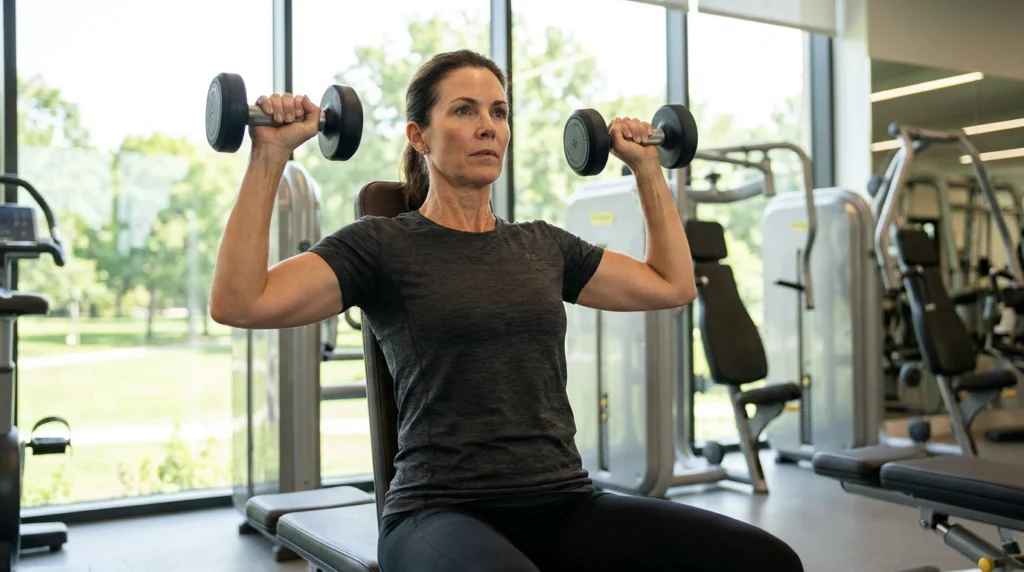
Person performing seated dumbbell shoulder presses in a modern gym as part of a regular strength training routine.

Exercise is one of the most reliable mood boosters available, and it gives early recovery something it badly needs: structure and routine.

  • Boosts mood through natural endorphins
  • Builds confidence and self-esteem
  • Provides structure and routine

Watching yourself get stronger over time builds a sense of accomplishment that carries over into the rest of recovery. You don’t need a gym to start, just something that gets your body moving regularly.

3. Creative Arts

Person painting a watercolor landscape at a home art studio with brushes, sketchbooks, and art supplies on a wooden desk.

Painting, drawing, photography, crafting, or writing all give difficult emotions somewhere to go, which is exactly what recovery needs.

  • A healthy outlet for emotions
  • Encourages self-expression
  • Builds mindfulness and focus

You don’t have to be talented or experienced. The value is in the process, not the result. Creating something can be a calming, grounding way to process what you’re feeling without having to put it into words.

4. Volunteering and Service Work

Volunteer handing a reusable grocery bag filled with fresh produce to a smiling community member at a local food distribution center.

Helping others is one of the most meaningful things a person in recovery can do, and it tends to give back as much as it gives.

  • Gives a sense of purpose
  • Builds meaningful connections
  • Lets you give back to others

Getting outside of your own head and contributing to something bigger can restore a sense of purpose that addiction often erodes. It also builds community, which is one of the strongest protectors of long-term recovery.

5. Beach Activities and Collecting Sea Glass
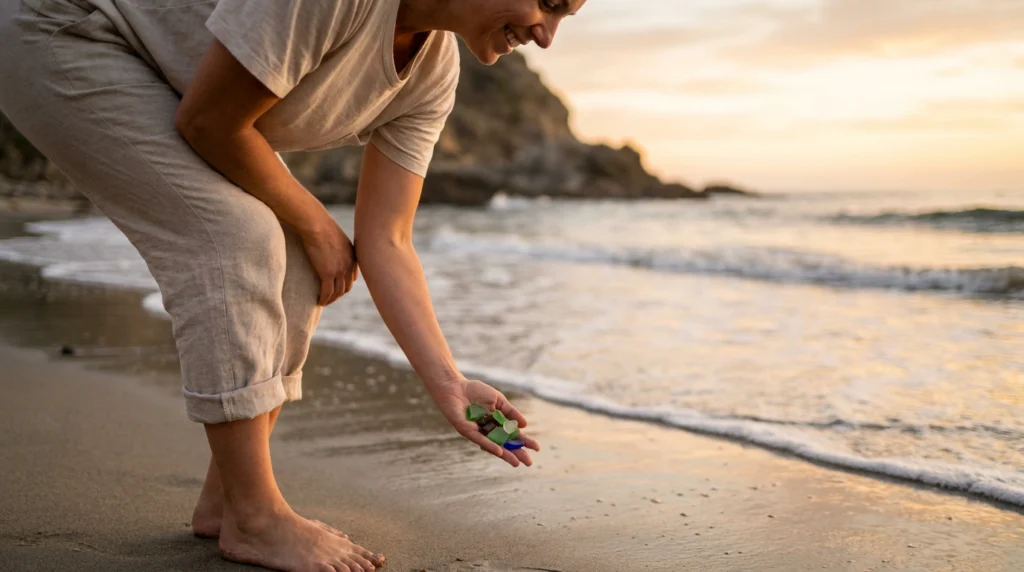
Person collecting seashells on a sandy beach at sunset, enjoying a peaceful mindfulness activity by the ocean.

Walking the shoreline, beachcombing, paddleboarding, or collecting sea glass blends gentle exercise with the quiet thrill of discovery.

  • Relaxing and meditative
  • Combines exercise with the excitement of discovery
  • Gets you outside and present

There’s something naturally calming about the water, and hunting for sea glass turns an ordinary walk into a small adventure. For anyone near the coast, it’s an easy, low-pressure way to stay active and present.

Finding the Hobby That Fits You

This list is a starting point, not a rulebook. The best sober hobby is the one you actually look forward to, so it’s worth trying a few things and paying attention to what genuinely lifts your mood.

Some people find peace in nature, others in a gym, a sketchbook, a service project, or a walk along the beach. There’s no wrong answer. What matters is that you’re filling your time with something that supports your wellbeing instead of working against it. Give yourself permission to experiment until something clicks.

When You Need More Than a New Hobby

Hobbies are a powerful part of a healthy recovery, but they work best alongside real support. If staying sober is feeling like a daily struggle, that’s worth taking seriously, and it’s not something you have to face on your own. The right hobby can lift a hard day, but lasting recovery is built on a stronger foundation.

That’s the way we approach it at Changes. We help people build the tools, support, and community that make a sober life feel full and sustainable. A few of the ways that support comes together:

  • Individual therapy to build coping skills and work through what’s underneath the substance use.
  • Group therapy to build the connection and community that recovery leans on.
  • Psychiatric support when anxiety, depression, or other struggles are part of the picture.
  • Case management to help steady the practical side of life so you can focus on staying well.
  • Beyond Therapy programming to help you rediscover purpose and build a life you genuinely enjoy.

Life Is Better Lived in Recovery

The point of all of this is simple. Recovery isn’t about giving things up and getting less. It’s about making room for a life that’s actually worth being present for. The right hobbies are part of how you build that, one enjoyable, meaningful day at a time.

So try something new. Get outside, move your body, make something, help someone, or walk along the water. You might be surprised how good a sober life can feel. Life really is better lived in recovery.

Call Today and Build a Life You Enjoy in Recovery

New hobbies are a great start, but lasting recovery is about building a full, supported life. At Changes Treatment Center, we help people build the tools, connection, and support they need to stay well through PHPIOP, outpatient treatment, therapy, psychiatric care, and Beyond Therapy programming. Located in Costa Mesa, CaliforniaCall (949) 807-2008 today and start building a sober life you genuinely enjoy, with people who will support you through it.

Frequently Asked Questions

What are good hobbies for people in recovery?

Some of the most rewarding sober hobbies include hiking and nature walks, fitness and strength training, creative arts like painting or writing, volunteering and service work, and beach activities like beachcombing or collecting sea glass. The best hobby is one you genuinely enjoy and look forward to.

Why are hobbies important in addiction recovery?

Hobbies give your days structure, fill the time a substance used to take up, and offer healthy ways to manage stress and emotions. They also rebuild a sense of joy and purpose that doesn’t depend on a substance, which helps make a sober life feel full rather than limited.

How do hobbies help prevent relapse?

By filling free time, reducing stress, and building routine and connection, hobbies remove some of the boredom and isolation that can trigger relapse. They give you healthy outlets and meaningful things to look forward to, which strengthens your overall recovery, though they work best alongside real support.

What if I can’t find a hobby I enjoy?

That’s normal, especially early on when motivation can be low. The key is to keep experimenting without pressure. Try a few different things, start small, and pay attention to what lifts your mood, even slightly. Interest often grows with time and repetition, so give yourself room to explore.

How does Changes Treatment Center help build a fulfilling sober life?

We focus on more than helping people stop using. Through individual therapy, group therapy, psychiatric support, case management, and Beyond Therapy programming, we help people rediscover purpose, build connection, and create a sober life they genuinely enjoy and want to stay present for.

Alcohol Self-Assessment

Take a moment to answer these questions honestly.
There are no right or wrong answers.

This assessment is not a medical diagnosis, but it can help you determine whether alcohol may be having a greater impact on your life than you realize.

In the past 12 months…

SCORE: 0 POINTS

Developed by Patrick Conod, LCSW, and Cari Lawyer, CATC I, on behalf of the Changes Treatment Center Clinical Leadership Team.

Is My Loved One Struggling with Alcohol?

A Self-Assessment for Family Members and Friends

Watching someone you love change because of alcohol can be confusing and heartbreaking. You may find yourself questioning what you’re seeing, wondering if you’re overreacting, or hoping things will get better on their own.

This assessment is designed to help you reflect on the behaviors you’ve noticed. It isn’t a diagnosis, but it may help you determine whether it’s time to seek guidance or support.

In the past 12 months…

Developed by Patrick Conod, LCSW, and Cari Lawyer, CATC I, on behalf of the Changes Treatment Center Clinical Leadership Team.

Quiz: Could It Be Both?

When we are struggling with deep stress, anxious thoughts, or a low mood, it is incredibly natural to look for immediate relief. Sometimes, we turn to alcohol or other substances just to quiet our minds, get some sleep, or feel normal for a night. 

This short self-assessment is designed to help you pause and look at how these two parts of your life might be influencing each other. It is entirely anonymous and takes less than two minutes.

If you answered "Yes" to more than one question:

Reflecting on how your experiences connect

Answering "yes" to one or more of these questions can be a sign that your mental health and substance use are deeply intertwined. When anxiety, depression, or stress connect with alcohol or drug use, they often feed into one another in a cycle. Recognizing this link is a powerful and brave step toward finding a path that heals both at the same time.

  • A gentle next step: You don’t have to separate these struggles or try to fix them one by one. True recovery looks at the whole picture, and starting with a simple, honest conversation can offer immense relief.
  • Let's talk it through: We have compassionate, real people ready to listen and walk alongside you. Whether your goal is to find balance, heal from trauma, or address both mental health and substance use together—we are here with zero judgment and absolute confidentiality.

Want us to reach out to you?

Leave your details below and a caring member of our team will connect with you quietly and confidentially.

Quiz: Do I Have a Substance Use Problem?

It’s common for habits to slowly shift over time, especially during stressful seasons. Often, we find ourselves using a substance to cope, unwind, or get through the day, only to realize it is starting to take up more space in our routine, thoughts, or relationships than we’d like.

This quick, 10-question check-in is a quiet space to reflect honestly on how your use is impacting your life. It is entirely anonymous, completely free of clinical judgment, and takes less than two minutes.

If you answered "Yes" to more than one question:

Reflecting on your routine and finding balance

Answering "yes" to one or more of these questions can be a sign that substance use might be starting to take up a bit more space in your mind, routine, or relationships than you would like. It is incredibly common for these habits to slowly shift over time, especially during stressful seasons, but realizing you want to look closer at those habits is a brave first step.

  • A gentle next step: You don’t have to make any major, life-altering decisions today. Simply giving yourself permission to talk openly and honestly about where you are can lift a massive weight.
  • Let's talk it through: We have compassionate, real people ready to listen and walk alongside you. Whether your goal is to cut back, take a temporary break, or just share your story, we are here with zero judgment and absolute confidentiality.

Want us to reach out to you?

Leave your details below and a caring member of our team will connect with you quietly and confidentially.

Quiz: Am I Depressed?

We all experience days when we feel down, exhausted, or just completely unmotivated. But when those heavy feelings start lingering, it can be hard to tell if you’re just going through a rough patch or if it’s something more.

This quick, confidential check-in is designed to help you pause and reflect on how you’ve actually been feeling lately. It is completely anonymous, entirely non-judgmental, and takes less than two minutes.

If you answered "Yes" to 3 questions or more:

Finding a gentle path forward

Answering "yes" to one or more of these questions can be a sign that a heavy mood, low energy, or a sense of exhaustion has started to weave its way into your daily life. Carrying this emotional weight is incredibly tiring, but acknowledging how much you have been holding inside is a profound and brave first step toward feeling like yourself again.

    • A gentle next step: You don’t have to navigate these heavy feelings or find the answers all on your own. Simply letting someone else help carry the weight for a moment can offer immense relief.
  • Let's talk it through: We have warm, compassionate people ready to listen and walk alongside you. Whether you are looking for guidance on how to start feeling better, or simply want a safe, confidential space to share what you've been going through—we are here for you.

Want us to reach out to you?

Leave your details below and a caring member of our team will connect with you quietly and confidentially.

Quiz: How Much Drinking Is Too Much?

Is your evening glass of wine a harmless habit, or is it starting to catch up with you? It’s not always easy to tell where “social drinking” ends and “too much” begins.

Take this quick, 2-minute quiz to check in on your relationship with alcohol and get clear, personalized insights.

If you answered "Yes" to more than one question:

Reflecting on your routine and finding balance

Answering "yes" to one or more of these questions can be a sign that alcohol might be starting to take up a bit more space in your mind, routine, or relationships than you would like. It is incredibly common for drinking habits to slowly shift over time, especially during stressful seasons, but realizing you want to look closer at those habits is a brave first step.

  • A gentle next step: You don’t have to make any major, life-altering decisions today. Simply giving yourself permission to talk openly and honestly about where you are can lift a massive weight.
  • Let's talk it through: We have compassionate, real people ready to listen and walk alongside you. Whether your goal is to cut back, take a temporary break, or just share your story, we are here with zero judgment and absolute confidentiality.

Want us to reach out to you?

Leave your details below and a caring member of our team will connect with you quietly and confidentially.