



When you stop drinking, your body clears alcohol within about 24 hours. Early withdrawal starts at 6 to 12 hours: anxiety, headaches, tremors, nausea, sweating, and insomnia. Symptoms typically peak between 24 and 72 hours. If you’re dependent, you risk complicated withdrawal, hallucinations, seizures, or delirium tremens, which demands immediate medical care. Over days to weeks, your sleep, mood, energy, and focus improve. Understanding the full timeline helps you know what’s normal and what’s dangerous.
Key Takeaways
- Early withdrawal symptoms like anxiety, headaches, tremors, nausea, and insomnia begin within 6 to 12 hours and often peak at 24 to 72 hours.
- Heavy or dependent drinkers risk complicated withdrawal, including hallucinations, seizures, and delirium tremens, requiring immediate medical care.
- Sleep often worsens first but improves within a week, followed by rising energy and stabilizing focus.
- Mood swings, irritability, anxiety, and cravings appear early and may persist for weeks to months.
- Sustained abstinence improves blood pressure, blood sugar, triglycerides, and liver fat within weeks to months.
What Happens When You Stop Drinking Alcohol and Why Can the Experience Vary
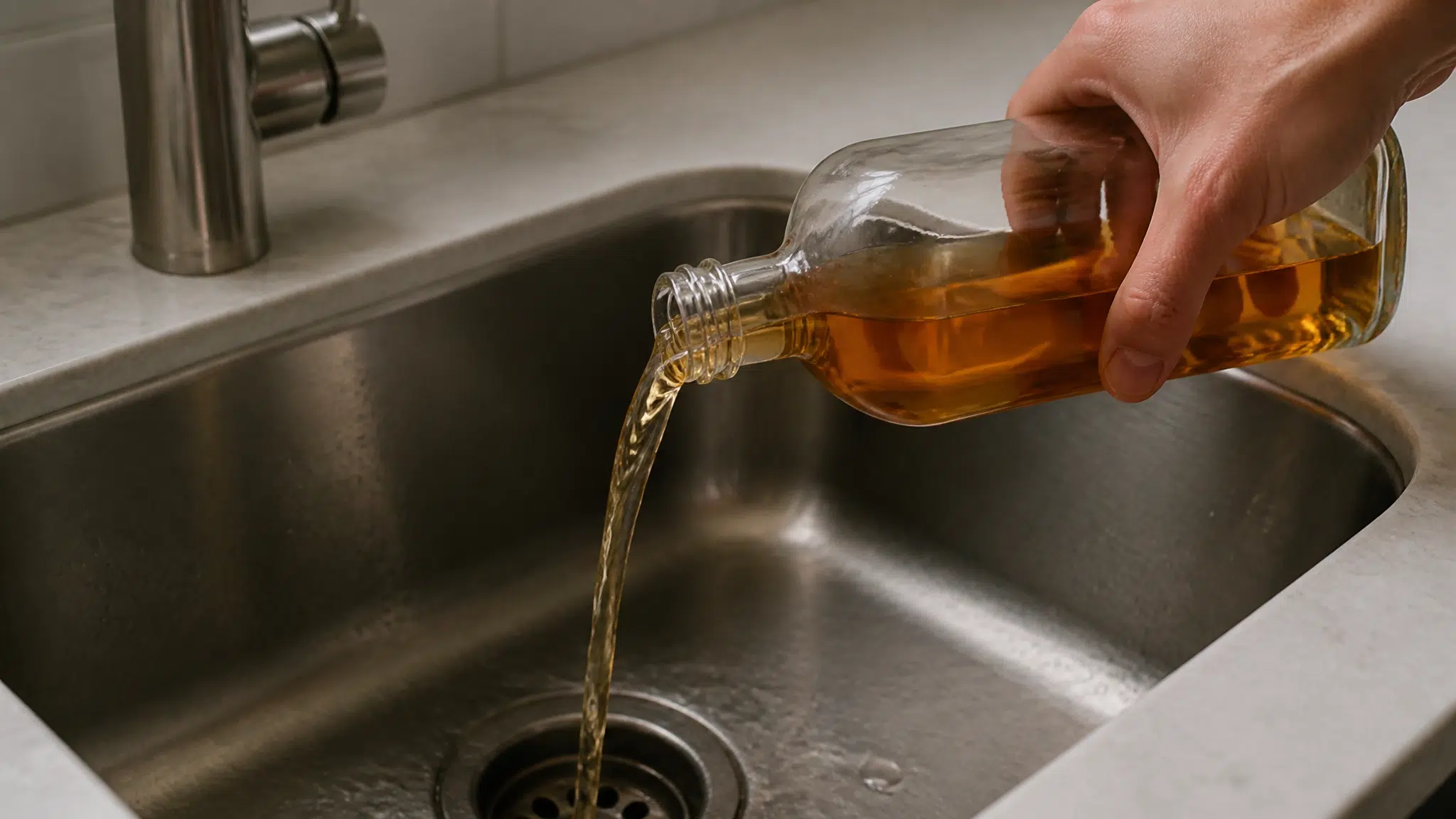
When you stop drinking alcohol, your body begins clearing it within about 24 hours, but the full recovery process can unfold over days to weeks. What happens when you stop drinking alcohol depends heavily on your drinking history, dependence level, and overall health. Early changes, including anxiety, headaches, tremors, nausea, sweating, and insomnia, can begin within 6 to 12 hours. Symptoms often peak between 24 and 72 hours after your last drink. Strategies for long-term sobriety involve not just overcoming physical dependency but also addressing the psychological aspects of addiction. Establishing healthy routines and coping mechanisms are essential components of a sustainable recovery journey.
What happens if you stop drinking varies because heavy or dependent use raises the risk of complicated withdrawal, including hallucinations, seizures, and delirium tremens, which are medical emergencies. What to do when you quit drinking matters: if you’ve been drinking heavily, seek medical monitoring, since severe withdrawal requires clinical supervision to manage potentially life-threatening complications. Support for quitting alcohol can greatly enhance your chances of long-term success. Many individuals find that engaging in support groups or counseling can provide the necessary encouragement and accountability.
What Happens if You Stop Drinking After Physical Dependence Has Developed
Withdrawal unfolds along a predictable timeline once physical dependence has developed. Within 6, 12 hours, you’ll likely notice anxiety, headaches, tremors, nausea, sweating, and insomnia. These often intensify, peaking between 24 and 72 hours after your last drink.
If your dependence is significant, your risks escalate. Hallucinations can begin at 12 to 24 hours. Your seizure risk peaks at 24 to 48 hours, while delirium tremens, a medical emergency, becomes most likely at 48 to 72 hours. These severe complications require immediate medical monitoring.
The heavier and more dependent your drinking, the greater your chance of complicated withdrawal. Your acute phase typically improves after the first several days, though some symptoms persist longer. Given these risks, you shouldn’t stop abruptly without medical supervision if you’re physically dependent. Barriers to stopping alcohol use can include psychological dependence and social pressures that encourage continued drinking. It is essential to identify and address these barriers to create a more supportive environment for recovery.
When Do Alcohol Withdrawal Symptoms Require Urgent Medical Care

Alcohol withdrawal symptoms require urgent medical care when you develop hallucinations, seizures, or delirium tremens. These symptoms signal a medical emergency and demand immediate care rather than watchful waiting. Hallucinations can begin 12 to 24 hours after your last drink, while seizure risk peaks between 24 and 48 hours. Delirium tremens, the most dangerous complication, is most likely during the 48 to 72 hour window and can be life-threatening. Watch for severe confusion, agitation, high fever, rapid heart rate, profuse sweating, and marked tremor. These signs reflect autonomic instability that requires monitored treatment. If you’ve been drinking heavily or are physically dependent, your complicated-withdrawal risk rises, so don’t attempt to manage severe symptoms alone. Seek emergency care immediately, since prompt intervention reduces mortality and prevents progression to critical instability.
How Do Sleep, Mood, Energy, and Concentration Change Across Early Recovery
Sleep often gets worse before it gets better because your brain and nervous system are adjusting after alcohol removal, so sleep frequently worsens at first. Within about one week, many people notice better sleep, with reduced nighttime waking and less fragmentation. As sleep quality and hydration improve, energy typically rises and daytime alertness follows.
Mood and cognition shift on their own timeline. Expect mood swings, irritability, anxiety, and cravings during early recovery, and mental clarity and coordination often improve after the first few days.
| Domain | Typical Early Change |
|---|---|
| Sleep | Worsens first, improves in ~1 week |
| Energy | Rises as sleep and hydration improve |
| Focus | Stabilizes as inflammation eases |
Some anxiety, low mood, and sleep disruption may persist for weeks to months.
Which Alcohol-Related Health Problems May Improve With Sustained Abstinence

Several alcohol-related conditions begin measurable recovery on staggered timelines once you sustain abstinence beyond the acute withdrawal phase. Your blood pressure may improve within 2, 4 weeks, while insulin sensitivity rises and blood sugar control stabilizes over the same period. Triglycerides fall as alcohol intake and metabolic stress decline. Weight often decreases, since you’re no longer adding alcohol calories or driving overeating. Liver fat begins decreasing within weeks, and liver inflammation continues declining over months of abstinence. Your digestion improves, with less heartburn, bloating, and stomach upset, and nutrient absorption recovers, including B vitamins, folic acid, and zinc. Longer-term, sustained abstinence lowers your risk of liver disease and correlates with better cardiovascular and cancer-related outcomes. These gains compound as abstinence extends across weeks and months.
Why Can Cravings Continue After Alcohol Has Left the Body
Cravings continue after alcohol has left the body because your brain and nervous system are still adjusting. Even after alcohol clears your system within about 24 hours, cravings can persist. Alcohol reshapes neural signaling, and those changes don’t reverse when the substance leaves. Your recovery continues for days to weeks, and cravings often accompany the mood swings, irritability, and anxiety typical of early recovery.
- Neuroadaptation: Your brain adapted to regular alcohol exposure, so reward and stress circuits stay dysregulated after the drug is gone.
- Protracted withdrawal: Anxiety, low mood, and sleep problems can persist for weeks to months, sustaining cravings.
- Triggers: Environmental cues, stress, and poor sleep can reactivate cravings even when withdrawal has eased.
Understanding these mechanisms helps you anticipate cravings and manage them without relapse.
Why Can Early Recovery Feel Uneven From Day to Day
Early recovery feels uneven from day to day because your nervous system is still recalibrating, so symptoms can shift hour to hour. One day you might feel clear and energetic; the next, anxiety, irritability, or fatigue can resurface. This variability reflects ongoing adjustments in sleep architecture, neurotransmitter balance, and inflammation, all of which improve unevenly rather than uniformly. Sleep often worsens first before consolidating within about a week, and mood can swing as your brain restabilizes. Hydration, nutrition, and stress levels also influence how each day feels. These fluctuations are expected, not signs of failure. As sleep quality improves and inflammation declines over days to weeks, your daily experience typically becomes steadier and more predictable.
How Can Ongoing Support Reduce the Risk of Returning to Drinking
Ongoing support reduces the risk of returning to drinking by stabilizing you through the fluctuations that make early recovery dangerous. Early recovery brings mood swings, cravings, anxiety, and disrupted sleep, and these fluctuations raise your risk of returning to drinking. Sustained support stabilizes you through protracted withdrawal, when low mood and sleep problems can persist for weeks to months. It also provides medical monitoring if you’ve had heavy or dependent drinking, reducing the chance of complicated withdrawal.
Early recovery is unsteady by nature, ongoing support stabilizes you through the mood swings, cravings, and sleep disruptions that raise relapse risk.
Effective support reinforces your progress in three ways:
- Accountability, which helps you manage cravings and identify triggers before they escalate.
- Medical oversight, which addresses persistent anxiety, insomnia, or protracted symptoms with evidence-based interventions.
- Peer connection, which normalizes uneven days and sustains motivation.
Together, these reduce relapse risk and consolidate your long-term health gains.
See What Recovery From Alcohol Can Look Like
Changes Treatment Center in Costa Mesa provides treatment for alcohol use disorder and other substance use disorders through Partial Hospitalization (PHP), Intensive Outpatient (IOP), individual and group therapy, psychiatric support, medication management, and treatment for co-occurring mental health concerns. If you are thinking about stopping alcohol but are concerned about withdrawal, cravings, or maintaining recovery afterward, treatment can provide medical and behavioral support based on your needs. Call (949) 807-2008 to speak with the admissions team about available treatment options.
Frequently Asked Questions
Can I Safely Detox From Alcohol at Home Alone?
It depends on your drinking history. If you’re a heavy or dependent drinker, detoxing alone isn’t safe, you’re at risk for seizures, which peak at 24 to 48 hours, and delirium tremens, which peak at 48 to 72 hours. These are medical emergencies. Watch for hallucinations, tremors, or confusion. You’ll need medical monitoring. If you drink lightly, symptoms may stay mild, but you should still consult a clinician before stopping to assess your risk.
Are Medications Available to Help With Alcohol Withdrawal or Cravings?
Yes, medications can help. Clinicians commonly prescribe benzodiazepines to manage acute withdrawal, reducing seizure and delirium tremens risk during the high-risk 24 to 72 hour window. For ongoing cravings and relapse prevention, you might receive naltrexone, acamprosate, or disulfiram. Because complicated withdrawal can be life-threatening, don’t self-medicate, get a medical evaluation first. A clinician will assess your dependence severity, monitor symptoms, and tailor the regimen to your needs, adjusting doses safely throughout.
How Much Money Can I Save by Quitting Alcohol?
Your savings depend on your baseline consumption and local prices. Calculate it directly: multiply your average drinks per week by your typical cost per drink, then multiply by 52 for an annual figure. If you spend $50 weekly, you’ll save roughly $2,600 per year. Factor in additional indirect costs too, bar tabs, ride-shares, and dining out. You’ll likely find your true savings exceed the raw beverage expense once you account for everything.
Will My Skin and Appearance Improve After Quitting Drinking?
Yes, you’ll likely notice skin and appearance improvements after quitting. As hydration improves, you’ll see less dryness and puffiness, since alcohol’s diuretic effect drives fluid loss. Reduced inflammation can decrease facial redness and flushing over weeks. Better sleep supports skin repair and reduces under-eye darkness. Improved nutrient absorption, including B vitamins and zinc, aids skin health. As liver function recovers, you may notice clearer, more even-toned skin over time.
Can I Drink Alcohol Again in Moderation After Stopping?
Whether you can safely return to moderate drinking depends on your individual risk profile. If you’ve had dependent or heavy drinking, resuming alcohol raises your relapse risk and can quickly re-escalate consumption, so abstinence is often the safer choice. If your drinking was light and you didn’t experience withdrawal, moderate intake may be lower-risk. You’ll want to consult your clinician, since medical history and health goals guide this decision.