



After you leave treatment, your recovery faces its toughest test, up to 60% of people relapse within the first 30 days without structured support. That’s why aftercare isn’t optional; it’s essential. A strong aftercare plan includes ongoing therapy, relapse prevention strategies, sober living options, and a reliable support network. By engaging in aftercare for at least 90 days, you’ll greatly reduce your relapse risk. Below, you’ll find exactly what that plan should look like.
Why Aftercare Is Critical for Long-Term Recovery
When you complete a formal treatment program, you’ve reached an important milestone, but the journey doesn’t end there. Research shows that 40, 60 percent of individuals relapse within the first 30 days after treatment, making this change one of the most vulnerable periods you’ll face. understanding what to do after I relapsed is crucial for maintaining your progress. It’s important to reach out for support, whether it be from a therapist, a support group, or trusted friends. Developing a plan that includes healthy coping strategies can help you navigate through the challenges of recovery.
Without structured follow-up, you’re maneuvering through high-risk environments, emotional triggers, and daily stressors alone. A solid relapse prevention plan helps you identify specific threats to your sobriety and take concrete action before a setback occurs. Recognizing emotional relapse warning signs, like isolation, anxiety, or neglecting self-care, gives you the opportunity to intervene early.
Engaging in aftercare for 90 days or more greatly reduces your relapse risk, reinforcing that recovery isn’t a destination. It’s an ongoing, active process. Aftercare also connects you with a compassionate support network of peers, mentors, and professionals who help you stay accountable and resilient through every stage of your recovery.
Types of Aftercare Programs After Treatment
Sober living homes provide substance-free housing that bridges treatment and everyday life, encouraging employment and continued therapy. Alumni programs keep you connected to your treatment community through follow-up support groups. Additionally, 12-step meetings and peer networks strengthen your relapse prevention recovery by building the accountability and connection that sustain long-term sobriety beyond formal treatment.
What a Strong Aftercare Plan Actually Includes
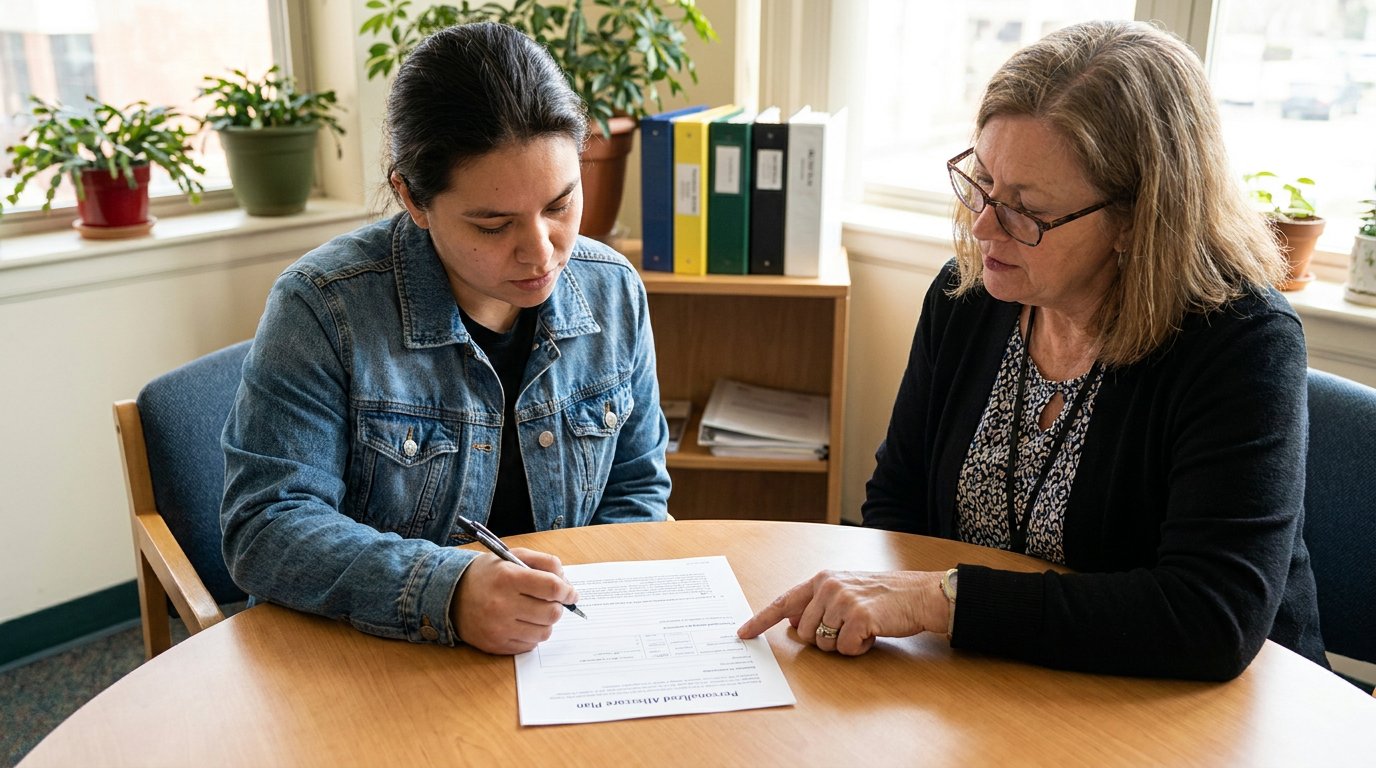
A strong aftercare plan starts with a tailored assessment of your physical health, mental health, living situation, and social connections. From there, you’ll set SMART goals covering substance-free milestones, housing stability, employment, and support network growth.
Your plan should include ongoing therapy, whether CBT, DBT, or motivational interviewing, to address co-occurring disorders and unresolved trauma. Recognizing relapse triggers gets mapped out before discharge so you’re never caught off guard. Journaling emotional responses helps build a concrete record of personal triggers during treatment, creating a future reference guide you can rely on long after you leave. Peer support, wellness routines, and medication management round out the foundation.
Critically, early relapse intervention strategies, crisis hotlines, on-call therapists, and structured follow-up lasting 90 days or more, guarantee you’re never maneuvering through high-risk moments alone.
Aftercare Relapse Prevention Strategies That Last
Lasting recovery depends not on willpower alone but on the daily, deliberate practice of strategies that protect your sobriety long after treatment ends. Understanding the relapse stages, emotional, mental, and physical, helps you recognize warning signs early and intervene before a full return to use.
Learning how to avoid relapse means building concrete skills: identifying your personal triggers, practicing mindfulness to manage cravings, and maintaining structure through planned daily activities. CBT techniques help you reframe destructive thought patterns, while regular exercise and self-care routines stabilize your emotional baseline.
You’ll also need to hone these skills outside therapy, journaling your thoughts, rehearsing refusal strategies, and calling your support network when pressure builds. Each deliberate action reinforces the recovery you’ve worked to build.
Building a Support Network That Keeps You Accountable
Even the strongest personal strategies can fall short without the people around you to reinforce them. Social isolation remains one of the leading risk factors for relapse, and research shows that individuals with at least three consistent sober supports maintain recovery at markedly higher rates.
Your network should include multiple layers, recovery peers, therapists, sponsors, and trusted family members who understand your sobriety warning signs. These people help you catch warning signs of relapse early, before a lapse becomes a crisis.
Start by identifying three reliable contacts you can reach during high-risk moments. Attend alumni gatherings, join mutual support groups, and educate your inner circle on what’s helpful versus harmful. Quality connections built on honesty will always outweigh quantity.
Call Now and Find the Support You Need
Healing starts the moment you choose to reach out you don’t have to walk this path alone. At Changes Treatment Center in Costa Mesa, CA, our Aftercare & Support Groups program stands beside you as you rebuild stability, rediscover your strength, and move forward with hope. Call (949) 807-2008 today and take the first step toward lasting change.
Frequently Asked Questions
How Long Should Someone Actively Participate in Aftercare Programs After Treatment?
You should actively participate in aftercare for at least one year, though many people benefit from ongoing engagement well beyond that. Research shows that 90-day completion nearly doubles your chances of sustained sobriety, and 12-month structured care greatly outperforms shorter timelines. There’s no fixed endpoint, your needs, progress, and relapse risk guide the duration. The longer you stay connected, the stronger your recovery becomes. You’re worth that commitment.
Can Aftercare Programs Be Adjusted if My Recovery Needs Change Over Time?
Absolutely, your aftercare plan should evolve as your recovery does. Therapists regularly monitor your progress, identify new triggers, and adjust your support accordingly. Whether you’re managing a job change, relationship shifts, or emerging mental health needs, your team will revisit and revise your plan. You’ll find flexible options like teletherapy, adjusted session schedules, and varying levels of care, all tailored to where you are right now in your journey.
What Happens if I Relapse While Currently Enrolled in an Aftercare Program?
If you relapse while enrolled in aftercare, your team will immediately step in to adjust your recovery plan. They’ll help you identify what triggered the setback and strengthen your coping strategies. Depending on the severity, you might step up to a more intensive level of care, such as outpatient or inpatient treatment. A relapse doesn’t erase your progress, it’s a signal to recalibrate, not a reason to give up.
Does Insurance Typically Cover the Cost of Aftercare Services After Treatment?
Yes, many insurance plans do cover aftercare services. Medicaid, Medicare, and TRICARE typically cover therapy, intensive outpatient programs, and medication management. Private insurance often covers similar services, though your specific coverage depends on your policy details and provider network. You’ll likely need proof of medical necessity and a doctor’s recommendation. Keep in mind that plans may limit coverage duration, so it’s important you verify your benefits early to plan accordingly.
How Soon After Completing Treatment Should Aftercare Programming Officially Begin?
Aftercare should begin immediately, ideally, it’s already in motion before you even complete treatment. Your clinical team starts building your aftercare plan from the earliest days of care, so there’s no gap when you shift out. This matters because 40, 60% of people relapse within 30 days without that seamless bridge. You deserve continuous support, and starting right away gives your recovery the strongest possible foundation.