





Cooking is a powerful tool in addiction recovery because it strengthens the same skills you’re rebuilding, patience, focus, and decision-making, while nourishing your body with nutrients depleted by substance use. It fills idle time productively, keeps you grounded in the present moment, and helps you manage cravings through mindfulness. You’ll also build confidence, independence, and meaningful connections when you cook alongside others. Below, you’ll discover exactly how these benefits work together to support your lasting recovery.
Why Recovery and Cooking Demand the Same Skills
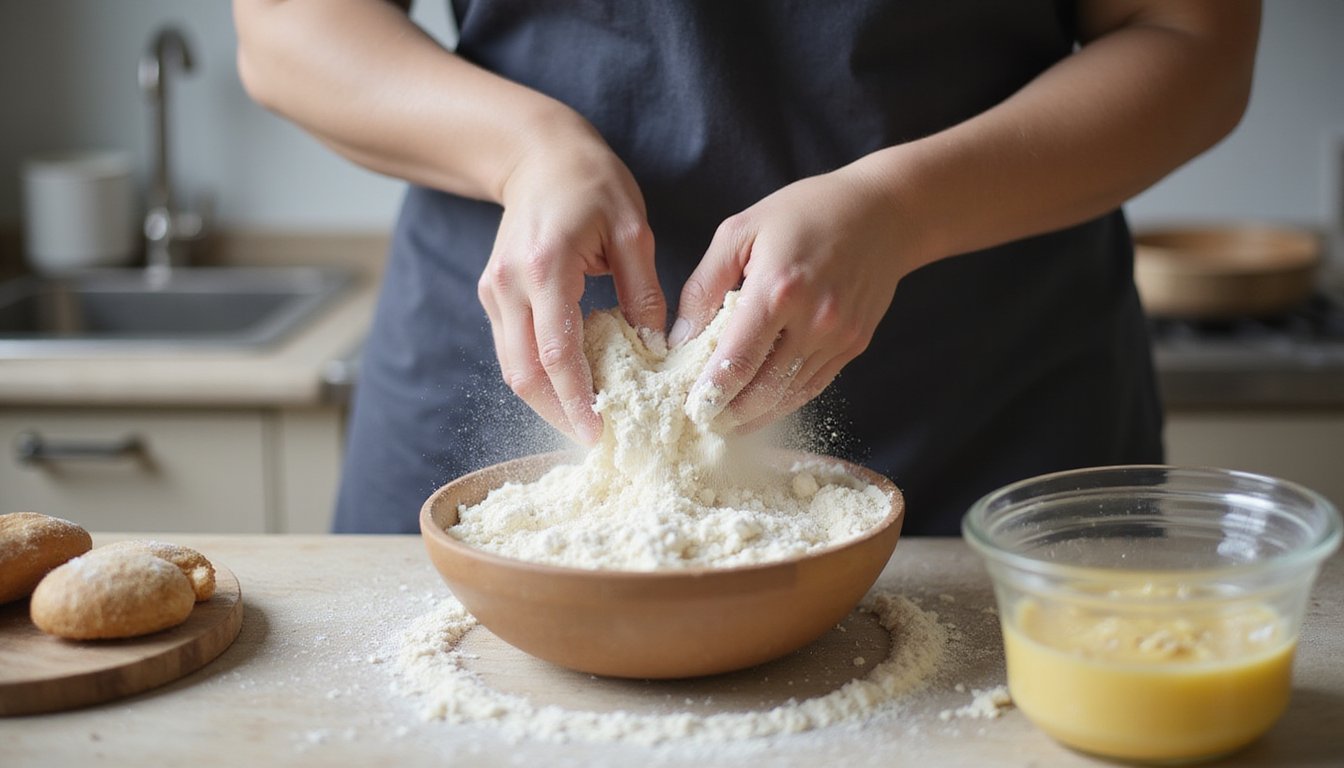
When you’re chopping vegetables, measuring spices, or timing a dish on the stove, you’re exercising the same mental muscles that recovery asks you to strengthen every day, focus, patience, problem-solving, and the ability to follow through on a plan.
That’s why cooking fits naturally into experiential addiction treatment. Measuring ingredients rebuilds the attention and cognitive function that substance use impaired. Following a recipe step by step strengthens executive function, the same decision-making pathways targeted in therapy. You’re organizing tasks, managing time, and adapting when something doesn’t go as expected.
These aren’t abstract exercises. They’re practical skills you’ll carry into every area of your life, from managing daily responsibilities to maneuvering the real challenges that sustained sobriety demands of you. The focused engagement required in cooking also promotes mindfulness and reduces anxiety, helping you stay grounded as you build a stronger foundation for recovery.
How Cooking Heals Your Body After Substance Use
When you cook your own meals, you take direct control over the nutrients your body desperately needs to recover, replacing the deficiencies that substance use left behind. Every ingredient you choose, from omega-3-rich salmon to antioxidant-packed berries, actively repairs cellular damage, stabilizes your mood, and rebuilds the organs that addiction compromised. You’re not just feeding yourself; you’re giving your body the precise fuel it needs to heal from the inside out. By consistently choosing whole, nutritious foods, you can reduce risks of serious health conditions that may have been worsened by prolonged substance abuse.
Nutrient-Rich Meal Control
Because long-term substance use disrupts eating patterns and impairs digestion, your body often can’t absorb the nutrients it desperately needs, leaving you deficient in critical compounds like folic acid, omega-3 fatty acids, and vitamin C that keep your brain and body functioning well. That’s why nutrient-rich meal control matters so much, it puts healing directly in your hands. These essential vitamins and minerals also strengthen the immune system, which is often severely compromised after prolonged substance abuse.
When you cook your own meals, you’re practicing activity-based recovery while nourishing yourself intentionally. Focus on these essentials:
- Lean proteins like chicken, fish, and legumes to support neurotransmitter production and cell repair.
- Complex carbohydrates such as oats, quinoa, and brown rice to stabilize blood sugar and reduce cravings.
- Healthy fats from avocados, nuts, and olive oil to promote brain healing.
- Colorful fruits and vegetables for antioxidants that repair substance-damaged cells.
Restoring Physical Health
Stepping into the kitchen after substance use does more than fill your plate, it jumpstart’s your body’s healing process in ways you might not expect. Prepping meals rebuilds coordination and motor control that substance use may have compromised. Each chop, stir, and plate-up sharpens your physical handling skills and strengthens posture control.
Beyond movement, what you’re actually eating matters tremendously. Research shows cooking interventions yield favorable changes in dietary fat and fiber intake, directly supporting your body’s restoration. You’ll naturally consume more fruits and vegetables, lower your body fat percentage, and reduce dietary sodium, all critical for physical recovery.
Daily meal preparation isn’t just a task; it’s an active investment in rebuilding your physical independence and long-term well-being.
Reducing Substance Damage
Substance use strips your body of essential nutrients, but every meal you cook becomes a deliberate step toward reversing that damage. You’re not just feeding yourself, you’re actively rebuilding what addiction broke down. Through mindful ingredient choices, you’ll counteract years of nutritional neglect and support your body’s natural healing processes. nutrition for addiction recovery plays a vital role in this journey, as it emphasizes the importance of incorporating nutrient-dense foods into your daily meals. By prioritizing whole grains, lean proteins, and a colorful array of fruits and vegetables, you provide your body with the necessary tools to heal and thrive. This intentional focus on nutrition not only aids physical recovery but also enhances mental clarity and emotional resilience, helping to establish a stronger foundation for your future.
Here’s what cooking does for your recovery:
- Replenishes depleted nutrients that restore neurotransmitter production and steady your energy levels through complex carbohydrates and quality proteins.
- Strengthens your immune system by consistently fueling your body with nutrient-rich whole foods.
- Supports cognitive healing by sharpening focus, memory, and concentration weakened during active addiction.
- Regulates your body’s rhythms through balanced, portion-controlled meals that replace destructive eating patterns.
How Cooking in Recovery Fights Relapse and Withdrawal
When you’re maneuvering the fragile early stages of recovery, idle time and unstructured days can quietly become your biggest threats. Cooking requires attention that staves off boredom leading to relapse, giving you a purposeful anchor throughout the day. As a form of creative therapy recovery programs increasingly embrace, it builds structure while nourishing your body against withdrawal symptoms. Many individuals find that holistic addiction treatment centers offer a comprehensive approach to recovery, emphasizing the importance of both mental and physical well-being. By incorporating activities like cooking and nutritional education, these centers help create a balanced routine that supports lasting sobriety. This multifaceted strategy enhances the healing process, allowing individuals to rebuild their lives with confidence and purpose.
| Challenge | How Cooking Helps |
|---|---|
| Idle time | Fills hours with focused, productive activity |
| Environmental triggers | Keeps you home, away from alcohol-serving venues |
| Poor nutrition | Restores nutrients stabilizing mood and cognition |
| Cravings | Activates mindfulness, engaging your prefrontal cortex |
| Loss of routine | Meal planning creates predictable daily rhythms |
You’re replacing destructive patterns with life-sustaining ones.
Why Cooking Together Builds Trust in Recovery
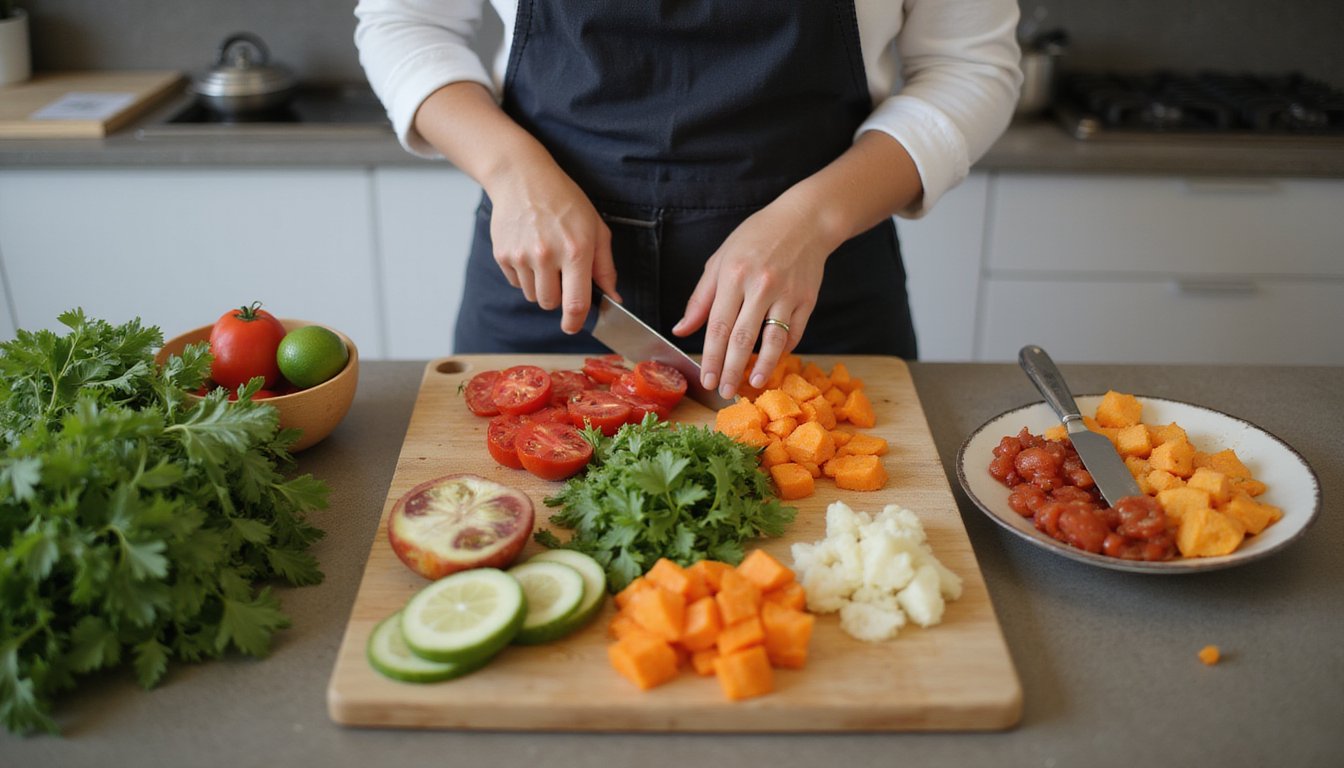
Trust doesn’t rebuild through promises alone, it grows through shared action. When you cook alongside family, friends, or peers in recovery, you’re demonstrating reliability through tangible, consistent effort. This form of experiential therapy rehab creates low-pressure opportunities to prove you can follow through on commitments. In addition to shared activities, incorporating coaching techniques for addiction recovery can significantly enhance the healing process. By focusing on personalized strategies, individuals in recovery can learn to address triggers and develop healthier coping mechanisms. Together, these practices foster a supportive environment where trust can flourish and resilience is built.
Collaborative cooking strengthens relationships by fostering:
- Mutual accountability, sharing kitchen responsibilities shows loved ones you’re dependable and capable
- Emotional reconnection, preparing meals together replaces confrontation with nurturing interaction
- Peer support, cooking with others on similar journeys builds camaraderie and motivation
- Collective achievement, completing a meal together reinforces positive group identity and belonging
You’re not just making dinner, you’re rebuilding connections that addiction fractured.
How Cooking Builds Independence for Life After Rehab
Life after rehab demands more than sobriety, it requires the practical ability to take care of yourself day after day. When you learn to prep meals, budget groceries, and nourish your body intentionally, you’re building autonomy that carries you forward. Cooking achievements counter self-loathing from guilt and shame in addiction history, replacing old narratives with proof of your capability.
| Skill Developed | Daily Impact | Long-Term Benefit |
|---|---|---|
| Meal prepping | Consistent nutrition | Physical recovery |
| Grocery budgeting | Financial stability | Self-sufficiency |
| Recipe problem-solving | Confidence in decisions | Resilience |
You’re not just making dinner, you’re practicing independence. Each meal you create reinforces that you can handle real-world challenges without relying on substances or others.
Recovery Cooking Programs You Can Start Today
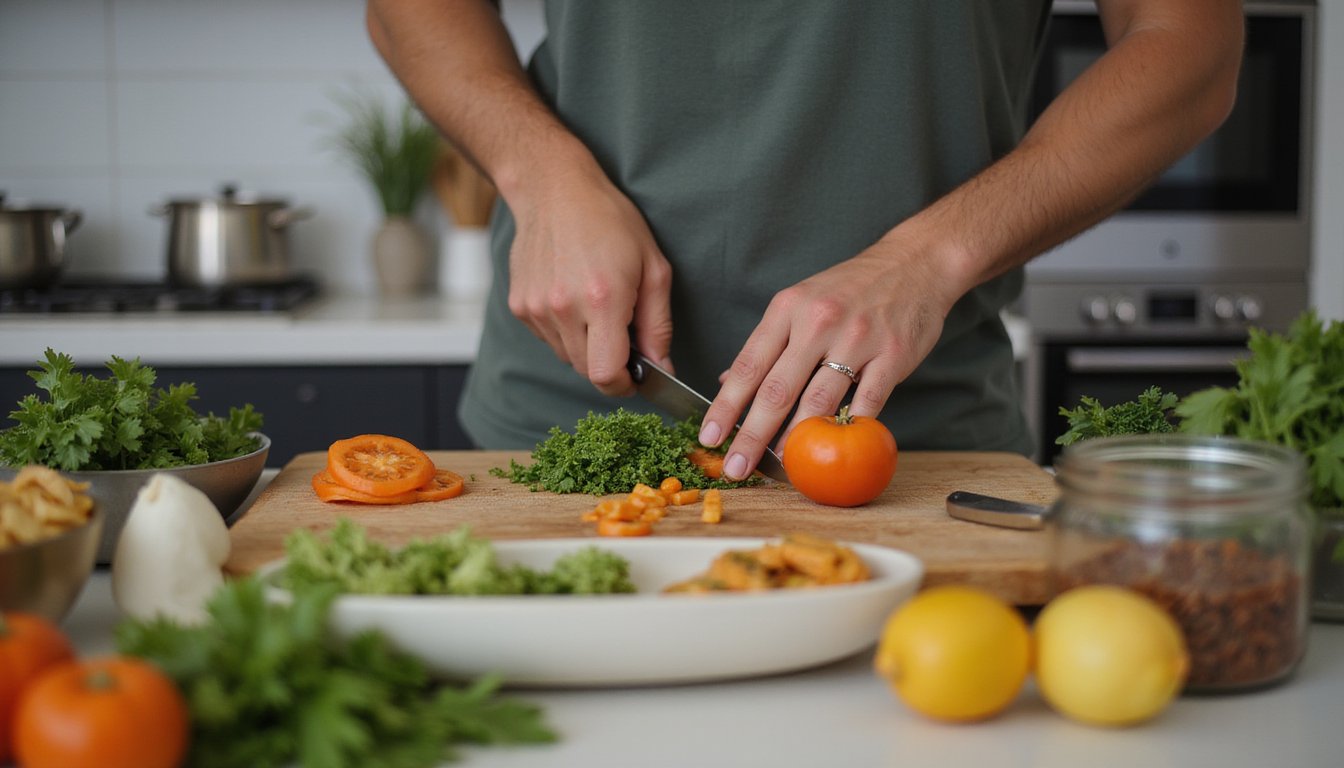
Whether you’re looking to build confidence in your own kitchen or thrive in a supportive group setting, there’s a recovery cooking path that fits where you are right now. Home cooking challenges give you a structured way to practice new skills at your own pace, turning each small meal into a meaningful win. Group classes, on the other hand, offer the connection and accountability that make recovery stronger, because healing happens best when you don’t have to do it alone.
Home Cooking Challenges
Because recovery thrives on structure and small wins, a home cooking challenge can become one of the most practical tools in your daily toolkit. Much like adventure therapy addiction programs that push you beyond comfort zones, home cooking challenges channel that same energy into your kitchen, building confidence one meal at a time.
Try starting with a simple weekly format:
- Week one: Master three basic recipes using whole, nutrient-dense ingredients.
- Week two: Plan and prep meals for the entire week on a budget.
- Week three: Cook one unfamiliar cuisine to expand your palate and skills.
- Week four: Prepare a meal to share with someone you care about.
Each completed challenge reinforces self-efficacy, creating momentum that carries directly into your broader recovery.
Group Class Options
One of the most powerful steps you can take in recovery is moving from cooking alone to cooking alongside others. Group cooking classes build connection, accountability, and shared joy, replacing old social rituals with nourishing ones. In South Florida, you’ve got real options available right now.
Cozymeal offers in-person classes with award-winning chefs across Fort Lauderdale, while Taste Buds Kitchen in Miami lets you browse menus and sign up instantly. Miami Dade College’s culinary programs provide hands-on professional training open to community enrollment.
Much like outdoor therapy supports sobriety through nature-based engagement, group cooking grounds you in sensory, present-moment experience. You’re building skills, feeding yourself well, and creating positive memories, together. That’s recovery in action.
Reach Out Today and Reclaim Your Life
Real change becomes possible the moment you choose to ask for help and the right team makes all the difference in what comes next. At Changes Treatment Center in Costa Mesa, CA, our Cooking for Recovery program is shaped around your individual path, supporting you as you create lasting stability, reconnect with your inner strength, and step ahead with new hope. Call (949) 807-2008 today and take the first step toward lasting change.
Frequently Asked Questions
Can Cooking Therapy Work for People Who Have Never Cooked Before?
Yes, you absolutely can benefit from cooking therapy without any prior experience. Programs like BMC Teaching Kitchen guide you through kitchen basics and safety, so you’ll build confidence one simple recipe at a time. You don’t need skills, just willingness. As you master basic meals, you’re also strengthening patience, focus, and self-discipline. You’re nourishing your body, restoring depleted nutrients, and creating healthy routines that directly support your recovery journey.
Is Cooking Therapy Effective for All Types of Substance Addictions?
Yes, cooking therapy can benefit you regardless of your specific addiction. Whether you’re recovering from alcohol, opioids, stimulants, or polysubstance use, the core benefits remain consistent, restoring depleted nutrients, rebuilding cognitive function, and creating meaningful social connections. Programs like BMC’s Cooking for Recovery successfully serve diverse populations without excluding any substance type. While research is still growing, there’s no evidence suggesting it’s ineffective for any particular addiction.
How Soon in Recovery Should Someone Start Learning to Cook?
You’ll benefit most from starting cooking lessons after completing residential treatment, typically around three months into sobriety. By then, your cognitive function‘s stabilized enough to handle sequential tasks and decision-making. Don’t worry about mastering complex recipes right away, begin with simple meals that build confidence and restore nutritional balance. This shift period’s actually ideal because you’re developing new routines that replace old triggers while you’ve still got professional support guiding you.
Are There Online Cooking Programs Specifically Designed for Addiction Recovery?
Yes, you’ll find programs built specifically for recovery. Boston Medical Center’s Cooking for Recovery classes let you cook along remotely, then share a meal together online, combining nutrition education with peer support. Red Oak Recovery blends culinary training with gardening and therapeutic nutrition, while the Hope House Culinary Program uses chef-led cooking therapy to strengthen self-efficacy and independence. You don’t have to do this alone, these programs meet you where you are.
Can Cooking Therapy Replace Traditional Counseling in Addiction Treatment Plans?
No, cooking therapy can’t replace traditional counseling, but it’s a powerful complement you shouldn’t overlook. While counseling addresses your core psychological needs, like trauma processing and relapse prevention, cooking therapy builds practical life skills, restores nutrition, and gives you hands-on coping strategies that talk therapy alone doesn’t provide. You’ll get the strongest results when you combine both approaches, letting each one strengthen different dimensions of your recovery journey.