


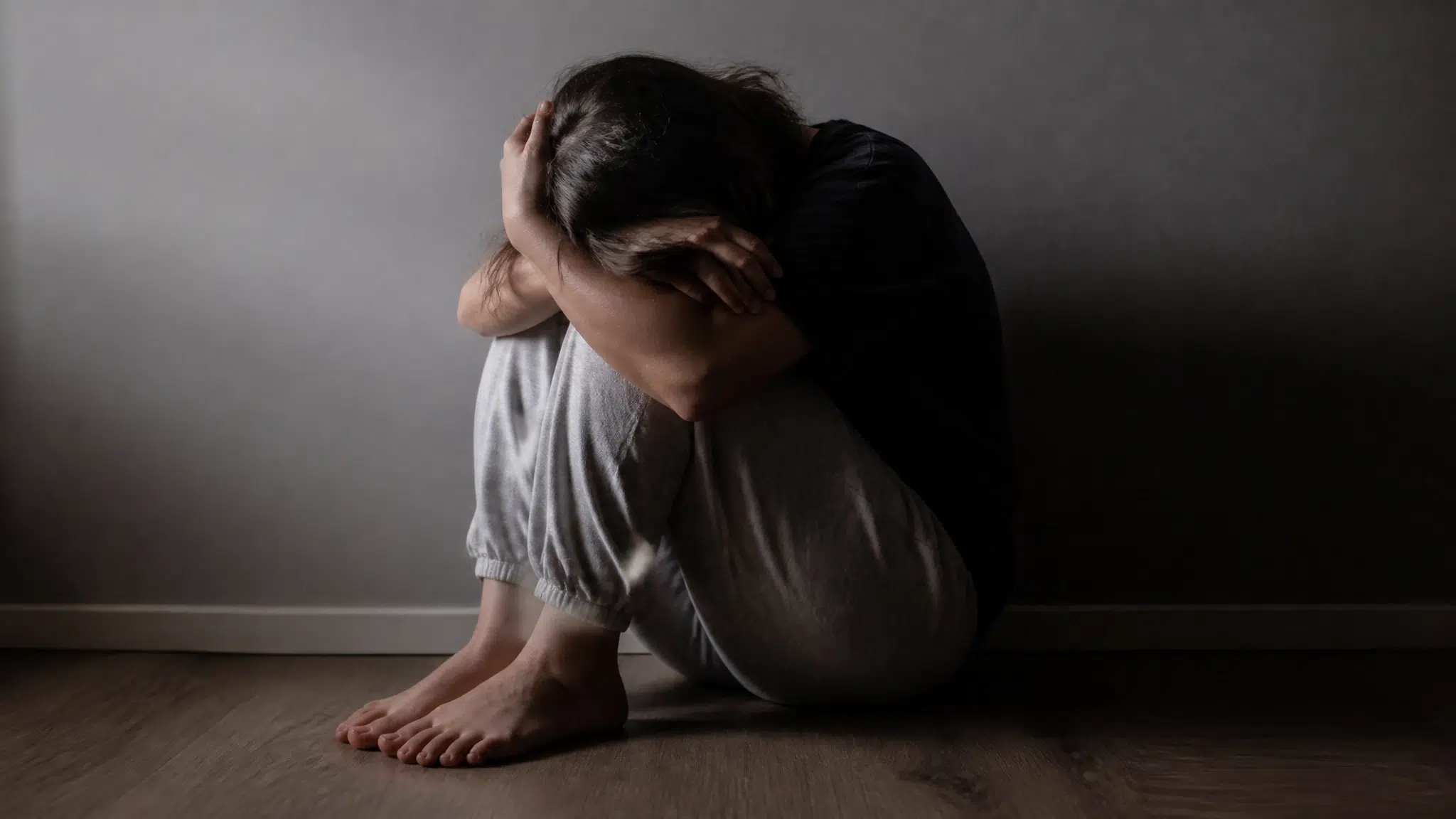
We tend to think the opposite of addiction is sobriety. Just stop using, and the problem is solved. But many people who have actually lived through recovery describe something different. What pulls people out of addiction isn’t only the absence of a substance, it’s the presence of something that addiction stripped away: connection. If you’ve heard the idea that the opposite of addiction is connection, it’s worth understanding where that comes from, because it changes how you think about what real recovery requires.
Where the Idea Comes From
This isn’t just a nice saying. It comes from a real shift in how people understand addiction. The phrase was made widely known by journalist Johann Hari in his 2015 TED Talk, which has been viewed millions of times, where he argued that the opposite of addiction isn’t sobriety, it’s human connection.
His argument drew on a well-known piece of research often called the “Rat Park” study. Earlier experiments had placed a single rat alone in a cage with plain water and drug-laced water, and the isolated rat would use the drug compulsively. But when researchers put rats in an enriched environment with space, activity, and other rats to bond with, they used dramatically less. The takeaway was striking. A big part of what drove the addiction wasn’t just the drug, it was the isolation. When there was connection, the pull of the substance faded.
It’s worth saying this is a perspective, not a complete explanation of something as complex as addiction. But it points at something a lot of people in recovery recognize instantly.
Why Connection Matters So Much in Recovery

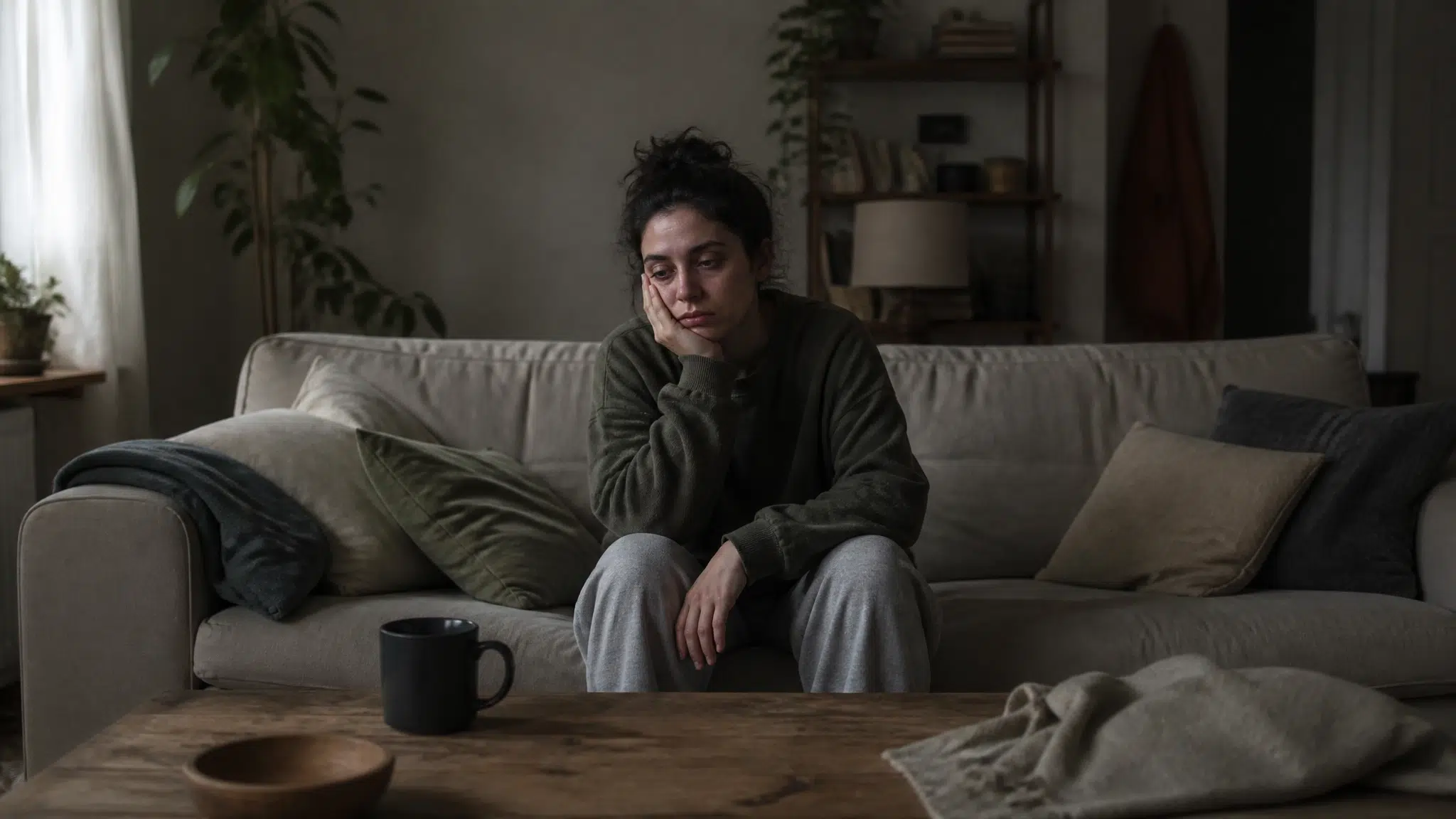
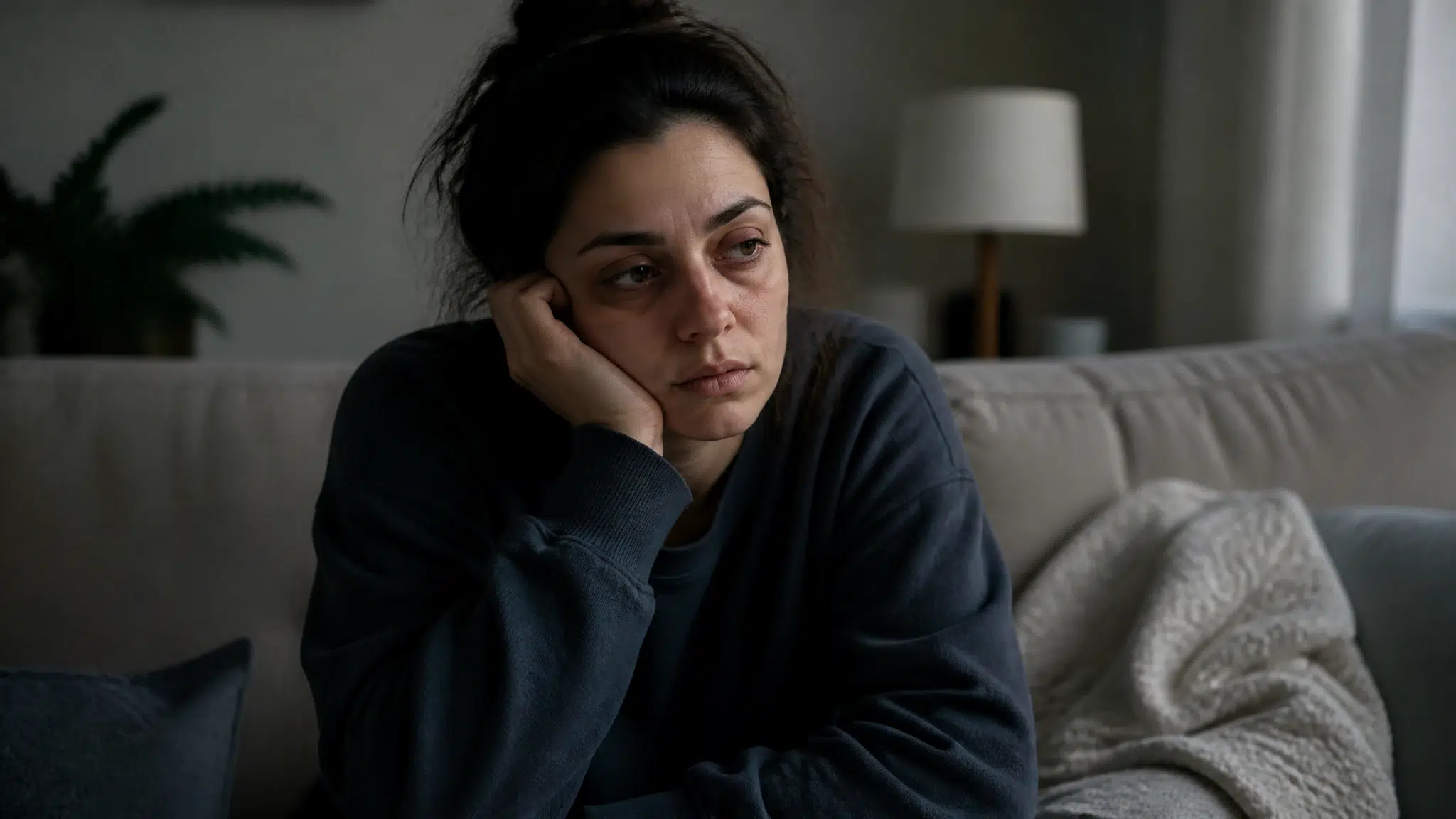
Addiction tends to be deeply isolating. It slowly narrows your world, damages your relationships, and can leave you feeling profoundly alone, even when you’re surrounded by people. Over time, the substance becomes the main relationship, and everything else falls away.
That’s why connection is so central to getting well. Recovery isn’t only about removing the substance. It’s about filling the space it leaves with something real, and for most people that something is other people. Feeling understood, supported, and genuinely connected reduces the pull toward escape, because you’re no longer trying to fill that void alone.
The opposite of addiction isn’t just sobriety. It’s connection, community, and relationships that remind you that you’re not alone.
Building Healthy Relationships in Recovery
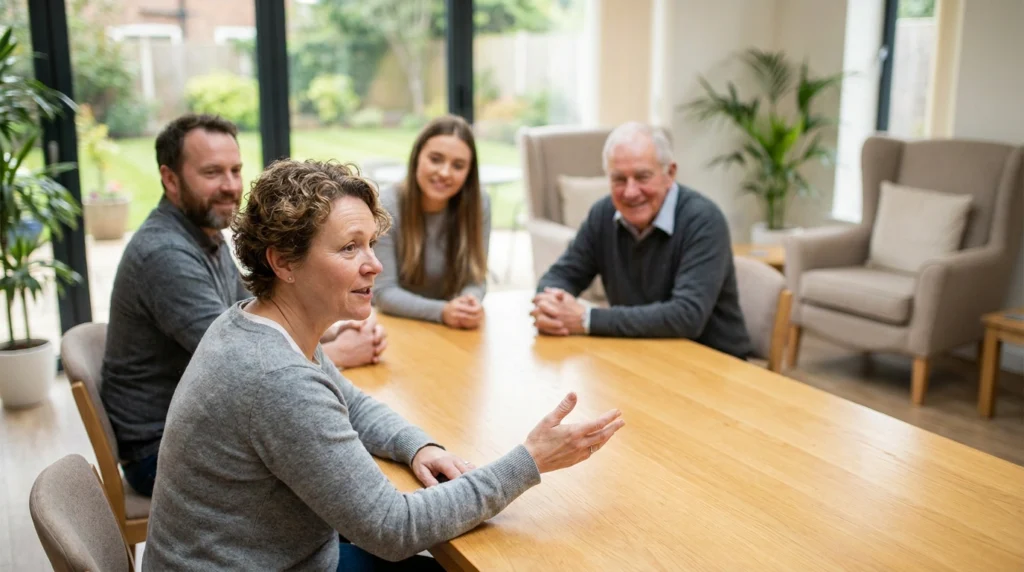
One of the most valuable things treatment offers isn’t only clinical care. It’s the chance to connect with people who understand exactly what you’re going through. There’s a particular kind of relief in being around others who get it, without having to explain or justify yourself.
Those connections do real work in recovery. They offer support on the hard days, accountability when you need it, and the simple, powerful reminder that you’re not the only one. The relationships built in recovery often become some of the most honest and lasting of a person’s life, precisely because they’re built on shared understanding and a common goal of staying well.
How Changes Helps You Connect
Building connection is at the heart of how we approach recovery. At Changes, we help you connect with like-minded individuals and build the kind of healthy, long-lasting relationships that make recovery stronger. A few of the ways that comes together:
- Group therapy where you connect with people who understand what recovery actually feels like.
- A built-in community of peers walking a similar path, so you’re not doing this alone.
- Individual therapy to work through what may have fueled the isolation in the first place.
- Access to a thriving recovery community that extends support well beyond the treatment day.
- Beyond Therapy programming to help you build connection, confidence, and a life worth staying present for.
Real, lasting relationships aren’t a side benefit of recovery. For many people, they’re one of the main things that make it possible.
Recovery Really Is Possible

If addiction has left you feeling isolated, know that it doesn’t have to stay that way. Connection can be rebuilt, community can be found, and the relationships you form in recovery can become a foundation for a life that feels genuinely worth living.
Countless people have gone through treatment and come out the other side with years of sobriety and a life fuller than they thought possible, and many of them describe going to treatment as one of the best decisions they ever made. You don’t have to do this alone, and you were never meant to.
Call Today and Build Connection in Recovery
If you’re ready to stop facing addiction in isolation, we’re here to help. At Changes Treatment Center, we help people connect with like-minded individuals and build healthy, lasting relationships in recovery through PHP, IOP, outpatient treatment, therapy, psychiatric care, and Beyond Therapy programming. Located in Costa Mesa, California. Call (949) 807-2008 today and start building connection on your recovery journey, with people who will support you through it.
Frequently Asked Questions
What does “the opposite of addiction is connection” mean?
It means that recovery is about more than just stopping substance use. The phrase, made popular by journalist Johann Hari, suggests that addiction is closely tied to isolation and disconnection, and that building genuine human connection is a powerful part of healing. When people feel supported and understood, the pull toward substances tends to lessen.
Where does the phrase come from?
It was popularized by Johann Hari in his 2015 TED Talk, which has been viewed millions of times. He drew on research often called the “Rat Park” study, which found that rats in isolated cages used drugs far more than rats in enriched, social environments, suggesting isolation plays a major role in addiction.
Why is connection important in addiction recovery?
Addiction is often isolating, damaging relationships and leaving people feeling alone. Connection helps fill the void the substance leaves behind, offering support, accountability, and understanding. For many people, relationships with others who understand their experience are one of the most important factors in staying well long-term.
How do I build healthy relationships in recovery?
Treatment settings like group therapy and recovery communities are a natural place to start, because they connect you with people who understand what you’re going through. Building these relationships takes time and effort, but the connections formed in recovery often become some of the most honest and lasting a person has.
How does Changes Treatment Center help build connection?
We help people connect with like-minded individuals and build healthy, long-lasting relationships in recovery. Through group therapy, a supportive peer community, individual therapy, and Beyond Therapy programming, we help you replace the isolation of addiction with genuine connection and support.