



Kratom is sold openly in gas stations, vape shops, and convenience stores, which makes it easy to assume it’s harmless. But being sold on a shelf next to the register doesn’t make something safe. Kratom acts on the same brain receptors as opioids, and for a growing number of people, what began as a natural pick-me-up has turned into a dependence that’s genuinely hard to break. If you’ve started to wonder whether kratom is really as safe as it seems, the recent data and the science behind it are worth understanding.
Just Because It’s Legal and Available Doesn’t Mean It’s Safe
Kratom’s easy availability has given it a reputation as a mild, natural product. And in its traditional leaf form, some people have used it for pain relief and mood for a long time. But the kratom on shelves today is a different and often far stronger story.
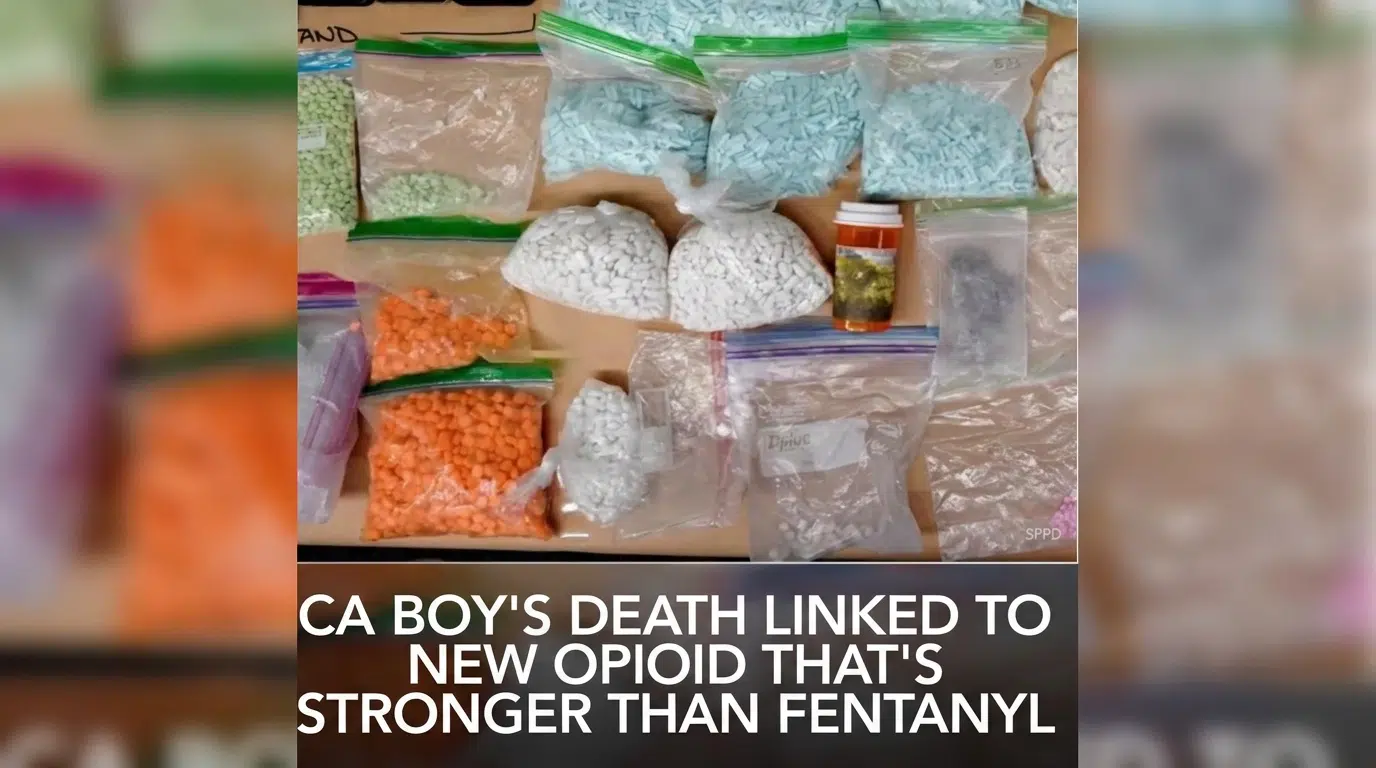
The market has shifted from natural leaf to concentrated, high-potency extracts, many of them largely unregulated. The FDA has warned for over a decade that kratom can cause serious problems, including liver disease, seizures, addiction, and death, and has gone as far as to say that the compounds in kratom mean it isn’t just a plant, it’s an opioid. That’s the part the gas-station shelf doesn’t tell you.
The Numbers Are Rising Fast
This isn’t a fringe concern. It’s a documented and rapidly growing public health issue.
A 2026 analysis reported by the CDC found that calls to U.S. poison centers involving kratom surged more than 1,200% over the past decade, climbing from 258 cases in 2015 to a record 3,434 in 2025. That steep rise came alongside spikes in serious outcomes, including liver toxicity, seizures, and severe withdrawal. The study also linked 233 deaths to kratom over that period, the majority involving other substances alongside it. One notable finding is that the sharpest recent increase was among adults aged 40 to 59, showing this isn’t only affecting the young.
Just because it’s sold in gas stations doesn’t mean it’s safe. The data is telling a very different story.
Why Kratom Is So Hard to Quit
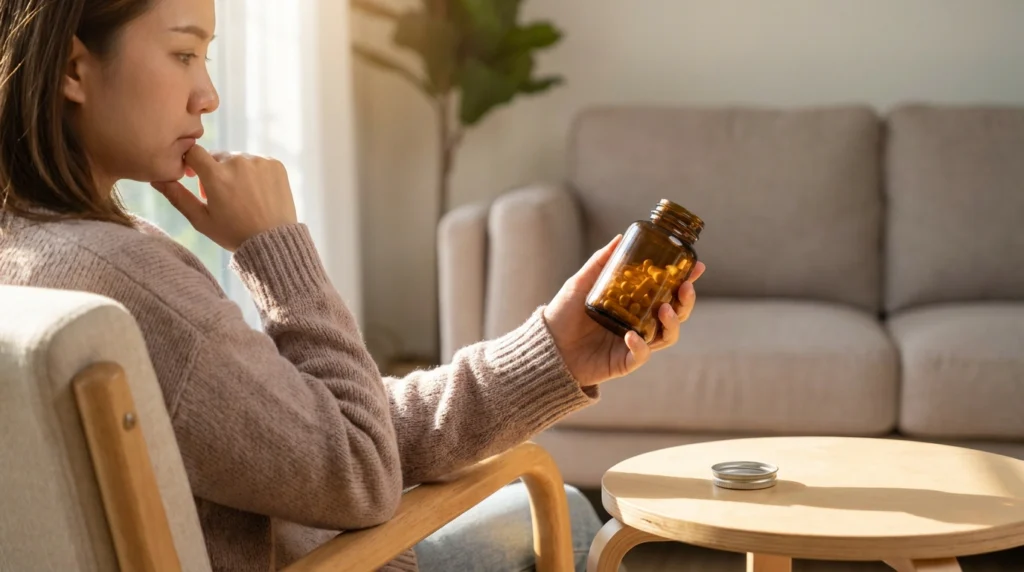
Here’s the key thing to understand if you’ve tried to stop and struggled. Kratom acts on the brain’s opioid receptors, the same ones targeted by drugs like heroin and oxycodone. That’s not a minor detail. It’s the reason quitting is so difficult.
Because it works on those receptors, regular use leads to tolerance, meaning you need more over time to get the same effect. Stop using, and the body responds with withdrawal, which can be severe. This is the same cycle that makes any opioid hard to walk away from, and willpower alone often isn’t enough to break it. That’s not a personal failing. It’s brain chemistry, and it’s exactly why professional support makes such a difference.
Signs Kratom May Be Becoming a Problem
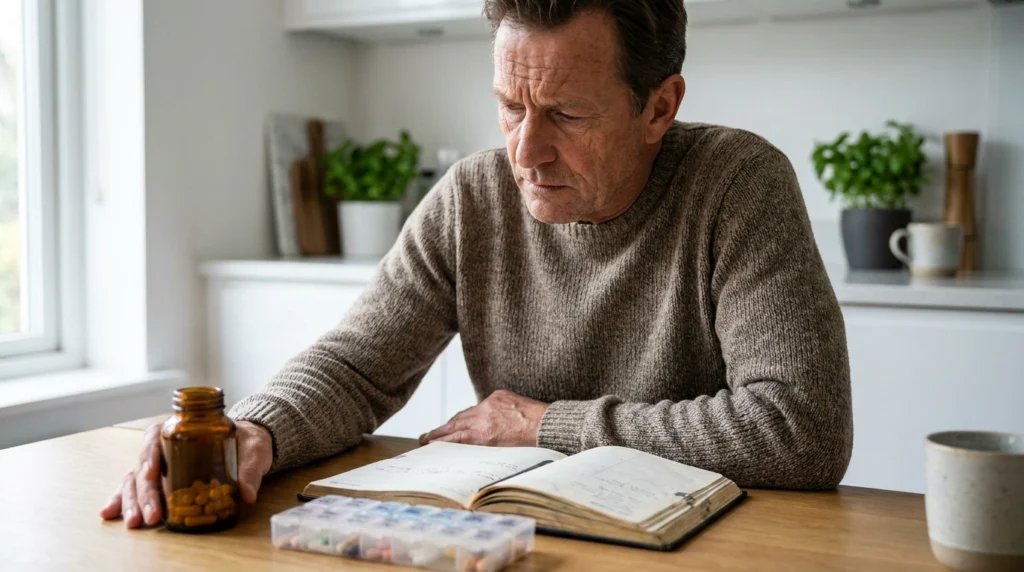
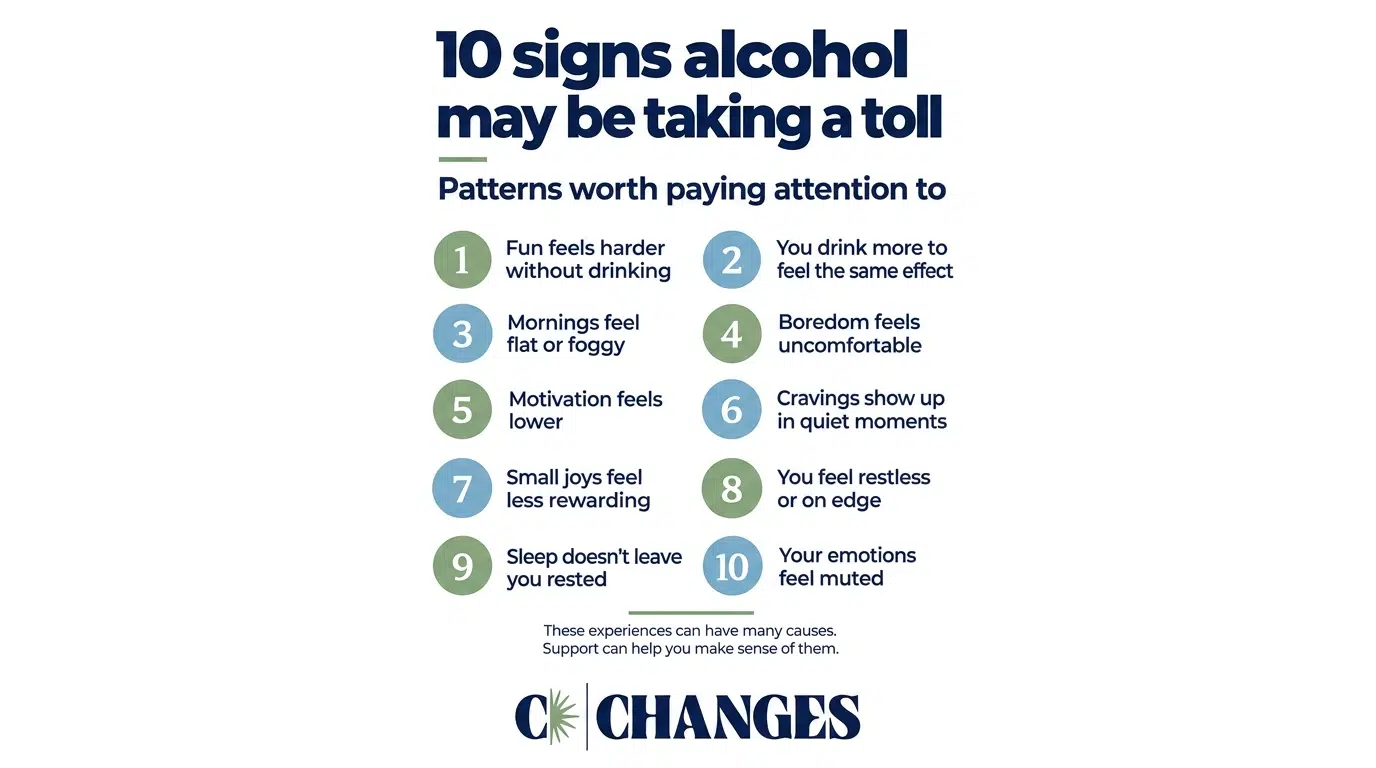
Because kratom is marketed as harmless, dependence can sneak up on people. A few signs that use may be shifting into something more serious:
- Needing more to feel the same effect. Rising tolerance is one of the clearest early signs of dependence.
- Withdrawal when you stop. Symptoms like irritability, aches, nausea, anxiety, or worse when you go without.
- Struggling to cut back. Wanting to stop or slow down and finding you can’t, even when you try.
- Using to feel normal. Reaching for it not to feel good, but just to keep withdrawal at bay.
- Using despite the costs. Continuing even as it affects your health, mood, relationships, or responsibilities.
If any of these feel familiar, it doesn’t mean you’ve done something wrong. It means your body has grown dependent on a substance that acts like an opioid, and that’s something worth getting real support for.
Why Professional Support Matters
Because kratom acts on opioid receptors, breaking the cycle usually requires real, professional support, not just good intentions. Trying to quit cold turkey on your own can mean facing difficult withdrawal alone, which is often what sends people back to using.
That’s the way we approach it at Changes. Our outpatient programs provide the expert medical and clinical care you need to safely overcome dependence, without putting your daily life or responsibilities on hold. A few of the ways that support comes together:
- Medical support to help you manage withdrawal safely rather than white-knuckling it alone.
- Individual therapy to address what led to the kratom use and build healthier ways to cope.
- Group therapy with people who understand what dependence and recovery actually feel like.
- Psychiatric support for the anxiety, depression, or pain some people were using kratom to manage.
- Flexible outpatient care that fits around work, family, and daily responsibilities so you don’t have to put life on hold.
You Don’t Have to Navigate This Alone
If kratom has become something you feel you can’t stop, that’s not a sign of weakness. It’s a sign that a substance acting on your opioid receptors has taken hold, and that’s exactly the kind of thing treatment is built for. The rising numbers show that more and more people are facing this, and many of them are getting help and getting well.
You don’t have to figure this out by yourself, and you don’t have to choose between getting help and keeping your life running. With the right support, you can break the cycle safely and move forward.
Call Today for Support With Kratom Dependence
If kratom use has started to feel less like a choice and more like a need, help is available. At Changes Treatment Center, our outpatient programs provide the expert medical and clinical care you need to safely overcome dependence without putting your life on hold, through PHP, IOP, outpatient treatment, therapy, psychiatric care, and Beyond Therapy programming. Located in Costa Mesa, California. Call (949) 807-2008 today and break the cycle safely, with people who will support you through it.
Frequently Asked Questions
Is kratom actually dangerous if it’s sold legally?
Legal availability doesn’t mean a substance is safe. The FDA has warned for over a decade that kratom can cause serious problems, including liver disease, seizures, addiction, and death. Many products sold today are high-potency extracts that carry greater risks than traditional leaf, and poison control calls involving kratom have surged sharply.
Why is kratom so hard to stop using?
Because kratom acts on the brain’s opioid receptors, the same ones affected by drugs like heroin and oxycodone. Regular use leads to tolerance and dependence, and stopping can bring on withdrawal that is difficult to get through alone. That opioid-like action is why breaking the cycle usually requires professional support.
Can you really become dependent on kratom?
Yes. With daily use, tolerance builds and the body can become dependent, leading to withdrawal symptoms when a person tries to stop. Some people develop mild to severe dependence on kratom products, particularly with today’s more concentrated, high-potency formulations.
What are the signs of kratom dependence?
Common signs include needing more to feel the same effect, experiencing withdrawal when you stop, struggling to cut back despite wanting to, using just to feel normal, and continuing to use even when it’s harming your health, relationships, or responsibilities.
How does Changes Treatment Center help with kratom dependence?
Our outpatient programs provide expert medical and clinical care to help you safely overcome kratom dependence without putting your daily life on hold. Through medical support for withdrawal, individual and group therapy, and psychiatric care, we help you break the cycle and build a foundation for lasting recovery.