



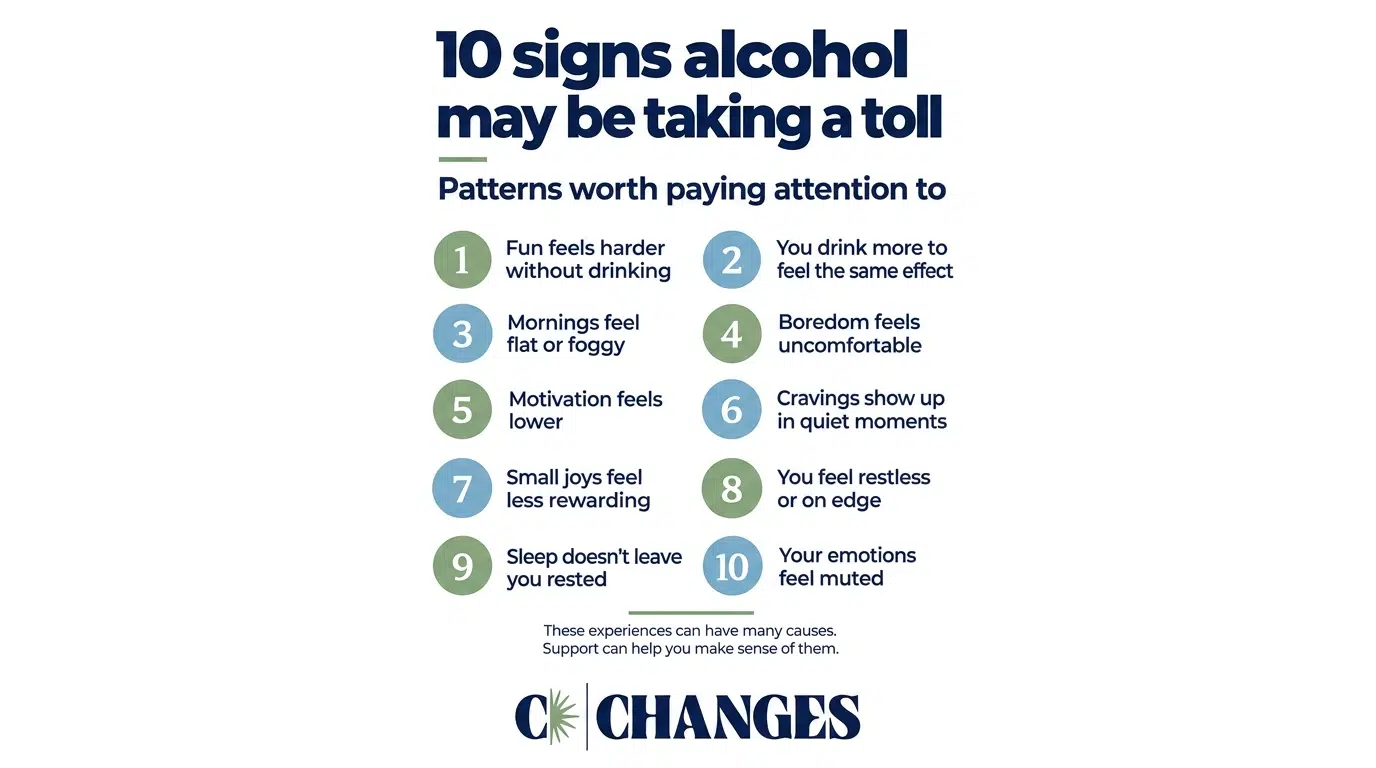

Relapse warning signs often start long before you pick up a substance. You might notice mood swings, increased irritability, or a growing desire to isolate from the people who support you. Romanticizing past use, skipping meetings, and neglecting basic self-care like sleep and nutrition are all red flags. You may also find yourself bargaining, believing “just once” won’t hurt. Recognizing these early shifts is critical, and understanding each stage can help you take action before things escalate.
What Relapse Actually Looks Like Before It Happens

Recognizing these patterns early gives you the chance to intervene. Activating coping strategies for sobriety, calling your therapist, attending an extra meeting, or reaching out honestly, can interrupt the progression before it goes further. Relapse is not a sudden event but rather develops gradually through emotional, mental, and physical stages, making early awareness essential.
Early Emotional Warning Signs of Relapse
Before you ever think about using again, your emotions often send the first signals that something’s shifting beneath the surface. You might notice unexpected mood swings, a growing urge to pull away from the people who support you, or a quiet abandonment of the routines that have been keeping you grounded. These early emotional warning signs, unstable moods, increasing isolation, and neglecting self-care, aren’t failures, but they are important signals that deserve your attention and a compassionate response. If left unaddressed, these emotional shifts can escalate into overwhelming urges that make physical relapse far more likely.
Mood Swings Emerge
Even though recovery may seem stable on the surface, one of the earliest signals that something’s shifting is the emergence of mood swings, rapid, intense fluctuations between emotional highs and lows that feel disproportionate to what’s actually happening around you. During the emotional relapse stage, these shifts often arrive before any conscious thoughts about using, making them easy to dismiss.
You might notice irritability spiking over minor frustrations or unexpected waves of hopelessness interrupting otherwise ordinary days. These patterns aren’t random, they’re your mind signaling that emotional stability is eroding. Because emotional relapse occurs before any actual substance use, catching these mood disruptions early gives you a critical window to intervene. This is precisely when relapse prevention tools matter most. Reaching out to your support system and activating your personalized relapse plan can interrupt this progression before mood instability compounds into deeper cognitive and behavioral changes.
Isolation From Others
Alongside those unpredictable mood swings, another early emotional warning sign often takes root quietly: isolation. You may notice yourself pulling away from support groups, avoiding calls, or skipping meetings without explanation. Anxiety and irritability make social interaction feel overwhelming, so you retreat inward.
This withdrawal isn’t just loneliness, it’s a cognitive shift. You start rationalizing solitude, convincing yourself you don’t need others. Guilt and shame deepen the disconnection, and secretive behaviors replace open communication.
That’s why effective discharge planning relapse prevention strategies emphasize maintaining social accountability from day one. Your relapse prevention plan should identify specific people to contact when isolation creeps in. A strong crisis plan addiction professionals recommend includes concrete steps, calling your sponsor, attending an extra meeting, or texting your therapist, before withdrawal spirals into something more dangerous. what is a good relapse prevention plan can vary from person to person, but it often includes a mix of healthy coping strategies and social support systems. It’s crucial to have a list of activities that promote well-being, such as engaging in hobbies, connecting with friends, or practicing mindfulness techniques. Regularly reviewing and adjusting this plan can help ensure it remains effective as you navigate the challenges of recovery.
Neglecting Self-Care Routines
When isolation takes hold, it often quietly erodes the daily habits that once anchored your recovery, and neglecting self-care routines is one of the earliest emotional warning signs of relapse. You might stop showering regularly, skip meals, abandon exercise, or experience disrupted sleep patterns. These shifts signal declining emotional stability before you’re even aware of it.
This is why learning how to create a relapse prevention plan matters. A strong recovery action plan identifies these self-care lapses as red flags and outlines specific responses, like contacting your therapist or attending an extra meeting. Using a sobriety plan template, you can track daily routines and spot patterns of neglect early. When self-care slips, it’s not laziness, it’s your recovery asking for immediate attention.
Mental Relapse Signs You Shouldn’t Ignore
Mental relapse doesn’t always look dramatic, it often starts quietly, with subtle shifts in your thinking that can feel harmless at first. You might catch yourself romanticizing past use, remembering the highs while minimizing the consequences. You begin bargaining, telling yourself you could handle “just once” or that you’ve earned enough recovery to control it now.
These cognitive patterns are critical warning signs. You may find yourself obsessing about substances, reconnecting mentally with people and places tied to past use, or quietly planning scenarios where relapse becomes possible. Internal conflict intensifies as part of you fights to stay sober while another part searches for loopholes.
Don’t dismiss these thoughts as harmless. They’re signals that you need to activate your relapse prevention plan, now, before thinking becomes action.
Behavioral Changes That Signal Relapse Warning Signs

When you start pulling away from the people and practices that support your recovery, skipping meetings, avoiding your sponsor, or distancing yourself from sober connections, it’s often a sign that relapse is gaining momentum. These behavioral shifts don’t happen in isolation; they’re usually preceded by the emotional and mental warning signs you’ve already been experiencing. Equally concerning is when you find yourself gravitating back toward old environments, routines, or relationships tied to past substance use, as these patterns can quickly erode the progress you’ve worked hard to build.
Avoiding Recovery Support Systems
Although recovery thrives on connection, one of the most common behavioral warning signs of relapse is a gradual withdrawal from the very support systems that help maintain sobriety. You might not recognize it at first, but pulling away from accountability structures leaves you vulnerable to emotional isolation and triggers.
Watch for these specific patterns:
- Diminishing contact with your sponsor despite previously regular check-ins
- Skipping meetings or canceling therapy appointments without rescheduling
- Withdrawing from friends and family who support your sobriety
- Not asking for help when you’re struggling emotionally
- Avoiding honest conversations about your challenges in recovery
If you notice these behaviors in yourself, don’t wait. Reconnect with your sponsor, recommit to daily meetings, and be honest about what you’re experiencing.
Returning to Old Habits
Before you even realize what’s happening, old habits can start creeping back into your daily life, and these behavioral shifts are among the most telling warning signs that a relapse may be approaching. You might skip recovery meetings, neglect exercise or mindfulness practices, or fall back into poor sleeping and eating patterns. These changes often feel minor at first but gradually erode the structure that supports your sobriety.
You may also find yourself revisiting places tied to past substance use, reconnecting with former using contacts, or pulling away from your sober support network. When you start neglecting responsibilities, missing work, abandoning routines, or letting financial obligations slide, it’s a clear signal to activate your relapse prevention plan and reach out for support immediately.
When Mental Health Struggles Become a Relapse Risk
Mental health challenges don’t just coexist with addiction, they can actively fuel a return to substance use if you’re not paying close attention. When depression deepens or anxiety spirals, you’re more vulnerable to seeking relief through familiar but harmful coping mechanisms.
Watch for these critical signs:
- Increasing depression that drains your motivation for recovery
- Negative thought spirals that convince you nothing’s working
- Loss of interest in activities that once supported your sobriety
- Trouble concentrating, making it harder to engage in treatment
- Suicidal thoughts, which demand immediate professional intervention
If you’ve stopped therapy or medication, you’re removing essential safeguards. Don’t wait until you’re in crisis, reach out to your treatment team at the first sign of mental health decline.
When You Stop Taking Care of Yourself

Self-care is often the first thing to slip when you’re heading toward relapse, and it happens so gradually you might not even notice. Maybe you’re staying up too late, skipping meals, or letting your hygiene slide. These changes might seem minor, but they’re significant markers of emotional relapse. understanding what is relapse prevention can empower you to recognize these subtle shifts before they escalate. It involves implementing strategies that prioritize your well-being and encourage healthy habits. By staying attuned to your needs, you can maintain your recovery and protect yourself from potential setbacks.
When you stop attending meetings or therapy sessions, you lose the structured support that keeps you grounded. Isolation follows, you bottle up emotions, withdraw from loved ones, and avoid addressing problems directly.
Each of these shifts compounds the next. Poor sleep fuels mood swings, declining nutrition weakens your resilience, and skipping support groups leaves you without accountability. If you recognize these patterns in yourself, reach out to your treatment team immediately.
How Small Slips Turn Into Full Relapse
A lapse doesn’t have to become a relapse, but without the right response, it often does. A single slip can trigger obsessive thinking about the substance, and if you don’t address it quickly, the pattern escalates.
Here’s how a small slip gains momentum:
- One use sparks cravings that grow stronger with each passing day
- Guilt leads to secrecy, pulling you away from your support system
- You minimize the event, convincing yourself it wasn’t serious
- Recovery routines slip, you skip meetings, avoid your sponsor
- Old thinking patterns return, including beliefs that you can control your use
The critical difference between a slip and a relapse isn’t the substance, it’s your response. Reaching out immediately can stop the progression before it takes hold.
What to Do When You Recognize Relapse Warning Signs
When you start noticing the emotional and behavioral shifts described above, the creeping isolation, the sleep disruptions, the quiet return of old thought patterns, you’re standing at a critical decision point. What you do next matters more than what you’re feeling right now.
| Immediate Action | Why It Works |
|---|---|
| Call your sponsor or therapist | Breaks isolation and activates accountability |
| Attend a meeting within 24 hours | Reconnects you with your support structure |
| Wait 30 minutes before acting on cravings | Interrupts the impulse cycle and restores choice |
Don’t minimize what you’re experiencing. Restore your self-care basics, sleep, nutrition, movement, and be honest with someone you trust. Early intervention at the emotional stage prevents progression into physical relapse. You don’t have to navigate this alone. consider what to do after u relapse as an essential step in your recovery journey. Reaching out for support can make a significant difference, whether it’s through a support group, therapy, or friends and family who understand your struggle. Remember, each day is a new opportunity to rebuild and strengthen your commitment to self-improvement.
How to Build a Relapse Prevention Plan Around Your Warning Signs
Recognizing your warning signs is essential, but it’s only half the equation, you also need a structured plan that tells you exactly what to do when those signs appear. A strong relapse prevention plan turns awareness into action.
Start by building your plan around these core elements:
- Identify your personal triggers, document specific people, places, emotions, and thought patterns that historically precede relapse
- Define concrete action steps, call your therapist, sponsor, or treatment team the moment warning signs emerge
- Strengthen your support network, attend meetings regularly and surround yourself with recovery-affirming people
- Practice daily self-care, prioritize sleep, nutrition, movement, and mindfulness
- Review and update your plan often, your recovery evolves, and your prevention strategy should too
You deserve a plan that works as hard as you do.
Call Now and Find the Support You Need
Healing starts the moment you choose to reach out you don’t have to walk this path alone. At Changes Treatment Center in Costa Mesa, CA, our Aftercare & Support Groups program stands beside you as you rebuild stability, rediscover your strength, and move forward with hope. Call (949) 807-2008 today and take the first step toward lasting change.
Frequently Asked Questions
Can Certain Medications Increase the Risk of Relapse During Recovery?
Yes, certain medications can increase your relapse risk during recovery. Prescriptions like benzodiazepines, opioid-based painkillers, or stimulants may trigger cravings or mimic sensations associated with past substance use. It’s important you’re honest with your healthcare providers about your recovery history so they can prescribe safer alternatives. Don’t stop or adjust any medication without guidance, instead, work closely with your treatment team to protect your progress and stay on track.
How Long After Treatment Is the Risk of Relapse Highest?
Your risk of relapse is highest in the first few weeks after treatment, roughly 55% of first-year relapses happen within the first month alone. The first 90 days are especially critical, with a 65, 75% chance of relapse during that window. After two years, your risk drops to around 40%, and after five years, it falls to about 15%. That’s why early, consistent support matters so much.
Does Relapse Mean That the Treatment Program Failed Completely?
No, relapse doesn’t mean your treatment failed. Addiction’s a chronic condition, and relapse rates of 40-60% mirror those of other chronic diseases like asthma or diabetes. If you experience a setback, it signals that your treatment plan needs adjustment, not abandonment. You might benefit from increased therapy, additional support, or exploring new strategies. Returning to or intensifying treatment after relapse is appropriate disease management, and you’re not starting over.
Are Relapse Warning Signs Different for Alcohol Versus Drug Addiction?
Many warning signs overlap, you’ll notice mood swings, isolation, cravings, and avoiding support in both cases. However, there are some differences. With alcohol, you’re more likely to see physical signs like tremors or coordination issues and a tendency to glamorize past drinking. With drug addiction, you might experience more impulsive decision-making, bargaining thoughts, or scheming for controlled use. Recognizing your specific patterns early helps you take action before relapse progresses.
Can Family Members Accidentally Enable Behaviors That Lead to Relapse?
Yes, you can unintentionally enable relapse without realizing it. You might dismiss mood swings as stress, excuse missed meetings as temporary, or encourage time around old environments thinking it’s harmless. Shielding your loved one from accountability or minimizing past consequences can also undermine their recovery. It’s not about blame, it’s about awareness. Learning to recognize these patterns helps you set healthy boundaries and become a stronger part of their support system.