

After an overdose, watch your loved one’s breathing and call emergency services if it slows or they’re hard to wake. Arrange several hours of observation, since naloxone can wear off. Stay calm, offer warmth and rest, and skip shame or blame. Connect them to treatment quickly through SAMHSA or a counselor, keep naloxone on hand, and support appointments without taking over. Care for yourself, too. The steps below show you exactly how.
Key Takeaways
- Ensure continued medical safety by arranging observation and follow-up care, since naloxone can wear off and delayed complications may arise.
- Offer calm emotional support with warmth, hydration, and rest, avoiding shame, blame, or lectures that damage trust.
- Connect them to treatment quickly through helplines, counselors, or peers, and encourage attendance at appointments.
- Provide practical help like rides or medication routines, but ask what’s needed and respect their autonomy.
- Take care of yourself by processing emotions, setting boundaries, and seeking counseling or peer support groups.
How Can You Support a Loved One After They Survive an Overdose

Support a loved one after they survive an overdose by keeping them safe while their body recovers. Naloxone reverses opioid-related respiratory depression, but its effects can wear off, so monitoring matters. Call emergency services if breathing slows, stops, or they’re hard to wake. Arrange observation for several hours, longer with long-acting opioids, and a medical check-up within days to catch delayed complications like aspiration or rhabdomyolysis.
Meaningful support after overdose includes staying calm, offering warmth, hydration, and rest, and avoiding shame or lectures that reduce follow-through. Connect them to treatment after overdose quickly through SAMHSA’s National Helpline, peer support, or counselors, and encourage attendance at appointments to strengthen ongoing recovery engagement.
Why Does a Nonfatal Overdose Increase Concern About Future Overdose Risk
A nonfatal overdose increases concern about future overdose risk because it marks a moment when your loved one’s tolerance, health, and circumstances shift in ways that make the next event more dangerous. After a break in use, prior tolerance drops, so a previously familiar amount can overwhelm the body. Naloxone reverses opioid-related respiratory depression, but effects can return once it wears off, which means breathing problems may recur. Delayed complications, including aspiration, pulmonary edema, or persistent confusion, can surface in the hours and days that follow. Emotional effects like fear, guilt, or depression can also raise vulnerability. Because these factors compound, you should keep naloxone available, ensure the household knows how to use it, and connect your loved one to treatment quickly to reduce the chance of another overdose.
What Questions Should You Ask the Medical Team Before Your Loved One Leaves Care
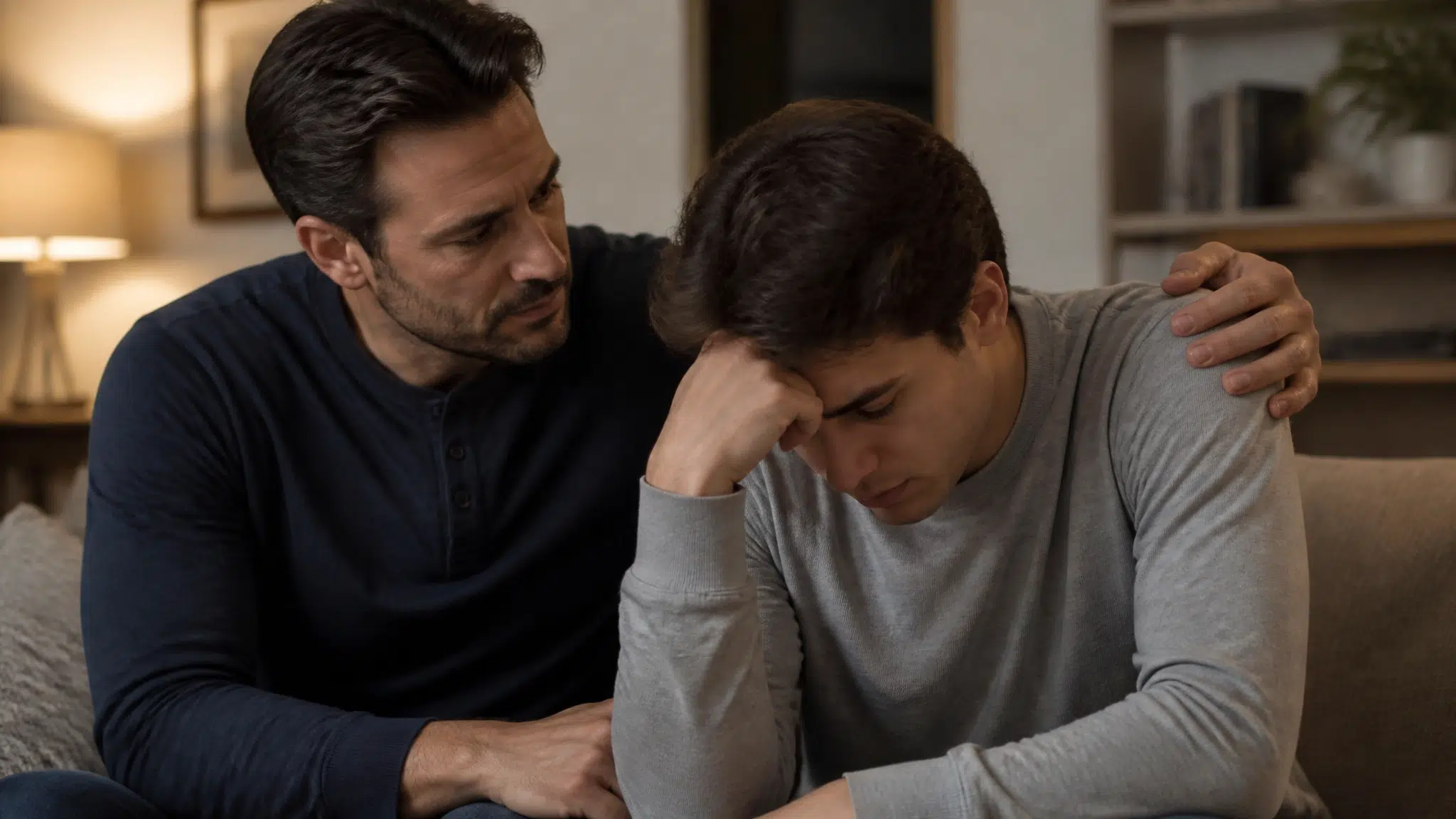
Ask the medical team specific questions that clarify what to watch for and what to do next. Ask how long observation should continue, especially if a long-acting opioid was involved or sedation returned. Ask which symptoms, persistent drowsiness, breathing changes, confusion, or memory problems, warrant a return to the emergency department. Ask whether they screened for aspiration, pulmonary edema, rhabdomyolysis, compartment syndrome, or infection, and what follow-up those findings require. Ask when the next medical check-up should happen, ideally within days. Ask how to use naloxone again if breathing doesn’t improve, and confirm you’ll leave with a supply. Finally, ask for treatment referrals, including medication options, mental health care, and peer support, so recovery continues after discharge.
How Do Addiction Treatment Naloxone Access Recovery Planning and Practical Family Support Serve Different Roles
These four supports matter because each addresses a distinct need, and together they close gaps that any single measure leaves open. Addiction treatment targets the underlying substance use, naloxone reverses acute respiratory depression, recovery planning maintains engagement, and family support sustains daily follow-through.
| Support | Primary Role | Timing |
|---|---|---|
| Naloxone access | Reverse overdose | Emergency |
| Addiction treatment | Address use disorder | Ongoing |
| Recovery planning | Coordinate next steps | Post-crisis |
Naloxone saves a life in the moment, but it can’t treat dependence. Treatment reduces relapse risk, yet tolerance drops after a break, so keep naloxone ready. Recovery planning links appointments and mental health care, while your practical support helps your loved one actually show up.
How Can You Talk About the Overdose Without Shame or Blame

You can talk about the overdose without shame or blame by framing the conversation in a way that keeps your loved one engaged in care rather than pulling away. Avoid lecturing, shaming, or arguing during the immediate recovery period, since shame reduces follow-through on care. Instead, stay present and speak calmly to lower distress in the first hours. Use short, clear language if confusion, anxiety, or fear is present. Ask what feels safe and comfortable, such as music, quiet, sleep, or rest, rather than pressing for explanations.
When you’re ready to discuss next steps, focus on support instead of judgment. Acknowledge the fear, guilt, or shame your loved one may feel after surviving an overdose. Frame relapse as a signal to return to treatment quickly, not a reason for punishment. This nonjudgmental approach improves post-overdose engagement in ongoing care.
How Can You Help With Appointments Transportation or Medication Without Taking Over
You can help with appointments, transportation, or medication by offering practical support while keeping your loved one in charge of their own recovery. Ask what they actually need before stepping in, then follow their lead. You might offer a ride to a follow-up appointment, sit with them while they call SAMHSA’s helpline, or set a shared reminder for medication, but let them make the decisions. Encourage attendance at treatment intake, since follow-through improves post-overdose engagement in care. If they’re prescribed medication for opioid use disorder, support consistent use without controlling doses or monitoring them like a patient. Respect their autonomy, even when you’d choose differently. Practical help works best when it reinforces their capability rather than replacing it. Small, offered supports sustain trust and keep recovery in their hands.
How Can the Family Process Fear Anger or Guilt After the Overdose
Families can process fear, anger, or guilt after an overdose by naming what they feel, whether to a trusted friend, clergy member, or recovery peer, which can ease the weight they’re carrying. These emotions are normal responses to a frightening event, and you don’t have to face them alone or pretend they aren’t there.
Consider joining a peer support group or family program, where others understand this experience firsthand. Counseling can help you process complicated emotions and set healthy boundaries without withdrawing your care.
Take care of your own body and mind too. Rest, nutrition, and movement sustain your capacity to keep supporting your loved one.
Help Your Loved One Take the Next Step After an Overdose
Changes Treatment Center in Costa Mesa provides treatment for drug and alcohol addiction through Partial Hospitalization (PHP), Intensive Outpatient (IOP), individual and group therapy, psychiatric support, medication management, and treatment for co-occurring mental health concerns. If your loved one has survived an overdose and needs support addressing the substance use that led to it, treatment can provide a structured path toward ongoing recovery. Call (949) 807-2008 to speak with the admissions team about available treatment options.
Frequently Asked Questions
How Long Should Naloxone Be Kept on Hand After an Overdose?
You should keep naloxone on hand indefinitely after an overdose, not just for a few days. Overdose risk stays heightened, especially after any break in use when tolerance drops. Make sure your household knows how and when to use it, and replace expired doses so it’s always ready. If breathing doesn’t improve, call emergency services and give naloxone again only as directed. Keeping it accessible protects your loved one long-term.
Can Someone Overdose Again Even After Receiving Naloxone?
Yes, someone can overdose again even after receiving naloxone. Naloxone’s effects wear off, and if the opioid is still active in their system, especially long-acting opioids, breathing problems and sedation can return. That’s why you’ll want to keep monitoring them for several hours afterward. If breathing slows or they’re hard to wake, call emergency services and give naloxone again as directed. Staying close during this recovery period really matters.
Are There Legal Protections When Calling 911 for an Overdose?
Yes, many places have Good Samaritan laws that offer some legal protection when you call 911 for an overdose. These laws vary by location, but they’re often designed to reduce fear of arrest so you’ll seek help quickly. Your priority is saving a life, call emergency services and give naloxone as directed. Check your local laws to understand specific protections, and don’t let uncertainty stop you from getting help.
What Foods or Drinks Help Recovery During Withdrawal?
Focus on hydration and gentle nourishment. Offer water, oral rehydration drinks, or broth to replace fluids lost through sweating, vomiting, or diarrhea. You can provide easy-to-digest foods like crackers, rice, bananas, applesauce, or toast if nausea’s present. Warm, comforting options help too. Don’t force eating; let them rest and take small amounts as tolerated. If they can’t keep fluids down or seem dehydrated, seek medical guidance promptly for safe recovery.
How Much Does Addiction Treatment Typically Cost Families?
Costs vary widely depending on treatment type, location, insurance, and program length. What I can tell you is that SAMHSA’s National Helpline is available 24/7 and can connect you with treatment referral services. They’ll help you understand your options, including programs that fit your family’s financial situation. You don’t have to navigate this alone.