

If you think a loved one’s at risk, act now. Keep naloxone accessible at home, and learn to give it without delay. Watch for warning signs like slow or stopped breathing, blue lips, pinpoint pupils, or a limp body. If you suspect an overdose, call 911 immediately, administer naloxone, support breathing, and position them on their side. Stay until help arrives. Knowing which risk factors matter most can make all the difference.
Key Takeaways
- Recognize overdose risk factors like reduced tolerance after abstinence, mixing substances, using alone, or high-dose opioid use.
- Watch for warning signs including unconsciousness, slowed or stopped breathing, gurgling sounds, blue lips, or pinpoint pupils.
- Keep naloxone readily accessible, learn to administer it without delay, and give it immediately upon suspecting an overdose.
- Call 911 right away, support the person’s breathing, position them on their side, and stay until help arrives.
- Prepare emergency information including substances used, symptom timeline, medical history, allergies, medications, and prior overdoses for responders.
What Should You Do if You Think a Loved One Is at Risk of Overdosing
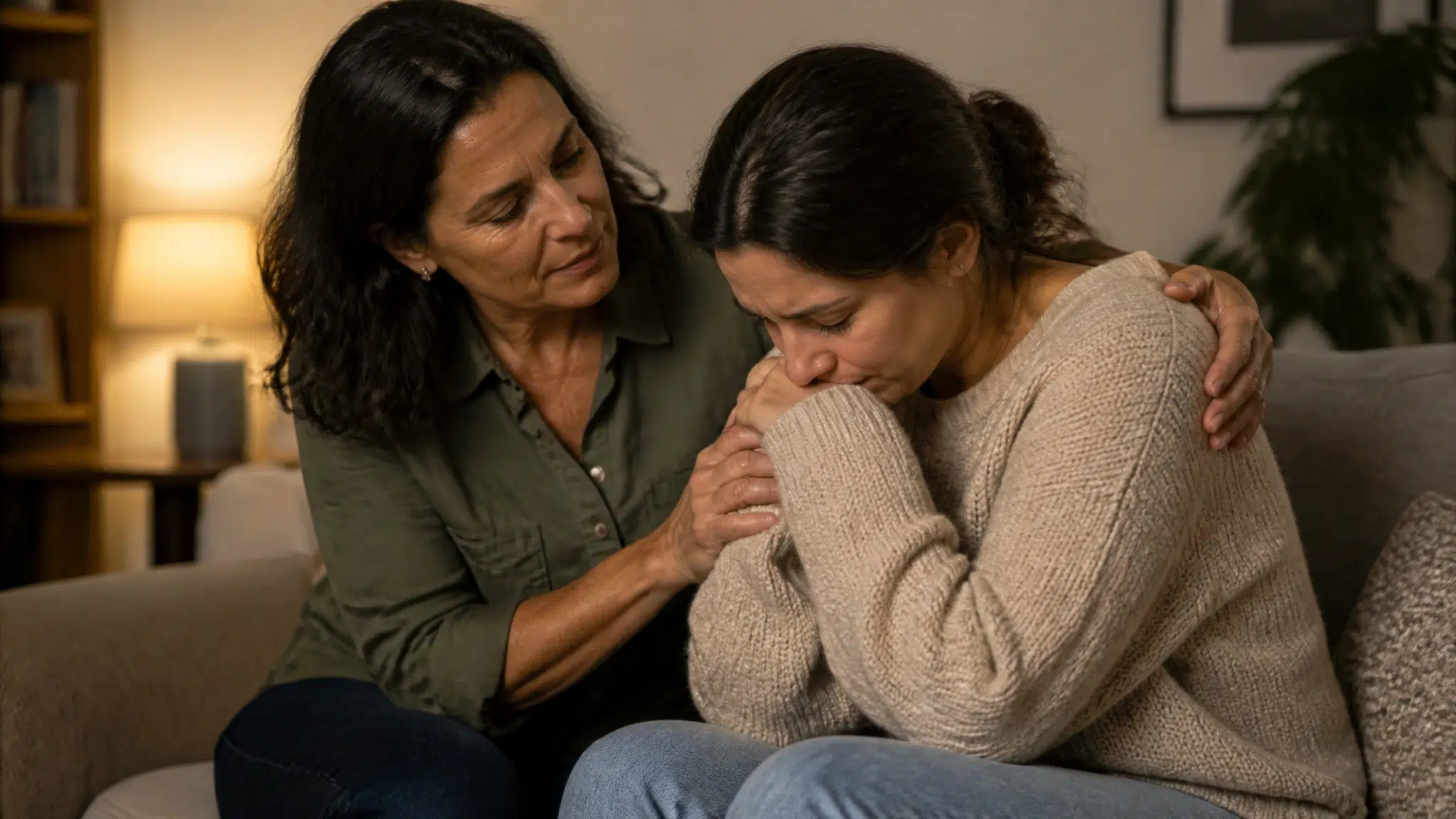
If you think a loved one is at risk of overdosing, learn the overdose risk factors, including recent detox, mixing substances, high-dose opioids, and using alone. Understanding these factors helps you gauge danger and act sooner. An overdose can escalate within minutes, so knowing what to watch for and how to respond quickly can save your loved one’s life.
Watch for warning signs: unconsciousness, slow or stopped breathing, gurgling sounds, blue or purple lips, pinpoint pupils, and a limp body. If you suspect an overdose, call 911 immediately and report the signs you observe.
Prevention matters, too. Keep naloxone for family members on hand, store it accessibly, and learn to administer it without delay. Give naloxone right away, support breathing, position the person on their side, and stay until help arrives.
Which Overdose Risk Factors Should Families Take Most Seriously
Some overdose risk factors carry weight you can’t afford to overlook. Your loved one’s history and circumstances shape their vulnerability, and recognizing the most serious warning signs helps you act before a crisis unfolds.
Pay closest attention to these high-risk situations:
- Recent abstinence or reduced tolerance, after detox, incarceration, or a period without use, the body can’t handle previous doses, dramatically raising overdose risk.
- Mixing substances, combining opioids with alcohol, benzodiazepines, or other depressants slows breathing and multiplies danger.
- Using alone, when no one’s present to respond or give naloxone, a survivable overdose can turn fatal.
If you notice these patterns, keep naloxone accessible, stay connected, and encourage professional support without judgment or delay.
How Can Naloxone for Family Members Improve Emergency Preparedness
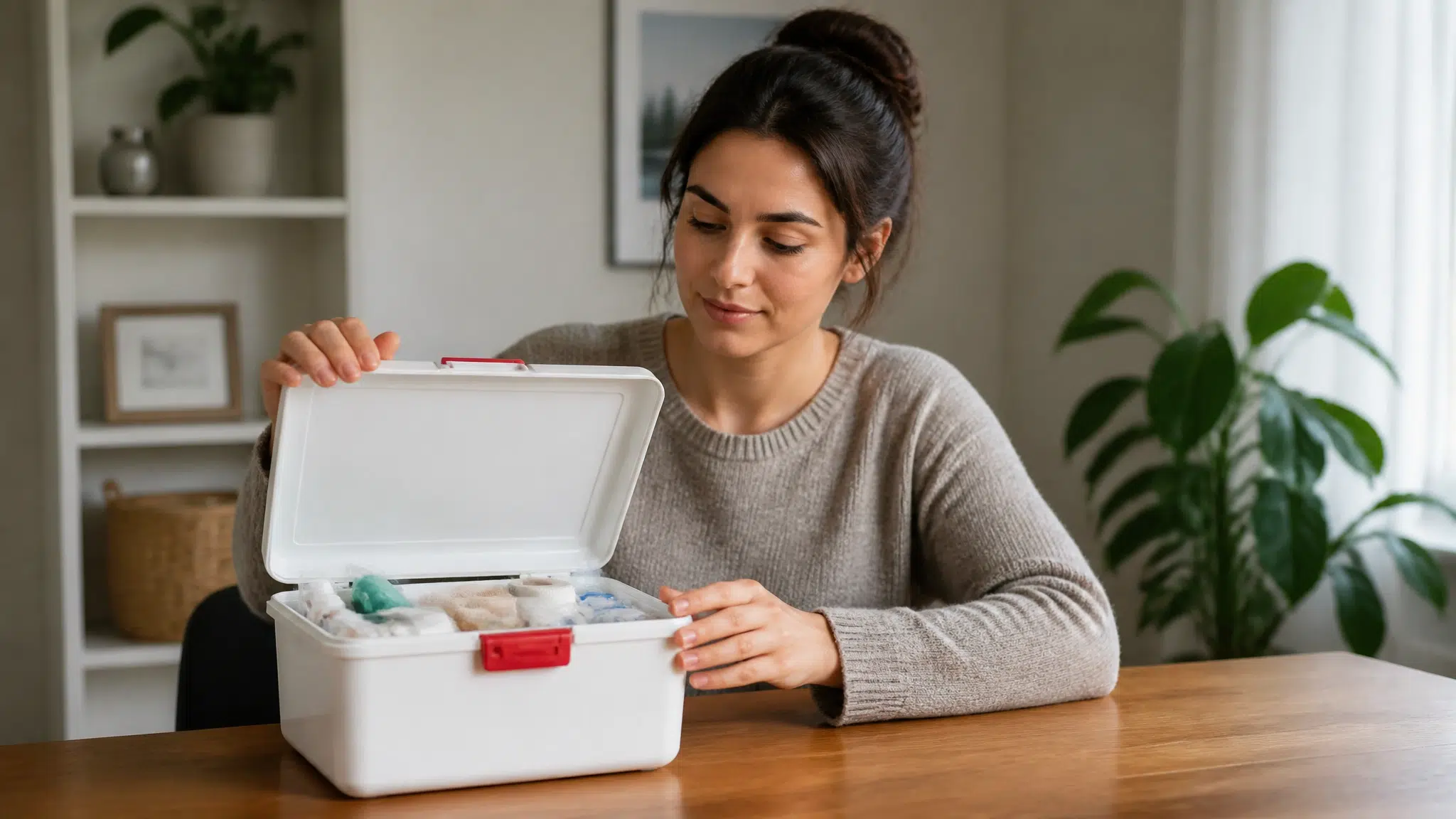
Keeping naloxone within reach improves emergency preparedness by transforming you from a helpless bystander into a first responder who can act in the minutes that matter most. Naloxone reverses opioid overdose, and having it on hand means you don’t have to wait for emergency responders to begin lifesaving treatment. Federal overdose response guidance includes naloxone precisely because rapid administration saves lives.
Store your naloxone somewhere accessible, and check expiration dates regularly. Keep more than one dose available, since some overdoses require repeated administration depending on the product and situation. Familiarize yourself with the instructions before an emergency happens, not during one.
You should also teach other household members where naloxone’s kept and how to use it, so anyone present can respond quickly and confidently.
How Can Families Help Prevent Overdose Without Trying to Control Every Choice
Families can help prevent overdose without controlling every choice by building a safety net that stays in place regardless of the choices their loved one makes. You can’t control someone’s behavior, but you can reduce the risk that a single event becomes fatal. Focus on measures that protect life without demanding compliance or perfection.
- Keep naloxone accessible at home and teach every household member how and when to use it.
- Recognize overdose warning signs early, slow breathing, unresponsiveness, or blue-tinged lips, so you can act immediately.
- Maintain open, nonjudgmental communication, which keeps your loved one willing to reach out during a crisis.
How Should Family Members Divide Emergency Roles Before a Crisis Happens

Family members should divide emergency roles by assigning one person to call 911 and report the suspected overdose, another to administer naloxone, and a third to support breathing and positioning. Assign these clear roles now so no one hesitates when seconds matter. Practice these steps together, and confirm everyone knows where naloxone is stored.
| Role | Primary Task | Backup Action |
|---|---|---|
| Caller | Dial 911, report signs | Relay timing to responders |
| Responder | Give naloxone promptly | Prepare a second dose |
| Monitor | Position on side, check breathing | Begin CPR if trained |
Write these assignments down and review them regularly. When each family member understands their responsibility, you’ll respond faster, reduce confusion, and improve your loved one’s chance of survival.
What Medical and Substance-Use Information Should Be Ready for Emergency Responders
Emergency responders need the substances involved, the symptom timeline and naloxone use, and the person’s medical history. Panic clouds memory during an emergency, so preparing key details in advance helps responders act faster and more accurately. Keep this information accessible and share it precisely when help arrives:
- Substances involved: Report any opioids, prescriptions, alcohol, or other drugs known or suspected, plus the estimated timing of use.
- Symptom timeline and naloxone use: Tell responders when symptoms began, what signs you observed, and how many naloxone doses you gave.
- Medical history: Provide allergies, current medications, existing conditions, and prior overdoses.
Write these details down where your household can find them quickly. Clear, accurate information supports the person’s care and improves their chances of recovery.
When Should a Family Ask a Clinician for an Overdose Risk Assessment
Ask a clinician for an overdose risk assessment when you notice warning signs in your loved one’s behavior or health. Reach out if they’ve recently returned from detox, incarceration, or hospitalization, since tolerance drops and overdose risk climbs during these transitions. Request an assessment when they’re using opioids alongside benzodiazepines or alcohol, taking higher doses, or using alone. Schedule a conversation if they’ve had a previous overdose, show worsening depression, or express hopelessness. A clinician can evaluate these factors, prescribe naloxone, and recommend treatment options tailored to your loved one’s needs. You don’t need certainty to ask, your concern is reason enough to start the discussion.
Help Your Loved One Reduce the Risk of an Overdose
Changes Treatment Center in Costa Mesa provides treatment for drug and alcohol addiction through Partial Hospitalization (PHP), Intensive Outpatient (IOP), individual and group therapy, psychiatric support, medication management, and treatment for co-occurring mental health concerns. If you are worried that a loved one’s substance use is putting them at risk of overdose, treatment can address the substance use while helping identify the level of care and support they may need. Call (949) 807-2008 to speak with the admissions team about available treatment options.
Frequently Asked Questions
Can Naloxone Expire, and How Should It Be Stored Properly?
Yes, naloxone can expire, so you’ll want to check the expiration date printed on the package and replace it when needed. Store it at room temperature, away from direct light, extreme heat, or freezing conditions. Keep it in its original packaging until you need it, and choose a spot that’s easy to reach in an emergency. If you’re unsure about your product’s storage, review the manufacturer’s instructions for guidance.
Are There Legal Protections for People Who Report an Overdose?
Yes, many places offer legal protections through Good Samaritan laws, which can shield you from certain drug-possession charges when you call for help during an overdose. These protections vary by state, so they don’t cover every situation, but they’re designed to encourage you to act without fear. Don’t let worry about legal consequences stop you, call 911 immediately. Saving a life comes first, and reporting quickly gives your loved one the best chance.
Does Naloxone Work on Non-Opioid Drug Overdoses?
No, naloxone only reverses opioid overdoses, it won’t work on non-opioid drugs like cocaine, methamphetamine, or alcohol. However, if you’re unsure what someone took, you should still give naloxone, since many overdoses involve opioids or mixed substances. It’s safe and won’t cause harm if opioids aren’t present. Call 911 right away, support the person’s breathing, and stay with them until emergency responders arrive to provide further care.
How Much Does Naloxone Cost, and Is Insurance Required?
The provided overdose response guidance doesn’t include specific pricing or insurance details for naloxone, so I can’t give you exact costs from these resources. What I can tell you is that you don’t need insurance to access naloxone in many settings. To get accurate, current information on cost and access options, contact SAMHSA’s National Helpline at 1-800-662-HELP (4357). They’ll connect you with local overdose-prevention support confidentially and free of charge.
Can Children or Pets Be Harmed by Accessible Naloxone?
Naloxone is remarkably safe, so accidental exposure won’t harm children or pets the way opioids or many other medications can. It only reverses opioids and has no effect without them in the body. Still, you should store it safely to keep it usable and prevent mishandling. If a child or pet swallows or contacts it, stay calm and call 911 or your poison center for guidance right away.