


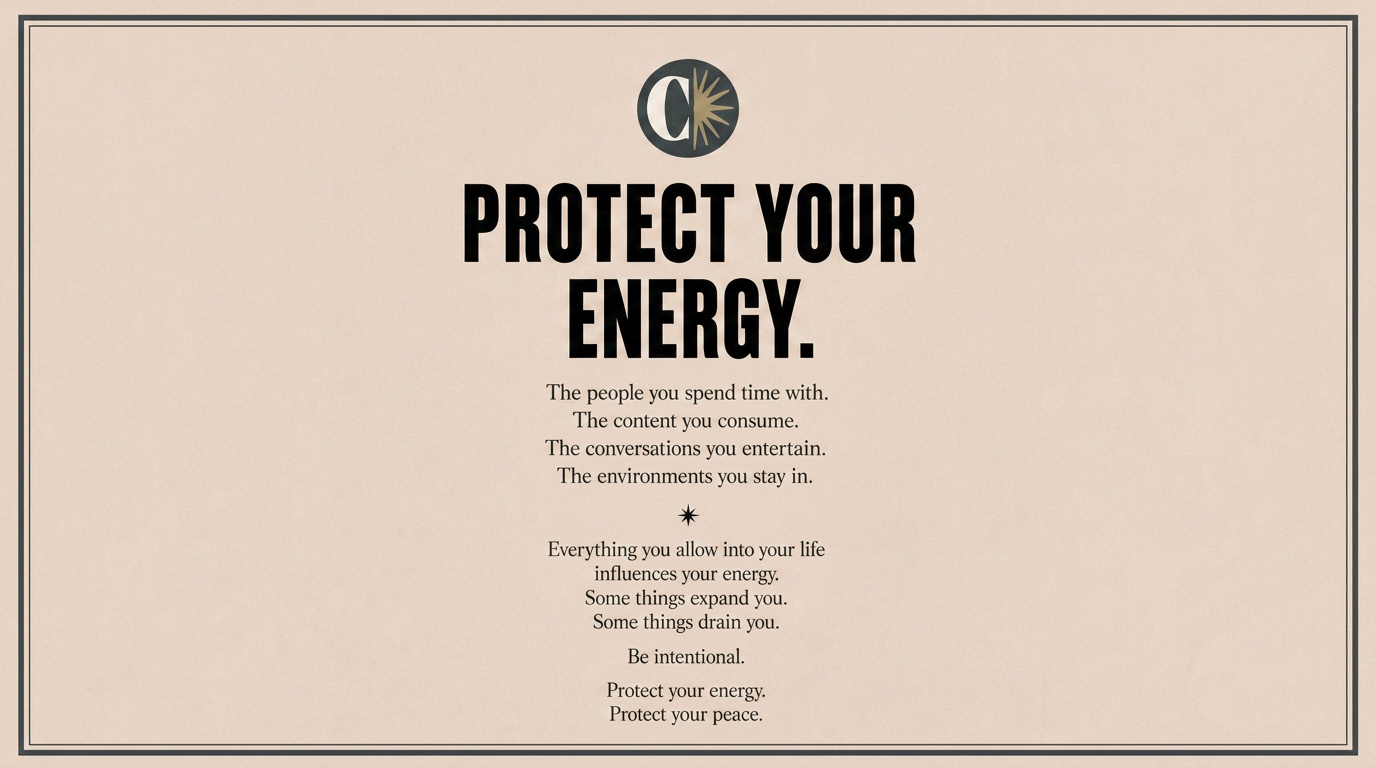




Recovery changes you, and one of the quieter surprises along the way is realizing that not everyone from your old life fits into your new one. As you get well, you start to notice who lifts you up and who drains you, and you’re allowed to act on that. Protecting your space and your energy isn’t cold or selfish. It’s part of staying well. If you’ve been learning that it’s okay to walk away from what no longer serves you, that instinct is worth honoring, because in recovery it can be the difference between staying grounded and slipping backward.
Why Protecting Your Energy Matters So Much

In early recovery especially, your energy is a limited and precious resource. Staying well takes real emotional effort, and every draining relationship or stressful environment pulls from the same reserve you need for your own healing.
That’s why protecting your space matters more now than it might have before. When someone consistently drains you, stresses you out, or pulls you toward old patterns, it doesn’t just make for a bad day. It can genuinely threaten the progress you’ve worked hard for. Guarding your energy isn’t about being closed off. It’s about making sure you have enough left for the thing that matters most right now, which is you.
You’re Allowed to Walk Away

Here’s something a lot of people need permission to hear. If someone doesn’t add value to your life, you’re allowed to peacefully walk away. You don’t need a dramatic falling out or a detailed justification. You can simply choose to protect your peace.
Walking away doesn’t have to mean anger or burning bridges. It can be quiet and calm, just a gentle stepping back from what no longer serves you. That applies to relationships that consistently leave you feeling worse, and to situations that drain more than they give. Choosing yourself isn’t a betrayal of anyone else. It’s a basic act of self-respect, and in recovery, it’s often a necessary one.
If someone doesn’t add value to your life, you’re allowed to peacefully walk away. Protecting your peace is not selfish. It’s survival.
Outgrowing People, Places, and Things
As you move through recovery, it’s normal to outgrow people, places, and things, and that’s genuinely okay. This isn’t a new idea. In recovery communities, the phrase “people, places, and things” has been used for decades to describe the parts of your old life that can pull you back toward using.
There’s a real reason behind it. Research shows that familiar environments tied to past substance use, and relationships that don’t support your sobriety, can trigger stress responses and cravings, even after the early stage of recovery has passed. Your brain forms strong associations, and certain people and places can quietly reactivate old patterns. So outgrowing them isn’t you becoming distant or judgmental. It’s you protecting a version of yourself that’s still healing. As you change, the things that fit your old life often stop fitting your new one, and letting them go makes room for what does.
Growth Sometimes Means Letting Go
It’s worth being honest that this part can hurt. Letting go of people you have history with, even when they’re not good for your recovery, can bring real grief. Outgrowing a relationship doesn’t always mean the person was bad, just that the connection no longer supports where you’re going.
That grief is normal, and it doesn’t mean you’re making the wrong choice. Growth almost always involves leaving some things behind. The discomfort of letting go is often the cost of moving toward something healthier, and on the other side of it is usually more peace, not less.
Making Room for the Right People

Protecting your energy isn’t only about who you step away from. It’s just as much about who and what you make room for. Every draining relationship you release creates space for connections that actually support your recovery.
As you let go of what no longer serves you, you free up energy to build relationships with people who understand your journey, respect your growth, and lift you up. Recovery isn’t about ending up alone. It’s about becoming more intentional, trading connections that pull you backward for ones that move you forward. A few things worth remembering as you do:
- Notice how people leave you feeling. Drained and anxious, or steadier and supported? That feeling is real information.
- You don’t owe everyone access to you. Protecting your peace is a valid reason on its own.
- Walking away can be peaceful. Distance doesn’t require conflict or a big confrontation.
- Seek out people who get it. Relationships built on shared understanding tend to be some of the strongest in recovery.
- Grief is part of growth. It’s okay to feel the loss and still know you’re moving in the right direction.
You Don’t Have to Navigate This Alone
Figuring out which relationships support your recovery and which quietly undermine it isn’t always obvious, and setting those boundaries can be genuinely hard, especially when guilt gets involved. This is exactly the kind of thing support helps with.
That’s the way we approach it at Changes. We help people build the awareness and confidence to protect their energy and their sobriety. A few of the ways that support comes together:
- Individual therapy to help you recognize which relationships and environments support your recovery.
- Group therapy where you connect with people who understand and respect your growth.
- Guidance on healthy boundaries so you can protect your peace without guilt.
- A supportive community that helps replace what you’ve outgrown with connection that lifts you up.
- Beyond Therapy programming to help you build a life and a circle worth protecting.
Your Peace Is Worth Protecting
As you grow in recovery, give yourself permission to protect your space and your energy. You’re allowed to walk away from what drains you, to outgrow the people and places that pull you backward, and to choose peace, even when it’s hard.
None of that makes you cold or ungrateful. It makes you someone who’s taking their healing seriously. The people, places, and things that truly belong in your life will support the person you’re becoming, and letting go of the rest is how you make room for them.
Call Today and Build a Life Worth Protecting
Protecting your energy is part of protecting your recovery, and you don’t have to do it alone. At Changes Treatment Center, we help people set healthy boundaries, protect their peace, and build supportive connections through PHP, IOP, outpatient treatment, therapy, psychiatric care, and Beyond Therapy programming. Located in Costa Mesa, California. Call (949) 807-2008 today and start building a life worth protecting, with people who will support you through it.
Frequently Asked Questions
Why is protecting your energy important in recovery?
Because staying sober takes real emotional effort, and draining relationships or stressful environments pull from the same energy you need to heal. Protecting your space helps you avoid triggers, reduce stress, and preserve the focus and stability that recovery depends on. It’s a form of self-care, not selfishness.
Is it okay to walk away from people in recovery?
Yes. If someone consistently drains you, disrespects your sobriety, or pulls you toward old patterns, you’re allowed to peacefully step back. Walking away doesn’t require conflict or a lengthy justification. Choosing to protect your peace is a valid and often necessary part of staying well.
What does “people, places, and things” mean in recovery?
It’s a long-standing phrase in recovery communities describing the parts of your old life, certain people, environments, and objects, that can trigger cravings or pull you back toward substance use. Research shows familiar settings and unsupportive relationships can reactivate stress responses and cravings, which is why many people choose to distance themselves from them.
Is it normal to outgrow friends in sobriety?
Yes, it’s very common. As you grow and change in recovery, some relationships naturally stop fitting your new life. Outgrowing a friendship doesn’t necessarily mean the person is bad, just that the connection no longer supports where you’re going. It can bring grief, but it’s a normal part of healthy growth.
How can Changes Treatment Center help me protect my recovery?
We help people build the awareness and confidence to protect their energy and sobriety. Through individual therapy, group therapy, guidance on healthy boundaries, and a supportive community, we help you recognize what supports your recovery, set boundaries without guilt, and build connections that lift you up.