







CBT helps you break the cycle of addiction by identifying the negative thought patterns that drive substance use. You’ll learn to recognize your personal triggers, challenge distorted beliefs, and replace harmful behaviors with healthier coping skills. Research shows it produces lasting benefits that extend well beyond treatment, targeting root causes rather than just symptoms. The techniques below can show you exactly how this approach works at each stage of recovery.
What Is CBT for Addiction Recovery?

Cognitive behavioral therapy (CBT) is a structured, evidence-based form of talk therapy that helps people in addiction recovery identify the connection between their thoughts, feelings, and substance use behaviors. As a leading evidence-based addiction psychotherapy, CBT targets the psychological patterns that reinforce continued use.
CBT therapy for addiction recovery works by helping you recognize how negative thinking addiction recovery challenges can drive relapse. You’ll learn to replace distorted beliefs with realistic perspectives and build practical coping skills for managing cravings, stress, and triggers. Cognitive behavioral therapy substance abuse treatment is widely used across rehabilitation programs because it directly addresses the thought-behavior cycles that maintain dependence, giving you actionable strategies to support long-term sobriety. CBT also promotes resilience and perseverance throughout the recovery process, helping individuals stay committed even when facing setbacks.
How CBT Breaks the Addiction Thought Cycle
When addiction takes hold, it often follows a predictable cycle: a trigger sparks a thought, the thought drives an emotion, and the emotion pushes you toward substance use. CBT makes this pattern visible so you can interrupt it at each stage.
Through cognitive restructuring, you’ll challenge distorted beliefs like “I can’t cope without substances” and replace them with balanced, accurate thinking. Craving interruption teaches you to pause, name the urge, and choose a different response. Behavior replacement builds practical skills, stress management, refusal techniques, structured routines, that fill the space substances once occupied. Techniques like urge surfing allow you to observe cravings without acting on them, letting the intensity pass naturally.
Together, these strategies form the foundation of relapse prevention CBT addiction treatment. You’ll map high-risk situations in advance and plan coping responses before cravings escalate, weakening automatic patterns and strengthening lasting recovery habits.
Key CBT Techniques for Treating Addiction
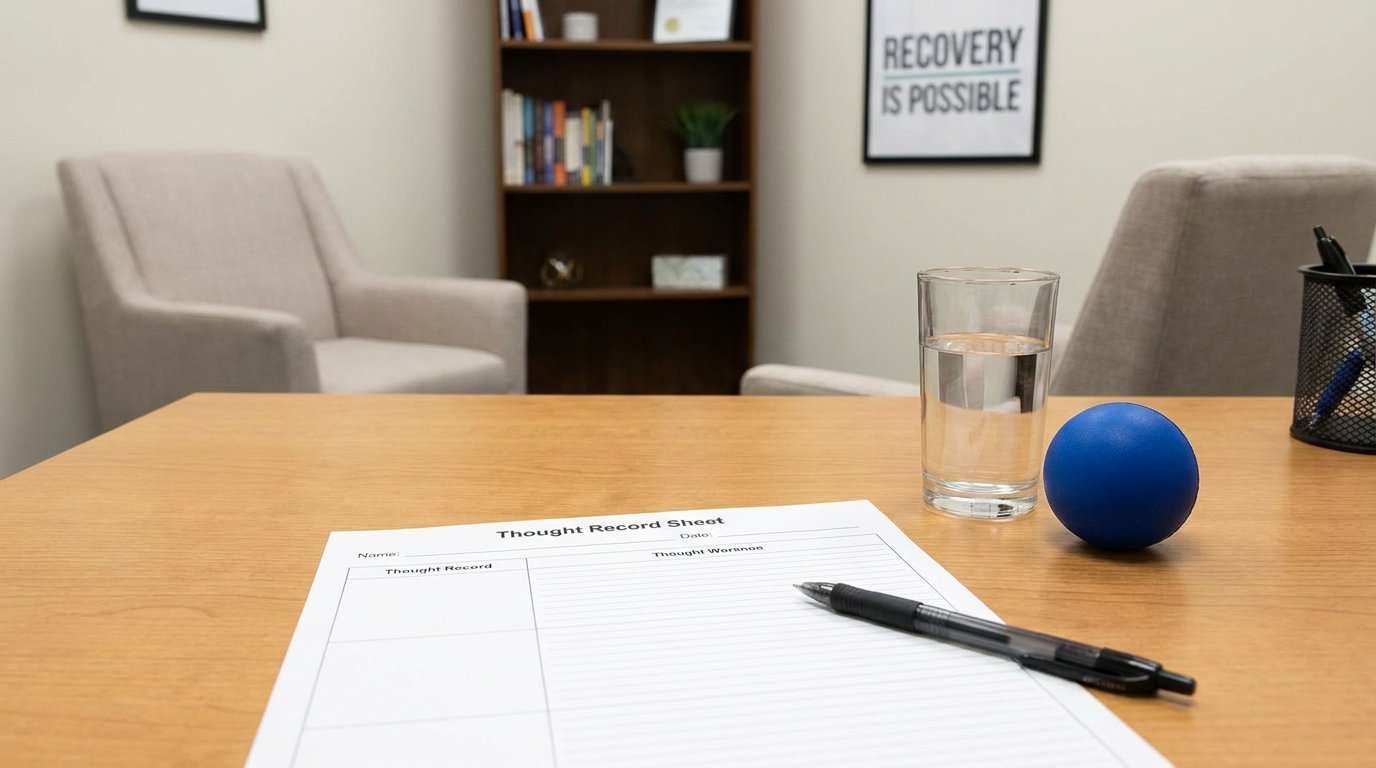
Recovery depends on more than willpower, it requires specific, practiced skills that change how you respond to triggers, cravings, and emotional distress. CBT equips you with structured techniques that target addiction at its behavioral and cognitive roots. Duration of addiction recovery therapy plays a crucial role in helping individuals rebuild their lives. Longer engagement in therapy often leads to improved coping strategies and better emotional regulation.
Thought restructuring recovery therapy helps you identify and replace distorted beliefs that fuel substance use. Through coping skills CBT addiction counseling, you learn emotion regulation, problem-solving, and delay-and-distract strategies for managing urges. Cravings management CBT uses mindfulness, relaxation techniques, and exposure-based practice to reduce cue reactivity over time. DBT for addiction treatment focuses on developing skills to manage emotional distress and improve interpersonal effectiveness. This approach combines cognitive-behavioral techniques with mindfulness strategies, allowing individuals to better navigate their challenges.
Functional analysis maps your personal trigger-thought-behavior chains, revealing where intervention works best. Self-monitoring and journaling further increase self-awareness related to substance use, helping you recognize automatic negative thoughts as they arise. CBT relapse prevention addiction planning prepares you for high-risk situations with rehearsed responses and concrete action steps. Together, these techniques build a practical framework for sustained recovery.
Why CBT for Addiction Produces Lasting Results
Learning these techniques matters, but what makes CBT stand out from other addiction treatments is how well its results hold up over time. Research shows CBT for addiction recovery produces moderate effect sizes across 34 randomized controlled trials, with benefits extending beyond substance-use reduction into psychosocial functioning.
CBT’s durability comes from targeting root causes rather than suppressing symptoms:
- Cognitive restructuring dismantles the distorted beliefs that justify continued use
- Relapse prevention planning equips you to navigate high-risk scenarios before they escalate
- Identifying behavioral triggers addiction treatment addresses helps you interrupt conditioned responses tied to dopamine reward pathways
- Building non-drug rewards reinforces recovery through healthier routines and meaningful activities
You’re not just learning to stop, you’re rewiring how you think, respond, and cope long after treatment ends.
Does CBT for Addiction Actually Work?

How well does CBT for addiction actually hold up under scientific scrutiny? Research confirms that cognitive behavioral therapy produces small to moderate improvements in substance use outcomes compared with inactive treatment. A 2023 evaluation issued a strong recommendation for CBT based on benefit evidence and broad applicability. If you’re wondering is CBT effective for substance abuse, the answer is yes, though it doesn’t consistently outperform other proven approaches like contingency management.
One on one CBT rehab counseling shows particular strength at early follow-up, with best outcomes appearing one to six months post-treatment. Addiction counseling CBT techniques also translate well to web-based formats, expanding access. When combined with medication-assisted treatment or motivational interviewing, CBT’s effectiveness strengthens further, giving you a practical, evidence-backed foundation for lasting recovery. Many individuals benefit from a comprehensive approach that includes addiction treatment therapies tailored to their unique needs. These therapies can incorporate elements from various modalities, ensuring a well-rounded strategy for recovery.
Call Today and Begin Evidence-Based Healing
From CBT to DBT to trauma-informed care, modern therapy offers powerful tools for lasting recovery when guided by the right professionals. At Changes Treatment Center in Costa Mesa, CA, our caring team provides trusted Therapy Services with understanding and a plan shaped around you. Call (949) 807-2008 today and take the first step toward lasting change.
Frequently Asked Questions
How Long Does a Typical CBT Program for Addiction Recovery Last?
A typical CBT program for addiction recovery lasts 12 to 20 sessions, usually spanning about 3 to 5 months when you’re meeting weekly. You’ll often notice meaningful progress after 12 to 16 sessions. However, your specific timeline depends on your addiction severity, co-occurring mental health needs, and personal recovery goals. If you’re facing more complex challenges, you may benefit from extending treatment beyond the standard range for stronger, lasting results.
Can CBT Be Combined With Medication-Assisted Treatment for Addiction?
Yes, you can combine CBT with medication-assisted treatment (MAT) for a more thorough approach to recovery. MAT helps reduce cravings and withdrawal symptoms, while CBT strengthens your coping skills and addresses the thoughts and triggers behind substance use. Research shows that pairing medication with evidence-based behavioral therapy like CBT improves treatment retention and supports better outcomes than medication with routine counseling alone.
Does CBT Work for People With Co-Occurring Mental Health Disorders?
Yes, CBT can effectively treat co-occurring mental health disorders alongside addiction. Research shows it produces significant improvements in mood symptoms, substance use, and coping skills when both conditions are addressed together. You’ll work on identifying the thought patterns and triggers that reinforce both your addiction and mental health symptoms in the same sessions. If you’re dealing with depression, anxiety, or PTSD alongside substance use, CBT offers structured, evidence-based support.
How Often Are CBT Therapy Sessions Scheduled During Addiction Treatment?
You’ll typically attend CBT sessions once a week during addiction treatment, though your schedule may vary based on your needs. If you’re in an intensive outpatient program, you might have multiple sessions per week. As you progress in recovery, your therapist may shift to bi-weekly or monthly sessions for ongoing support. Most structured CBT programs run 12 to 20 sessions, with longer treatment available for more complex situations.
What Warning Signs Mean Someone Needs More Than CBT Therapy?
You may need more than CBT if you’re experiencing active suicidal thoughts, psychotic symptoms, repeated relapses despite consistent therapy, or worsening anxiety and depression during sobriety. If you can’t meet basic daily needs, you’re using substances to manage emotional pain, or you’ve tried traditional therapy without lasting results, it’s time to explore stepped care like medication-assisted treatment, dual diagnosis programs, or residential support for thorough recovery.